
Using nitrous oxide at home puts you at immediate risk of severe medical complications, including life-threatening oxygen deprivation, heart attacks, seizures, and sudden death from asphyxiation. You’ll face dangerous cardiovascular effects like rapid heart rate changes and blood pressure drops, along with neurological symptoms including confusion, impaired coordination, and loss of consciousness. Even a single use can cause permanent brain damage. Understanding the full scope of these hazards becomes critical for your safety.
Understanding Common Health Hazards
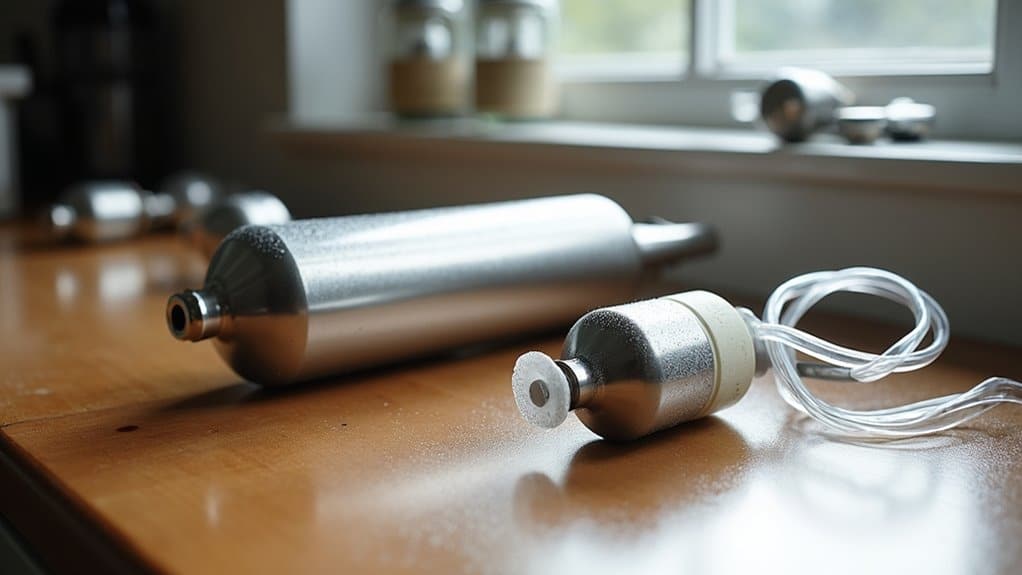
While nitrous oxide may seem harmless due to its medical and dental applications, recreational use poses severe health risks that can develop rapidly and without warning. The gas directly interferes with your body’s vitamin B12 absorption, leading to nerve damage, spinal cord deterioration, and potential paralysis. Combining nitrous oxide with other substances like alcohol can trigger nausea and vomiting. Instead of fully sedating users, the gas produces a dangerous light-headed euphoria while keeping them conscious. You’ll face increased risks of immune system impairment, making you more susceptible to infections and illness. Excessive use can lead to sudden death from oxygen deprivation.
Neurological complications can manifest as memory loss, numbness in extremities, and uncontrolled muscle spasms. The substance’s impact extends to reproductive health impacts, potentially causing birth defects and fertility issues. You may also experience persistent tinnitus, incontinence, and severe cognitive decline. These effects aren’t just temporary they can become permanent, especially with repeated exposure or high-dose usage.
Immediate Physical Risks and Symptoms

Oxygen deprivation presents the most immediate and severe risk when using nitrous oxide, as it can rapidly lead to unconsciousness and life-threatening complications. You’ll notice early warning signs through neurological symptoms like dizziness, confusion, and impaired coordination, which indicate your brain isn’t getting enough oxygen. Your body may also display physical symptoms including rapid heartbeat, shortness of breath, and blue-tinted lips or fingertips all urgent signals to stop use immediately. Common immediate effects include excessive sweating and shivering. Children and toddlers are especially vulnerable and may experience severe headaches and fatigue.
#1 Respiratory and Oxygen-Related Risks
- Choking during rapid gas inhalation
- Difficulty breathing and airway restriction
- Severe oxygen deprivation (hypoxia)
- Blue discoloration of lips/extremities
- Sudden death from asphyxiation
#2 Cardiovascular Complications
- Dangerous heart rate increases
- Risk of heart attack
- Potential for stroke
- Sudden blood pressure drops
- Fainting episodes
#3 Neurological Symptoms
- Severe dizziness and vertigo
- Mental confusion and disorientation
- Impaired concentration
- Intense headaches
- Loss of coordination
#4 Sensory and Motor Dysfunction
- Blurred or distorted vision
- Balance and gait problems
- Muscle weakness
- Numbness in extremities
- Loss of physical coordination
#5 Acute Neurological Emergencies
- Seizures from oxygen deprivation
- Sudden loss of consciousness
- Respiratory arrest
- Severe disorientation
- Risk of immediate coma
Oxygen Deprivation Dangers
Among the most severe risks of home nitrous oxide use, acute oxygen deprivation presents an immediate threat to life. When you inhale concentrated nitrous oxide, it rapidly displaces oxygen in your lungs, leading to hypoxia within seconds. This sudden oxygen deprivation can trigger cardiovascular compromise, including dangerous arrhythmias and reduced blood pressure. Like the intensive care standards outlined in recent medical literature, proper oxygen monitoring is crucial when any sedative substances are involved.
You’ll experience shallow breathing and potential respiratory failure as your body struggles to maintain adequate oxygenation. The resulting systemic organ dysfunction can damage your heart, brain, and other essential organs. Since nitrous oxide has a sweet odor, users may not detect dangerous concentrations building up. When inhaling directly from dispenser cartridges, you risk suffering severe frostbite damage to your face and airways. You’re likely to lose consciousness quickly, raising your risk of severe injury from falls or accidents.
In confined spaces, these dangers intensify as oxygen levels become critically depleted. Without immediate intervention, prolonged exposure can result in seizures, coma, or fatal complications.
Neurological Warning Signs
Recognizing early neurological warning signs enables rapid intervention before permanent damage occurs. You’ll notice numbness, tingling, or burning sensations in your extremities, along with impaired balance and coordination. These symptoms often indicate developing spinal cord lesions and vitamin B12 deficiency from nitrous oxide exposure. Ataxic gait and proprioception issues frequently develop within months of regular use.
Watch for progressive weakness in your arms and legs, reduced tactile sensitivity, and difficulty maintaining proper posture. Since nitrous oxide was the second most used recreational drug in the UK by 2020, understanding these risks is critical. You may experience urinary retention, dizziness, and acute anxiety attacks during or after use.
If you develop sleep disturbances, memory problems, or emotional instability, these suggest advancing neurological dysfunction. Your deep tendon reflexes may diminish, and you could lose vibratory sensation in your limbs. When these warning signs appear, immediate medical evaluation is essential to prevent permanent nerve damage.
Long-Term Neurological Complications

Chronic exposure to nitrous oxide can trigger severe neurological complications, primarily through its disruption of vitamin B12 metabolism. You’ll face risks of permanent neurological deficits if treatment isn’t initiated early, as the damage progressively affects your brain and spinal cord through demyelination.
Extended use can leave you with residual motor dysfunction, including persistent ataxia and weakness in your extremities. You’re likely to experience coordination problems and balance issues that may not fully resolve even with B12 therapy. Your risk is especially concerning if you are among younger age groups, as developing nervous systems are most vulnerable to damage. The damage can extend beyond physical symptoms, potentially causing cognitive decline, personality changes, and psychiatric manifestations like auditory hallucinations or persecutory delusions.
Once spinal cord lesions develop, you’re at risk for subacute combined degeneration, which can result in irreversible damage to your nervous system despite intervention.
Overdose Warning Signs and Statistics
When nitrous oxide reaches toxic levels in your system, several distinct warning signs emerge that demand immediate medical intervention. You’ll notice acute complications affecting multiple body systems: respiratory distress with shallow breathing or choking, cardiac irregularities including tachycardia or bradycardia, and severe neurological symptoms like seizures or loss of consciousness. Recent data shows that regular consumption trends among minors have significantly increased, representing 20% of reported cases. Current mortality statistics indicate that 8.4% of reported cases involve cardiac complications, with hypoxia being a primary factor in fatal outcomes. If you experience blue lips, chest pain, or uncontrolled movements, don’t wait call emergency services immediately. Medical professionals strongly warn against inhaling directly from canisters as the pressurized gas can cause severe damage. Your risk increases considerably when combining nitrous oxide with other substances. Remember, these symptoms can escalate rapidly, and delayed treatment may result in permanent damage or death.
Mental Health Dangers and Risks
Beyond the physical warning signs, nitrous oxide poses severe psychological risks that can permanently alter mental health. The drug’s impact on dopamine dysregulation leads to psychological dependence and compulsive usage patterns, while chronic exposure triggers serious psychiatric complications.
Chronic nitrous oxide abuse disrupts brain chemistry, leading to devastating psychological addiction and lasting psychiatric damage.
The mental health risks from nitrous oxide use include:
- Severe anxiety and depression requiring specialized intervention, often accompanied by interpersonal dysfunction and social withdrawal
- Psychotic episodes featuring both auditory and visual hallucinations, along with increased paranoia and hostility
- Significant cognitive impairment affecting memory, concentration, and decision-making abilities
- Augmented risk of suicidal ideation and self-harm behaviors, particularly during periods of active use
These mental health complications can persist long after cessation, potentially causing permanent psychological damage that requires ongoing professional treatment.
Dangerous Substance Combinations
You’ll expose yourself to severe health complications when combining nitrous oxide with alcohol, as the mixture intensifies nausea, dizziness, and respiratory depression risks.
Motor control and judgment become severely impaired when mixing these substances, dramatically increasing the risk of accidents and injuries.
The synergistic effects between nitrous oxide and other substances, whether stimulants, depressants, or psychedelics, create unpredictable and potentially lethal physiological responses.
Your risk of serious injury or death increases substantially when mixing nitrous oxide with any other drugs, particularly due to augmented sedation, oxygen displacement, and compromised judgment.
Alcohol Amplifies Health Risks
The combination of alcohol and nitrous oxide creates a particularly dangerous synergy that amplifies health risks across multiple body systems. The depressant synergy between these substances can lead to severe cognitive and physical impairment, substantially increasing your risk of accidents and medical emergencies. Research shows that even low doses of alcohol can significantly intensify the mood-altering and psychomotor-impairing effects of nitrous oxide.
Key dangers of this combination include:
- Intensified respiratory depression that can rapidly lead to unconsciousness and asphyxia
- Potentiated psychoactive effects resulting in extreme disorientation and loss of motor control
- Accelerated vitamin B12 depletion, potentially causing permanent nerve damage and psychosis
- Boosted cardiovascular strain, including dangerous drops in blood pressure and irregular heartbeat
You’ll face significantly higher risks of overdose when combining these substances, as alcohol magnifies nitrous oxide’s effects on your central nervous system while impairing your judgment about safe consumption limits.
Mixed Substances Create Hazards
When combined with other substances, nitrous oxide creates dangerous synergistic effects that can dramatically amplify health risks and potential fatalities. Mixing medications like NSAIDs or blood pressure drugs with nitrous oxide can trigger severe cardiovascular complications and respiratory distress. The combination with stimulants, including cocaine or amphetamines, enormously strains your heart and may cause life-threatening arrhythmias.
Workplace safety becomes critical as nitrous oxide supports combustion, creating fire hazards when mixed with flammable materials. You’ll face increased risks of oxygen deprivation in poorly ventilated spaces, while psychedelics intensify dissociative effects and impair your sensory perception.
The dangers multiply when combining with CNS depressants, potentially leading to coma or brain damage through delayed emergency response times and respiratory depression.
Emergency Response and Treatment
Responding effectively to nitrous oxide emergencies requires a coordinated series of immediate actions to protect life and prevent further exposure. Proper triage procedures and decontamination protocols must be implemented swiftly to manage the situation.
Key emergency response steps include:
- Evacuate all unprotected individuals from the affected area immediately and establish isolation zones to prevent additional exposure risks
- Contact emergency services while initiating rescue breathing or CPR if victims show signs of respiratory or cardiac distress
- Cool any fire-exposed containers with water spray and eliminate potential ignition sources near the leak site
- Monitor victims for neurological symptoms and guarantee they receive prompt medical evaluation, even if initial symptoms appear mild
You’ll need to document all incident details and continue monitoring the area for residual gas presence after containment.
Legal Status and Availability Concerns
Despite federal law permitting nitrous oxide possession, a complex patchwork of state and local regulations creates significant variability in its legal status across jurisdictions. You’ll find that federal regulatory intricacies stem from the substance’s dual nature as both a legitimate medical/industrial product and a potential drug of abuse.
While it’s legally available through food industry suppliers, automotive shops, and medical facilities, you’re subject to varying restrictions depending on your location. Some states ban sales to minors, criminalize recreational inhalation, or limit quantities without proper permits.
Retailer compliance challenges arise from the difficulty in verifying buyer intent, especially with online sales and culinary product marketing loopholes. The lack of uniform enforcement protocols and jurisdictional limitations further complicate efforts to prevent misuse while preserving legitimate access.
Prevention and Harm Reduction Strategies
A thorough approach to nitrous oxide harm reduction requires evidence-based strategies spanning education, medical intervention, and community support. As the 13th most popular recreational drug globally, public awareness campaigns must address rising misuse trends through targeted prevention efforts.
Key harm reduction strategies include:
- Implementing secure home storage procedures, including locked cabinets and proper disposal protocols for used canisters
- Conducting public awareness campaigns focused on populations of prime adult years in metropolitan areas where exposure rates are highest
- Providing medical screening for vitamin B12 deficiencies and neurological complications in chronic users
- Establishing community support networks that connect users with harm reduction resources and evidence-based treatment options
These interventions aim to reduce adverse outcomes while acknowledging the complex nature of nitrous oxide use patterns in home settings.
Frequently Asked Questions
How Should Nitrous Oxide Tanks and Equipment Be Properly Stored at Home?
You’ll need to guarantee proper tank securement by storing cylinders upright and anchoring them with chains or straps to prevent tipping. Keep tanks in a well-ventilated, dry area with consistent storage temperature monitoring between 55-85°F.
You must install safety valve caps when not in use and maintain regular inspections for leaks or damage. Store away from heat sources, electrical equipment, and flammable materials to prevent hazards.
What Safety Precautions Should Be Taken When Disposing of Used Cartridges?
You’ll need to follow proper disposal methods to safely discard used cartridges. Take them to a Household Hazardous Waste facility or metal recycling center that accepts compressed gas containers. Initially, guarantee they’re completely empty by safely releasing any remaining pressure.
Don’t throw cartridges in regular trash, as this creates environmental impact through soil contamination and safety risks for waste workers. Always confirm local regulations and obtain disposal certification when required.
Can Nitrous Oxide Affect Nearby Electronic Devices or Medical Equipment?
While nitrous oxide doesn’t cause electromagnetic interference with electronic devices, you should be aware that gas accumulation in poorly ventilated spaces could affect medical equipment that relies on ambient oxygen measurements. You’ll need to be especially cautious around oxygen-dependent devices.
The gas itself isn’t flammable but can accelerate combustion of other materials, creating potential fire hazards when combined with ignition sources. Keep devices away from areas of gas concentration.
Are There Specific Room Ventilation Requirements for Handling Nitrous Oxide Safely?
You’ll need to maintain at least 12 air changes per hour for proper containment procedures when handling nitrous oxide. Guarantee you have balanced supply and exhaust systems with adequate air circulation to keep N2O concentrations below 25 ppm.
You must install exterior vent openings and maintain negative pressure in the room. If primary systems aren’t sufficient, you’ll need supplementary local exhaust ventilation to meet safety requirements.
How Far Should Nitrous Oxide Storage Be Kept From Heat Sources?
You’ll need to maintain strict distance requirements when storing nitrous oxide near heat sources. Keep cylinders at least 20 feet from flammable materials unless fire-resistant barriers exist.
Maintain a horizontal separation of at least 3 meters from furnaces, ovens, or radiators, and guarantee 1.5 meters vertical clearance from heating vents. Electric heaters must remain indirect and maintain temperatures below 150°C.
Proper ventilation requirements should accompany these safe storage distances.