
While it’s legally possible to obtain nitrous oxide for legitimate food preparation uses, home recreational use carries extreme risks and potential legal consequences. You’ll face serious dangers including asphyxiation, frostbite, and permanent neurological damage from improper handling. Even with safety protocols, you can’t eliminate the risks of vitamin B12 deficiency, cognitive decline, and cardiovascular complications. Understanding the full scope of hazards and regulations is pivotal before considering any interaction with this substance.
Understanding Nitrous Oxide Safety Fundamentals
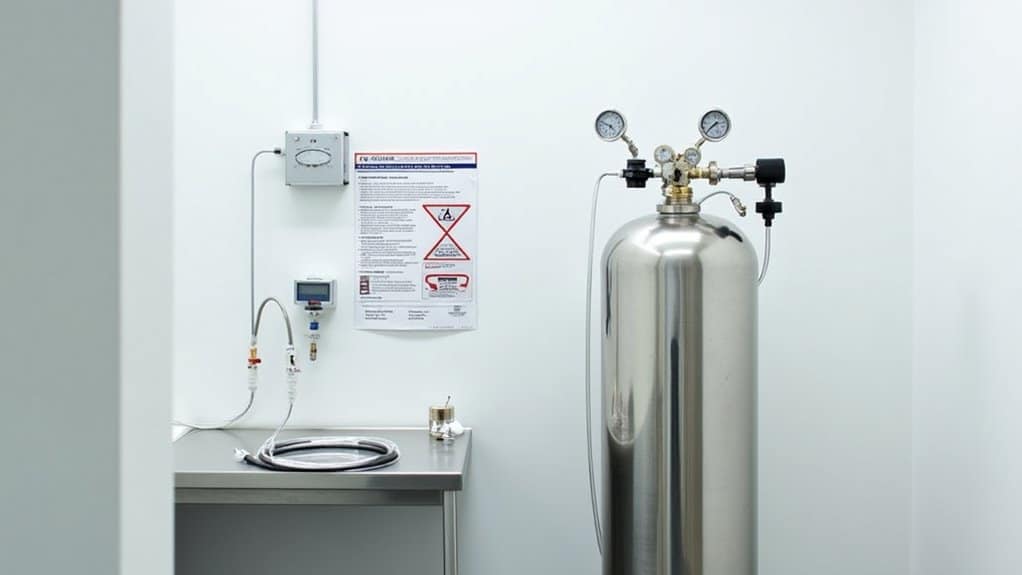
While nitrous oxide has legitimate culinary applications, proper safety protocols are essential for home use. You’ll need to operate your equipment in well-ventilated areas and maintain proper airflow by opening windows or using exhaust fans. Never work with nitrous oxide in confined spaces or inhale directly from dispensers. Since nitrous oxide slows nervous system function, users should never operate machinery or drive vehicles while using it. Food-grade cartridges must be used exclusively for safety and quality results. Only consumers who are above 18 years can legally purchase and handle nitrous oxide cylinders.
Equipment maintenance is pivotal for safe operation. Always inspect your dispensers for damaged seals, proper threading, and signs of wear before use. If you detect leaks or unusual sounds, stop immediately and move to fresh air.
For storage best practices, keep your cylinders in cool, dry areas below 77°F, and guarantee proper labeling of storage spaces. Remember to take regular breaks during use and recognize overexposure symptoms like dizziness. Close valves completely after use and store charged dispensers separately from other equipment.
Legal Status and Regulatory Guidelines
Although nitrous oxide remains legal under U.S. federal law, its regulatory framework involves multiple layers of oversight. The FDA regulates its distribution under the Food, Drug, and Cosmetics Act, while individual states maintain their own restrictions. Consumer liability varies by jurisdiction, with states like California and North Carolina explicitly criminalizing possession for recreational purposes. Medical professionals widely use it as dental anesthesia for patients. The gas induces euphoric feelings when inhaled, which is why recreational use persists.
In the Netherlands since early 2023, possession is banned except for medical and food industry applications. Reseller compliance focuses heavily on verifying customer intent and proper product labeling. You’ll face legal consequences if you knowingly purchase or distribute nitrous oxide for non-medical or non-culinary purposes. While whipped cream chargers remain legal for legitimate culinary use, bulk purchases or suspicious transaction patterns may trigger regulatory scrutiny. You must understand that even in states allowing adult purchases, distributors are required to question buyers’ intended use to maintain legal compliance.
Medical vs. Recreational Applications
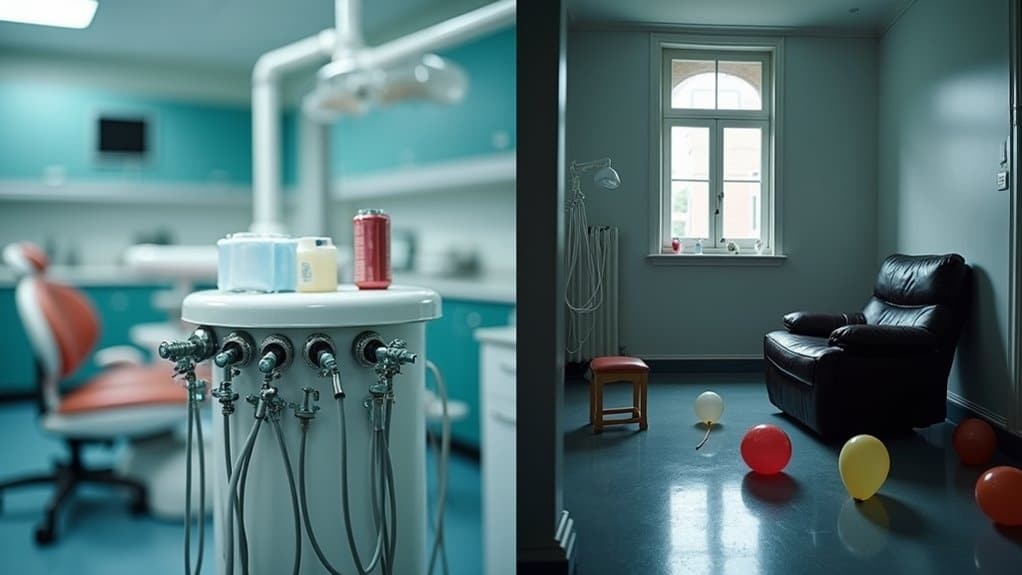
Understanding the stark differences between medical and recreational nitrous oxide use is critical for patient safety and legal compliance. Medical applications involve supervised self-administration of precise 50/50 oxygen mixtures for specific procedures, while recreational use often leads to dangerous chronic use patterns and health risks. Short-term effects include euphoric rushes and dissociation. For patients with severe conditions like epidermolysis bullosa, nitrous oxide provides conscious sedation during painful wound care procedures.
Medical use requires professional oversight, proper dosing, and controlled administration for procedures like wound care, childbirth, or dental work. The valve inhalation system delivers precise amounts of nitrous oxide for optimal safety and effectiveness. Recreational intake typically involves uncontrolled consumption through balloons or chargers, risking oxygen deprivation.
Medical applications show proven efficacy in pain management with minimal side effects when properly administered. Recreational use leads to immediate intoxication symptoms and potential long-term complications from repeated exposure.
You’ll find medical applications focus on therapeutic outcomes under strict protocols, whereas recreational use centers on achieving short-lived euphoric effects without safety measures.
Essential Health Risks and Warnings
The immediate dangers of nitrous oxide include potentially fatal asphyxiation, severe frostbite from concentrated exposure, and acute cardiovascular complications such as blood clots and heart arrhythmias.
You’ll risk permanent neurological damage, including spinal cord injury, paralysis, and cognitive decline with prolonged or frequent use. Your body’s crucial systems face serious disruption through vitamin B12 depletion, weakened immunity, and lasting psychiatric effects including psychosis and severe depression. Early warning signs often manifest as excessive sweating and shivering before more severe symptoms develop.
Immediate Medical Dangers
Recreational use of nitrous oxide presents severe and potentially lethal immediate medical dangers. When you inhale this substance without proper medical supervision, you’re exposing yourself to rapid respiratory failure and cardiac arrhythmia risk that can develop within minutes.
Unlike safe medical settings, recreational users often inhale pure nitrous oxide without oxygen mixture, greatly increasing risks.
People commonly misuse nitrous oxide through pressurized whippets, which are small steel canisters intended for whipped cream dispensers. Users often experience temporary euphoric highs and dizziness that mask the dangerous nature of this substance.
Oxygen displacement in your lungs can trigger immediate asphyxiation, leading to unconsciousness and potential brain damage.
Direct inhalation from canisters can cause severe frostbite burns to your airways and respiratory tissue.
Sudden cardiac irregularities may occur due to oxygen deprivation, potentially resulting in heart failure.
Severe neurological reactions, including seizures and loss of motor control, can happen without warning.
These immediate dangers occur unpredictably and can be fatal even during initial use, making recreational nitrous oxide use extremely hazardous to your health.
Long-Term Health Effects
Beyond the immediate dangers, chronic nitrous oxide abuse inflicts severe and often irreversible damage to your body’s essential systems. The potential for neurological damage becomes significant as prolonged use deteriorates your myelin sheath, leading to spinal cord damage and limb dysfunction. You’ll face increased risk of vitamin B12 deficiency, which can trigger a cascade of serious health complications. Weekly B12 injections are often necessary for the first month of treatment to reverse these effects. Some patients have experienced dangerous pressure-related injuries from inhaling directly from canisters.
Long-term abuse can permanently impair your cognitive function, causing memory loss, coordination problems, and psychiatric disorders. You may develop tinnitus, incontinence, and difficulty walking. The damage extends beyond your nervous system, weakening your immune response and disrupting reproductive health. If you’re pregnant, usage can cause birth defects. Most concerning is that many of these effects may become permanent if you don’t seek immediate medical intervention.
Proper Equipment and Administration Methods
Safe administration of nitrous oxide requires specific equipment and precise protocols to minimize risks. Professional facilities maintain strict standards for routine equipment calibration and occupational exposure monitoring to guarantee safety for both patients and staff.
Essential safety measures include:
- Daily inspection of all components including masks, tubing, and reservoir bags
- Active scavenging systems that maintain 45 L/min airflow at the mask
- Proper ventilation with 12-15 air changes per hour
- Documentation of all equipment checks and maintenance
You’ll find that home use of nitrous oxide lacks these critical safety protocols and equipment requirements. Without proper scavenging systems, ventilation controls, and maintenance procedures, administering nitrous oxide at home poses significant dangers. Professional settings implement these measures through rigorous training and adherence to manufacturer guidelines.
Recognizing Emergency Warning Signs
Identifying the warning signs of nitrous oxide toxicity can mean the difference between life and death during recreational use. When monitoring physical reactions, you’ll need to watch for both immediate and delayed symptoms that indicate dangerous complications.
| Warning Sign | Required Action |
|---|---|
| Loss of consciousness or severe dizziness | Stop use immediately and seek emergency care |
| Numbness or tingling lasting >30 minutes | Contact medical provider |
| Chest pain or irregular heartbeat | Call emergency services |
Common symptoms requiring immediate intervention include prolonged confusion, difficulty breathing, or persistent sensory deficits. You must also watch for psychiatric changes like extreme paranoia or suicidal thoughts. If you experience urinary retention, severe vomiting, or uncontrolled muscle movements, these indicate potential overdose requiring urgent medical attention.
Long-term Health Implications
Regular exposure to nitrous oxide can trigger severe and potentially permanent health complications across multiple body systems. The most concerning effects stem from vitamin B12 depletion related disorders, which can lead to lasting neurological damage if left untreated.
Nervous system damage occurs through myelin sheath disruption, causing numbness, memory loss, and muscle spasms that may become irreversible without early intervention. Mental health deteriorates with prolonged use, manifesting as depression, psychological dependence, and potential psychosis. Physical complications include cardiovascular issues, hearing loss, and incontinence. Reproductive system disruption can result in fertility problems and increased birth defect risks during pregnancy.
Early recognition and treatment of these complications is vital, as some effects may be reversible if addressed promptly by medical professionals.
Harm Reduction and Prevention Strategies
To minimize risks when using nitrous oxide, you’ll need to follow strict safety protocols including using balloons rather than direct inhalation, wearing protective gear, and maintaining proper ventilation in your space.
You must have a sober companion present who can respond to emergencies and guarantee you’re in a stable, seated position away from hazards. Creating an emergency response plan that includes access to medical services and maintaining B12 supplementation are critical components of harm reduction.
Safe Usage Guidelines
Safe handling of nitrous oxide requires strict adherence to established protocols that minimize health risks and maintain compliance with local regulations. Proper storage and handling procedures help prevent property damage concerns while ensuring your safety during legitimate culinary applications.
Follow these essential guidelines when using nitrous oxide:
- Always verify your local maturity requirements and maintain proper documentation for culinary use
- Store cartridges in a well-ventilated area away from heat sources, and inspect dispensers monthly for damaged seals
- Replace gaskets regularly and test valve functionality before each use to prevent dangerous leaks
- Never use nitrous oxide in confined spaces, and maintain proper ventilation to prevent oxygen displacement
Emergency Response Planning
Beyond proper handling protocols, effective emergency response planning stands as a cornerstone of responsible nitrous oxide use at home. You’ll need to establish clear procedures for exposure management and maintain detailed incident documentation of any adverse events.
| Emergency Action | Required Response |
|---|---|
| Toxicity Signs | Immediately halt use, seek medical care |
| B12 Deficiency | Initiate prescribed B12/folate protocol |
| Equipment Failure | Discontinue use, document malfunction |
| Exposure Incident | Record details, contact emergency services |
Keep emergency contact numbers readily accessible and guarantee you’ve completed proper training in toxicity recognition. Your response plan should include verification of scavenging systems, proper ventilation checks, and strict adherence to single-substance protocols. Never attempt solo administration, as unmonitored use dramatically increases risk. Always maintain documentation of safety checks and any exposure incidents.
Frequently Asked Questions
How Long Does Nitrous Oxide Stay Detectable in Your System?
Nitrous oxide has an extremely accelerated absorption duration and removal timeline in your system. You’ll discover it’s usually identifiable for only 1-2 days in urine tests, while blood and breath tests can recognize it for up to 60 minutes after use.
Your metabolism, body composition, and usage amount affect detection times. Keep in mind that standard urine screenings may overlook it entirely due to its swift processing by your body.
Can Nitrous Oxide Tanks Be Refilled at Home?
DIY refilling of nitrous oxide tanks at home is strongly discouraged and often illegal. You’ll face significant risks including explosion hazards, contamination issues, and potential legal consequences.
Due to critical safety requirements like specialized pressure control systems and temperature management, refilling must be performed at authorized facilities with proper equipment. Home storage considerations also make DIY refilling dangerous, as tanks require specific ventilation and temperature conditions to maintain stability.
What Temperature Should Nitrous Oxide Be Stored At?
For proper storage temperature, you’ll need to maintain your nitrous oxide cylinders between 70-75°F (21-24°C) in a temperature-controlled environment. Don’t expose cylinders to temperatures above 130°F (54°C) or below 40°F (4°C).
Key cylinder handling precautions include storing them upright in a well-ventilated, dry area away from direct sunlight and heat sources. You’ll want to avoid rapid temperature fluctuations that could affect pressure stability.
Does Nitrous Oxide Affect Prescription Medications?
Yes, nitrous oxide can notably interact with different prescription medications. You’ll need to be exceptionally cautious if you’re taking CNS depressants, opioids, or medications like methotrexate. These interactions, along with potential for abuse and recreational medication combinations, can lead to dangerous respiratory depression and other adverse effects.
It’s indispensable that you inform your healthcare provider about all medications you’re taking before receiving nitrous oxide treatment.
How Much Does Medical-Grade Nitrous Oxide Typically Cost?
When purchasing medical nitrous, you’ll find prices vary considerably based on quantity and supplier relationships. Small medical-grade cylinders (20 lb) typically range from $234-$840, while bulk orders can reach $10,000-$12,000 per set.
Securing reliable nitrous suppliers requires proper medical licensing and credentials. You’ll need to contact authorized distributors directly for exact pricing, as costs fluctuate based on your location, order volume, and regulatory requirements.