
Nitrous oxide, commonly known as laughing gas, is a safe and gentle sedation method that helps you stay relaxed during medical or dental procedures. You’ll breathe the odorless gas through a comfortable nose mask while remaining conscious and able to communicate. The effects begin quickly, producing mild euphoria and pain relief, and wear off within minutes after treatment. You’ll maintain normal critical signs throughout the procedure, and you can drive home after a brief 30-minute wait. Understanding how nitrous oxide works will help you feel more confident about your upcoming treatment.
What Is Laughing Gas and How Does It Work?
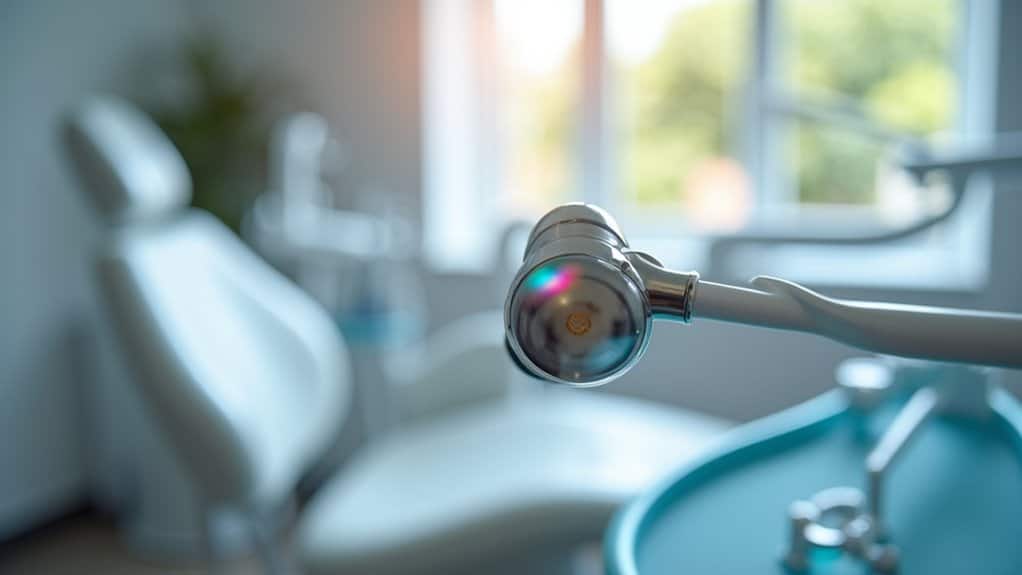
Nitrous oxide, commonly known as laughing gas, is an odorless anesthetic agent that produces mild sedation and pain relief through multiple pharmacological pathways. Its historical usage spans over two centuries in medical and dental settings, earning its nickname from the euphoric effects patients experience during administration. A nasal hood device delivers the gas mixture directly to patients during dental procedures. Studies show CNS depression risk increases when nitrous oxide is combined with certain medications like benzodiazepines. The gas maintains stable blood pressure levels during procedures since it has been shown to produce minimal hemodynamic effects.
When you receive nitrous oxide, it rapidly enters your bloodstream due to its low solubility, leading to a quick onset of effects. The gas works by blocking specific brain receptors (NMDA) while triggering the release of natural pain-relieving compounds. It also activates your body’s pain-suppressing pathways through the brainstem and spinal cord. Unlike stronger anesthetics, nitrous oxide won’t completely put you to sleep but rather creates a relaxed, comfortable state while maintaining your consciousness and ability to respond to instructions.
Safety Profile and Patient Comfort

When administered by trained dental professionals, laughing gas maintains an exceptional safety profile with mild and temporary side effects occurring in less than 5% of patients.
Proper scavenging systems and ventilation in dental offices help maintain safe nitrous oxide levels during procedures. You’ll remain conscious and able to communicate throughout the procedure while the gas’s effects can be quickly adjusted based on your comfort level. Dental personnel exposure is carefully monitored during procedures to ensure patient and staff safety.
The effects wear off within minutes after treatment, allowing you to safely drive home and resume normal activities immediately.
Minimal Side Effect Risks
The safety profile of modern nitrous oxide administration shows remarkably few adverse effects when used properly in clinical settings. You’ll find that most patients experience only temporary, mild sensations during treatment, with minimal respiratory impact compared to other sedation methods. The short-acting nature of nitrous oxide significantly reduces overdose risk, as effects dissipate quickly once administration stops.
Clinical data demonstrates that when properly administered, nitrous oxide causes minimal changes to essential signs, maintaining stable blood pressure and heart rate throughout treatment. While some patients may report brief numbness or tingling, these sensations resolve rapidly. The non-flammable properties and controlled dosing in medical settings further boost its safety profile, making it one of the most reliable options for conscious sedation in dental and medical procedures. Medical providers should advise patients to avoid driving for 30 minutes after inhalation to prevent any potential impairment-related incidents.
Rapid Recovery Time
Due to its low blood solubility, nitrous oxide offers remarkably swift onset and recovery times that you’ll appreciate in clinical settings. The rapid elimination rate guarantees you’ll experience almost immediate reversal of sedation effects, typically within 2-3 minutes after discontinuation. The prompt brain washout means you won’t feel lingering drowsiness or mental fog. However, chronic recreational abuse over an average of 14.5 months can lead to serious neurological complications.
Key benefits of nitrous oxide’s recovery profile include:
- Return to normal activities within minutes of procedure completion
- No residual sedative effects due to minimal lipid solubility
- Complete gas elimination during 3-minute oxygenation phase
- Immediate mental clarity after discontinuation
- No need for extended monitoring post-procedure
This efficiency makes nitrous oxide particularly suitable for outpatient procedures, allowing you to resume your daily routine promptly after treatment.
Proven Safety Record
Building on its efficient recovery profile, nitrous oxide’s extensive safety record spans decades of clinical use in both dental and medical settings. Under strict regulatory oversight, exposure levels remain well within established safety thresholds, while advanced scavenging systems protect both patients and staff.
You’ll benefit from safe administration protocols that combine nitrous oxide with oxygen, ensuring adequate oxygenation throughout your procedure. The gas’s low blood solubility means minimal systemic absorption, reducing risks of adverse effects. During treatment, you’ll maintain spontaneous breathing with negligible respiratory depression compared to other sedatives.
Your safety is further augmented through continuous pulse oximetry monitoring, pre-screening for contraindications, and precise dose control. Clinical evidence consistently demonstrates that when properly administered, nitrous oxide provides reliable anxiolysis with an excellent safety profile.
Common Uses in Medical and Dental Procedures
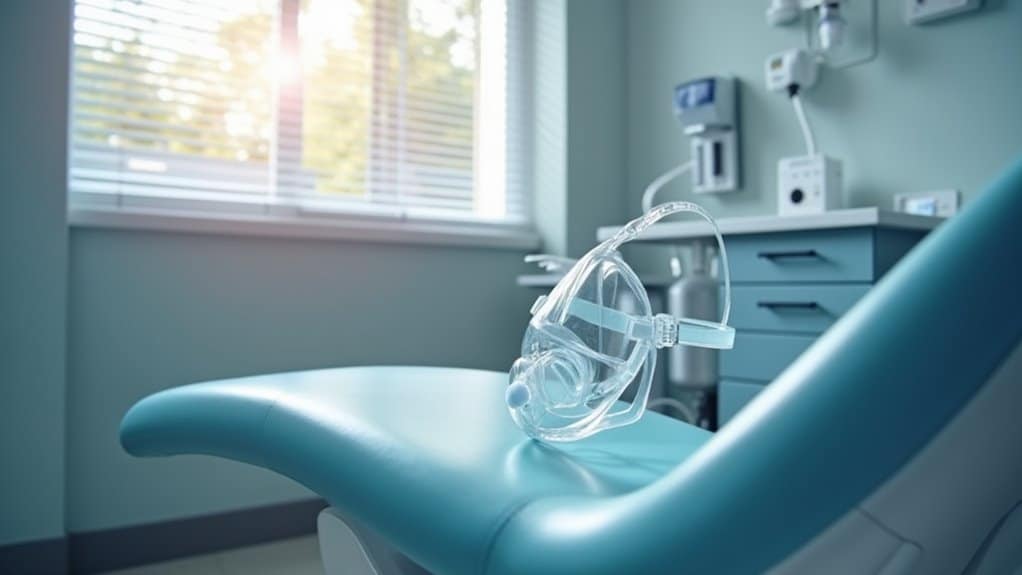
Nitrous oxide provides effective pain management and anxiety relief during your dental or medical procedures while allowing you to remain conscious and responsive.
The gas induces a sense of calm while still letting you communicate with your provider during treatment.
You’ll receive a carefully controlled mixture of nitrous oxide and oxygen through a comfortable face mask, with concentrations adjusted between 30-70% based on your specific procedure.
This proven sedation method has a 94.9% success rate for dental procedures and helps you stay relaxed while maintaining your natural protective reflexes. As the most used gaseous anesthetic worldwide, nitrous oxide has a long history of safe and reliable use in medical and dental settings.
Pain Management Applications
While medical professionals have long recognized its versatility, nitrous oxide’s pain management applications continue to expand across both medical and dental settings. You’ll find it’s particularly effective in managing acute pain during minor surgical procedures and dental treatments, with market projections showing significant growth in clinical adoption. The Asia Pacific region is expected to see particularly strong demand growth, reaching USD 2.8 billion by 2029. The rapidly growing anesthesia segment generated revenue of USD 778.8 million in 2023, highlighting its crucial role in modern healthcare.
For safe and effective pain management, providers administer nitrous oxide with these key considerations:
- Concentration levels typically range from 20-70%, always mixed with oxygen
- Contraindications include initial-trimester pregnancy and pneumothorax
- Rapid onset occurs within 2-3 minutes due to high lipophilicity
- Monitoring protocols require proper ventilation and scavenging systems
- Administration must follow strict safety guidelines to maintain exposure levels below 25ppm
The analgesic properties make it ideal for procedures requiring conscious pain control while maintaining patient responsiveness and quick recovery.
Safe Sedation During Procedures
Safe sedation practices form the cornerstone of successful nitrous oxide administration in both medical and dental settings. Clinical administration techniques focus on delivering a precise mixture of nitrous oxide and oxygen, typically starting at lower concentrations and gradually increasing to 30-40% while maintaining oxygen levels above 30%.
Patient education strategies emphasize clear communication about what you’ll experience during the procedure. You’ll breathe through a nasal mask while we monitor your response and adjust concentrations accordingly. We’ll guide you to take deep nasal breaths for ideal gas exchange, ensuring you remain conscious and able to respond to commands throughout treatment.
Our monitoring systems include safety features that prevent oxygen levels from dropping below acceptable thresholds, and you’ll remain under supervision until fully recovered from the sedation effects.
The Patient Experience During Treatment
Most dental patients experience a predictable sequence of sensations during nitrous oxide sedation, progressing from initial awareness through controlled relaxation. You’ll notice altered perceptions as the gas takes effect, including warmth throughout your body and possible tingling in your extremities. These subconscious experiences help maintain a calm state while staying conscious and responsive. The colorless and odorless gas is carefully mixed with oxygen and delivered through a small mask for optimal comfort. The nasal mask delivery ensures precise control of sedation levels throughout your treatment. As seen in Thailand clinics, the high-tech equipment provides precise monitoring of gas levels for patient safety.
Nitrous oxide sedation follows a gentle progression, allowing patients to remain calm yet alert while experiencing soothing physical sensations.
During treatment, you’ll typically experience:
- Heaviness in your limbs
- Mild euphoria or occasional giggling
- Reduced anxiety and fear
- Disconnection from dental stimuli
- Ability to follow verbal instructions
You’ll remain awake yet deeply relaxed throughout the procedure, capable of communicating with your dentist as needed. The sensations fade quickly once the gas is discontinued, with most patients returning to normal awareness within 5-10 minutes post-treatment.
Benefits and Advantages of Nitrous Oxide
Thanks to its proven safety profile and versatility in dental settings, nitrous oxide offers multiple advantages that make it an ideal sedation choice for anxious patients. You’ll experience rapid calming effects within seconds, while maintaining full consciousness and ability to communicate. The sedation level can be precisely adjusted throughout your procedure, ensuring optimal, ideal, or perfect comfort.
As an affordable alternative to other sedatives, nitrous oxide eliminates quickly from your system, allowing you to drive home safely after treatment. You won’t have to worry about lasting side effects or organ damage. Its multidisciplinary applications extend beyond dentistry, yet it’s particularly effective for dental procedures by reducing anxiety, elevating pain thresholds, and minimizing the gag reflex. The amnesic effect helps you forget uncomfortable aspects of the procedure while maintaining your safety throughout treatment. Nitrous oxide sedation can be effectively used during various dental procedures, from routine cleanings to more complex treatments.
Preparing for Your Nitrous Oxide Session
Proper preparation before your nitrous oxide session guarantees ideal treatment outcomes and comfort during the procedure. When communicating dental restrictions, your dental team will provide specific guidelines regarding fasting and medication management to ascertain your safety.
Before your appointment, you’ll need to:
- Wear loose, comfortable clothing
- Remove nail polish and contact lenses
- Bring a current medication list with dosages
- Report any respiratory issues or recent illnesses
- Follow pre-treatment fasting instructions
Managing patient expectations involves understanding that preparation extends beyond the dental chair. Brush your teeth as directed before arrival, and arrange for a companion if needed. You should report any cold symptoms, allergies, or health changes that could affect treatment. Remember to arrive early to complete necessary paperwork and discuss any concerns with your dental team.
Recovery and Post-Treatment Care
After your nitrous oxide treatment, understanding proper recovery protocols guarantees a safe return to normal activities. You’ll need proper precautions during the initial recovery period while patient monitoring continues. Rest for 24 hours, avoiding strenuous activities and driving.
| Recovery Focus | Do’s | Don’ts |
|---|---|---|
| Hydration | Sip water slowly | Avoid alcohol |
| Nutrition | Eat bland foods | Skip spicy meals |
| Activity | Walk gently | No heavy lifting |
| Rest | Sleep as needed | Don’t exercise |
| Safety | Stay supervised | Skip driving |
You’ll receive 100% oxygen for 5 minutes post-procedure to clear residual effects. Stay hydrated with clear fluids and eat light meals like crackers or toast. If you experience dizziness, remain seated until your balance stabilizes. Resume normal activities gradually the following day, and contact your provider if you have concerns.
Making an Informed Decision About Nitrous Oxide
When considering nitrous oxide sedation, understanding its extensive risk-benefit profile enables you to make a well-informed treatment decision. Your healthcare provider will assess your medical history, considering individualized dosing considerations and potential contraindications such as vitamin B12 deficiency or respiratory conditions.
Key factors supporting nitrous oxide as a sedation option include:
- Faster recovery compared to IV sedation alternatives
- Reduced need for opioid medications
- Minimal impact on liver and kidney function
- Excellent safety record when properly administered
- Flexibility to combine with local anesthetics
Your provider follows strict occupational exposure guidelines and maintains multiple safety controls during administration. Together, you’ll evaluate whether nitrous oxide aligns with your procedure’s requirements, considering factors like complexity, your medical history, and personal preferences for sedation level.
Frequently Asked Questions
Can I Eat or Drink Before Receiving Nitrous Oxide Treatment?
Fasting is recommended 2-4 hours before your nitrous oxide treatment. You can have light meals like toast or clear liquids until 2 hours before the procedure, but avoid heavy or fatty foods.
Don’t consume alcohol before treatment, as it can interfere with sedation safety. You’ll need to skip chewing gum, candy, and lozenges during the fasting period.
Check with your clinic for their specific guidelines, as requirements may vary.
Will Nitrous Oxide Affect My Ability to Breastfeed?
No, nitrous oxide won’t affect your ability to breastfeed. It’s considered safe for nursing mothers because it’s rapidly eliminated from your system within minutes after treatment.
You can resume breastfeeding as soon as you’re fully alert and recovered from sedation. There are no significant side effects that impact milk production or your baby’s health.
Just maintain proper dental hygiene after treatment and alert your provider if you experience any unusual reactions.
How Many Times Can I Safely Receive Nitrous Oxide in a Year?
While there aren’t specific maximum dosage recommendations for annual nitrous oxide exposure, you’ll want to discuss your individual needs with your healthcare provider. Each exposure should be evaluated based on your medical history and the procedure’s necessity.
Potential side effects are typically temporary and minimal when used properly. If you’re receiving frequent treatments, your provider may recommend spacing them out or exploring alternative options to minimize cumulative exposure.
Does Insurance Typically Cover the Cost of Nitrous Oxide Sedation?
No, dental insurance typically doesn’t cover nitrous oxide sedation. You’ll usually need to pay for this service out-of-pocket, regardless of your plan’s deductible or treatment limitations.
While some insurance providers may cover minimal sedation if it’s deemed medically required, nitrous oxide is generally classified as an elective service. It’s crucial to verify coverage specifics with your insurance provider and request a pre-treatment estimate from your dental office.
Can I Develop Tolerance to Nitrous Oxide Over Multiple Treatments?
You can develop tolerance to nitrous oxide through repeated exposure, but it’s unlikely with typical dental treatment schedules. True tolerance mainly occurs with frequent use (more than once per week) or prolonged sessions.
For standard dental visits spaced weeks or months apart, you won’t experience significant long term effects or reduced effectiveness. Your body quickly returns to normal between treatments, maintaining nitrous oxide’s effectiveness for future procedures.