Yes, anxiety can absolutely cause cramping, and it’s more than just “stress.” When your fight-or-flight response activates, norepinephrine and epinephrine spike muscle tension while vasoconstriction cuts oxygen delivery, triggering involuntary spasms. You’ll often feel these cramps in your gut, chest, jaw, and extremities. Hyperventilation shifts calcium levels, further driving neuromuscular hyperexcitability. The surprising part? Shared brain circuitry between anxiety and pain amplifies every cramp you experience, and understanding exactly where and why it happens changes how you treat it.
Can Anxiety Actually Cause Cramping?
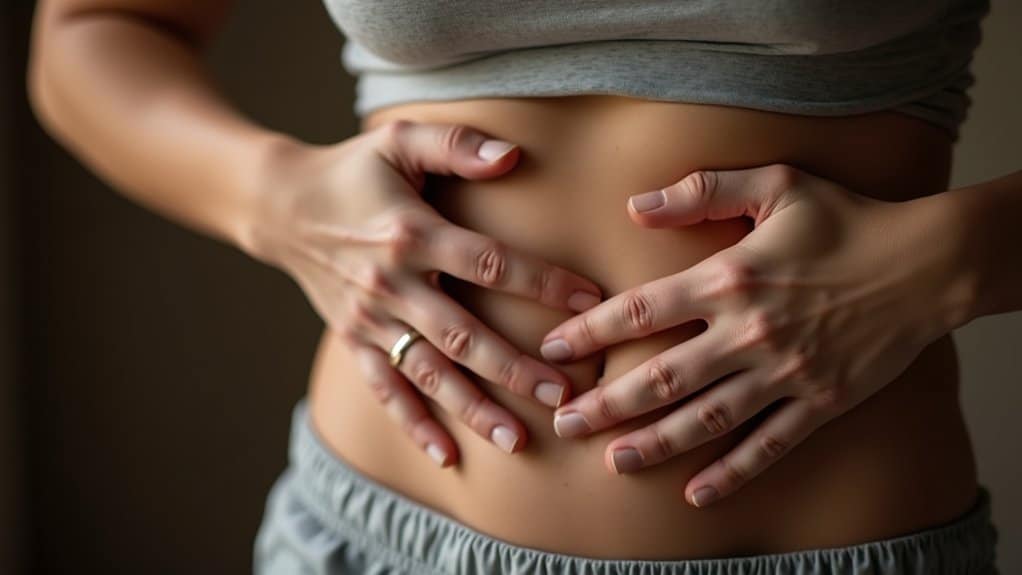
When anxiety activates your body’s stress response, the cramping that follows isn’t a vague or imagined sensation, it’s a measurable physiological event driven by specific hormonal, neurochemical, and electrolyte changes occurring in real time. Whether you’re managing generalized anxiety disorder or panic disorder, your body releases cortisol at amplified levels, increasing stomach acid production and disrupting normal digestive function through the gut brain axis.
These cramps can strike during panic attacks or surface unpredictably throughout your day. Your muscles undergo extreme stress as hormones operate at intensified levels, and hyperventilation compounds the effect by creating abdominal tension. Anxiety is also a likely cause of irritable bowel syndrome, which can further result in altered bowel movements and persistent abdominal uneasiness. Research has shown that higher anxiety, independently from depression, is associated with significantly lower pain detection thresholds throughout the body, meaning anxious individuals experience pain and cramping more intensely than they otherwise would. During this process, your body redirects blood flow from digestive organs to major muscle groups, further intensifying cramping sensations in the abdomen. Any anxiety disorder can produce this response, the same physiological mechanisms activate regardless of whether the trigger is psychological or physical.
Why Your Body Cramps Up When You’re Anxious
When anxiety triggers your fight-or-flight response, your hypothalamus activates the sympathoadrenal axis, flooding your muscles with norepinephrine and epinephrine that increase gamma motor neuron firing, raise resting muscle tension, and lower the threshold for spontaneous contractions. This adrenaline-driven surge simultaneously constricts blood vessels supplying your skeletal muscles, reducing oxygen delivery and creating the metabolic conditions that turn heightened tension into painful, sustained cramping. At the same time, your brain’s periaqueductal gray and anterior cingulate cortex amplify pain signaling, meaning the cramps you’re experiencing aren’t just physically real, they’re neurologically intensified by the same anxiety driving them.
Fight-or-Flight Muscle Response
When threat perception intensifies without a physical outlet, your body shifts into a freeze response, compounding tension further. The psoas pulls your legs toward your abdomen, compresses your spine, and restricts diaphragmatic movement. This sustained, involuntary contraction without release creates the precise neuromuscular conditions for painful cramping.
Adrenaline Fuels Painful Tension
This mechanism doesn’t self-correct easily. The resulting pain activates a cyclical anxiety-pain feedback loop: cramps amplify your threat perception, which stimulates further adrenaline release, which intensifies contraction. Without intervention, hyperstimulation keeps your baseline muscle tension chronically heightened, compounding stiffness, spasms, and soreness. Breaking this loop demands targeting the adrenaline cascade itself, not just the downstream pain.
Brain Pain Pathways Activate
Adrenaline explains *how* your muscles lock into contraction, but it doesn’t explain why your brain keeps interpreting that contraction as threatening long after the original stressor has passed, and that distinction matters because the neural architecture responsible for sustaining anxiety-driven cramping sits upstream of the adrenal glands, inside cortical and subcortical pain networks that process physical pain and emotional distress through shared circuitry. Your anterior cingulate cortex and insular cortex process both pain unpleasantness and emotional anxiety simultaneously. The amygdala receives pain signals through the spinothalamic pathway, amplifying threat perception. Glutamate-driven excitatory connections between bilateral ACC regions create prolonged neuronal excitation, while NMDA receptor activation triggers calcium influx that strengthens synaptic plasticity, essentially teaching your brain to maintain cramping signals. This shared processing means anxiety doesn’t just cause cramps; it actively sustains them through self-reinforcing neural feedback loops.
Anxiety Cramps vs. Muscle Tension: What’s the Difference?
Not all anxiety-related muscle pain behaves the same way, and distinguishing between sustained tension and acute cramping determines which intervention will actually help you. Sustained tension presents as a persistent stiffness or aching driven by continuous stress-hormone-fueled contraction, while cramps manifest as sudden, sharp, involuntary spasms that occur when fatigued or ischemic muscle fibers can no longer maintain controlled tone. Identifying which pattern matches your pain lets you target the specific physiological mechanism behind it rather than treating symptoms generically.
Cramps Versus Sustained Tension
The diagnostic distinction matters clinically. Anxiety and muscle tension create prolonged stiffness that reduces blood flow, producing ischemia-driven aches. Psychosomatic muscle cramping, by contrast, fires as discrete episodes, sudden, intense, and often shifting locations throughout your body. Sustained muscle contraction anxiety doesn’t resolve between episodes; it compounds. Tension breeds fatigue, fatigue lowers your cramping threshold, and cramping intensifies tension. You’re managing two interconnected but mechanistically distinct processes.
Identifying Your Pain Type
Muscle tension behaves differently: persistent stiffness across your shoulders, neck, back, or jaw that migrates and lingers for hours. Your autonomic nervous system drives both, but cramps reflect acute neuromuscular hyperexcitability while tension reflects sustained contraction without discharge. When cramping targets your gut, the gut-brain connection anxiety pathway can mimic irritable bowel syndrome or other functional gastrointestinal disorder presentations. If symptoms persist without structural findings, your clinician may evaluate for somatic symptom disorder to guide appropriate treatment.
Where Anxiety Cramping Shows Up in Your Body
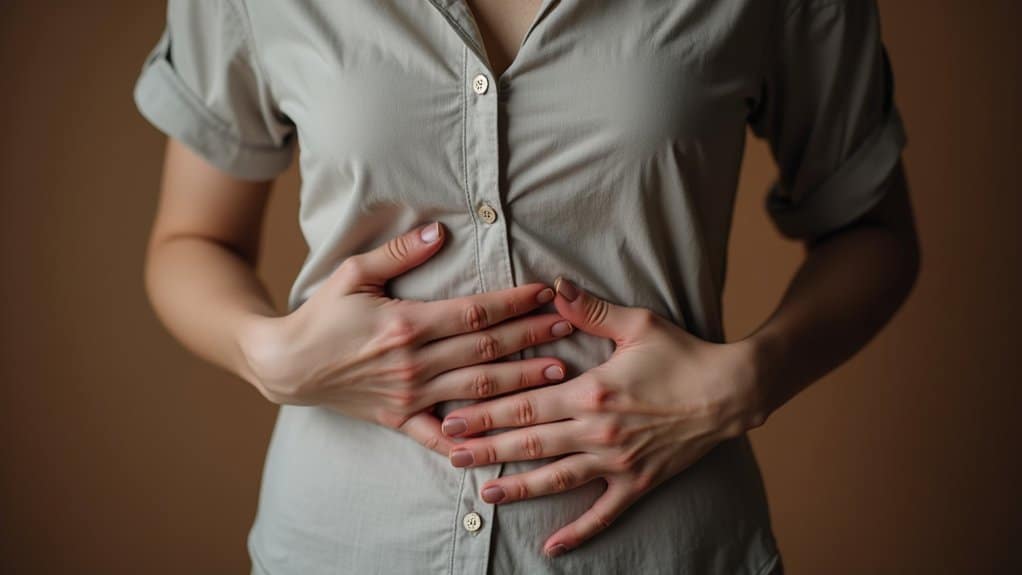
Because anxiety activates the autonomic nervous system along anatomically specific pathways rather than as a diffuse whole-body event, the cramping it produces follows predictable regional patterns that map directly onto the organs and muscle groups most densely innervated by sympathetic and parasympathetic fibers.
Your gut ranks first. The elevated parasympathetic nervous system drives heightened gastrointestinal motility shifts that produce intensified smooth muscle contraction throughout the intestinal wall, creating the knot-in-your-stomach sensation, urgent diarrhea, or constipation cycles that define the mind-body connection digestive pain pathway. Your chest follows, intercostal muscle tension and bronchial constriction mimic cardiac events. Neck, jaw, and shoulder muscles sustain prolonged contraction from increased gamma motor neuron firing. Extremities develop tingling from hyperventilation-induced calcium shifts. Research also confirms that anxiety and menstrual cramps share overlapping prostaglandin and cortisol-mediated mechanisms, augmenting uterine smooth muscle spasm.
Why Anxiety Cramps Feel Like Something More Serious
| Anxiety Mechanism | Mimicked Condition | Shared Pathway |
|---|---|---|
| Hyperventilation → respiratory alkalosis | Cardiac chest pain | Intercostal nociceptor activation |
| Abdominal cramping anxiety via vagal overdrive | Inflammatory bowel disease | Visceral afferent C-fibers |
| Anxiety and pelvic pain from sympathetic spasm | Endometriosis | Hypogastric plexus signaling |
Your nervous system doesn’t label pain by cause. It transmits intensity, location, and duration, making self-diagnosis unreliable and proper differential diagnosis essential.
How Your Brain Makes Anxiety Cramping Worse
The reason anxiety cramping feels indistinguishable from organic pathology isn’t just a peripheral nerve problem, it’s a central amplification problem engineered by specific brain structures that treat pain signals from anxious muscles the same way they’d treat signals from a genuine injury.
Your brain escalates cramping through three key mechanisms:
- Amygdala activation triggers shared threat response circuits that process muscle pain identically to physical trauma, creating feedforward loops between fear and contraction.
- Anterior cingulate cortex hyperactivity drives long-term potentiation that makes cramping signals persistently louder, worsening your pain-anxiety cycle through synaptic changes.
- PACAP neurotransmitter upregulation bridges stress pathways and pain routes via the spino-pabrachiomygdaloid tract, intensifying cramping perception.
This cortical and synaptic dysregulation means your brain isn’t passively receiving cramp signals, it’s actively manufacturing worse ones.
How Common Are Anxiety-Related Cramps, Really?
Although most people assume anxiety-related cramping is a niche complaint affecting a small subset of unusually sensitive individuals, the epidemiological data tell a starkly different story. Approximately 40.2% of adults with chronic pain meet criteria for clinical anxiety, and GAD scores correlate strongly with gastrointestinal symptoms (r = 0.703, p < 0.001). Functional dyspepsia, which produces epigastric cramping without structural pathology, affects 5, 11% of the population and shows direct links to anxiety. Irritable bowel syndrome follows a similar pattern, with stress and anxiety driving intestinal cramping through documented brain-gut pathways.
In the U.S. alone, roughly 12 million adults experience co-occurring chronic pain and significant anxiety. Among them, 69.4% report work limitations and 55.7% note impaired social functioning, confirming that anxiety-related cramping carries measurable, population-level consequences.
7 Ways to Relieve Anxiety Cramping Fast
Every relief strategy that actually works targets a specific mechanism, autonomic hyperactivation, respiratory alkalosis, electrolyte depletion, or smooth muscle spasm, rather than offering vague comfort, and matching the right intervention to the right pathway determines whether cramping resolves in minutes or persists for hours.
- Deep breathing corrects hyperventilation-driven alkalosis within minutes, inhale through your nose, expanding your belly, exhale slowly through your mouth, restoring CO₂ levels and ionized calcium availability.
- Progressive muscle relaxation interrupts gamma motor neuron hyperexcitability by systematically tensing and then releasing each muscle group, resetting spindle sensitivity.
- Physical activity releases endorphins that downregulate sympathetic tone, while natural remedies like magnesium and ginger address electrolyte depletion and smooth muscle spasm directly.
Sustained lifestyle adjustments, reducing caffeine, prioritizing balanced nutrition, practicing daily mindfulness, prevent the neurochemical conditions that generate cramping.
When to See a Doctor About Anxiety Cramping
Because anxiety cramping responds to the specific mechanistic interventions outlined above, persistent cramping that doesn’t resolve with targeted self-care signals either an underlying condition mimicking anxiety-related cramping or an anxiety disorder severe enough to require professional treatment.
Conditions like irritable bowel syndrome, premenstrual syndrome, and chronic stress and gastrointestinal distress produce cramping patterns overlapping with anxiety-driven symptoms. Anxiety and dehydration symptoms can also compound electrolyte imbalances that sustain neuromuscular hyperexcitability.
Knowing when to see a doctor for cramping is critical. Seek evaluation if cramping persists beyond six months, impairs daily functioning, accompanies chest pain or severe shortness of breath, or occurs with confusion, bloody stools, or fever. Emergency evaluation is necessary if you experience sudden numbness, suicidal ideation, or mental status changes alongside cramping episodes.
Healing Starts Here
Your mental health affects more areas of your life than you may realize, and getting the right support can change everything. At Villa Behavioral Health, we provide Mental Health Treatment that gives you the tools and care you need to manage anxiety and restore balance to both your mind and body. Call (833) 302-2533 today and let us help you take control of your mental well-being.
Frequently Asked Questions
Can Anxiety Cramping Wake You up From Sleep at Night?
Yes, anxiety cramping can wake you from sleep. Your sympathetic nervous system stays activated during anxious sleep, increasing gamma motor neuron firing that primes muscles for spontaneous contraction. Hyperventilation-induced respiratory alkalosis drops your ionized calcium, lowering the threshold for involuntary muscle discharge. Cortisol-driven magnesium depletion further destabilizes your resting membrane potential. These mechanisms converge during fragmented sleep stages, triggering painful cramps that pull you into full wakefulness.
Do Certain Foods Make Anxiety-Related Cramping Worse?
Yes, certain foods directly worsen anxiety-related cramping. Caffeine overstimulates your nervous system, depletes B vitamins needed for serotonin production, and triggers diarrhea. Refined sugars spike then crash your blood sugar, releasing adrenaline and cortisol that amplify muscle tension. Processed foods disrupt gut health and neurotransmitter production. Alcohol impairs sleep and increases rebound anxiety. Spicy foods irritate your intestinal lining through capsaicin, worsening smooth muscle cramping, especially if you have IBS.
Can Children Experience Muscle Cramping Caused by Anxiety?
Yes, your child can absolutely experience anxiety-driven muscle cramping. Research shows adolescents with recurrent psychosomatic pain exhibit higher resting muscle activity and amplified startle responses across temporal, trapezoid, pectoral, and abdominal muscles. You’ll notice these cramps intensify before tests or social situations and ease in comfortable environments. Before attributing symptoms to anxiety, you should rule out physical causes like dehydration, low vitamin D, or growth-related conditions with your pediatrician.
Does Anxiety Cramping Get Worse With Age Over Time?
Yes, anxiety cramping can worsen with age, though the trajectory isn’t uniform. Chronic anxiety depletes magnesium over time, progressively lowering your muscles’ threshold for spontaneous contraction. Research shows persistent anxiety carries a 40% greater hazard of mobility limitations, with stair climbing difficulty increasing 60%. However, some physiological differences between anxious and non-anxious individuals actually narrow as you age, suggesting your body’s cramping response may shift rather than simply escalate.
Can Magnesium Supplements Actually Prevent Anxiety-Related Muscle Cramps?
Magnesium supplements may help if you’re genuinely deficient, chronic anxiety depletes magnesium through cortisol-driven urinary excretion and catecholamine-mediated cellular uptake, reducing sodium-potassium ATPase activity and lowering your muscles’ contraction threshold. However, Cochrane evidence shows magnesium doesn’t noticeably reduce cramp frequency in non-deficient populations. You’ll benefit most by testing your serum magnesium first; levels below 0.80 mmol/L justify supplementation, while normal levels suggest you’d respond better to addressing the anxiety itself.