
Nitrous oxide’s legal home uses require strict adherence to federal and state regulations, primarily for culinary applications like whipped cream preparation. You’ll need proper ventilation, temperature control below 30°C, and secure storage away from heat sources. Maintain detailed documentation of purchases and follow manufacturer protocols for equipment operation and maintenance. Regular safety inspections, careful cylinder handling, and proper disposal methods are essential. The following thorough guidelines will guarantee your full regulatory compliance.
Understanding Legal Requirements and Age Restrictions
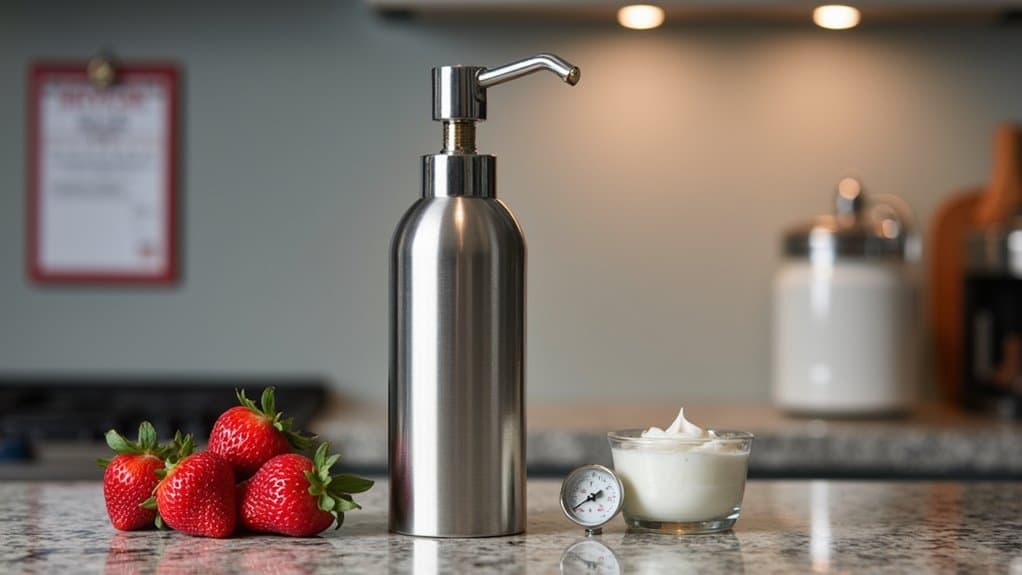
While nitrous oxide has legitimate uses in medical and food applications, strict federal and state regulations govern its possession, sale, and administration. You’ll face recreational use penalties if you possess or use nitrous oxide without proper medical authorization requirements, including up to six months in county jail. The gas is commonly used for surgical procedures by dentists to help manage patient pain. Many substance abusers seek out nitrous oxide due to its cheap availability at convenience stores.
You must understand that California law explicitly prohibits selling or providing nitrous oxide to anyone under the age, except in food products like whipped cream or when administered by licensed medical professionals. The gas is commonly used as a whipped cream propellant in food service applications. If you’re operating a business, you’re required to verify the age before sales, and repeated violations can result in license revocation. You’ll need to maintain proper documentation and guarantee your staff understands these regulations to avoid criminal charges and maintain compliance with state and federal laws.
Safe Storage and Handling Guidelines
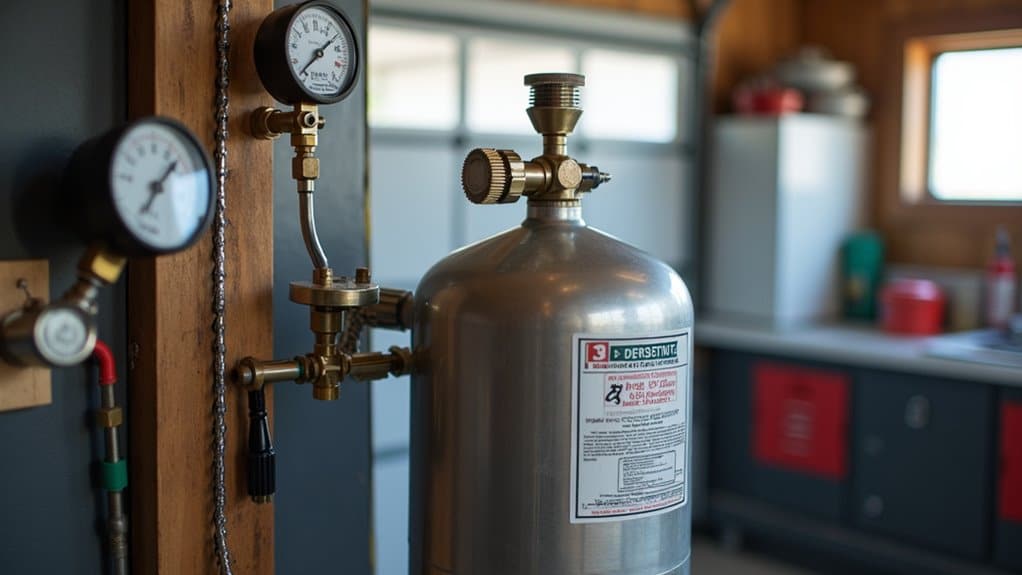
You’ll need to maintain strict ventilation controls when storing nitrous oxide cylinders, ensuring proper air circulation to prevent dangerous gas accumulation and temperature fluctuations.
Your storage area must be equipped with a reliable temperature monitoring system to keep conditions stable and prevent cylinder degradation that could compromise safety. Keep all cylinders away from flammables to prevent potential fire hazards and explosions.
Regular cylinder inspections for signs of damage, corrosion, or pressure loss are essential, and you must replace any compromised equipment immediately following safety protocols. Upright position storage is crucial for cylinder stability and safety, as this prevents potential leaks or accidents. Make sure to keep your full and empty cylinders in separate areas to comply with safety requirements.
Ventilation and Temperature Control
Proper ventilation and temperature control serve as critical safety components when storing and handling nitrous oxide cylinders. You’ll need to maintain consistent ambient temperatures below 30°C while implementing effective gas dispersion techniques through mechanical ventilation or open windows. Your storage area must feature adequate airflow to prevent gas accumulation and reduce asphyxiation risks.
Establish humidity monitoring procedures to keep levels between 40-60%, preventing cylinder corrosion. You should store cylinders in a cool, dry indoor environment away from direct sunlight and heat sources. The area must be a fire-resistant enclosure with proper drainage to ensure maximum safety. Guarantee your ventilation system provides regular air circulation to prevent gas stagnation. Monitor storage temperatures routinely and maintain stable conditions to avoid pressure fluctuations that could compromise cylinder integrity. Don’t store cylinders in areas prone to extreme temperature swings, such as garages or outdoor sheds.
Cylinder Maintenance Essentials
Maintaining nitrous oxide cylinders requires strict adherence to established cleaning protocols and conversion standards. When handling these mixed gas compatibility systems, you’ll need to follow oxygen-compatible cleaning procedures per CGA G-4.1 and ISO 23208 guidelines. It’s crucial to keep moisture sensitive materials protected by thoroughly drying cylinders after cleaning. All cylinder accessories must be cleaned for safe oxygen service before use.
Store your cylinders at least 20 feet from flammable gases, or use non-combustible barriers with a minimum 5-foot height when space is limited. You’ll need to regularly inspect pin index systems, verify seal integrity, and check for proper swivel alignment. Maintain documentation of all cleaning procedures and inspections.
Address any leaks or hissing sounds immediately, as they indicate potential safety hazards. Remember to keep storage areas clearly labeled with appropriate oxidizer warnings.
Proper Equipment Operation and Maintenance
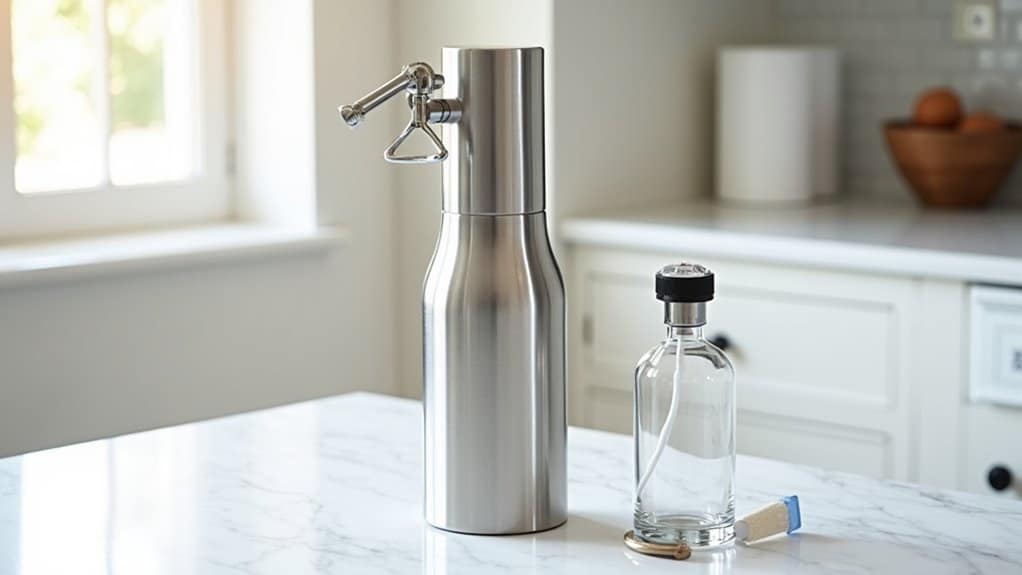
You’ll need to carefully follow manufacturer protocols when setting up your nitrous oxide dispensing equipment, including proper assembly of all components and pressure testing before each use.
Your regular cleaning schedule must include daily inspection of nozzles, weekly sanitization of all removable parts, and monthly deep cleaning of the entire system. Vigorous vertical shaking between each dispense ensures optimal whipped cream consistency. Following these maintenance procedures helps guarantee safe operation while preventing contamination and equipment failure. When administering nitrous oxide, proper setup requires a mask over nose for safe delivery of the gas mixture.
Equipment Setup Steps
Before operating any nitrous oxide equipment, establishing a methodical setup routine guarantees both safety and ideal performance. You’ll need to start by preparing a clean, stable work surface with proper lighting. Validate your oxygen flow consistency by checking that supply levels sustain 5LPM and confirm your vacuum system’s functionality. Ensure the equipment is in good condition before any nitrous oxide installation begins.
When installing cartridges, insert the narrow end upward and listen for a proper seal indicated by a slight hiss. Inspect and test your nozzles to ensure they are free from blockages. Don’t overtighten aluminum threads during assembly. Monitor cartridge refilling intervals carefully, using second cartridges sparingly to prevent excess pressure buildup. Always verify that your fail-safe mechanisms activate when oxygen flow ceases.
For optimal operation, confirm your nozzle fittings accept appropriate jets and maintain your system’s temperature in a cool environment to maximize gas efficiency.
Regular Cleaning Protocol
Proper cleaning protocols serve as the foundation of safe nitrous oxide equipment operation. You’ll need to follow manufacturer guidelines strictly while implementing a systematic cleaning approach. Apply protective barriers before starting, and guarantee proper ventilation throughout the process.
Always spray cleaning solutions onto cloths rather than directly on equipment. Use mild, non-abrasive detergents compatible with your system’s components, avoiding alcohol and bleach. Following manufacturer Instructions for Use is crucial to prevent federal compliance issues. After cleaning, focus on thorough drying to prevent moisture damage. For component-specific care, bear in mind that grey nasal hoods require autoclaving, while white/grey corrugated hoses don’t. Never attempt to clean contaminated vacuum flow gauges replace them immediately. Perform external cleaning with light sweeping motions to protect equipment integrity.
Document all cleaning procedures and validate equipment functionality post-cleaning. Maintain strict records of your cleaning dates and methods to uphold regulatory compliance.
Medical Risks and Health Considerations
While nitrous oxide can be used legally in certain applications, understanding its significant medical risks and health considerations is critical for preventing severe complications. Personal risk factors and compulsive use behaviors can lead to severe neurological, cardiovascular, and psychiatric consequences.
Proper awareness of nitrous oxide’s medical risks and personal risk factors helps prevent dangerous neurological, cardiovascular and psychiatric complications.
Key dangers you must be aware of include:
- Irreversible brain and nerve damage from B12 depletion, causing numbness, limb spasms, and potential permanent motor dysfunction
- Acute oxygen deprivation leading to unconsciousness, seizures, and potential organ failure
- Psychological impacts including hallucinations, depression, and dependency risks
You’ll need immediate medical attention if you experience tingling in extremities, disorientation, or difficulty maintaining balance. These symptoms may indicate serious neurological complications that require professional intervention.
Emergency Response Protocols
Rapid and precise emergency response protocols must be implemented whenever nitrous oxide incidents occur, as proper handling can mean the difference between minor disruption and catastrophic outcomes. Establish a proper notification protocol that includes immediate evacuation of untrained personnel and activation of emergency services when necessary.
Maintain continuous gas monitoring throughout the incident response. If containers are involved in fire, use water spray to keep them cool, as they may explode under heat. Don’t attempt firefighting without proper training. For exposure incidents, remove affected individuals from the area immediately and seek medical attention. Guarantee adequate ventilation of affected areas and stop gas flow if possible. Medical monitoring should continue for 48 hours post-exposure to watch for delayed symptoms.
Regulatory Compliance and Documentation
You’ll need to maintain thorough records of your state-issued permits and intended use documentation, storing them in a fire-resistant container for a minimum of three years. Your documentation must include detailed logs of purchase dates, quantities, and specific applications, with all records readily accessible during unannounced regulatory inspections.
State guidelines typically require annual safety inspections of your storage facilities, with documentation of any corrective actions taken to address identified compliance issues.
Required State Permits
Since regulations governing nitrous oxide vary considerably by jurisdiction, you’ll need to verify your state’s specific permit requirements before acquiring or using this substance. Required state documentation and mandatory licensing procedures differ greatly, with eight states classifying possession as misdemeanors and two states imposing felony charges.
You’ll need to comply with these essential requirements:
- Obtain proper medical licensing if you’re a healthcare provider administering nitrous oxide professionally
- Secure necessary permits for storage and handling of medical-grade equipment and containers
- Document proof of legitimate medical use, including prescriptions or supervised administration protocols
Be aware that recreational use remains prohibited across jurisdictions, and local ordinances may impose additional limitations beyond state regulations. Always maintain current documentation to demonstrate compliance with applicable state laws.
Documentation Storage Rules
Maintaining detailed documentation represents a critical compliance requirement for nitrous oxide storage and handling. You’ll need to establish strict record retention policies covering safety inspections, inventory reconciliation, and shipping procedures for at least three years.
Store all documentation in a fire-resistant cabinet, including daily temperature logs (10-30°C range), humidity readings, and cylinder inventory records. You must maintain current certifications for your fire compartment’s 60-minute rating and fire suppression systems. Keep emergency response plans readily accessible, along with training records for personnel handling the gas.
Ensure your files contain updated hazardous waste disposal documentation, transport certifications, and inventory reconciliation reports. You’re required to maintain clear records of cylinder batch numbers, expiration dates, and usage history for regulatory compliance and audit purposes.
Annual Inspection Guidelines
Regular inspections serve as the cornerstone of regulatory compliance for nitrous oxide systems, requiring thorough documentation and adherence to established protocols. Your gas distribution system maintenance must align with NFPA 99 standards, incorporating yearly testing of outlets, alarms, and zone valves.
Your annual inspection checklist should include:
- Component verification: Test all pressure gauges, flow meters, and emergency shut-off valves for proper functionality
- Cylinder exchange program documentation: Record dates, serial numbers, and pressure readings for all tank replacements
- Safety system validation: Confirm proper operation of monitoring equipment, ventilation systems, and leak detection devices
Maintain detailed digital records of all inspections, including photographs of equipment conditions, test results, and any corrective actions taken. Store these records in cloud-based systems for easy accessibility during regulatory audits.
Best Practices for Home Culinary Applications
Several critical best practices guarantee the safe and effective use of nitrous oxide in home culinary applications. When mixing ingredient compatibilities, you’ll achieve ideal texture properties by following strict protocols. Always use food-grade stainless steel siphons and fill them appropriately before charging with N2O cartridges.
| Operation | Requirement | Safety Check |
|---|---|---|
| Charging | One cartridge per cycle | Check pressure gauge |
| Loading | Fill to marked line | Verify seal integrity |
| Dispensing | Test small amount initially | Monitor consistency |
| Cleaning | Warm water rinse | Inspect components |
| Storage | Cool, dry location | Validate expiration |
You must maintain your equipment regularly, sanitizing all components after each use. For utmost results, test recipes in small batches and avoid over-aerating your mixtures. Remember to store cartridges upright and keep them away from children’s reach.
Responsible Disposal Methods
Proper disposal of nitrous oxide containers demands strict adherence to local regulations and safety protocols. When you’re ready to discard empty canisters, contact your local recycling options to confirm proper cylinder handling requirements. Most municipalities offer specialized disposal programs through Household Hazardous Waste facilities or authorized scrap metal recyclers.
For safe disposal, follow these critical steps:
- Store empty containers in a cool, ventilated area away from heat sources and direct sunlight
- Transport canisters securely without crushing, puncturing, or damaging their structural integrity
- Separate plastic components from metal bodies before submitting to recycling centers
Never attempt to refill or modify cylinders, as this poses serious safety risks. If local options are limited, consult with licensed hazardous waste disposal companies or investigate supplier return programs for professional handling.
Identifying Warning Signs of Misuse
Monitoring for signs of nitrous oxide misuse requires vigilant observation of physical, behavioral, and environmental indicators. You’ll need to watch for medical intoxication warning signs that may indicate improper use. If you observe these patterns, substance abuse treatment resources should be consulted immediately.
| Warning Category | Key Indicators to Monitor |
|---|---|
| Physical Signs | Slurred speech, dizziness, bluish skin |
| Behavioral Changes | Mood swings, hallucinations, secretive actions |
| Usage Patterns | Frequent purchases, improper equipment use |
| Environmental Clues | Empty cartridges, unauthorized balloons/bags |
You should note neurological symptoms like unsteady gait, memory issues, or tingling extremities. Watch for escalating usage patterns, including frequent non-culinary purchases or combination with other substances. Don’t ignore environmental red flags such as unexplained gas odors or improper disposal of supplies.
Reporting Procedures and Legal Obligations
Understanding and complying with nitrous oxide reporting requirements demands strict adherence to federal, state, and workplace regulations. You’re legally obligated to report any unplanned releases, spills, or misuse incidents to relevant authorities while following established protocols for environmental remediation after spills.
When incidents occur, you must:
- Contact emergency services immediately at the initial sign of a leak or accidental release
- Notify local regulatory agencies if contamination affects soil, water, or air quality
- Document all coordination with regulatory agencies, including OSHA if workplace exposure limits are exceeded
For suspected misuse cases, you’ll need to contact the SAMHSA helpline at 1-800-662-4357. Remember, you’re required to maintain detailed records of any incidents and subsequent remediation efforts, particularly when implementing spill prevention and containment measures.
Frequently Asked Questions
How Long Does Nitrous Oxide Stay Fresh in a Sealed Whipped Cream Dispenser?
In a properly sealed whipped cream dispenser, you’ll find nitrous oxide remains stable for 2-3 days when refrigerated at 40°F (4°C). The storage duration depends heavily on maintaining consistent temperature and seal integrity.
For ideal results, you’ll need to check the dispenser’s seals regularly and follow usage precautions like shaking before each use. If you notice any leaks or compromised seals, you should discontinue use immediately.
Can Nitrous Oxide Cartridges Be Used for Carbonating Beverages at Home?
You shouldn’t use nitrous oxide cartridges for home carbonation methods, as they’re specifically designed for whipped cream dispensers. N2O doesn’t dissolve effectively in beverages like CO2 does, and attempting this could damage your equipment or cause dangerous pressure buildup.
Instead, you should use proper CO2 carbonation systems designed for beverages. Using N2O for carbonation also presents recreational nitrous oxide risks and potential equipment compatibility issues.
What Certifications Should Professional Culinary Suppliers Have When Selling Nitrous Oxide?
You’ll want to verify that your culinary nitrous oxide supplier holds essential certifications including ISO 22000 or FSSC 22000 for food safety regulations. They must maintain FDA compliance and HACCP certification for food-grade gas production.
Check that they’ve implemented proper storage procedures following local compressed gas regulations. Guarantee they hold state-specific distribution licenses and can provide documentation of regular third-party safety audits and batch traceability records.
How Many Whipped Cream Chargers Are Typically Needed per Liter of Cream?
You’ll need 2 whipped cream chargers (8g N2O each) per liter of cream to preserve the appropriate whipped cream to nitrous oxide ratio. Each charger effectively aerates 0.5 liters, so doubling is necessary for proper volume and consistency.
For unused nitrous oxide chargers, safeguard proper storage in a cool, dry place away from direct sunlight and heat sources. Always maintain this 2:1 charger-to-liter ratio for perfect results.
Are There Special Cleaning Requirements for Whipped Cream Dispensers Between Uses?
You’ll need to clean your whipped cream dispenser thoroughly after each use to maintain food safety and ideal performance. Start by fully discharging remaining gas, then disassemble all components and wash with warm, soapy water.
Focus on proper storage practices by ensuring all parts are completely dry before reassembly. Perform regular maintenance checks on gaskets and valves, replacing any worn parts. Never skip cleaning steps between uses to prevent bacterial growth.