
Safe home use of nitrous oxide requires strict adherence to FDA-approved equipment and protocols. You’ll need proper ventilation, certified food-grade dispensers, and appropriate safety gear including gloves and eyewear. Always inspect seals and components before use, maintain consistent pressure control, and store cylinders in temperature-controlled, fire-resistant areas. Follow your state’s legal requirements for possession and documentation. Understanding the complete safety framework will guarantee exemplary culinary results while minimizing risks.
Understanding Nitrous Oxide in Food Preparation
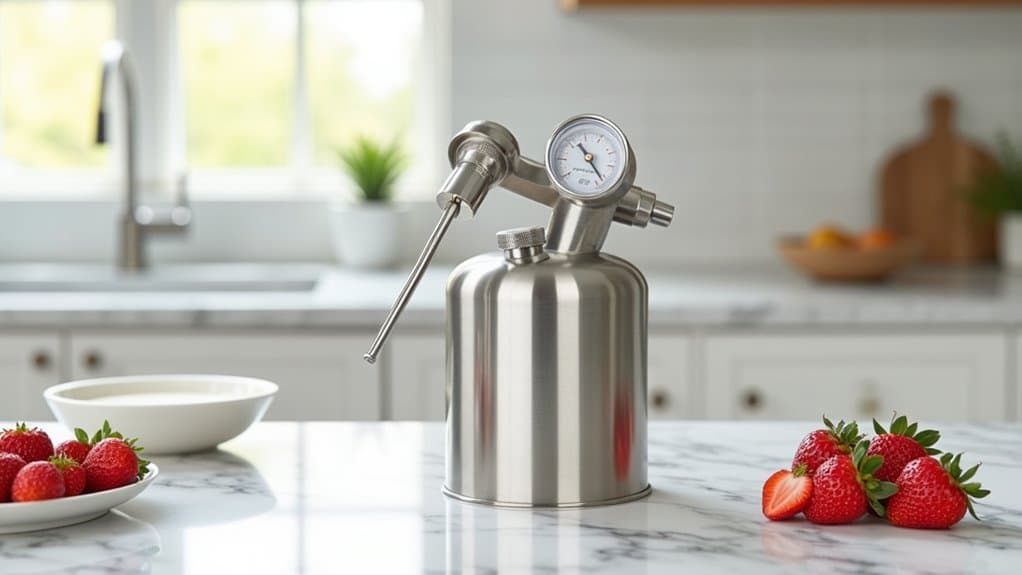
While nitrous oxide has numerous industrial applications, its role in food preparation centers specifically on creating aerated textures and stabilizing whipped ingredients. When you use nitrous oxide in your culinary endeavors, you’ll find it excels at two primary functions: instant whipping and flavor preservation. Using a properly designed dispenser is essential for safe operation and optimal results.
The gas creates precise pressure that’s essential for producing delicate foams, mousses, and perfectly whipped cream. It’s important to note that FDA approval is necessary for any nitrous oxide used in food applications. For optimal results, you should select food-grade cylinders that match your dispenser’s specifications.
The culinary benefits of nitrous oxide extend beyond its whipping applications. You’ll notice it helps maintain freshness by displacing oxygen in containers, which prevents oxidation and preserves the original flavors of your preparations. It’s pivotal to understand that these effects are achieved through specialized culinary-grade equipment designed specifically for food preparation, ensuring both safety and ideal results in your kitchen.
Legal Requirements and Compliance
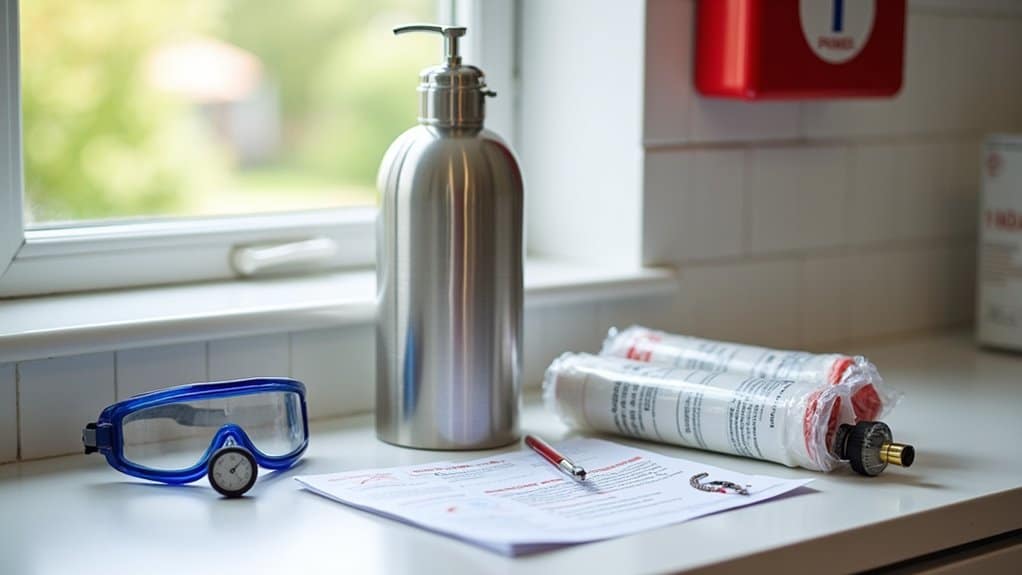
Understanding the legal framework around nitrous oxide requires careful attention, as regulations vary noticeably across jurisdictions. While federal law permits possession, you’ll need to abide by state-specific restrictions that govern its use, particularly for food preparation purposes.
In Florida, possession or distribution of more than 16g of nitrous oxide is considered a felony offense. Most states classify unauthorized possession or sale of nitrous oxide for recreational use as a misdemeanor.
You must guarantee you’re obtaining nitrous oxide through legitimate channels that follow distributor reporting requirements and maintain proper documentation. If you’re purchasing from retail outlets, they’re required to implement consumer maturity verification processes, and you may need to demonstrate legitimate culinary use. The FDA closely regulates the sale of nitrous oxide intended for human consumption. Never attempt to acquire nitrous oxide for recreational purposes, as this violates state laws nationwide.
Keep records of your purchases and intended use, particularly for larger quantities. Bear in mind that sellers are legally obligated to screen buyers and may request documentation of your intended culinary application.
Essential Safety Protocols
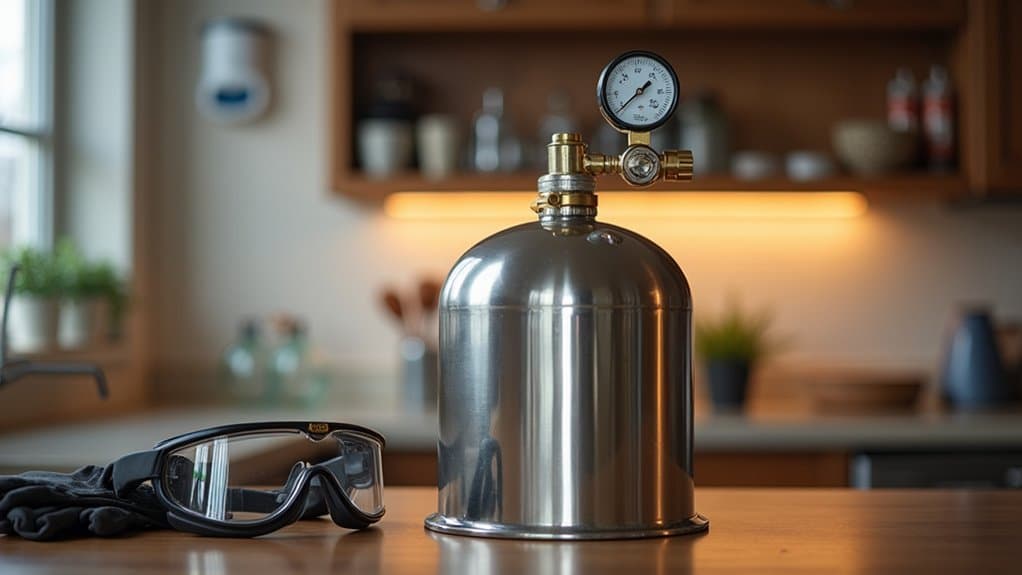
Maintaining proper safety protocols vastly reduces risks when using nitrous oxide at home. You’ll need to follow strict ventilation requirements, maintain safe storage practices away from heat sources, and use appropriate protective equipment during handling.
These essential protocols form the foundation for preventing accidents and ensuring responsible use of the substance.
Proper Ventilation Requirements
The safe use of nitrous oxide in home settings demands rigorous ventilation protocols to prevent dangerous gas accumulation. You’ll need to maintain 12-15 air changes per hour through mechanical ventilation systems, with proper ambient air circulation and temperature monitoring throughout your treatment space. Store nitrous oxide tanks in fire-resistant rooms designed specifically for medical gas storage.
Install an active scavenging system that draws 45 liters per minute of vacuum at the mask to capture waste gases. Your exhaust vents must direct all gases outside, away from windows and air intakes, and you can’t recirculate this air through your HVAC system. Every system must include a vacuum pump and flowmeter to ensure proper gas scavenging and monitoring.
Position local exhaust hoods near emission sources and guarantee you’re not blocking airflow between the patient and exhaust ducts. If ambient N2O levels exceed 25 ppm, you’ll need supplemental ventilation equipment to sustain safe concentrations in your workspace.
Storage Away From Heat
Safe home storage of nitrous oxide directly impacts both ventilation effectiveness and gas stability. Following proper storage regulations requires maintaining fire-resistant compartments and keeping cylinders away from any heat sources that could trigger dangerous pressure increases or explosions. Having proper ventilation systems is crucial to disperse any potential gas leaks and maintain safety.
Key maintenance recommendations include storing cylinders in temperature-controlled areas between 50-70°F, using designated fire-resistant storage compartments with 60-minute fire ratings, and keeping tanks at least 10 feet from combustible materials. You’ll need to install smoke detectors, carbon monoxide alarms, and keep Class B fire extinguishers nearby. High pressure gas within nitrous oxide cylinders makes proper storage essential for preventing accidents and injuries. Since nitrous oxide is a non-flammable gas, it can be safely stored with other medical gases like medical air and carbon dioxide. Always secure cylinders vertically in proper brackets, conduct weekly inspections for damage, and maintain clear labeling of storage areas. Proper storage guarantees oxidizer risks prevention and additionally ensures ideal gas stability and safety compliance.
Protective Equipment Guidelines
Proper protective equipment serves as your primary defense against nitrous oxide exposure risks during home use. You’ll need chemical-resistant gloves that meet safety standards, along with protective eyewear featuring splash guards during cartridge changes. These items help prevent cross contamination precautions while handling equipment.
Select a properly fitted respirator that’s certified for gas exposure, and guarantee you’re trained in its use. Personal mobility restrictions shouldn’t compromise your ability to quickly remove protective gear in emergencies.
Keep your clothing free of oil and grease to avoid dangerous chemical reactions. Monitor your gear’s condition regularly – replace gloves immediately if they show signs of damage or gas exposure. Always verify your equipment’s integrity before each use to maintain ideal protection levels.
Proper Equipment Selection and Maintenance
You’ll need a complete nitrous oxide system that includes flowmeters, reservoir bags, and properly rated connectors with emergency oxygen compatibility.
Your daily maintenance routine must include inspecting all seals and components for wear, paying special attention to rubber parts and connection points for potential leaks or damage.
Following manufacturer guidelines, you’re required to maintain detailed records of equipment checks, calibration schedules, and replacement of single-use components like nasal hoods. When selecting a system, consider that a centrally plumbed system offers greater flexibility with multiple room access compared to portable units.
Essential Dispenser Components Required
When assembling a nitrous oxide dispenser system, selecting the right components guarantees both functionality and safety compliance. Understanding nitrous oxide regulations requires careful attention to equipment certification and compatibility standards. Your system needs five essential components that meet strict safety requirements.
| Component | Safety Feature | Certification Required |
|---|---|---|
| Pressure Regulator | Flow Control | CE/FDA Approved |
| Whipper/Dispenser | Release Valve | Food-Grade Certified |
| N2O Cartridges | Pierce Mechanism | Industry Standard |
| Connecting Hoses | Leak Prevention | Pressure-Rated |
| Tank Housing | Steel Construction | Safety Tested |
Each component must meet specific quality standards, with pressure regulators and safety release valves being particularly critical. Verify all parts feature industry-standard threading and proper compatibility with your chosen N2O cartridge size. Always check food-grade certification and proper pressure ratings before assembly.
Regular Maintenance Schedule Checklist
Regular maintenance of nitrous oxide equipment requires a systematic approach to guarantee safe and reliable operation. You’ll need to conduct quarterly inspections of all components, including electrical system upgrades when necessary, and perform gas flow calibration using certified devices.
Test high-pressure lines with non-oil-based soap solution to detect leaks, paying special attention to threaded pipe fittings and connectors. You must maintain a continuous scavenging airflow of 45 LPM and verify pump performance regularly. Replace worn masks, O-rings, and gaskets promptly to prevent system failures.
Check supply line connections quarterly, ensuring proper Teflon tape application on threaded fittings only. Store tanks upright in ventilated areas and monitor pressure levels consistently. Address any leaks immediately by replacing affected components or entire tanks if problems persist.
Checking Seal Integrity Daily
Daily seal integrity checks serve as the cornerstone of safe nitrous oxide equipment operation, requiring both systematic visual inspection and basic pressure testing. You’ll need to perform quick visual inspections of all connectors, threads, and seals, looking carefully for signs of wear, cracks, or damage. Listen for any hissing sounds and feel around connections for escaping gas.
Apply a food-grade soap solution to valves and connections, watching for bubble formation that indicates leaks. Remember to thoroughly dry the areas before testing to avoid false readings. Include routine cylinder weighing in your daily checks to detect slow leaks. If you spot any irregularities, don’t attempt repairs yourself – immediately discontinue use and contact a qualified technician. Document all inspections to maintain a reliable maintenance history.
Step-by-Step Usage Guidelines
Safe operation of nitrous oxide equipment requires a systematic approach to minimize risks and guarantee ideal/perfect/superior performance. Begin by inspecting your dispenser’s integrity, ensuring all gaskets and seals are intact. You’ll need to position your equipment in a well-ventilated area and verify you’re using only manufacturer-approved chargers.
For proper gas flow control, insert the charger and activate it once per dispensing operation. Don’t force the mechanism or override safety features. You’ll want to regulate pressure through controlled trigger activation, maintaining consistent output without exceeding recommended limits. Consumer education emphasizes the importance of taking breaks between uses and never inhaling released gases.
Monitor your dispensing technique and watch for signs of over-pressurization. When you’re finished, purge residual gas before storage and document your maintenance activities in accordance with safety protocols.
Recognizing Warning Signs and Risks
Understanding warning signs associated with nitrous oxide use enables swift identification of potential complications before they become severe. Being aware of preventable health hazards helps you recognize when to seek immediate medical attention and reduce increased vulnerability risks.
Watch for these critical warning indicators:
- Persistent tingling or numbness in your hands and feet, signaling potential nerve damage
- Unexplained dizziness, headaches, or irregular heartbeat suggesting oxygen deprivation
- Memory problems or difficulty concentrating that weren’t present before use
- Mood changes, including new onset of depression or paranoid thoughts
- Physical coordination issues or unexpected muscle weakness
If you experience any of these symptoms, stop use immediately and consult a healthcare provider. Early intervention can prevent permanent neurological damage and other severe complications from chronic exposure.
Emergency Response Procedures
A well-prepared emergency response plan serves as your essential lifeline when nitrous oxide complications arise. You’ll need to act promptly by immediately stopping N2O administration and removing the nasal mask. Begin monitoring oxygen levels through your pulse oximeter and multi-parameter monitor while ventilating the room.
If you’re managing unconsciousness or detecting unstable critical signs, deliver supplemental oxygen through a nasal cannula or mask, and contact emergency services without delay. Keep your emergency equipment, including oxygen tanks and primary aid supplies, readily accessible.
You must document all incidents and responses in your incident log, followed by a thorough medical evaluation even if symptoms resolve. After any emergency, conduct a detailed review of the incident to update your protocols and prevent future complications.
Storage and Handling Best Practices
While emergency preparedness focuses on response protocols, proper storage and handling practices help prevent incidents before they occur. Maintaining cylinder pressure control requires careful attention to environmental conditions and storage methods. You’ll need to establish a dedicated storage area accessibility plan that prioritizes safety while ensuring convenient authorized access.
Essential storage and handling requirements include:
- Store cylinders upright in a well-ventilated area between 50-77°F
- Keep storage locations away from heat sources, direct sunlight, and flammable materials
- Secure cylinders using appropriate racks or brackets to prevent tipping
- Maintain clean, dry handling conditions and use manufacturer-approved dispensers
- Conduct regular inspections for leaks, damage, or expired cylinders
These practices help maintain product integrity while minimizing risks associated with improper storage or handling procedures.
Frequently Asked Questions
Can Nitrous Oxide Cartridges Be Recycled With Regular Household Metal Waste?
You shouldn’t dispose of nitrous oxide cartridges with regular household metal recycling without initial checking your local regulations. Proper disposal methods vary by municipality – some areas require disposal at specialized HHW facilities or scrap metal centers due to potential safety concerns.
You’ll need to fully discharge the cartridges and verify they’re empty before recycling. Contact your local waste management authority for specific guidelines.
How Long Does Whipped Cream Stay Stable After Using Nitrous Oxide?
When stored in a proper whipped cream dispenser, your nitrous oxide-charged cream can remain stable for up to 3 months under refrigeration. You’ll get ideal shelf life if you keep it at or below 40°F (4°C).
Without a dispenser, even with cartridge use, you should consume the whipped cream within 24 hours. Watch for signs of spoilage like texture changes or off-odors, and always maintain strict hygiene practices during preparation.
Does Altitude Affect the Pressure and Performance of Nitrous Oxide Cartridges?
Yes, altitude vastly affects nitrous oxide cartridge performance. You’ll notice diminished effectiveness as barometric pressure decreases at higher elevations.
Ambient temperature variation also impacts cartridge pressure – warmer temperatures increase internal pressure while cooler temperatures decrease it. For ideal performance, you’ll need to account for both factors: at high altitudes, cartridges deliver less pressure due to lower atmospheric pressure, and you may need to adjust dosing accordingly.
What Causes Some Dispensers to Make a Whistling Sound During Use?
Your dispenser’s whistling sound typically occurs due to uneven valve positioning or improper cartridge insertion, which creates irregular gas flow patterns.
When you haven’t fully secured the charger or aligned components correctly, gas escapes through narrow openings at high velocity, producing a whistle effect.
You’ll also hear this noise if there’s partial blockage from cream residue or if your gasket seals aren’t properly maintaining pressure during operation.
Why Do Some Recipes Require Multiple Cartridges for the Same Amount?
You’ll need multiple cartridges when ingredient quantity variations affect gas absorption rates. Different recipes may require more nitrous oxide to achieve proper aeration for example, denser mixtures or those with higher fat content need supplementary gas to create the desired texture.
Your cartridge refill practices should account for these variations, as a single cartridge mightn’t provide sufficient pressure to properly aerate certain ingredient combinations.