
To safely dispose of unused Suboxone, initial check for local DEA-authorized collection sites or pharmacy take-back programs in your area. If take-back options aren’t available, follow FDA guidelines by flushing tablets down the toilet to prevent misuse. As a final resort, mix tablets with unpalatable substances like coffee grounds in a sealed container before placing in household trash. Proper handling of this controlled substance involves supplementary vital safety measures and disposal protocols.
Take-Back Programs: The Safest Disposal Option
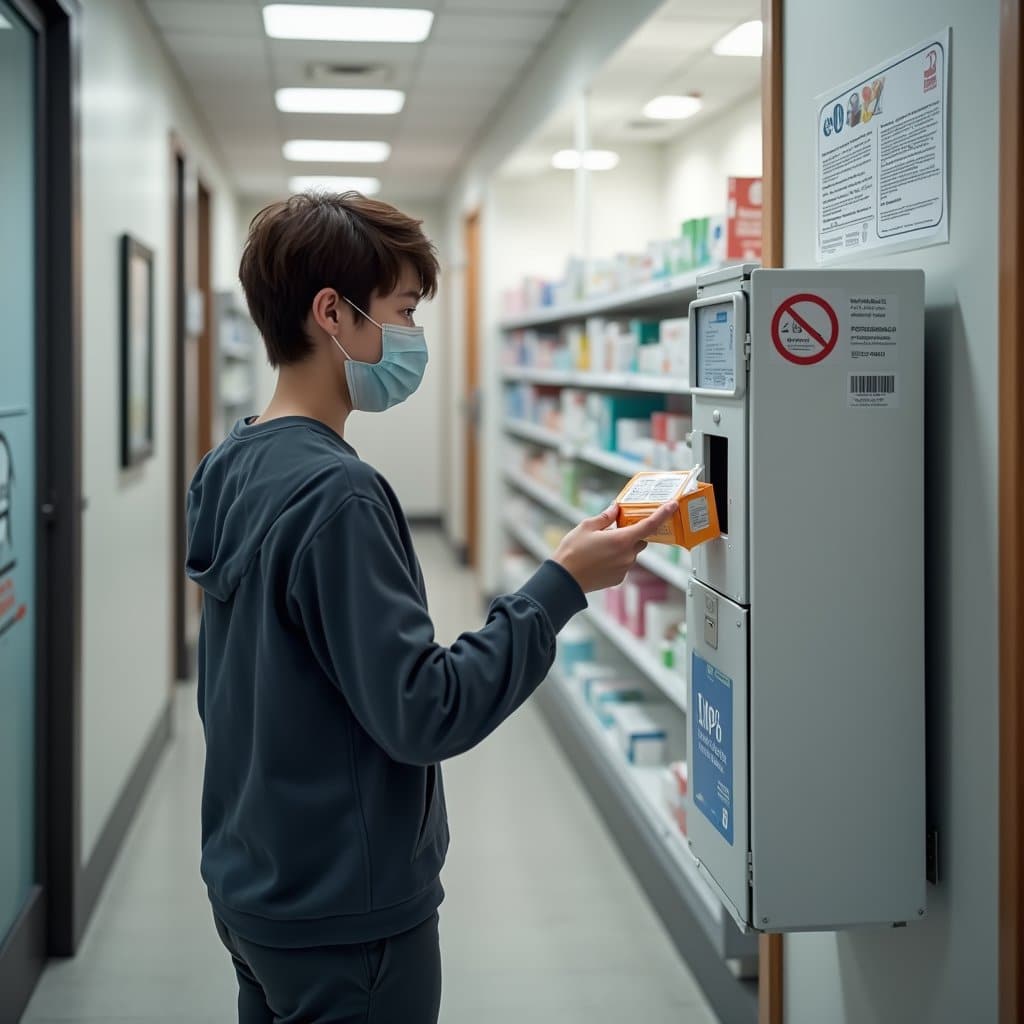
Safety and security make prescription take-back programs the most reliable method for disposing of unused Suboxone. The DEA’s authorized collection sites provide medication storage security and guarantee proper handling procedures through controlled disposal protocols. You’ll find year-round drop-off locations by using the DEA’s search tool with your zip code or city.
You can participate in biannual DEA Take Back Days or visit partnering pharmacies that maintain permanent collection containers. These programs follow a no-questions-asked policy, safeguarding your privacy while preventing environmental contamination. Keep your Suboxone in its original packaging when bringing it to collection sites. Proper disposal is especially important since Suboxone contains naloxone and buprenorphine which help prevent opioid misuse.
If you can’t access a drop-off location, mail-back options include prepaid envelopes specifically designed for controlled substances. Local law enforcement offices and healthcare facilities often serve as additional collection points.
Proper Flushing Methods When Take-Back Isn’t Available
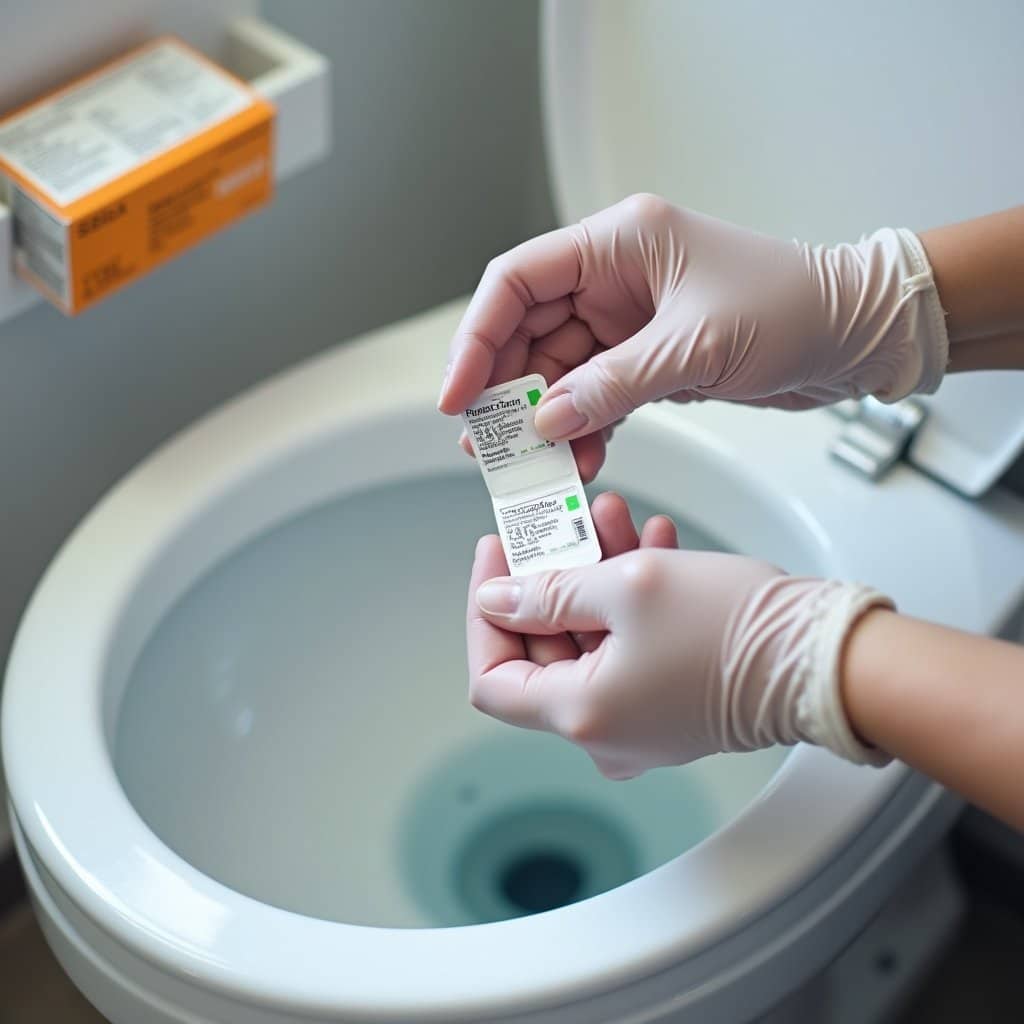
The FDA’s flush list specifically identifies Suboxone as a medication that should be flushed down the toilet when take-back programs aren’t accessible. While medication drop off sites remain the preferred disposal method, proper flushing provides a secure alternative when necessary. Since Suboxone contains buprenorphine and naloxone, careful disposal is essential to prevent misuse or accidental exposure. Physical dependence can develop with this medication, making proper disposal critical for preventing unauthorized access.
| Step | Action | Safety Note |
|---|---|---|
| 1 | Remove patches from packaging | Wear gloves |
| 2 | Fold adhesive sides together | Avoid skin contact |
| 3 | Flush immediately | Don’t store beforehand |
| 4 | Confirm complete disposal | Watch until gone |
| 5 | Document disposal | Record date/amount |
Despite environmental concerns, the FDA determines that the risk of accidental exposure outweighs potential ecological impact. If you’re unable to access disposal sites, follow these flushing steps precisely to guarantee safe elimination of unused Suboxone.
Essential Safety Measures for Secure Disposal

Beyond proper flushing methods, implementing thorough safety protocols guarantees Suboxone disposal remains secure and compliant with federal regulations. Start by establishing protective storage measures, keeping unused medication in locked containers away from children and pets until disposal. Expired medications should be disposed of without delay to prevent potential misuse. Don’t rely on household hazardous waste disposal facilities, as they typically won’t accept controlled substances.
When you’re ready to dispose, remove all personal information from packaging and mix pills with deterrent materials like coffee grounds or cat litter. Never crush tablets, as this can release toxic powder. Place the mixture in a sealed container before adding to household trash.
If you’re dealing with sharps, use FDA-approved containers and follow local disposal guidelines. Consider utilizing pharmacy take-back programs or DEA collection events for the most secure disposal option.
Frequently Asked Questions
Can I Give Unused Suboxone to Someone Else With an Opioid Addiction?
No, you can’t give your unused Suboxone to anyone else, even if they’ve an opioid addiction. It’s illegal to share controlled substances and puts both you and the recipient at serious risk.
Proper medication handover must occur through licensed medical professionals only. For responsible addiction treatment, direct people to SAMHSA’s treatment locator (1-800-662-4357) where they can get supervised, legal care with appropriate medical monitoring.
How Long Can I Store Suboxone Before It Becomes Unsafe to Use?
You should use Suboxone before its printed expiration date when stored properly. Keep it at the proper storage temperature between 59°F-86°F (15°C-30°C) in its original packaging. As a controlled substance, regulations require you to maintain its integrity by avoiding moisture, heat, and light exposure.
While the medication doesn’t immediately become unsafe after expiration, its effectiveness can’t be guaranteed, and you’ll need to consult your healthcare provider for guidance.
What Happens if My Pet Accidentally Ingests Discarded Suboxone?
If your pet ingests Suboxone, it’s a medical emergency requiring immediate veterinary care. Common symptoms include severe respiratory depression, agitation, and vomiting in dogs, while cats may show increased heart rate and behavioral changes.
Don’t induce vomiting without professional guidance. Your vet may administer activated charcoal, provide IV fluids, or oxygen therapy depending on symptoms. Quick action is essential contact emergency veterinary services immediately to prevent potentially fatal complications.
Should I Crush or Dissolve Suboxone Films Before Disposal?
You shouldn’t crush or dissolve Suboxone films before disposal. The FDA explicitly warns against altering medication forms prior to disposal, as this can increase risks of accidental exposure or tampering.
Even if films might slowly dissolve naturally, don’t manipulate their form yourself. Instead, follow proper disposal methods like DEA take-back programs or secure trash disposal by mixing intact films with undesirable substances in a sealed container.
Can I Recycle the Empty Suboxone Packaging Materials?
You can’t recycle empty Suboxone packaging due to its foil-plastic composite materials and potential drug residue contamination. To dispose of packaging properly, initially remove all personal information, then place it in your household trash sealed in a container.
Don’t add it to regular recycling bins FDA and DEA regulations classify this as pharmaceutical waste requiring secure disposal. Local poison control centers can provide specific disposal guidelines for your area.