
Your opened Suboxone medication will typically maintain stability for about six months after breaking the original seal in 2025, though proper storage can extend this timeline. You’ll need to store it at room temperature (68-77°F), away from moisture and direct sunlight, in its original packaging. Beginning in 2025, you can receive up to a six-month initial supply through telemedicine consultations. Understanding proper storage protocols will greatly impact your medication’s long-term effectiveness.
Understanding Suboxone’s Shelf Life
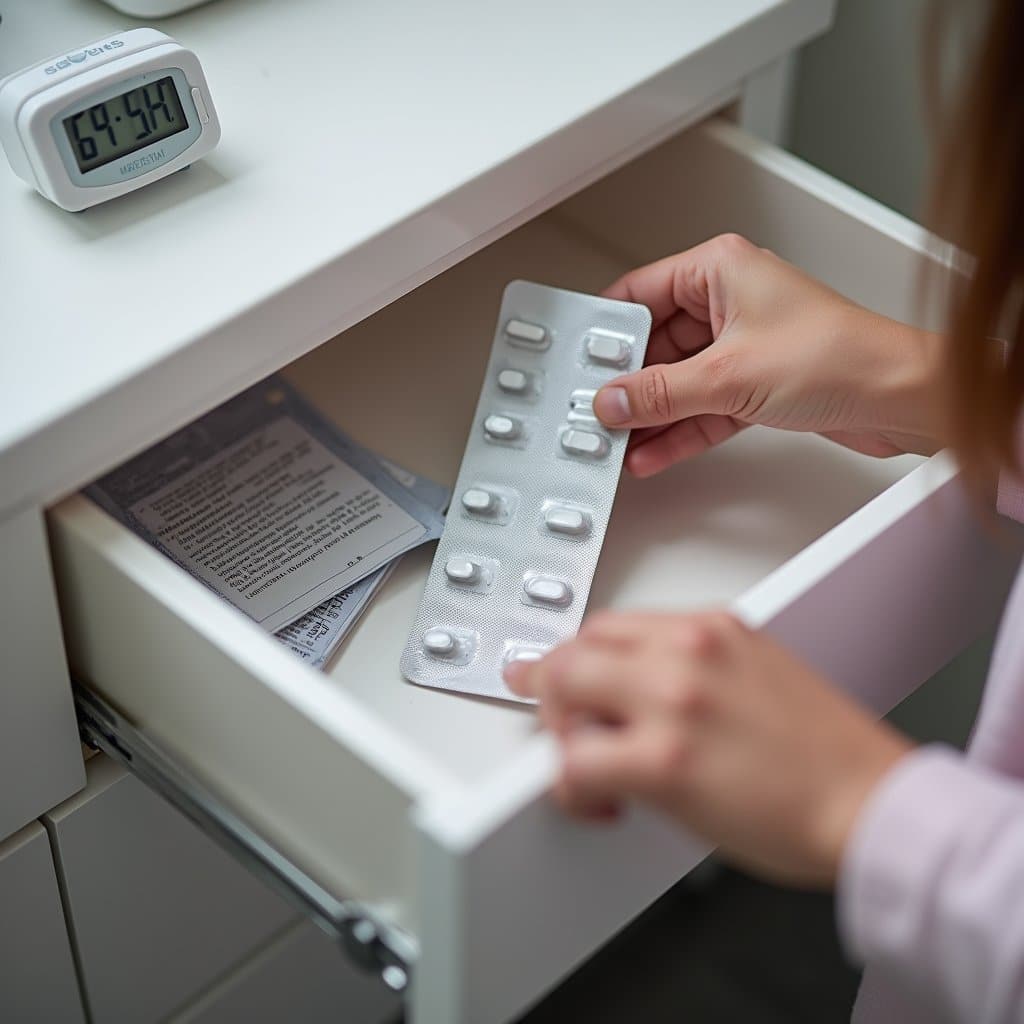
While Suboxone’s effectiveness depends heavily on proper storage and handling, understanding its shelf life is essential for both patients and healthcare providers. The medication degradation timeline typically spans about six months after first opening, though this can vary based on several critical factors.
You’ll need to consider that improper handling effects can dramatically reduce Suboxone’s stability. The drug’s viability is particularly sensitive to environmental conditions, including temperature fluctuations between 59-86°F, exposure to light, and air contact. For sublingual films, these factors become even more crucial as they’re generally less stable than tablet formations once exposed to air. Studies show that the sublingual film’s acidity of 3.4 pH can affect both the medication’s stability and dental health. Recent evidence has shown that the oral film version has been linked to severe tooth decay in many patients. With the final buprenorphine rule taking effect in March 2025, patients will have more access to telemedicine prescriptions while still needing to follow proper storage guidelines.
To maintain the best effectiveness, you must follow manufacturer guidelines strictly, checking package instructions for specific expiration details and storing your medication in controlled conditions to prevent premature degradation.
Key Storage Requirements for Stability
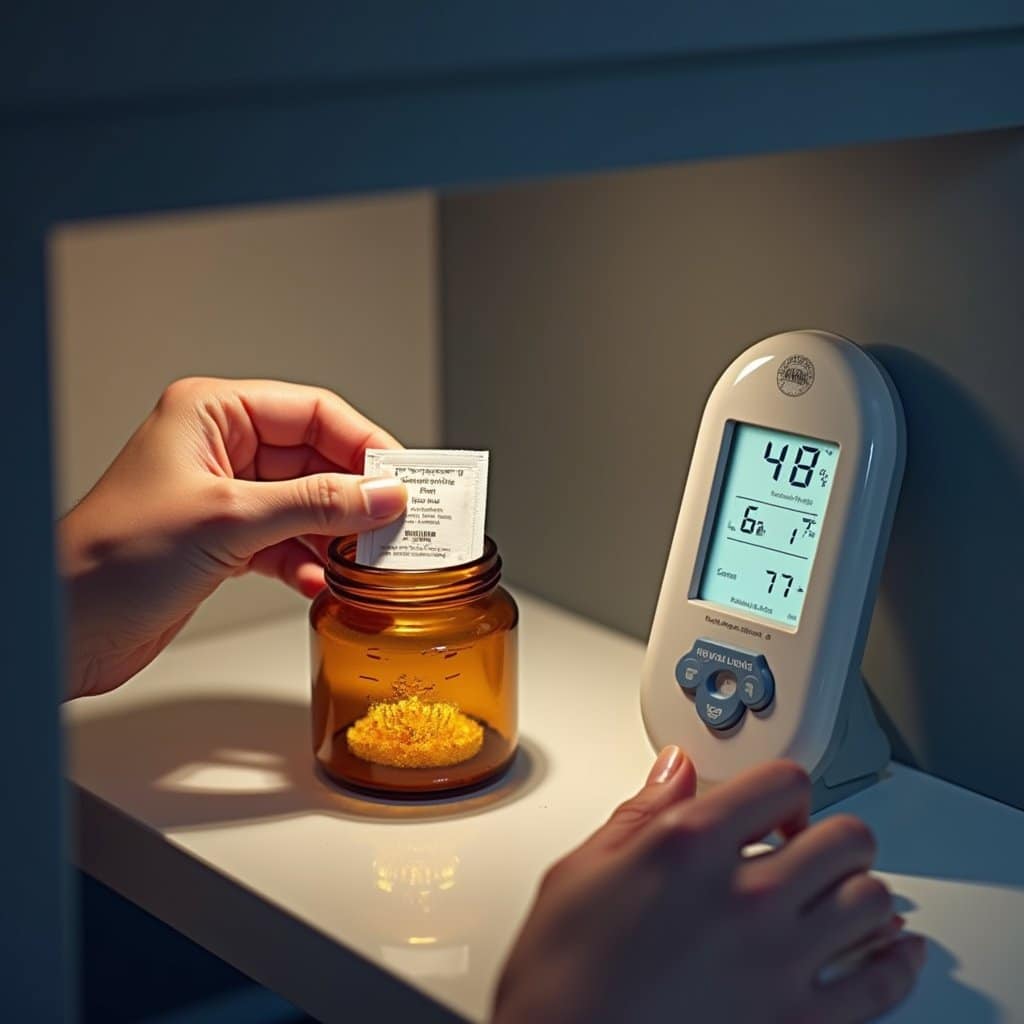
Maintaining Suboxone’s chemical stability requires precise storage protocols that build upon proper shelf-life management. You’ll need to focus on maintaining sterile conditions while mitigating air exposure through proper containment methods. Including a fresh silica packet helps prevent medication degradation from humidity exposure. Active ingredients in Suboxone strips can break down rapidly if storage requirements are not followed precisely. The medication typically has a shelf life of 2 years when stored according to manufacturer guidelines.
| Storage Factor | Implementation Protocol |
|---|---|
| Temperature | Keep at 68-77°F (20-25°C) |
| Container | Use airtight, glass containers |
| Environment | Store in cool, dark, dry location |
| Protection | Avoid bathroom/kitchen humidity |
| Handling | Use clean tools, minimize exposure |
Your storage approach must prioritize controlled environmental conditions to preserve medication efficacy. Remember to avoid direct sunlight exposure and maintain consistent temperature ranges. Store away from areas prone to temperature fluctuations or moisture accumulation. Follow these protocols diligently to guarantee optimal therapeutic value and chemical stability through 2025.
Impact of Opening Original Packaging
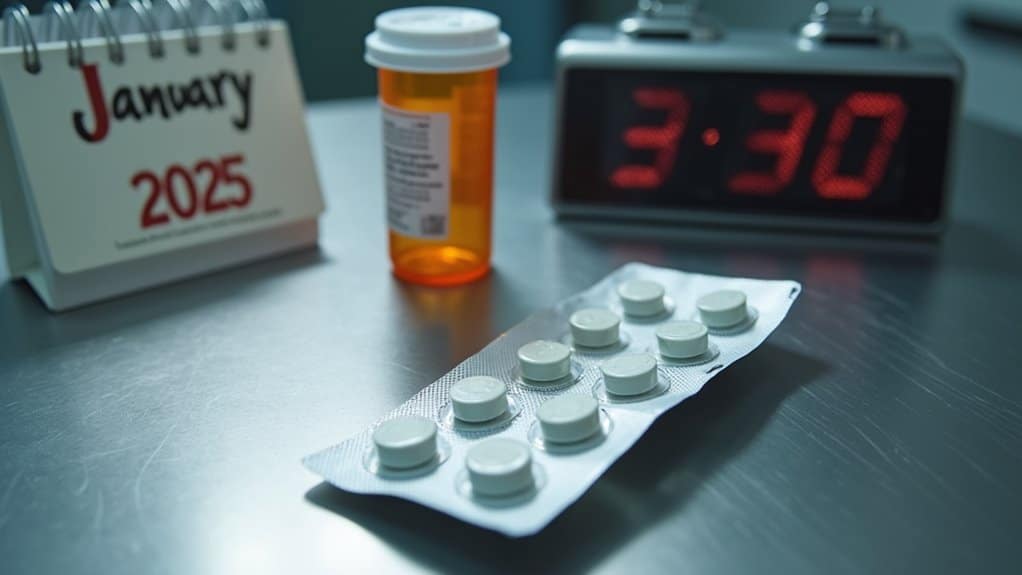
Opening your Suboxone’s original packaging disrupts its protective seal, which shields the medication from environmental factors like humidity, light, and temperature fluctuations. You’ll need to implement proper storage methods after breaking the seal, including keeping the medication in a cool, dry place and using appropriate containers that minimize exposure to degrading elements.
The way you reseal and store your opened Suboxone directly impacts its stability, making it essential to follow manufacturer guidelines for maintaining medication integrity between doses. Under the new DEA final rule, patients can receive up to a six-month supply of buprenorphine through telemedicine prescriptions, which means proper storage becomes even more critical for maintaining medication effectiveness over longer periods. With telehealth regulations extended through 2025, patients have greater flexibility in managing their medication supply while maintaining proper storage practices.
Original Seal Protection Benefits
The original seal of Suboxone packaging provides three vital protective functions: blocking moisture penetration, preventing light exposure, and maintaining temperature stability. When you maintain sealed package integrity, you’re safeguarding the medication from humidity and airborne contaminants that could compromise its effectiveness. Proper storage conditions help maintain effectiveness for up to 12 months from the manufacturing date.
Consistent temperature regulation below 86°F (30°C) is essential for preserving the medication’s chemical structure, especially for the sublingual film form that dissolves under the tongue. The manufacturer’s seal acts as a barrier against oxidation and environmental degradation, which can occur through different interactions with external elements. You’ll find that proper resealing after each use helps prevent physical damage and reduces contamination risks.
This protective barrier is indispensable since exposure to environmental factors can trigger chemical breakdown, potentially affecting the medication’s therapeutic properties and shelf life.
Storage After Package Opening
Once you break Suboxone’s original seal, storage requirements become more stringent to maintain the medication’s stability. You’ll need to protect the films from humidity impacts, which can accelerate chemical degradation and affect drug release consistency. Store your medication at room temperature (20-25°C), away from areas prone to moisture like bathrooms. Thanks to the final buprenorphine rule, medical providers can now prescribe this medication via telemedicine channels starting March 21, 2025.
To minimize contamination risks, keep Suboxone in its original packaging, ensuring films remain protected from environmental exposure. Don’t store opened packages in places where relative humidity exceeds 60%, as this can compromise the medication’s integrity. You should also avoid direct sunlight and extreme temperatures, which can reduce potency. While the manufacturer’s expiration date may be 1-2 years, opened packages typically maintain stability for up to one year when stored properly.
Resealing Methods Matter Most
Proper resealing methods substantially impact Suboxone’s stability after you break the original packaging seal. When you’re handling your medication, maintaining container integrity through correct resealing techniques directly affects its longevity and potency.
You’ll need to make sure you’re using medication-specific containers and avoiding makeshift storage solutions that could compromise the product. Don’t expose your Suboxone to frequent temperature shifts, as inconsistent environmental conditions accelerate degradation. If you notice any changes in color, texture, or smell after opening, it’s essential to contact your healthcare provider immediately.
For sublingual films, you’ll need to be especially vigilant about moisture exposure, as they’re more sensitive than tablets. Always reseal blister packs completely and store them in their original dark packaging to maintain effectiveness.
Environmental Factors Affecting Expiration
Four primary environmental factors markedly influence how quickly Suboxone expires after opening: temperature, light exposure, humidity, and physical handling conditions.
Environmental factors that determine Suboxone’s shelf life include temperature control, protection from light, humidity management, and proper handling practices.
You’ll need to maintain strict packaging security and monitor temperature trends, as storage conditions between 68°F-77°F are essential for ideal potency. Any exposure above 77°F accelerates degradation, while repeated temperature shifts compromise stability. Potency testing determines the official expiration dates printed on packaging.
Direct sunlight and UV exposure break down the active ingredients, making original opaque packaging indispensable. High humidity environments, like bathrooms, pose significant risks through moisture absorption. It’s crucial to never get wet any Suboxone strips or packaging to maintain effectiveness.
If you’re storing opened packages, you’ll face accelerated potency loss due to oxidation. Even with proper storage, you should note that the medication’s efficacy isn’t guaranteed beyond manufacturer stability testing periods of 12-24 months.
Manufacturer vs. Pharmacy Dating Guidelines
While manufacturer expiration dates and pharmacy beyond-use dates both guide Suboxone’s shelf life, they serve distinct purposes in medication safety. Manufacturers determine expiration dates through extensive stability testing, typically setting them 1-2 years from production for unopened products. These dates guarantee potency and safety under proper storage conditions.
In contrast, pharmacies establish beyond-use dates to address dispensing quantity concerns and real-world storage conditions after opening. You’ll typically receive a 30-60 day beyond-use date when your Suboxone is dispensed in partial quantities or repackaged. During patient counseling recommendations, your pharmacist should emphasize proper storage in original packaging and monitoring for physical changes. Starting in 2025, patients can receive up to a six-month initial supply through telemedicine consultations. Recall that beyond-use dates can’t extend past the manufacturer’s expiration date, even with ideal storage conditions.
Proper Handling to Maintain Effectiveness
To optimize your Suboxone’s effectiveness, you’ll need to keep the films in their original sealed packaging until immediately before use, as exposure to air and light can accelerate degradation.
You should monitor your storage area’s temperature daily, ensuring it stays between 68-77°F (20-25°C), and move your medication if conditions exceed these ranges.
When handling the films, keep your fingers dry and avoid touching the medication directly, as moisture from your hands can compromise the drug’s stability. Studies show that with proper storage conditions, medications like Suboxone can maintain potency well beyond their printed expiration dates.
Keep Original Package Intact
Maintaining Suboxone’s effectiveness requires keeping the medication in its original sealed packaging until the moment of use. As part of proper patient education, you’ll need to store your Suboxone strips or tablets in their provided prescription containers or blister packs to ensure optimal humidity control and prevent contamination.
For effective adherence monitoring, don’t transfer doses to alternative containers or pre-cut strips, as this can accelerate degradation. Keep your Suboxone separate from other medications to avoid mix-ups and dosing errors.
When handling, only open the packaging right before administration, and make sure your hands are clean to prevent contamination. Once you’ve used your dose, properly dispose of any packaging remains using the included disposal pouches. Remember, proper storage in original packaging is imperative for maintaining the medication’s potency until its expiration date.
Monitor Storage Temperature Daily
Proper temperature control represents a key factor in preserving Suboxone’s effectiveness beyond secure packaging. You’ll need to maintain your strips between 59°F and 86°F, with 77°F being the ideal storage temperature. Place a reliable thermometer in your storage area and check readings daily, while also recording humidity levels to prevent moisture damage.
Monitor your Suboxone strips for any signs of degradation by observing color changes, texture alterations, or unusual odors. Don’t store them in areas with fluctuating temperatures, such as bathrooms or kitchens. Similar to schedule III controlled substances, Suboxone should be stored securely to prevent misuse while maintaining proper temperature conditions. If you’re keeping strips in a home without climate control, you’ll need to be especially vigilant.
Keep a daily log of temperature readings and immediately relocate your medication if conditions exceed 86°F or drop below 59°F. This diligence helps sustain your treatment’s continued effectiveness.
Avoid Moisture During Handling
Moisture poses a significant threat to Suboxone’s chemical stability and therapeutic efficacy. For condensation prevention, you’ll need to keep your medication away from bathrooms and other high-humidity areas.
Store films in their original foil packaging until you’re ready to use them, and don’t handle them directly with your fingers to prevent sweat transfer.
For contamination mitigation, use airtight containers with desiccant packets if you must transfer doses. Store these containers vertically and include blotting papers to absorb any residual moisture.
Don’t refrigerate your medication unless specifically instructed, as this can create damaging condensation. Monitor storage areas to maintain humidity levels below 60% RH, and check packaging regularly for signs of moisture penetration.
If you notice any compromised seals or visible degradation, consult your pharmacist immediately.
Signs of Expired Medication
Five distinct indicators can alert you to expired Suboxone medication. These warning signs manifest through altered appearance, including discoloration, spots, or crumbling of tablets.
Physical changes like discoloration and crumbling serve as crucial warning signs that your Suboxone medication may have expired.
You’ll notice textural changes as films become sticky or brittle, while tablets may turn soft or powdery. Watch for compromised packaging, such as damaged seals or tears, which can accelerate degradation.
Pay attention to sensory changes – any unusual or foul odors signal potential expiration. Clinical signs are just as vital: if you’re experiencing reduced efficacy or returning withdrawal symptoms, your medication may have expired.
Store your Suboxone properly in its original packaging, away from heat and moisture, to maintain its effectiveness through its expiration date. When in doubt about your medication’s condition, consult your healthcare provider immediately.
Safe Disposal Methods and Protocols
Several approved techniques exist for securely discarding Suboxone medication, each adhering to specific protocols to prevent misuse and environmental harm. Your primary alternative should be utilizing pharmaceutical waste disposal through take-back programs at local pharmacies or participating in DEA Take Back Day events. If you can’t access these services, you’ll need to follow strict disposal protocols.
For emergency situations where take-back isn’t available, you can flush Suboxone films after removing them from foil pouches, but only if the medication appears on the FDA’s flush list. As a final resort, you can discard Suboxone in household trash by securing it in a sealed container mixed with undesirable substances. Remember that medically supervised tapering programs may help you minimize leftover medication requiring disposal.
Regulatory Changes and Updates for 2025
Major regulatory changes for Suboxone and buprenorphine treatment are set to take effect throughout 2025, reshaping how healthcare providers deliver care and manage patient treatment protocols. You’ll need to understand these key compliance adjustments and treatment delivery options to guarantee proper patient care.
DEA’s buprenorphine rule implementation extends to December 31, 2025, allowing providers more time to adapt their practices. Telemedicine expansion takes effect February 18, 2025, enabling remote buprenorphine initiation for improved access.
New documentation protocols require detailed submission through Rubris Crosslink for cases filed by October 7, 2024. Legal proceedings continue with 716 consolidated lawsuits, impacting treatment delivery standards.
These regulatory updates amplify treatment accessibility while maintaining strict oversight of buprenorphine prescribing and distribution practices.
Call Now and Start Your Recovery Today
Frequently Asked Questions
Can I Split Suboxone Films and Store the Unused Portions?
While you can split Suboxone films, it’s not recommended due to increased degradation risks. If you must split them, use proper storage techniques immediately: place unused portions in their original foil packaging or an airtight container, maintain an ideal temperature range of 68-77°F, and keep them away from moisture and light.
You’ll want to use split portions as soon as possible since they degrade faster than intact films due to increased environmental exposure.
What Happens if I Accidentally Freeze My Suboxone Medication?
If you accidentally freeze your Suboxone, you’ll need to be concerned about potential degradation. Freezing effects can cause the medication to crystallize, become brittle, or separate from its binding agents.
Temperature fluctuations may alter the drug’s bioavailability and effectiveness. You should inspect the medication for visible damage or discoloration after freezing. Don’t use it if you notice any physical changes, and contact your healthcare provider immediately for guidance on replacement.
Should I Transfer Suboxone Films to a Different Container for Travel?
You shouldn’t transfer your Suboxone films to a different container unless absolutely necessary for travel. If you must transfer them, use an airtight, vacuum-sealed pouch with a desiccant packet to protect against moisture.
Always keep a copy of your prescription label with expiration date in the travel container. For safe transport, maintain temperatures between 59-86°F and avoid leaving films in vehicles. Consult your pharmacist for specific travel storage recommendations.
Can Humidity From Showering Affect Suboxone Stored in Bathroom Medicine Cabinets?
Yes, storing Suboxone in your bathroom medicine cabinet can drastically compromise its stability. When you shower, the temperature fluctuations and condensation buildup create a problematic environment for your medication.
The high humidity levels can accelerate the breakdown of the buprenorphine/naloxone compounds and potentially introduce mold or bacterial growth. You’ll want to store your Suboxone in a dry, temperature-controlled location like a bedroom closet or kitchen pantry instead.
Does Keeping Suboxone in a Refrigerator Extend Its Shelf Life?
You shouldn’t refrigerate Suboxone as it won’t extend its shelf life. The medication is specifically designed for room temperature storage (68-77°F). Refrigeration can actually harm the medication due to moisture exposure from condensation, particularly affecting the film formulation’s structural integrity.
Instead, you should store your Suboxone in its original packaging in a cool, dry place away from humidity. This guarantees ideal stability and maintains the medication’s effectiveness.