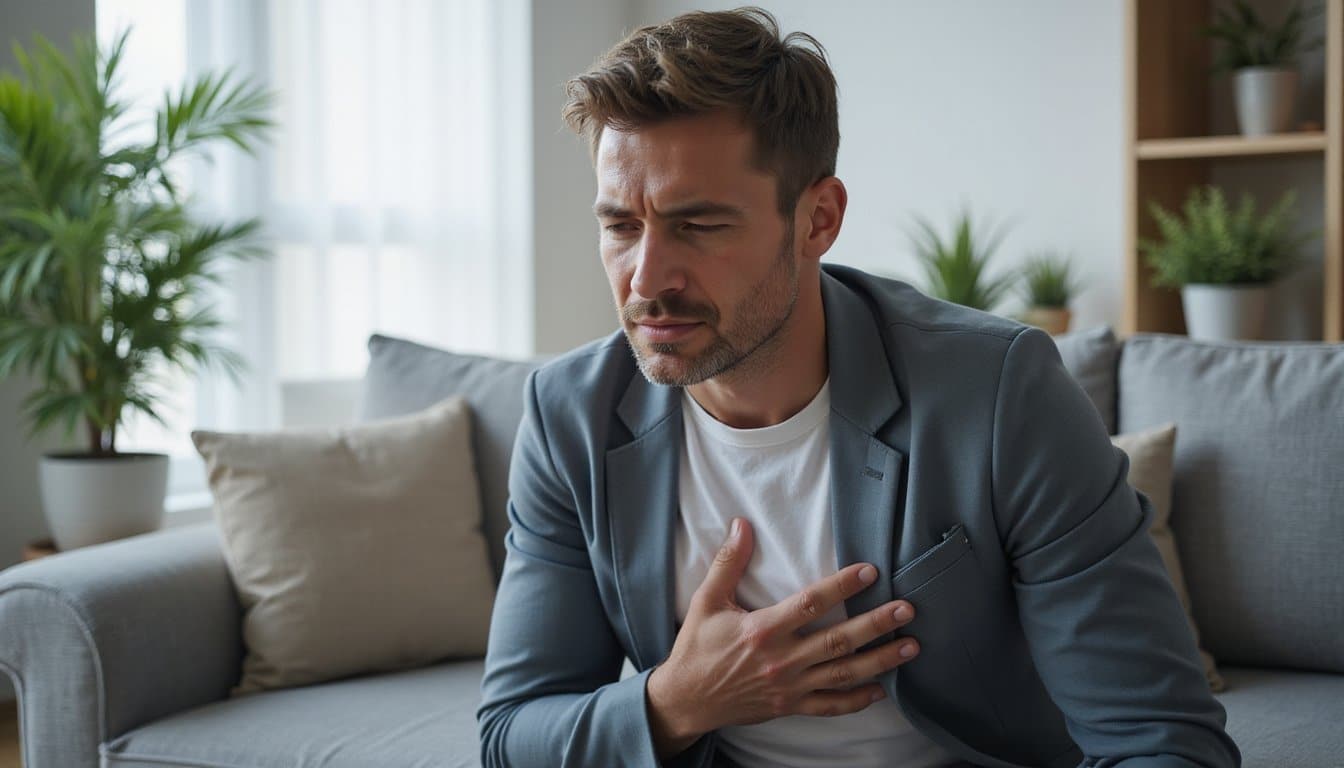
PTSD can make trust feel risky, intimacy feel overwhelming, and honest communication feel nearly impossible, even when you’re with someone who truly cares. Research shows 69% of trauma survivors struggle with intimacy, while emotional numbing often leaves partners feeling invisible or rejected. These patterns aren’t character flaws; they’re symptoms that respond to targeted interventions. Understanding dating and marriage with PTSD and how PTSD specifically disrupts relationship dynamics is the first step toward rebuilding genuine connection with your partner.
How PTSD Disrupts Trust, Intimacy, and Communication

PTSD fundamentally alters how you connect with a partner across three critical domains: trust, intimacy, and communication. Research shows PTSD impairs your ability to accurately evaluate others’ trustworthiness, creating heightened vigilance for social threats even in safe relationships. This disruption in ptsd and trust stems from atypical appraisal mechanisms that developed as survival responses. Couple-based treatment approaches can effectively address these symptoms while simultaneously improving relationship communication, even in intensive weekend formats.
The impact on ptsd and intimacy is equally significant, 69% of survivors report intimacy problems, while 57% experience reduced physical and sexual satisfaction. Your trauma-altered safety perceptions make vulnerability feel dangerous rather than connecting. However, supportive intimate relationships can mitigate feelings of alienation and boost self-esteem, making connection worth pursuing despite these challenges.
When examining ptsd and communication, fear of emotions drives destructive demand/withdraw patterns. You may avoid intense topics or withdraw entirely, leaving conflicts unresolved and reinforcing relationship discord through a cycle of avoidance and emotional detachment. Practicing active listening by paraphrasing what you’ve heard before responding can reduce relationship conflict by 30%.
Why Emotional Numbing Pushes Partners Away
The protective walls you’ve built around your emotions may be keeping your partner out without you realizing it. When you’re dating someone with CPTSD or traversing PTSD and marriage, emotional numbing creates invisible barriers that leave your spouse feeling shut out and helpless.
| Numbing Behavior | How Your Partner Experiences It | Impact on Relationship |
|---|---|---|
| Flat emotional responses | Feels like you don’t care | Erodes complex PTSD and intimacy |
| Withdrawal from activities | Interprets as rejection | Increases isolation for PTSD spouse |
| Difficulty expressing love | Questions your commitment | Damages those married to someone with PTSD |
Research confirms that in PTSD and romantic relationships, numbing strongly predicts couple distress. Your partner’s frustration often stems from feeling emotionally invisible despite their efforts to connect. Research confirms that in PTSD and romantic relationships, numbing strongly predicts couple distress. These patterns often emerge alongside complex ptsd triggers in relationships, where specific situations, conversations, or emotional cues can activate trauma responses that disrupt connection. Your partner’s frustration often stems from feeling emotionally invisible despite their efforts to connect.
The Demand-Withdraw Pattern That Traps Couples With PTSD

When PTSD symptoms run high, fear of intense emotions can trap you and your partner in a destructive dance where one pursues connection while the other pulls away. Research shows this demand-withdraw pattern links directly to heightened PTSD symptoms, with both partners reporting less constructive communication and more unresolved conflicts. Breaking free requires understanding how trauma-related emotional fear fuels this cycle, and learning specific strategies to interrupt it before it erodes your relationship further.
Fear Drives Communication Breakdown
Fear of emotions doesn’t just stay inside your head, it spills into how you and your partner talk, fight, and ultimately disconnect.
Research reveals a striking pattern: higher PTSD symptoms correlate strongly with greater fear of emotions, with men showing particularly robust associations (β = .72). This fear directly undermines constructive communication, collaborative problem-solving, active listening, and compromise all decrease. When your PTSD partner dreads emotional intensity, even well-intentioned conversations feel like ambushes.
The marital trauma impact becomes cyclical. Fear increases demand-withdraw behaviors, where one partner pressures while the other retreats. Women with PTSD-affected partners report heightened emotional fear themselves (β = .30), demonstrating how symptoms ripple between individuals.
This isn’t personal failure, it’s trauma reshaping how safety feels in intimate conversation. Understanding this mechanism opens pathways toward repair.
Breaking the Destructive Cycle
Demand-withdraw cycles trap PTSD-affected couples in predictable pain: one partner pushes for connection through complaints or pressure, the other retreats into silence or avoidance. This pattern prevents problem-solving and reinforces feelings of rejection and threat.
Research shows couple-based treatments can interrupt this cycle by promoting emotional tolerance and improving communication skills. When you’re dating with PTSD or traversing cptsd dating challenges, addressing both trauma symptoms and fear of emotions together produces better outcomes.
Loving someone with complex PTSD means learning collaborative approaches: active listening, expressing feelings without blame, and finding compromises. Therapists recommend sensitivity to gender differences in how partners perceive these patterns.
Breaking free requires replacing reactive exchanges with constructive communication, transforming your relationship from a trauma trigger into a recovery pathway.
Can Your Relationship Actually Buffer PTSD Symptoms?
Research consistently shows that social support acts as one of the most robust protective factors against both the development and persistence of post-traumatic stress disorder symptoms. Your relationship can genuinely buffer trauma’s impact, but the quality matters more than quantity.
| Support Factor | Effect on PTSD | Key Finding |
|---|---|---|
| Perceived partner responsiveness | Positive recovery impact | Significant improvement over 6 months |
| Adequate support provision | Reduced symptom avoidance | Better outcomes than over/underprovision |
| Negative social reactions | Stronger buffering effect | Absence proves particularly protective |
| Emotional numbing | Strongest negative association | Damages relationship functioning most |
| Relationship satisfaction | Depends on responsiveness | Not tied to symptom severity |
Interestingly, higher dyadic coping sometimes correlates with increased symptoms when trauma discussions become problematic. You’ll benefit most when your partner provides responsive, balanced support without overwhelming involvement.
What Partner Support Looks Like When PTSD Is Involved
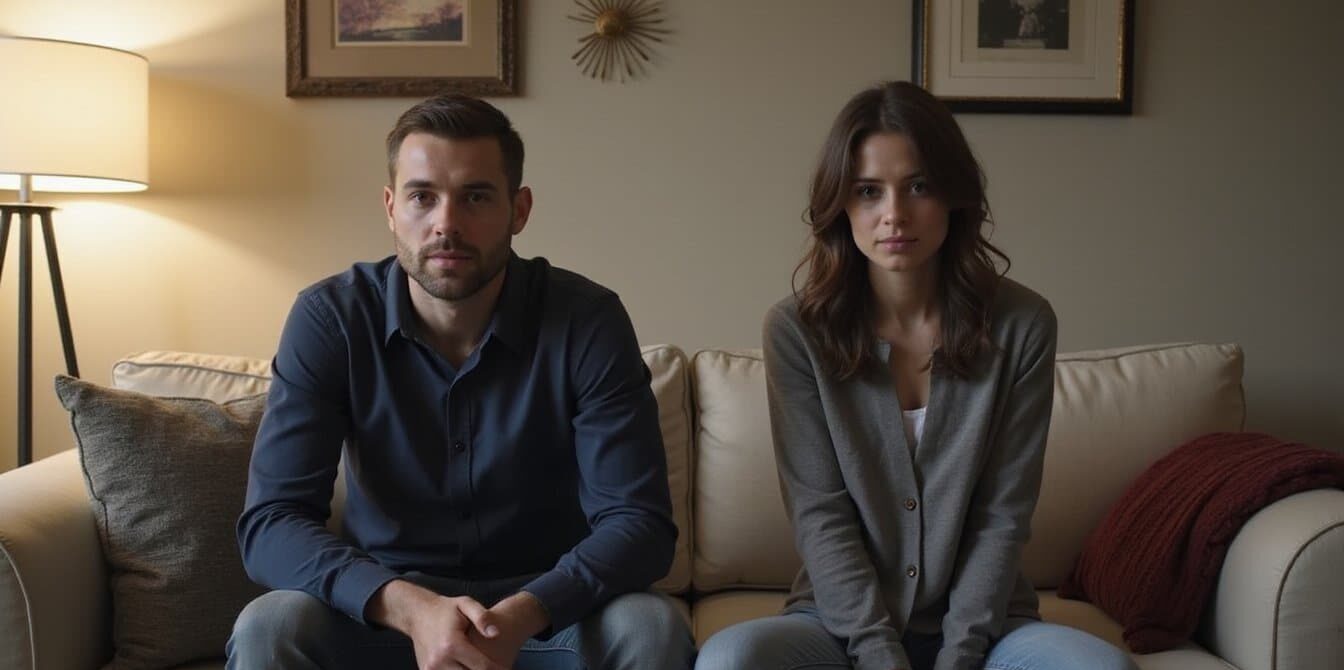
When your partner lives with PTSD, the support you offer becomes both a lifeline and a delicate balancing act. Research identifies four distinct support types that matter: physical presence during difficult moments, emotional availability for trauma discussions, tangible help with daily tasks, and informational guidance about PTSD itself. Understanding how to support a partner with complex ptsd can deepen your connection and foster trust. It’s important to recognize the unique challenges that come with this form of trauma, as each individual’s experience can vary significantly. Engaging in open conversations about their feelings and being patient as they navigate their healing journey can make a profound difference.
Here’s what complicates things, more support isn’t always better. The ideal matching hypothesis reveals that support effectiveness depends on alignment with your partner’s actual needs. Underproviding support when your relationship is stable correlates with increased trauma disclosure avoidance. Yet overproviding support when relationship distress is already high can feel overwhelming, paradoxically pushing your partner further away.
This means calibrating both the type and amount of support matters more than simply showing up with good intentions. Your partner’s preferences should guide your approach.
Couples Therapy That Targets PTSD and Rebuilds Connection
When PTSD affects your relationship, couples therapy can help you and your partner develop stronger communication skills while addressing trauma’s impact on connection. Approaches like Cognitive Behavioral Conjoint Therapy (CBCT) specifically target how PTSD symptoms disrupt closeness, teaching you both to express needs and respond to each other more effectively. Through structured sessions, you’ll work together to rebuild trust that trauma may have eroded, creating a foundation for deeper intimacy and understanding.
Improving Communication Skills Together
Although PTSD can create invisible barriers between partners, walls built from hypervigilance, emotional numbing, or fear of vulnerability, couples therapy offers structured pathways to rebuild connection and restore trust. When you’re working to improve communication together, evidence-based techniques can transform how you connect. Although PTSD can create invisible barriers between partners, walls built from hypervigilance, emotional numbing, or fear of vulnerability, couples therapy offers structured pathways to rebuild connection and restore trust. These challenges are often especially pronounced in cases of ptsd after an abusive relationship, where past trauma can strongly influence how safety, trust, and vulnerability are experienced in a new partnership. When you’re working to improve communication together, evidence-based techniques can transform how you connect.
- Practice active listening by mirroring your partner’s words and using clarification questions like “Would you mind telling me more about this?”
- Use “I” statements to express feelings without triggering defensiveness, try “I feel ___ when ___” to identify specific emotions.
- Apply the Feedback Wheel to describe observations, acknowledge interpretations, express feelings, and make clear requests.
- Implement strategic time-outs when conversations become overwhelming, allowing both partners equal space to regulate and respond thoughtfully.
These skills help you move from reactivity toward genuine understanding.
Rebuilding Trust Through Therapy
Many couples traversing PTSD find that individual healing, while essential, doesn’t fully address the relational wounds trauma creates. Specialized couples therapy can bridge this gap. Cognitive-Behavioral Couple Therapy for PTSD has shown significant improvements, with PTSD symptoms decreasing and relationship satisfaction increasing compared to waitlist controls. This approach uses dyadic interventions to challenge trauma-related beliefs about trust, control, and intimacy.
Emotionally Focused Therapy offers another path, strengthening attachment bonds by accessing the vulnerable emotions beneath surface conflicts. You’ll develop deeper emotional attunement and learn to express needs safely.
Strong Minds Training combines psychoeducation with connection-building strategies, showing substantial effect sizes for both PTSD symptoms and relationship happiness. With consistent engagement, couples typically see meaningful improvement within three to six months, often developing trust that’s stronger than before.
Frequently Asked Questions
How Do I Know if My Jealousy Stems From PTSD or Actual Relationship Problems?
You can distinguish the two by examining your triggers and thought patterns. If your jealousy activates without clear evidence of betrayal, feels disproportionate to the situation, or connects to past abandonment wounds rather than present behavior, it likely stems from PTSD. Track whether your reactions mirror old trauma responses or reflect genuine relationship concerns. Consider whether your partner’s actions would reasonably concern someone without your trauma history.
Is It Possible to Date Successfully While Actively Experiencing PTSD Symptoms?
Yes, you can date successfully while experiencing PTSD symptoms. Research shows many people maintain high relationship satisfaction even with mild-to-moderate symptoms. Your success often depends on how you manage specific challenges, emotional numbing and avoidance tend to impact intimacy most drastically. Open disclosure with partners helps buffer these effects. You’ll benefit from building communication skills, addressing intimacy deficits directly, and potentially working with a therapist who understands trauma’s relational impacts.
Should I Disclose My PTSD Diagnosis Early When Starting a New Relationship?
You don’t have to disclose immediately, but early disclosure often leads to better outcomes when you feel safe doing so. Research shows that sharing your diagnosis with a supportive partner reduces PTSD symptoms and strengthens relationship satisfaction. The key isn’t timing alone, it’s choosing someone whose response feels validating rather than dismissive. Trust your instincts about readiness, and remember that a partner’s positive reaction can greatly support your healing journey.
How Does Childhood Trauma Specifically Affect Romantic Relationship Satisfaction in Adulthood?
Childhood trauma directly reduces your romantic relationship satisfaction through several pathways. It disrupts your attachment patterns, making you more likely to develop anxious or avoidant styles that interfere with closeness. You may struggle with emotional regulation, trust, and fear of abandonment, all of which strain communication with partners. Research shows these effects persist into adulthood, with insecure attachment mediating the link between early maltreatment and lower relationship quality.
Can Mindfulness Practices Help Improve My Relationship When I Have Trauma History?
Yes, mindfulness practices can meaningfully support your relationship when you’re carrying trauma history. Research shows mindfulness reduces PTSD symptoms like hyperarousal and re-experiencing while building affect tolerance and emotional flexibility, skills that directly improve how you communicate and connect with partners. You’ll likely find yourself responding more thoughtfully during conflicts rather than reacting from old wounds. Mindfulness-based couple interventions specifically enhance relationship outcomes, complementing any trauma-focused therapy you’re pursuing.