
Yes, you can overdose on weed, though it’s extremely unlikely to be fatal. When you consume too much THC, you’ll experience dose-dependent toxicity affecting your mental state, cardiovascular system, and coordination. Symptoms include intense anxiety, rapid heartbeat, nausea, paranoia, and in severe cases, psychotic reactions or seizures. Edibles pose the highest risk because their delayed onset up to two hours often leads to overconsumption before you feel the effects. Understanding who’s most vulnerable can help you recognize when symptoms require emergency care.
Can You Actually Overdose on Weed?
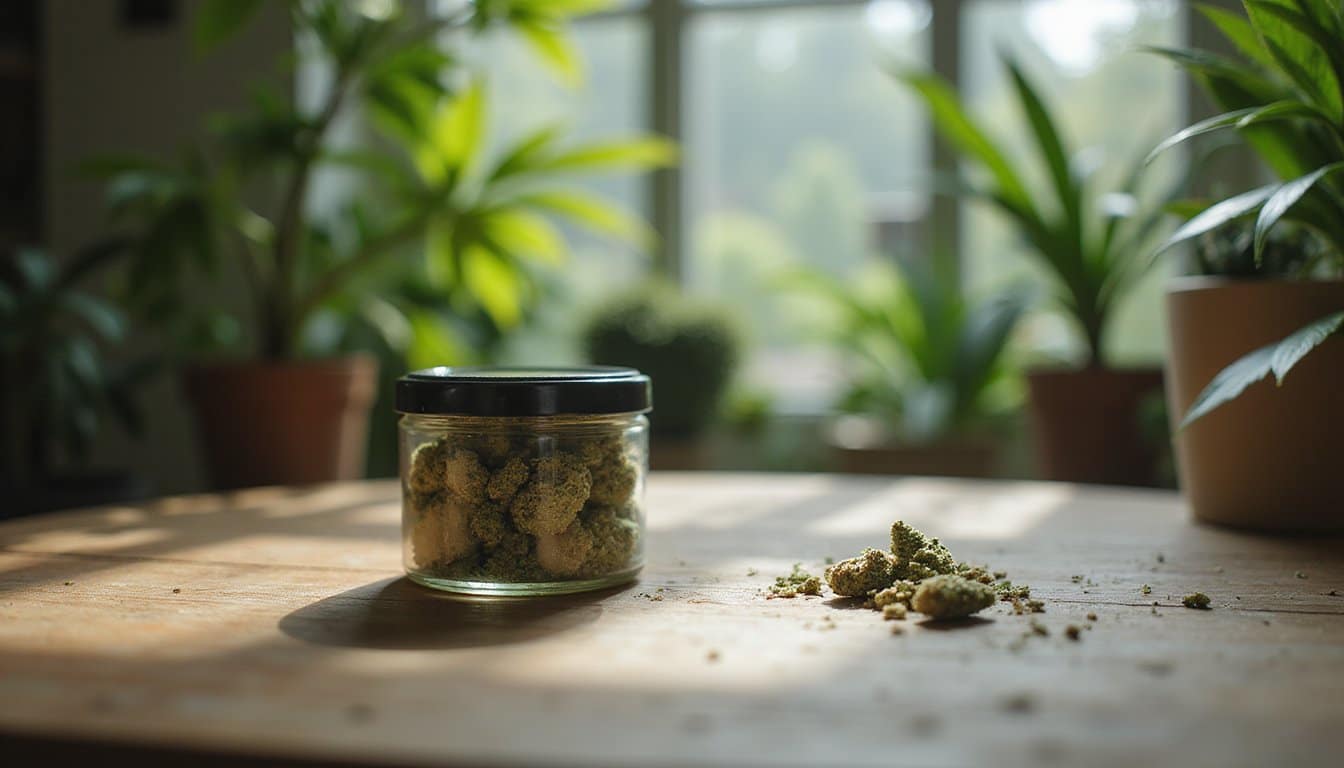
How much THC is too much? Yes, you can experience a cannabis overdose, though it differs markedly from opioid or alcohol overdoses. A weed overdose occurs when you consume more THC than your body can process, triggering dose-dependent toxicity that affects your mental state, heart function, and physical appearance.
When you overdose on weed, you’re unlikely to face fatal consequences. However, a marijuana overdose can produce serious discomfort and medical complications. The risk increases considerably with edibles, where delayed onset leads many users to consume additional doses before feeling initial effects. Possible symptoms include extreme anxiety, psychotic reactions, decreased judgment, fast heart rate, seizures, and unresponsiveness.
You’re particularly vulnerable if you’re a naïve user, have pre-existing mental health conditions, or use high-potency cannabis products. Understanding these risk factors helps you recognize when marijuana consumption becomes dangerous.
Can a Weed Overdose Kill You?
While fatal cannabis overdoses remain extremely rare, you should know they’re not entirely impossible, the CDC recorded 18 deaths attributed to cannabis poisoning alone in 2014, though this figure is remarkably low compared to the estimated 250 million global users. You’re far more likely to experience uncomfortable symptoms like severe anxiety, paranoia, or cardiovascular stress than life-threatening complications from THC alone. However, certain situations can escalate your risk and require emergency medical care, particularly when cannabis is combined with other substances or when you have underlying health conditions.
Fatal Overdoses Extremely Rare
The question of whether a marijuana overdose can kill you has a straightforward answer backed by decades of toxicological research: fatal cannabis overdoses are extraordinarily rare to the point of being statistically negligible. The lethal dose of marijuana is estimated at 20,000 to 40,000 times the amount in a single joint, you’d need to consume nearly 1,500 pounds within 15 minutes for fatal toxicity.
While dose-dependent toxicity exists, direct cannabis poisoning deaths remain exceptionally uncommon. Research shows traumatic injury, not toxicity, accounts for 62% of cannabis-related fatalities. Road traffic crashes represent the primary risk, as THC impairs vigilance and reaction times, increasing road crash risk by 28%. Emergency room visits involving edibles are rising, though outcomes remain non-fatal.
CDC Reports on Deaths
Federal mortality data puts concrete numbers behind marijuana’s safety profile. The CDC WONDER database recorded 287 deaths involving cannabis or derivatives in 2014, but the majority involved polysubstance use with fatal doses of alcohol, opioids, or cocaine. Single-substance cannabis poisoning deaths totaled just 18 that year, a fraction of overall overdose deaths.
You should understand that overdosing on weed differs dramatically from synthetic cannabinoids, which carry far greater lethality. Poison control centers received 2,047 single-substance cannabis exposure calls in 2014, with only one death recorded. These figures confirm that fatal outcomes from tetrahydrocannabinol alone remain exceptionally rare.
Non-fatal complications like cannabis hyperemesis syndrome pose more realistic concerns than death. While cannabis poisoning can cause severe discomfort, it doesn’t register among major drug categories tracked in CDC overdose deaths classifications.
Serious Complications Requiring Care
How dangerous can a marijuana overdose actually become? While fatal outcomes remain extremely rare, serious complications requiring care do occur. You may experience psychotic reactions, including acute psychiatric symptoms like paranoia, hallucinations, and delusions particularly if you’re a new user or have pre-existing psychiatric conditions. Cardiovascular complications such as rapid heart rate, chest pain, and dangerous blood pressure spikes can emerge. Neurological and seizure risks include uncontrollable shaking and impaired coordination leading to injuries.
Pediatric severe outcomes present the greatest concern. When children accidentally consume high-potency edibles, they can develop coma, respiratory failure, and unresponsiveness requiring ventilator support.
When medical care required? Seek emergency help immediately for severe symptoms: chest pain, breathing difficulties, seizures, extreme confusion, or prolonged vomiting. Don’t delay these complications demand professional intervention.
What Does a Weed Overdose Feel Like?
When you consume too much THC, your body sends unmistakable distress signals that range from uncomfortable to genuinely alarming. You’ll likely experience intense anxiety and paranoia, with thoughts spiraling into irrational fears. Panic attacks can strike suddenly, leaving you feeling trapped and overwhelmed. Sensory and cognitive impairments distort your perception, making familiar surroundings feel foreign and threatening.
Physically, you may face nausea and vomiting that persist despite attempts to find relief. Dizziness creates a disorienting “spins” sensation, while impaired coordination affects your balance and motor control. In severe cases, hallucinations blur the line between reality and imagination.
Your heart races, your mouth goes dry, and chills alternate with sweating. These symptoms typically last one to three hours with smoked cannabis but persist longer with edibles.
Physical Signs of THC Overconsumption

Your body exhibits distinct physical warning signs when THC levels exceed what your system can comfortably process. Cardiovascular symptoms often appear first, including rapid heartbeat, increased blood pressure, and chest pain. These changes occur because THC stimulates your sympathetic nervous system, placing additional stress on your heart.
Gastrointestinal distress manifests as nausea and vomiting, sometimes severely enough to cause dehydration. You’ll likely notice dry mouth, red eyes, and pale skin as your body struggles to metabolize excess cannabinoids.
Neurological impairments become evident through decreased coordination, impaired perception, and dizziness. Your reaction time slows considerably, and you may experience difficulty concentrating or maintaining balance. In severe cases, uncontrollable shaking or seizures can develop. These physical signs indicate you’ve consumed more THC than your endocannabinoid system can effectively regulate.
Panic, Paranoia, and Psychosis From Too Much THC
Three distinct psychological responses, panic, paranoia, and psychosis, represent escalating levels of mental distress that can occur when THC overwhelms your brain’s cannabinoid receptors. Your endocannabinoid system regulates mood, and excessive psychoactive compound exposure triggers adverse effects ranging from acute anxiety to full sensory disturbances.
High-potency recreational or medical cannabis products increase your risk based on dosage and individual sensitivity. Research links these responses to specific outcomes:
- Panic episodes cause disorientation requiring emergency care in 25-30% of cases
- Paranoia intensifies with high-THC products, producing persecutory delusions
- Cannabis-induced psychosis shows an adjusted hazard ratio of 84.9 for schizophrenia development
- Up to 50% of emergency psychosis presentations progress to chronic schizophrenia
As legalization expands, understanding potency-related risks becomes essential for harm reduction.
Why Edibles and Concentrates Are Riskier

Beyond the acute psychological effects of THC overconsumption, the delivery method you choose markedly impacts your overdose risk. Cannabis edibles present significant dosing challenges due to their delayed onset of 1-2 hours, often prompting you to consume additional amounts before feeling initial effects. THC concentration varies unpredictably within edible products, creating inconsistent dosing that increases the likelihood.
The legalization impact on hospitalization rates proves stark. Emergency department visits for cannabis poisoning surged from 2.5 to 22.6 monthly in Ontario after edible legalization. Accidental ingestion by unintended consumers, particularly children, rose dramatically, gummy products alone accounted for 48.8% of pediatric poisoning events. Despite child-resistant packaging and storage requirements, these measures failed to prevent a 9-fold increase in pediatric cases. Current regulatory approaches, including THC limits, haven’t adequately addressed these risks.
Who’s Most Likely to Overdose on Weed?
Certain groups face higher risks of experiencing a marijuana overdose based on their experience level, consumption method, and mental health status. If you’re new to cannabis, you lack the tolerance that regular users develop, making you more susceptible to overwhelming effects from even moderate THC doses.
These risks often lead people to ask can you die from weed high, but while fatal toxicity from THC alone is extremely rare, excessive consumption can still lead to severe psychological distress and risky behavior. You’re also at increased risk if you consume edibles without understanding their delayed onset or if you have pre-existing psychiatric conditions such as anxiety disorders or a history of psychosis.
New Cannabis Users
Anyone trying marijuana for the first time faces a heightened overdose risk due to zero tolerance and unfamiliarity with dosing. As a new cannabis user, you’re particularly vulnerable to THC’s intense psychoactive effects, which can trigger significant health concerns including mental health disorders.
The data reveals alarming risks for first-time users and inexperienced users:
- 34.8% of high school seniors have tried marijuana, creating a large at-risk population
- Nearly 4,200 individuals ages 12-20 try marijuana daily
- 45.2% of marijuana users ages 12-17 meet substance use disorder criteria
- Starting before age 18 results in a 1-in-6 addiction rate
If you’re inexperienced, even moderate THC consumption can cause an OD with uncomfortable symptoms. Early use correlates with cognitive drops up to 8 IQ points.
Edible Consumers at Risk
While inexperience increases overdose risk across all consumption methods, edibles present distinct dangers that make certain populations especially vulnerable. Unlike smoking, edibles delay the euphoric high and altered senses, causing users to consume more before feeling short-term effects like increased appetite. This delayed onset means you can overdose on weed before recognizing intoxication.
| Population | Risk Factor | Outcome |
|---|---|---|
| Children under 6 | 1,375% increase in ingestions (2017-2021) | Severe toxicity requiring hospitalization |
| Children under 10 | Bradypnea, hypertension | Respiratory support needed |
| Older adults (median age 69.5) | Polypharmacy, multimorbidity | ED visits tripled post-legalization |
Edible consumers face compounded risks when accidental ingestion occurs. You’re more likely to od on marijuana through edibles due to unpredictable absorption affecting appetite and cognition.
Those With Psychiatric Conditions
Individuals with pre-existing psychiatric conditions face substantially heightened risks when consuming cannabis, with research demonstrating a dose-response relationship between use and adverse mental health outcomes. When considering whether someone can overdose on weed, safety concerns intensify for this population as THC interacts with cannabinoids receptors throughout the brain and nervous system, triggering severe physiological and psychological symptoms.
Key risk factors include:
- Cannabis use increases suicide attempt likelihood by 1.85 times among adolescents, independent of depression
- High-potency cannabis doubles the odds of psychotic experiences in young adults
- Substance-induced psychosis from cannabis creates a 163-fold increased risk of converting to schizophrenia spectrum disorders
- Individuals with mood disorders face raised all-cause mortality when cannabis use disorder develops
You should avoid cannabis entirely if you have psychiatric vulnerabilities.
When to Call 911 for a Weed Overdose
Recognizing when a cannabis reaction crosses from uncomfortable to dangerous can help you make the right call about seeking emergency care. While most distressing symptoms resolve without intervention, certain signs indicate medical emergencies requiring immediate attention.
Call 911 if you experience severe chest pain or palpitations that don’t subside, as THC overstimulation can affect cardiovascular function. Psychotic symptoms like hallucinations, delusions, or complete loss of reality contact demand urgent medical attention. Seizures, unresponsiveness, or stopped breathing are critical emergencies.
Other warning signs include extreme confusion, inability to walk, or symptoms persisting well beyond typical duration. If someone shows signs of mood dysregulation with severe panic, or experiences pain and inflammation suggestive of allergic reaction, seek help immediately. When in doubt, err toward calling emergency services.
How to Help Someone Who Took Too Much
Beyond knowing when to call for emergency help, you can take immediate steps to support someone experiencing an overwhelming cannabis reaction. While marijuana overdose rarely causes respiratory problems like opioid toxicity, the psychoactive effects can trigger severe anxiety, cognitive impairment, and panic.
Cannabis reactions rarely threaten breathing, but the intense psychological effects can feel terrifying without proper support.
Provide supportive care through these evidence-based steps:
- Relocate them to a quiet, low-stimulation environment to reduce paranoia and sensory overload.
- Monitor crucial signs including breathing rate, heart rhythm, and consciousness level continuously.
- Offer hydration with clear fluids if they’re not experiencing nausea or vomiting.
- Use calming techniques like guided deep breathing to counter panic attacks.
Professional interventions become necessary when symptoms persist or escalate. For individuals showing patterns of dependence, withdrawal symptoms, or repeated intoxication episodes suggesting addiction, connect them with specialized treatment services.
How Long Does a Weed Overdose Last?
How long does a weed overdose last? If you’re wondering, can you overdose on weed, duration depends heavily on your consumption method. When you smoke or vape phytocannabinoids, symptoms typically resolve within 2-6 hours. Edibles present greater risk natural cannabinoids ingested orally can produce effects lasting 8-12 hours due to slower metabolism.
Your body’s ability to excrete THC varies based on tolerance, hydration, and body composition. Is it possible to overdose on marijuana and experience prolonged symptoms? Yes, especially with combination drugs like alcohol, which intensify and extend effects beyond 24 hours.
Most individuals return to baseline within 24 hours. However, chronic users may face long-term effects from fat-stored THC. High-potency products and synthetic cannabinoids warrant longer observation periods, as symptoms can persist unpredictably.
Take the First Step Toward Recovery Today
Frequently Asked Questions
Can You Build a Tolerance That Prevents Overdosing on Weed?
You can build tolerance to THC’s effects, but it won’t fully prevent overdosing on weed. While chronic use desensitizes your CB1 receptors and blunts acute impairing effects, you’ll likely escalate doses to achieve the same high, actually increasing overdose risk. Tolerance reduces cognitive impairment and some psychoactive symptoms, but uncomfortable effects like anxiety, paranoia, and nausea can still occur when you consume more than your body can metabolize effectively.
Is Synthetic Marijuana More Dangerous Than Natural Cannabis for Overdose?
Yes, synthetic marijuana is considerably more dangerous than natural cannabis for overdose. You face 30 times higher risk of emergency treatment with synthetic cannabinoids like K2 or Spice. These compounds bind to brain receptors with 2-100 times greater potency than THC and act as full agonists, causing seizures, kidney failure, psychosis, and even death, effects you won’t experience from natural cannabis overdose. Synthetic products remain unregulated and unpredictable, making them far riskier.
Does Mixing Weed With Alcohol Increase Your Overdose Risk?
Yes, mixing weed with alcohol drastically increases your overdose risk. Alcohol boosts THC absorption, raising blood THC concentrations and intensifying intoxication. You’re more likely to experience “greening out”, severe sedation, rapid heart rate, and low blood pressure. The combination also elevates your alcohol poisoning risk by promoting binge drinking. You’ll face doubled impairment compared to using either substance alone, increasing dangerous outcomes like accidents and risky decision-making.
What Is Cannabinoid Hyperemesis Syndrome and How Does It Relate to Overuse?
Cannabinoid hyperemesis syndrome (CHS) occurs when you’ve used cannabis heavily for months or years, causing your endocannabinoid receptors to become overstimulated. You’ll experience cyclical episodes of intense nausea, severe vomiting up to five times hourly, and abdominal pain. Hot showers temporarily relieve symptoms. CHS develops paradoxically despite cannabis’s antiemetic properties. Complications include dehydration, electrolyte imbalances, and potential kidney failure. Your symptoms only resolve when you stop using cannabis completely.
Can Children Accidentally Overdose on Marijuana Edibles?
Yes, children can accidentally overdose on marijuana edibles, and it’s a growing concern. Cases among children under 6 surged 1,375% from 2017 to 2021. Because of their small size and developing metabolism, even small amounts cause severe toxicity. You’ll see symptoms like drowsiness, breathing problems, fast heart rate, and vomiting. While no deaths have been reported, 8.1% of cases required ICU admission, making prevention through secure storage essential.