
Treatment Programs
Does Rehab Work for Addiction? What Makes Treatment Effective
Rehab works when treatment is individualized, evidence-based, and completed in full. Learn what makes addiction recovery last.

Rehab works when treatment is individualized, evidence-based, and completed in full. Learn what makes addiction recovery last.

Check yourself into rehab with a simple step-by-step guide, from your first call and assessment to insurance, level of care, and admission day.

Rehab explained: assessment, detox, therapy, and discharge planning so you know exactly what to expect at each step.
Drug addiction stems from genetics, environment, and brain changes. Learn the real science behind why people become addicted and what drives it.

Addiction signs: learn the key symptoms of substance dependence to recognize a problem early and take your first step toward help.
Rehab signs: Learn the 7 clear indicators it may be time to seek treatment and how structured care supports lasting recovery.
Addiction treatment: learn the DSM-5 signs of a substance use disorder and how a professional assessment finds your right level of care.

Partial hospitalization programs offer intensive daily treatment for mental health and substance use while you live at home. Learn if PHP fits you.

PHP treatment offers 20+ weekly hours of structured therapy when outpatient care isn’t enough. Learn the signs you need more support.

PHP vs IOP: Compare hours, intensity, and medical oversight to find the addiction treatment level that fits your recovery needs.

PHP program daily schedule: morning check-ins, group therapy, individual sessions, and psychiatric care. Learn what to expect each day.

After PHP, step down to an IOP with lighter sessions to continue therapy, aftercare, and relapse prevention while protecting your recovery progress.

Partial hospitalization programs offer intensive addiction treatment without inpatient stays, at lower cost while supporting stable early recovery.

Partial hospitalization program bridges residential and outpatient care with 20+ weekly clinical hours. Learn how PHP fits your recovery path.
Amphetamines are stimulants used to treat ADHD and narcolepsy. Learn how they work, their medical uses, risks, and addiction potential.
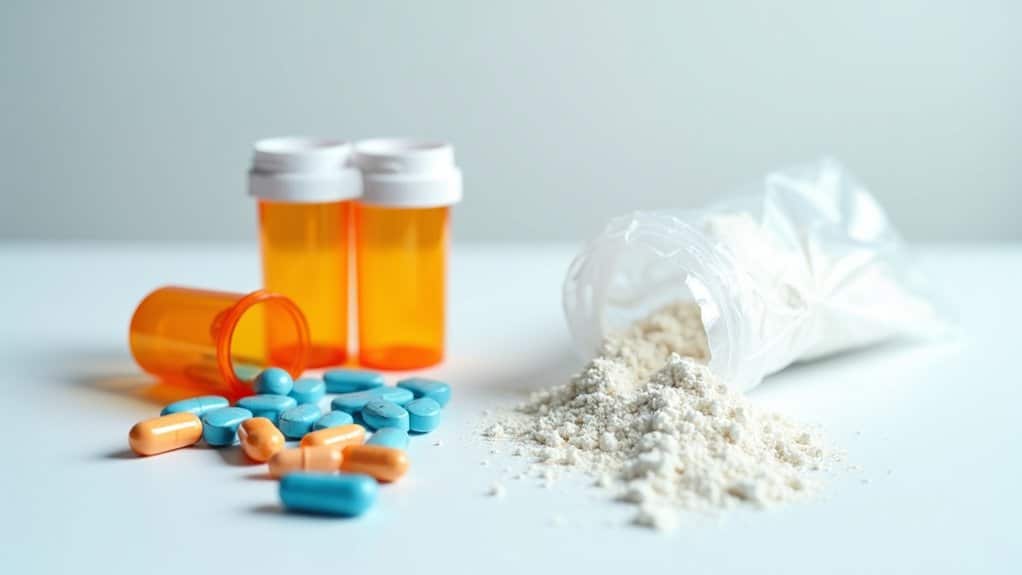
Prescription amphetamines vs illegal stimulants: learn the key differences in authorization, safety, and addiction risk to protect your health.
Amphetamines are stimulants, not narcotics. Learn why they’re Schedule II controlled substances and how this affects prescribing and treatment.
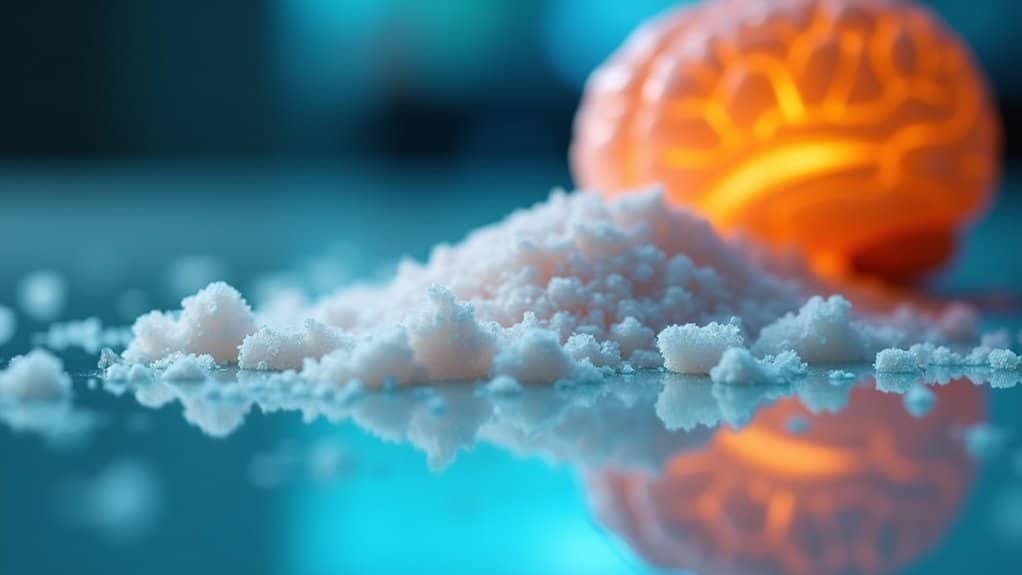
Amphetamine salts raise dopamine and norepinephrine to sharpen focus and control impulses. Learn how they affect your brain and body.
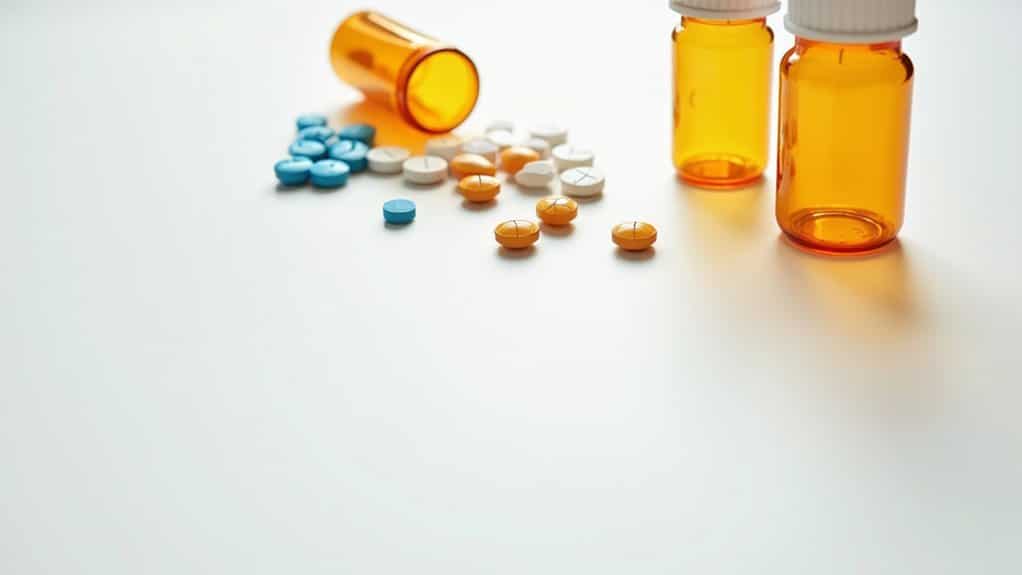
Amphetamines: compare the five prescription types, their brand names, and what conditions like ADHD and narcolepsy they treat.
Prescription amphetamine addiction has clear warning signs. Learn to recognize stimulant use disorder early and know when use becomes dependence.
Prescription amphetamine addiction is possible even when taken as directed. Learn the risk factors and safe-use steps that protect you.

Helping a loved one stay sober: practical steps to support recovery, handle relapse, and set healthy boundaries without judgment.
Staying sober after treatment is hard because addiction changes brain chemistry. Learn what drives relapse and what actually needs to change.

First 90 days of sobriety: learn why relapse risk peaks and what helps you stay steady through withdrawal, cravings, and mood swings.

Can’t stay sober? Learn what repeated relapses reveal about your recovery plan and how to break the cycle for good.

Support sobriety without enabling addiction. Learn to set boundaries, offer real help, and protect your wellbeing while your loved one recovers.

Long-term sobriety depends on the life you build around it. Learn how routine, support, and purpose keep recovery stable.

Returning to treatment after a relapse: know when to call your provider, seek emergency care, or step up to higher-level support.
Most people don’t realize anxiety triggers real muscle cramps through specific biological pathways, and the solutions might surprise you.

Curious which anxiety treatments have the strongest evidence behind them, and which one might be the game-changer you’ve overlooked?