
Yes, you can become addicted to prescription amphetamines even when you take them exactly as directed, though the risk stays low for most patients at therapeutic doses. Prolonged use can produce physical dependence and tolerance, meaning you may need larger doses over time. Certain factors, higher doses, longer duration, or comorbid psychiatric conditions, can raise your risk. Understanding how dependence differs from addiction, and which safe-use steps protect you, makes all the difference.
Key Takeaways
- Yes, addiction can occur even when amphetamines are taken as directed, though the risk remains very low at therapeutic doses.
- Physical dependence can develop from prolonged use, but it differs from addiction, which involves compulsive use despite harm.
- Tolerance may build over time, requiring higher doses and potentially increasing the risk of progression toward addiction.
- Risk rises with higher doses, longer duration, comorbid psychiatric conditions, and medication onset in late adolescence or adulthood.
- Following prescriber instructions, avoiding dose changes, and reporting early warning signs minimize but do not eliminate risk.
Can you get addicted to prescription amphetamines taken as directed

Yes, you can become addicted to prescription amphetamines even when you take them exactly as directed, though the risk stays very low for most patients using therapeutic doses to treat conditions like ADHD. You should understand that prolonged use can produce physical dependence, a distinct state where your body relies on the drug to function normally. Over time, Adderall tolerance can develop, meaning you need larger doses to achieve the same effect, which increases your risk of full addiction. It’s critical to distinguish amphetamine dependence vs addiction: Adderall dependence involves physical reliance without the compulsive behaviors that define a substance use disorder. Because these drugs carry Schedule II classification, they possess high abuse potential regardless of prescription status, so following your prescriber’s instructions matters.
Are these medications safe when used properly
Amphetamines are generally safe for most patients when taken exactly as prescribed, though “safe” doesn’t mean “risk-free.” You still face the possibility of physical dependence at therapeutic levels, and following your prescriber’s instructions minimizes but doesn’t eliminate the potential for misuse and addiction. The addiction potential of amphetamines varies by individual, shaped by factors like personal history and dosage. Professional monitoring is crucial for safe use and spotting signs of dependency, keeping the risks manageable.
So can you get addicted to Adderall when you’re using it correctly? The risk stays very low, but it isn’t zero. Is Adderall addictive when prescribed? At therapeutic doses for conditions like ADHD, prescription stimulant addiction remains uncommon, yet tolerance can develop over time, requiring larger doses and raising your risk.
Your safety also depends on individual factors. If you have a comorbid psychiatric condition or take higher dosages for longer periods, your risk increases accordingly. Regular monitoring helps keep treatment safe.
What is the difference between dependence and addiction
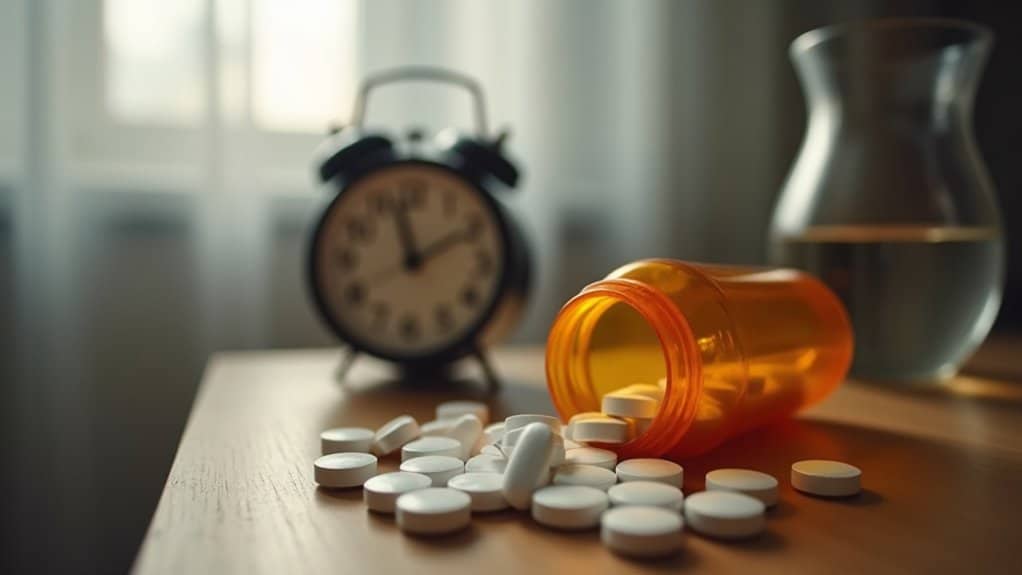
Dependence is physical reliance where your body needs the drug to function normally, while addiction adds compulsive behavior and continued use despite harm. After prolonged use, you may experience adverse symptoms without it, a predictable physiological response, not a behavioral disorder. You can develop dependence while managing your underlying condition without ever losing control.
Addiction, clinically termed substance use disorder (SUD), involves compulsive use despite significant problems in your life or health. It’s defined by loss of control over use. Addiction typically occurs when you take amphetamines to get high or improve performance rather than treat a health condition.
The key distinction: dependence is physical reliance, while addiction adds compulsive behavior and continued use despite harm.
What is tolerance and why does it matter
Tolerance is a process where you need larger doses to achieve the same effect over time. This matters because escalating doses increase your risk of progressing toward full addiction. The degree of tolerance varies depending on which specific stimulant you’re taking.
| Concept | What It Means for You |
|---|---|
| Tolerance | You need more of the drug for the same effect |
| Cause | Prolonged use alters your body’s response |
| Risk | Higher doses raise your addiction potential |
| Variability | Depends on the stimulant type you’re prescribed |
Recognizing tolerance early helps you and your prescriber monitor dose changes carefully. If you notice diminishing effects, don’t adjust your dose independently, discuss it with your clinician promptly.
What raises the risk even with proper use

Certain factors can push your addiction risk higher than the baseline low level most patients experience, even when you take amphetamines exactly as prescribed. If you’re prescribed higher dosages over longer periods, you accrue additional risk. Comorbid psychiatric disease greatly raises your likelihood of developing a substance use disorder. Your age matters too: if you’re first medicated in late adolescence or adulthood, your risk increases. The specific stimulant you take also influences your tolerance and dependence potential. Duration compounds these variables. Dependence can develop after prolonged therapeutic use, and stimulant use disorder can emerge in as little as one week of exposure. Because longitudinal studies on long-term prescription stimulant use remain limited, you should monitor these factors closely with your prescriber. Signs of amphetamine addiction can manifest in various ways, including changes in behavior and mood. Recognizing these indicators early can lead to more effective intervention strategies.
How can you use the medication safely
Taking amphetamines exactly as prescribed is your strongest safeguard, because misuse drives most addiction cases. Don’t adjust your dose, frequency, or timing without your prescriber’s approval, since deviations increase misuse and addiction potential. Avoid taking amounts exceeding your recommended level; doses greater than 120% of the maximum for narcolepsy are linked to psychosis and psychiatric hospitalizations. Amphetamine’s effects on the body can vary significantly based on dosage and individual response. Users may experience increased energy, heightened focus, and elevated mood, but these effects can come at a cost.
Keep your prescriber informed about any comorbid psychiatric conditions, since these raise your risk for substance use disorder. Report early warning signs, like needing larger doses for the same effect, which signals tolerance. Schedule regular follow-ups so your provider can monitor cardiovascular health, growth in younger patients, and overall efficacy. Store your medication securely and never share it. These steps minimize, though don’t eliminate, your addiction risk.
How does Villa Behavioral Health help with dependence
Villa Behavioral Health helps with dependence through structured support that helps you regain control if you’ve developed dependence or notice signs of a substance use disorder despite careful use. Our clinical team distinguishes physical dependence from addiction, tailoring interventions to your specific presentation and risk factors.
Structured support helps you regain control, distinguishing physical dependence from addiction with interventions tailored to your specific presentation and risk factors.
Villa’s approach addresses dependence through evidence-based protocols:
- Comprehensive assessment to evaluate tolerance, dependence severity, and any comorbid psychiatric conditions.
- Medically supervised tapering to minimize withdrawal symptoms and stabilize function safely.
- Behavioral therapy targeting compulsive use patterns characteristic of substance use disorder.
- Ongoing monitoring to track progress and prevent relapse over the long term.
Because longitudinal data on prescription stimulants remains limited, you’ll receive individualized care grounded in current clinical evidence and continuous reassessment of your treatment response.
You Did Everything Right
Dependence can develop even when you never misuse a prescription. Villa Behavioral Health assesses how far tolerance has progressed, then uses medically supervised tapering to reduce your dose safely instead of leaving you to manage withdrawal alone. Any underlying psychiatric condition is treated at the same time. Verify your insurance in minutes or call (833) 302-2533 to speak with someone on our team today.
Frequently Asked Questions
What are the common withdrawal symptoms when stopping prescription amphetamines?
Stopping after prolonged use often triggers what clinicians call a crash: fatigue, heavy sleep or insomnia, increased appetite, low mood, irritability, and trouble concentrating. Cravings and vivid, unpleasant dreams are common. Symptoms usually peak within the first week, though low mood and disrupted sleep can linger longer. Stimulant withdrawal is rarely medically dangerous, but depression can become severe, so taper under your prescriber’s supervision rather than stopping abruptly.
Can prescription amphetamines be safely taken during pregnancy or breastfeeding?
This is an individualized decision to make with both your prescriber and your obstetrician. Amphetamines cross the placenta and pass into breast milk, and some research links use during pregnancy to preterm birth, lower birth weight, and preeclampsia. For some patients, untreated ADHD or narcolepsy carries its own risks. Do not stop or continue on your own. Ask your care team to weigh your specific situation.
How do prescription amphetamines interact with alcohol or other medications?
Alcohol is the most common concern, because stimulants mask how intoxicated you feel, which can lead you to drink far more than intended while both substances strain your heart. MAOIs are contraindicated and can cause a dangerous spike in blood pressure. Combining amphetamines with SSRIs, SNRIs, or triptans raises serotonin syndrome risk, and decongestants or heavy caffeine compound cardiovascular effects. Give your prescriber and pharmacist your full medication list.
Are non-stimulant alternatives available for treating ADHD or narcolepsy?
Yes. For ADHD, non-stimulant options include atomoxetine, viloxazine, guanfacine, and clonidine, with bupropion sometimes used off label. None are controlled substances, though most take several weeks to reach full effect. For narcolepsy, wake-promoting agents such as modafinil, armodafinil, solriamfetol, and pitolisant carry lower abuse potential than amphetamines. Behavioral therapy, ADHD coaching, and structured sleep scheduling can also reduce how much medication you need.
How long can you safely stay on prescription amphetamines?
There is no fixed safe duration. It depends on your dose, your condition, and your individual risk factors. Higher doses over longer periods accrue more risk, and a comorbid psychiatric condition raises it further. Longitudinal research on long-term stimulant use remains limited, so ongoing supervision matters more than a set timeline. Expect regular follow-ups checking blood pressure, heart rate, weight, sleep, mood, and whether the medication still works.