
Store your Suboxone in a locked container or safe at room temperature (68-77°F) away from light, heat, and moisture. Don’t keep it in bathrooms or kitchens where humidity fluctuates. Use the original foil packaging and consider adding desiccant packets to control moisture. Always secure medication from children and pets, and regularly inspect for signs of degradation like discoloration or texture changes. Understanding proper storage techniques will help maintain your medication’s effectiveness and safety.
Essential Storage Location Requirements
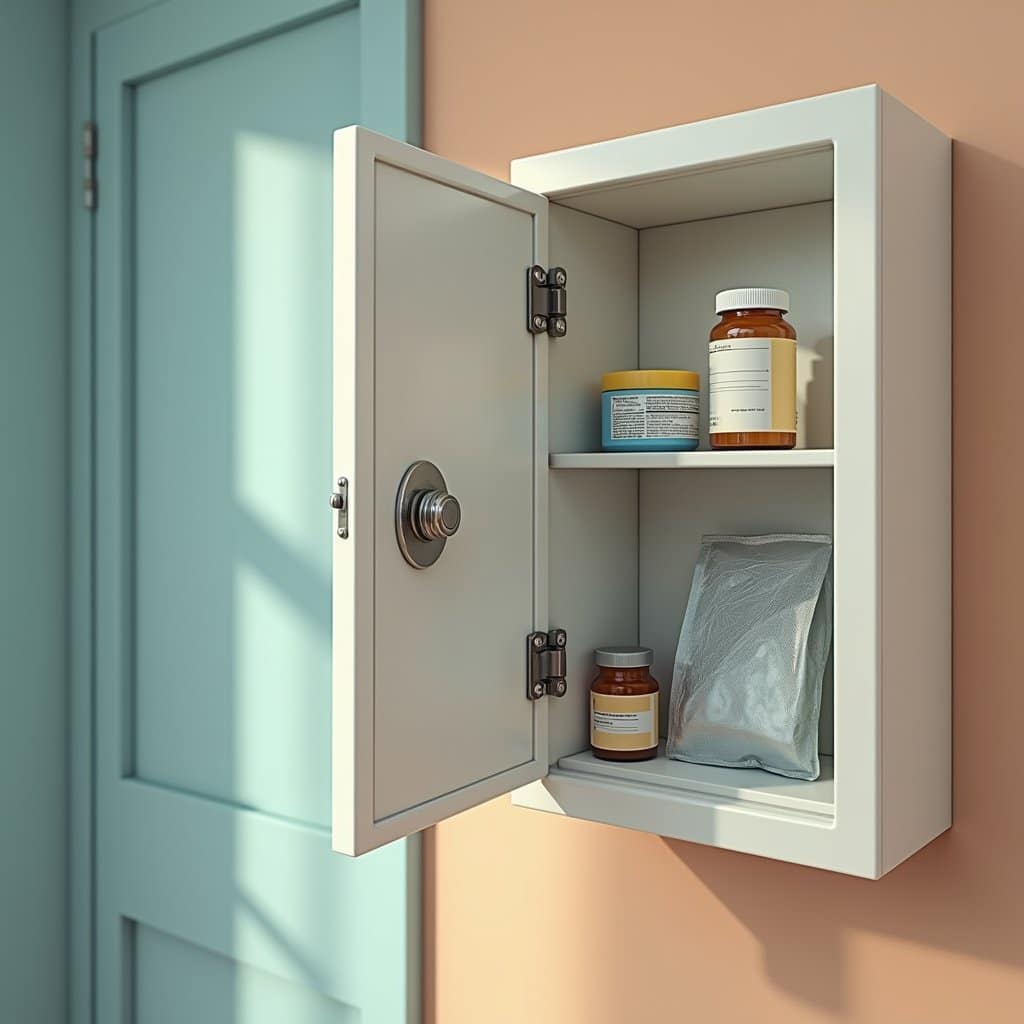
Safety and security are paramount when storing Suboxone in your home. To maintain proper medication integrity, you’ll need to establish multiple secured access points throughout your storage system while utilizing sealed storage receptacles designed for pharmaceutical safekeeping.
Store your Suboxone in airtight containers away from common living areas, preferably in a locked medicine cabinet or safe. Don’t keep medications in bathrooms or kitchens where humidity can compromise their effectiveness. The strips can become less therapeutically active if exposed to moisture or extreme temperatures. Always maintain the original foil packaging, especially when traveling, and guarantee your storage location prevents unauthorized access by children, pets, or visitors. Keep the medication at room temperature between 68-77°F for optimal stability.
Position your storage area away from direct sunlight and heat sources. Adding a silica gel packet helps protect against damaging moisture that can make films sticky or tablets crumbly. When implementing these measures, you’re creating an all-inclusive storage system that protects both the medication’s potency and your household’s safety.
Temperature and Environmental Controls
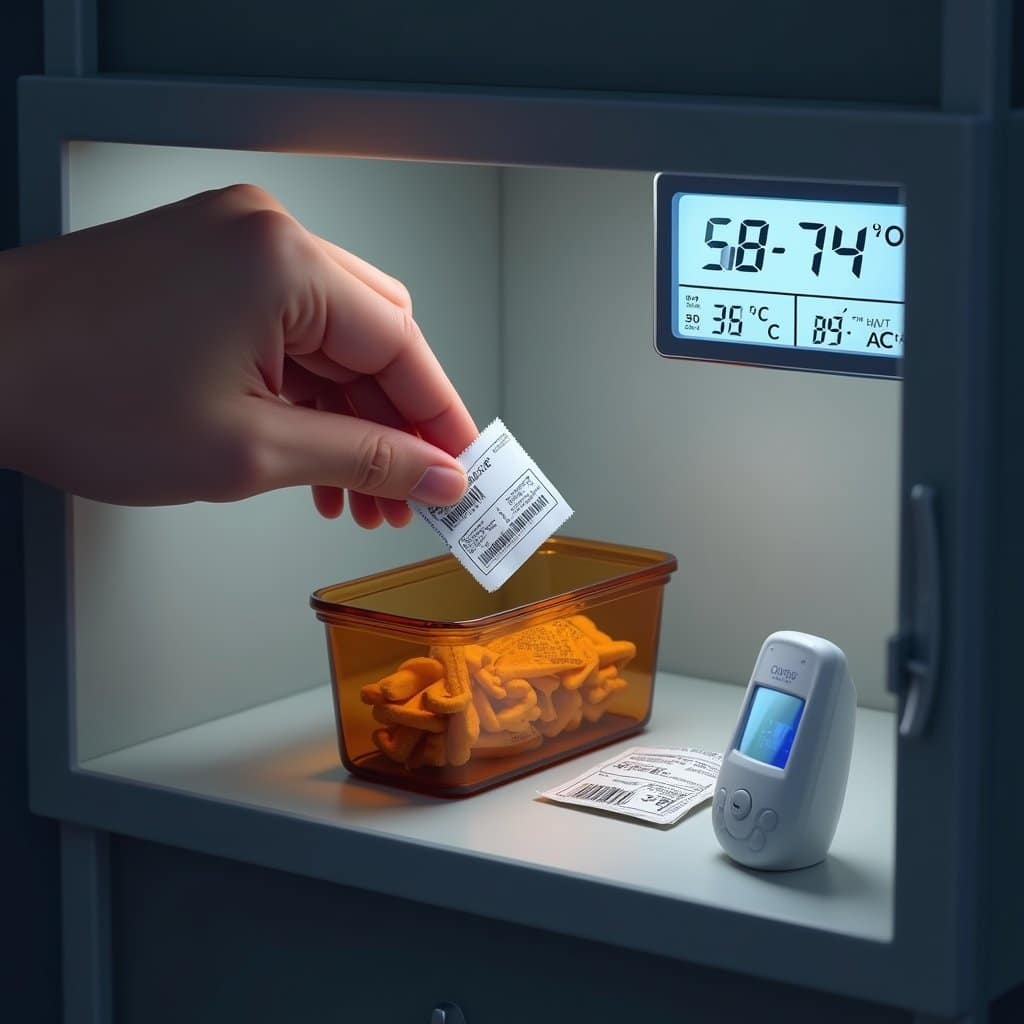
Keep your Suboxone strips at room temperature between 15°C to 30°C (59°F to 86°F) to maintain their effectiveness and prevent degradation of active ingredients.
You’ll need to control humidity by using airtight containers with desiccant packets and avoiding bathroom or kitchen storage where moisture levels are high. Similar to other buprenorphine brands, proper storage is essential for maintaining medication effectiveness. Never expose medications to direct heat sources like car interiors or heaters, as the strips can melt.
Store your medication in its original foil packaging or dark glass containers away from direct light sources, as UV exposure can compromise the drug’s potency.
Ideal Room Temperature Range
For ideal effectiveness of Suboxone, maintaining the proper storage temperature stands as a critical requirement. You’ll need to keep your medication within 68°F to 77°F (20°C-25°C), as recommended by FDA guidelines. While Suboxone can briefly tolerate temperatures up to 86°F, exposure to higher temperatures will accelerate degradation of the active ingredients.
To maintain suitable conditions, guarantee proper airflow circulation and condensation avoidance in your storage area. Don’t store your medication in bathrooms, kitchens, or near heat sources like radiators. Never refrigerate or freeze Suboxone unless specifically directed by your healthcare provider, as extreme cold can damage the medication’s integrity. The sublingual film formulation must be kept whole and undamaged for proper administration. Choose a stable indoor location away from direct sunlight, and avoid areas prone to temperature fluctuations like attics or basements.
Humidity Control Methods
Controlling humidity levels plays a vital role in maintaining Suboxone’s stability and effectiveness. You’ll need to implement specific measures to protect your medication from moisture damage. Use desiccant packs in your storage containers and monitor conditions with reusable humidity monitors to maintain optimal ideal preservation. Since Suboxone comes in various forms like sublingual tablets and films, proper humidity control is especially important to prevent degradation.
| Method | Purpose | Implementation |
|---|---|---|
| Airtight Containers | Moisture Barrier | Use vacuum-sealed or glass containers |
| Location Selection | Environment Control | Choose climate-controlled rooms |
| Humidity Monitoring | Quality Assurance | Install hygrometers, check regularly |
| Protective Measures | Damage Prevention | Add desiccant packs, inspect seals |
Store your Suboxone in bedrooms or living areas rather than bathrooms or kitchens. When accessing your medication, quickly reseal containers and avoid opening them in humid environments. Regularly inspect strips for any signs of moisture exposure, such as sticking or discoloration, and replace compromised storage containers immediately.
Light Protection Strategies
Along with humidity control, proper light protection serves as a key factor in preserving Suboxone’s effectiveness. You’ll need to shield your medication from ultraviolet light exposure by keeping it in its original packaging, which contains built-in light-resistant properties.
Store your Suboxone in dark, secure locations like drawers or cabinets, away from windows and artificial light sources. This practice also prevents degradation and aids in condensation prevention. Don’t transfer strips to non-original containers, as this compromises their protective barrier. If you must use alternative storage, choose airtight, light-resistant containers. Following these storage guidelines helps maintain the medication’s shelf life of 1-2 years.
Regularly inspect your medication for signs of light damage, such as discoloration or altered appearance. If you notice any changes, consult your pharmacist immediately, as these could indicate compromised effectiveness.
Choosing the Right Storage Container
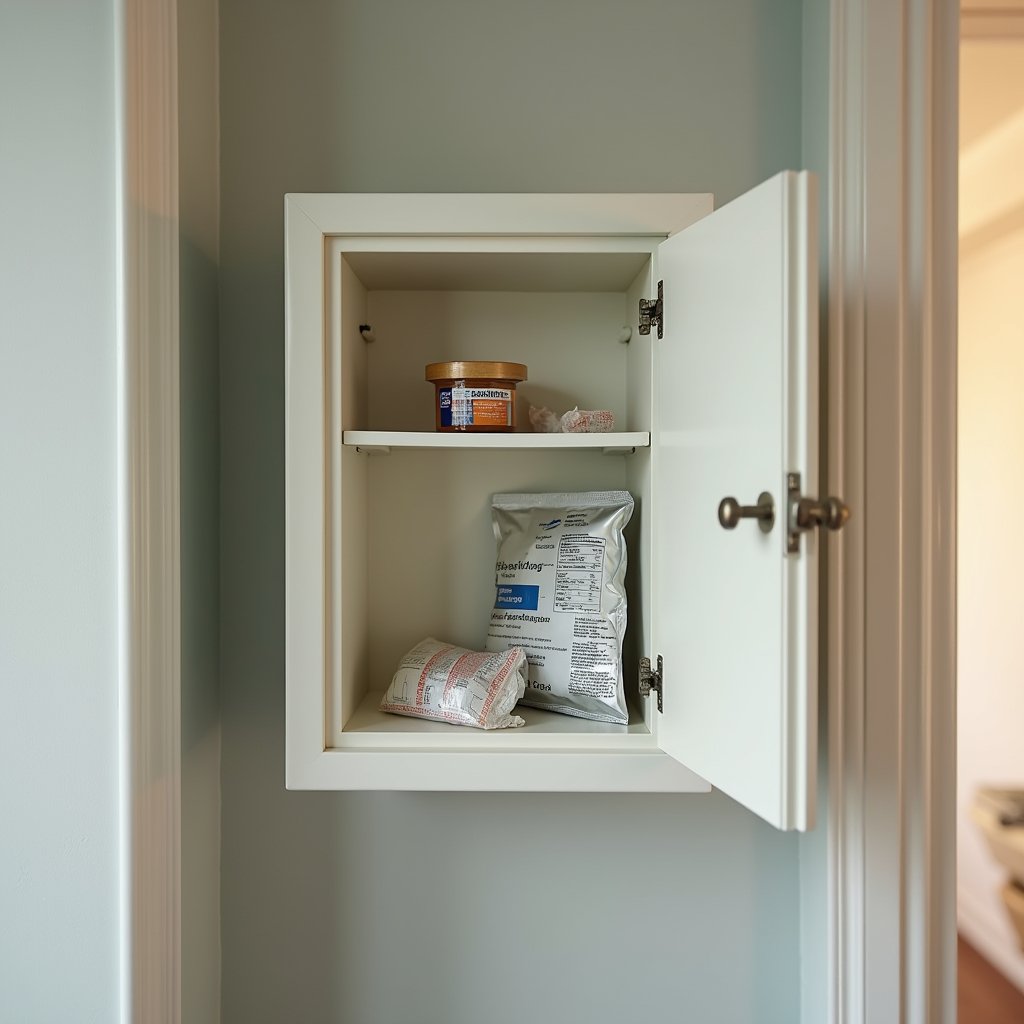
Selecting the appropriate container for your Suboxone requires careful consideration of both material and security features, with airtight glass containers offering superior protection against environmental factors compared to plastic options. You’ll need to guarantee your chosen container maintains the medication’s recommended temperature range while preventing exposure to light, moisture, and air that could compromise its effectiveness.
A lockable storage solution isn’t just a security measure it’s an essential requirement for controlled substances that helps prevent unauthorized access while maintaining proper environmental conditions.
Airtight Glass Vs Plastic
When choosing between glass and plastic containers for Suboxone storage, the scientific evidence strongly favors airtight glass options. Glass containers markedly reduce container interactions and protect against harmful environmental factors, maintaining over 90% of buprenorphine concentration for up to 180 days. In contrast, plastic containers can lead to substantial medication degradation through chemical leaching and inadequate protection. Like other oral film medications, Suboxone must always be kept in its original individual pouches until use.
Key advantages of airtight glass containers include:
- Superior UV light protection, especially with amber-colored glass
- Minimal drug-container interactions that could compromise potency
- Better temperature stability and humidity control with silica gel packets
While plastic options might seem convenient and cost-effective, they’re unsuitable for long-term Suboxone storage. Studies show plastic syringes lose up to 80% concentration at room temperature, making glass containers your most reliable choice for maintaining medication integrity.
Temperature-Controlled Storage Options
Maintaining proper temperature control stands as a critical factor in preserving Suboxone’s therapeutic efficacy. You’ll need to store your medication in environments between 59°F and 86°F to safeguard its stability and potency.
While cryogenic storage isn’t necessary, you’ll want to protect your Suboxone from seasonal temperature fluctuations. Choose storage locations away from heat sources, direct sunlight, and areas prone to temperature swings. Consider dedicated medication cabinets or drawers in interior rooms, which typically maintain consistent temperatures.
For optimal temperature control, use insulated storage containers with built-in temperature indicators. If you’re dealing with warmer environments, incorporate moisture-absorbing desiccant packs and position your storage solution away from windows and heating vents. During summer months, monitor your storage area’s temperature regularly to prevent exposure above 86°F.
Lockable Container Solutions
Proper storage of Suboxone requires a secure, lockable container that meets Drug Enforcement Administration (DEA) requirements for Schedule III medications. You’ll need to guarantee your storage solution provides adequate protection while maintaining compliance with DEA guidelines. A locked cabinet or drawer with tamper-evident mechanisms offers sufficient security for home storage, though some patients opt for additional protection through specialized safes or lockboxes. It’s critical to ensure the medication is away from children at all times. Failing to follow proper storage requirements could result in serious penalties from regulatory authorities.
Choose containers measuring at least 11″x15″x6″ with steel construction and anti-pick locks. Store in cool, dry locations away from bathrooms and direct sunlight. Keep medications separate from other prescriptions in their original packaging. The storage unit must be properly affixed to a permanent structure like a wall or floor for enhanced security.
When selecting your storage container, consider features like combination locks, anchoring options, and separate compartments. Regular inventory checks and limiting access to authorized individuals help maintain security and ensure proper medication management at home.
Child and Pet Safety Measures
Safeguarding Suboxone from children and pets requires multiple layers of protection to prevent potentially fatal exposure. Store your medication in child-resistant containers placed in high, inaccessible locations away from common areas where children and pets frequent. Don’t leave strips or containers on countertops, nightstands, or floors where they’re within reach.
Implement household educational protocols by teaching family members about emergency response procedures for accidental ingestion. The medication should be stored in a locked safety box at all times. Follow strict residue cleanup procedures by washing your hands thoroughly after handling medication and immediately returning empty strips to locked containers. Clean any surfaces or bedding that may have been contaminated.
Keep pets away from storage areas, as they might chew through packaging. If you have multiple prescriptions, clearly label containers and store Suboxone separately to prevent confusion.
Managing Your Medication Supply
Successful Suboxone treatment depends on disciplined medication management. You’ll need to maintain accurate dosage record keeping through calendars or digital apps while tracking your inventory to prevent potential overuse. Store your medication in its original packaging at room temperature, away from moisture and direct sunlight.
Monitor expiration dates regularly and dispose of expired medication through approved programs. Document all dose adjustments to identify patterns and prevent unintended escalations. Request refills 7-10 days before running out to safeguard against treatment interruptions.
Keep emergency contact information readily available for your healthcare provider, and verify your insurance coverage to guarantee consistent access to prescribed formulations. When discontinuing treatment, return unused medication to your healthcare provider rather than storing it indefinitely or disposing of it improperly.
Warning Signs of Improper Storage
Visual inspection of your Suboxone medication can reveal critical warning signs of compromised storage conditions. Watch for discoloration, warping, or strips sticking together, as these indicate exposure to heat above 77°F or excessive moisture.
Regular visual checks of Suboxone strips can identify damage from poor storage look for warping, discoloration, or strips that stick together.
Through proper medication handling techniques, you’ll notice if strips become brittle, crumbly, or develop an unusual texture. Keep strips in their original packaging material to maintain maximum potency and prevent degradation from environmental factors.
You shouldn’t store Suboxone in bathrooms or cars where temperature fluctuations and humidity can degrade the medication. Place medications in locked storage to prevent accidental exposure to children. Pay attention to your storage container’s seal integrity and implement regular expiration date monitoring. Working with healthcare providers for proper monitoring helps ensure safe medication management.
If you spot any physical changes like clumping, adhesion loss, or darkening of the strips, don’t use the medication. These signs suggest the active ingredients may have broken down, potentially reducing the treatment’s effectiveness and safety.
Recovery Starts with One Courageous Step
Frequently Asked Questions
Can I Store Suboxone Strips in My Wallet Temporarily While at Work?
While you may want to keep Suboxone discreet at work, storing strips in your wallet isn’t recommended. Your wallet can expose the medication to harmful conditions like heat, humidity, and light that degrade its effectiveness.
Furthermore, wallets aren’t secure storage containers and can be lost or stolen. Instead, you’ll want to use an opaque, airtight container and avoid leaving Suboxone unattended. Consider discussing workplace storage options with your healthcare provider.
What Happens if My Suboxone Accidentally Goes Through the Airport X-Ray Machine?
Don’t worry – your Suboxone is completely safe going through airport X-ray machines. During standard airport security procedures, the low-intensity radiation used won’t affect your medication’s chemical composition or effectiveness.
X-ray screening is routinely used for medical device handling and won’t degrade the buprenorphine or naloxone compounds in your Suboxone. You can confidently pass your medication through security screening without concern about its stability or potency.
Should I Refrigerate Suboxone if My Home Regularly Exceeds 86°F?
While refrigeration isn’t recommended for Suboxone, you should take alternative steps when your home exceeds 86°F. Store your Suboxone in an airtight container and place it in the coolest room of your house, away from direct sunlight exposure.
Consider using a closet or cabinet on a lower floor, as heat rises. If needed, you can use a small insulated container, but don’t refrigerate as this can introduce damaging moisture.
How Long Can Suboxone Strips Remain Stable in a Travel Pill Organizer?
You shouldn’t store Suboxone strips in a travel pill organizer for more than 7-10 days, as these containers aren’t designed for long-term stability. Even with proper travel conditions, the strips can degrade when removed from their original packaging.
For household safety, keep only what you’ll need for your trip in the organizer and store the rest in their sealed foil pouches at home. Always monitor strips for signs of deterioration during travel.
Can I Split My Suboxone Storage Between Two Different Secure Locations?
Yes, you can split your Suboxone storage between two secure locations as long as you follow strict safety protocols. You’ll need a locked storage compartment or secure lockbox at each site to prevent unauthorized access.
Remember to maintain identical environmental conditions (temperature, humidity, light protection) at both locations. Always keep proper documentation with each storage site and guarantee you’re complying with your provider’s guidelines for medication management and accountability.