
Taking magnesium glycinate at night typically works best for anxiety because it enhances GABA activity and supports your body’s natural relaxation response. However, you might benefit from morning dosing if your anxiety peaks during waking hours or if you notice subtle alertness with evening supplementation. Research suggests consistency matters more than perfect timing for building therapeutic magnesium levels. Understanding how this supplement affects your brain’s neurotransmitters can help you optimize your personal dosing schedule.
Night vs. Morning: When to Take Magnesium Glycinate for Anxiety

When should you take magnesium glycinate for anxiety, morning or night? The answer depends on your primary goals and individual response patterns.
If you’re targeting sleep-related concerns, taking magnesium before bed anxiety management may prove beneficial. The glycine component offers calming properties that support relaxation and circadian rhythm regulation.
However, if daytime stress is your main concern, morning supplementation fits naturally into a stress-management routine. Research indicates that consistency matters more than specific timing, you’ll build therapeutic magnesium levels through daily use regardless of when you take it. This matters because magnesium serves as an essential mineral cofactor for over 300 biochemical reactions in your body. Studies show that people with mild to moderate anxiety often notice improvements within 1-2 weeks of consistent supplementation. Magnesium glycinate is particularly effective because it activates GABA receptors in the brain, which helps promote relaxation and reduce anxiety symptoms.
Consider your digestive comfort and daily patterns when deciding. Some individuals absorb magnesium glycinate better with food. Most importantly, maintain your chosen schedule consistently, as meaningful anxiety improvements typically develop over 2-4 weeks of regular supplementation.
Why Nighttime Dosing Works Best for Most People
While both timing options offer benefits, nighttime dosing aligns more closely with magnesium glycinate’s biochemical effects for most individuals. The glycine component enhances your nervous system’s natural relaxation response, supporting sleep regulation and reducing nighttime awakenings.
Nighttime magnesium glycinate works with your body’s natural relaxation response, promoting deeper sleep and fewer awakenings.
Research demonstrates that evening supplementation complements your circadian rhythm by boosting GABA activity when your body naturally prepares for rest. This timing also supports melatonin production, helping you shift into deeper sleep stages more efficiently.
Clinical studies show participants experienced reduced sleep onset latency, from 40.6 to 21.7 minutes, when maintaining consistent evening dosing. You’ll likely notice improved sleep quality scores and enhanced relaxation as magnesium blunts excitatory glutamate release during your wind-down period.
For anxiety management, nighttime use addresses both sleep disruption and nervous system hyperexcitability simultaneously, maximizing therapeutic potential.
When Morning Magnesium Glycinate Makes More Sense

If your anxiety peaks during waking hours, taking magnesium glycinate in the morning may provide more targeted support when you need it most. Research suggests that magnesium helps regulate cortisol and modulate glutamate activity, which could help manage daytime stress responses without causing sedation. A consistent morning routine also allows you to pair the supplement with food, reducing potential digestive discomfort while maintaining steady levels throughout the day.
Daytime Anxiety Management
For individuals who experience anxiety primarily during waking hours, taking magnesium glycinate in the morning may offer targeted support throughout the day. This magnesium supplement timing allows the compound to work during peak stress periods when cortisol levels typically rise.
Morning dosing leverages magnesium glycinate’s ability to blunt glutamate release while promoting GABA activity, potentially reducing excitatory brain signals during demanding activities. The best time to take magnesium often depends on when you need its calming effects most.
Research suggests magnesium glycinate’s high bioavailability makes it gentle on your stomach during active hours, minimizing digestive discomfort. If muscle tension accompanies your daytime anxiety, morning supplementation may help alleviate physical stress symptoms throughout the day. You’ll want to establish consistent timing to maintain stable magnesium levels and optimize its stress-modulating properties.
Avoiding Evening Alertness
Although magnesium glycinate typically promotes relaxation rather than stimulation, some individuals notice subtle alertness when taking it in the evening. If you’re wondering when to take magnesium glycinate for anxiety and experience this effect, morning dosing may suit you better.
Consider switching to morning intake if you notice:
- Difficulty falling asleep after evening doses
- Heightened mental awareness at bedtime
- Disrupted sleep-wake cycles despite consistent use
- Prolonged neural activity that interferes with rest
Understanding how long for calm magnesium to work helps set expectations, effects typically emerge within one to two weeks. When does magnesium glycinate start working? Initial changes can occur within days, making morning use practical for maintaining daytime calmness. If you’re questioning how long does it take calm to work, consistent AM timing optimizes absorption without evening interference.
Consistent Morning Routine
Taking magnesium glycinate in the morning makes sense when daytime anxiety management is your primary goal. The glycine component supports nervous system balance throughout your active hours, helping regulate GABA and serotonin production when you need it most. This GlycineSynergyMorningEnergy approach allows the supplement to work alongside your body’s natural cortisol patterns.
Morning dosing helps lower cortisol levels and attenuates HPA axis responses, reducing your fight-or-flight activation during stressful daily situations. You’ll want to take it with breakfast to minimize stomach upset and optimize absorption.
Research suggests that consistent morning supplementation at 300, 400 mg daily can improve outcomes within one to two weeks. By establishing this routine, you’re proactively addressing anxiety before daily stressors accumulate rather than reactively managing symptoms at night.
What Studies Found About Magnesium Glycinate Timing
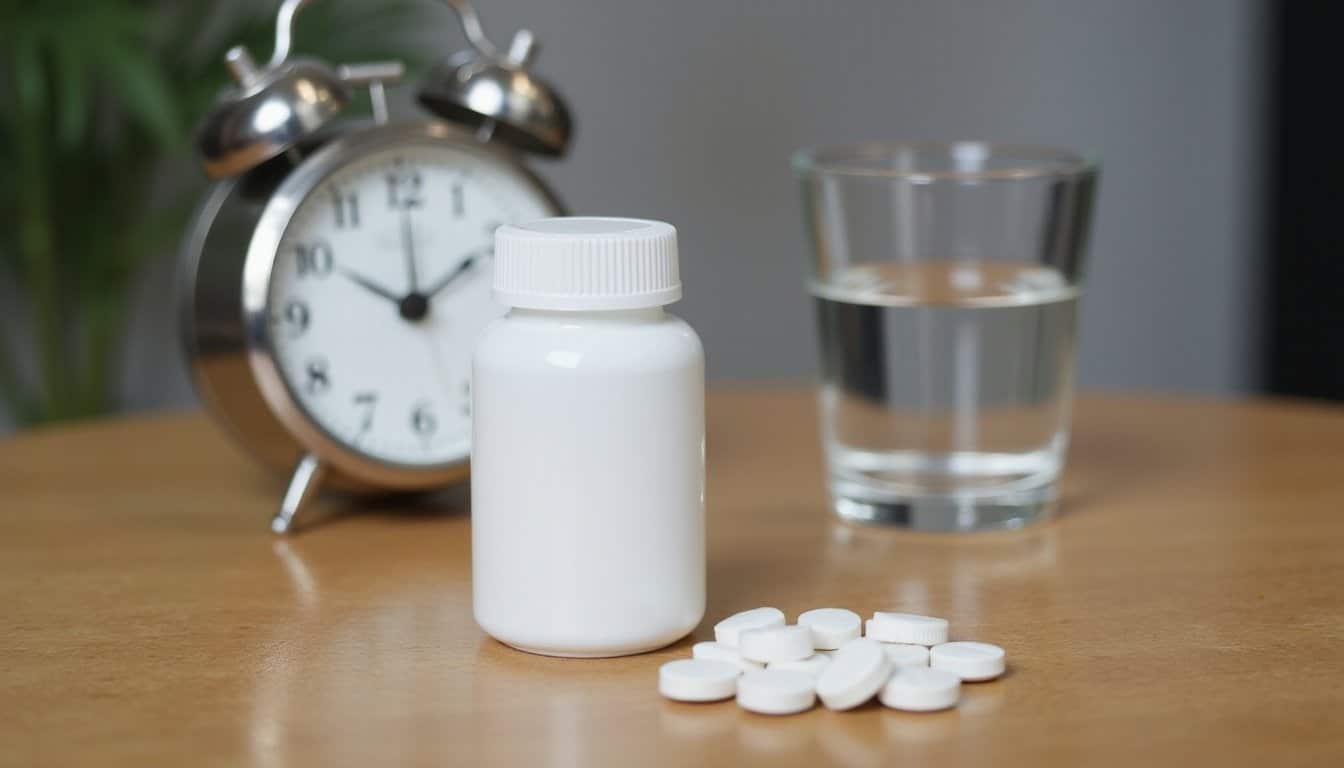
Research on magnesium glycinate and anxiety reveals consistent patterns worth examining. Studies indicate you’ll likely need patience when determining how long for magnesium supplement to work effectively.
Clinical findings suggest the following timeline:
Expect initial effects within 1-2 weeks, with optimal anxiety improvements typically developing over 4-12 weeks of consistent supplementation.
- Initial effects may emerge within 1-2 weeks with consistent daily use
- Ideal improvements typically occur between 4-12 weeks of supplementation
- Studies combining magnesium with B6 showed superior short-term results (p < 0.03)
- Greatest anxiety score reductions appeared during the first 4 weeks
Your baseline magnesium status considerably influences response time. If you’re deficient, you may notice improvements faster as your levels normalize. However, research doesn’t definitively establish whether morning or evening dosing produces superior anxiety outcomes. Most studies prioritized consistency over specific timing, suggesting regular daily intake matters more than when you take it.
How Magnesium Glycinate Reduces Anxiety in Your Brain
Your brain relies on a delicate balance of chemical signals, and magnesium glycinate helps restore equilibrium when anxiety disrupts this system. Research indicates it blocks overactive NMDA receptors that contribute to neuronal hyperexcitability, while simultaneously supporting the balance between excitatory glutamate and calming GABA neurotransmitters. Additionally, magnesium modulates your HPA axis, which can help reduce heightened cortisol levels associated with chronic stress and anxiety.
Blocks Overactive Brain Signals
When anxiety takes hold, your brain often experiences a surge of excitatory signals that can feel overwhelming. Magnesium glycinate helps restore balance by blocking NMDA receptors, which reduces the excitatory effects of glutamate, your brain’s primary excitatory neurotransmitter.
Research indicates magnesium produces anxiolytic effects through several mechanisms:
- Blocks NMDA receptors in the amygdala, decreasing fear responses
- Suppresses presynaptic glutamate release, preventing neuronal over-firing
- Reduces cortisol pathways that amplify anxiety in the central nervous system
- Enhances BDNF expression, supporting neuronal resilience
This receptor antagonism works similarly to how certain fast-acting antidepressants target the same pathways. Establishing a consistent magnesium daily schedule may help maintain stable levels, allowing these mechanisms to function ideally. Your individual response will determine whether morning or evening dosing proves most effective.
Balances Key Neurotransmitters
How exactly does magnesium glycinate influence the chemical messengers that govern your mood? This compound works by enhancing GABA signaling, your brain’s primary inhibitory neurotransmitter responsible for calming neural activity. Research indicates magnesium increases GABAergic availability while simultaneously reducing presynaptic glutamate release.
The glycine component provides additional benefits. As an inhibitory neurotransmitter in your central nervous system, glycine signals your brain to enter a more restful state without causing sedation or emotional blunting.
Magnesium also modulates neuroendocrine pathways, helping diminish cortisol signaling during stress responses. This regulation supports your body’s ability to manage overwhelmed neurotransmitter systems that act as on-off switches in your brain. By promoting balance between excitatory and inhibitory signals, magnesium glycinate may help restore equilibrium in the chemical messaging systems linked to anxiety symptoms.
Lowers Stress Hormone Levels
Chronic stress can wear down your body’s ability to regulate cortisol, but magnesium glycinate may help restore balance by modulating the hypothalamic-pituitary-adrenal (HPA) axis. This mineral acts as a natural brake on your stress response, reducing excessive cortisol output when you’re under pressure.
Research suggests magnesium glycinate supports stress hormone regulation through several mechanisms:
- Decreases ACTH release from your pituitary gland, limiting cortisol production
- Reduces sensitivity of glucocorticoid receptors to cortisol signaling
- Limits nocturnal cortisol elevation, supporting your circadian rhythm
- Inhibits catecholamine release involved in your stress-activated response
A 2017 study in the Journal of Clinical Psychopharmacology found magnesium reduced anxiety symptoms through stress hormone regulation. The glycinate form’s high absorption rate may sustain these cortisol-lowering effects more effectively than other forms.
How Long Until Magnesium Glycinate Eases Your Anxiety?
Understanding exactly when magnesium glycinate will begin reducing your anxiety requires patience, as individual responses vary considerably. Some people report subtle calming effects within days, while others need one to two weeks of consistent use before noticing improvements.
Research indicates meaningful anxiety relief typically emerges after four to six weeks of regular supplementation. Studies demonstrate significant improvements in anxiety scores by week eight, with the greatest changes occurring during the first four weeks of treatment.
Your personal timeline depends on several factors: baseline magnesium status, anxiety severity, dosage, and how efficiently your body absorbs the supplement. Those with existing deficiencies may respond faster than individuals with adequate levels.
Most clinical evidence supporting magnesium’s anxiety-reducing effects comes from studies lasting six to twelve weeks, suggesting you should commit to consistent use before evaluating effectiveness.
How to Choose Your Dose and Daily Schedule
Once you’ve established realistic expectations for when results may appear, selecting the right dose and timing becomes your next suitable step. Research supports 200-400 mg of magnesium glycinate daily for anxiety management, though individual needs vary based on deficiency levels and dietary intake.
Consider these evidence-based guidelines for dosing:
- Start with 200 mg daily to assess tolerance
- Limit single doses to 300-400 mg to minimize digestive side effects
- Split larger doses between morning and evening for ideal absorption
- Take with meals to enhance bioavailability
The tolerable upper intake from supplements is 350 mg for adults. If you’re pregnant, breastfeeding, or managing kidney or heart conditions, consult your healthcare provider before supplementing. Consistency matters more than perfect timing for maintaining stable magnesium levels.
Signs You Need to Adjust Your Magnesium Timing
Even when you’ve followed proper dosing guidelines, certain signs indicate your magnesium timing strategy isn’t working ideally for your anxiety management.
Watch for persistent racing thoughts or heightened muscle tension despite consistent supplementation. If you’re experiencing daytime drowsiness, your evening dose may be too close to waking hours. Conversely, nighttime anxiety continuing despite morning supplementation suggests you’d benefit from an evening dose instead.
Gastrointestinal discomfort, including loose stools, often signals absorption issues related to timing. If you haven’t noticed subtle improvements within two weeks, consider adjusting when you take your supplement.
Inconsistent anxiety relief throughout the day indicates single-dose timing may be ineffective for your needs. You might require split dosing or a different schedule entirely. Track your symptoms carefully and consult your healthcare provider before making significant changes.
Frequently Asked Questions
Can I Split My Magnesium Glycinate Dose Between Morning and Night?
Yes, you can split your magnesium glycinate dose between morning and night. This approach helps maintain steadier magnesium levels throughout the day, potentially supporting both daytime calmness and nighttime relaxation. You’ll likely reduce digestive discomfort by taking smaller amounts at each serving. A common split involves 200 mg in the morning and 200 mg in the evening with meals. However, you should consult your healthcare provider, especially if you’re taking medications.
Does Taking Magnesium Glycinate With Food Affect Its Anxiety Benefits?
Taking magnesium glycinate with food actually enhances its anxiety benefits by optimizing absorption and bioavailability. When you consume it alongside a meal, your digestive tract processes the supplement more efficiently, ensuring your nervous system receives adequate magnesium for stress regulation. Food also minimizes potential mild digestive discomfort. You’ll want to avoid taking it simultaneously with calcium or zinc supplements, as these minerals compete for absorption pathways, potentially reducing effectiveness.
Will Magnesium Glycinate Interact With My Current Anxiety Medication?
Magnesium glycinate can interact with certain anxiety medications. If you’re taking SSRIs, research suggests magnesium may actually enhance their effects, potentially improving depression symptoms when used together for at least six weeks. However, if you’re taking gabapentin for anxiety, magnesium can reduce its absorption by 20-40%, decreasing effectiveness. You should separate these doses by at least two hours. Always consult your healthcare provider before combining magnesium with any prescription medication.
Can I Take Magnesium Glycinate on an Empty Stomach Safely?
You can safely take magnesium glycinate on an empty stomach if you’re a healthy adult. The glycinate form is gentler on your digestive system than other magnesium types. Start with a modest dose of 100-150 mg elemental magnesium and monitor for mild side effects like nausea or loose stools. If you experience GI discomfort, take it with food instead. Space doses 2-4 hours from antibiotics or thyroid medications.
Should I Stop Magnesium Glycinate Before Surgery or Medical Procedures?
You should stop magnesium glycinate 7-14 days before elective surgery. Magnesium affects neuromuscular function and can complicate anesthesia administration, blood pressure regulation, and electrolyte balance during procedures. It may also interact with surgical medications and potentially increase bleeding risk when combined with anticoagulants. For minor procedures, you’ll need at least 24-48 hours of discontinuation. Always consult your healthcare provider for personalized guidance based on your specific procedure and dosage.