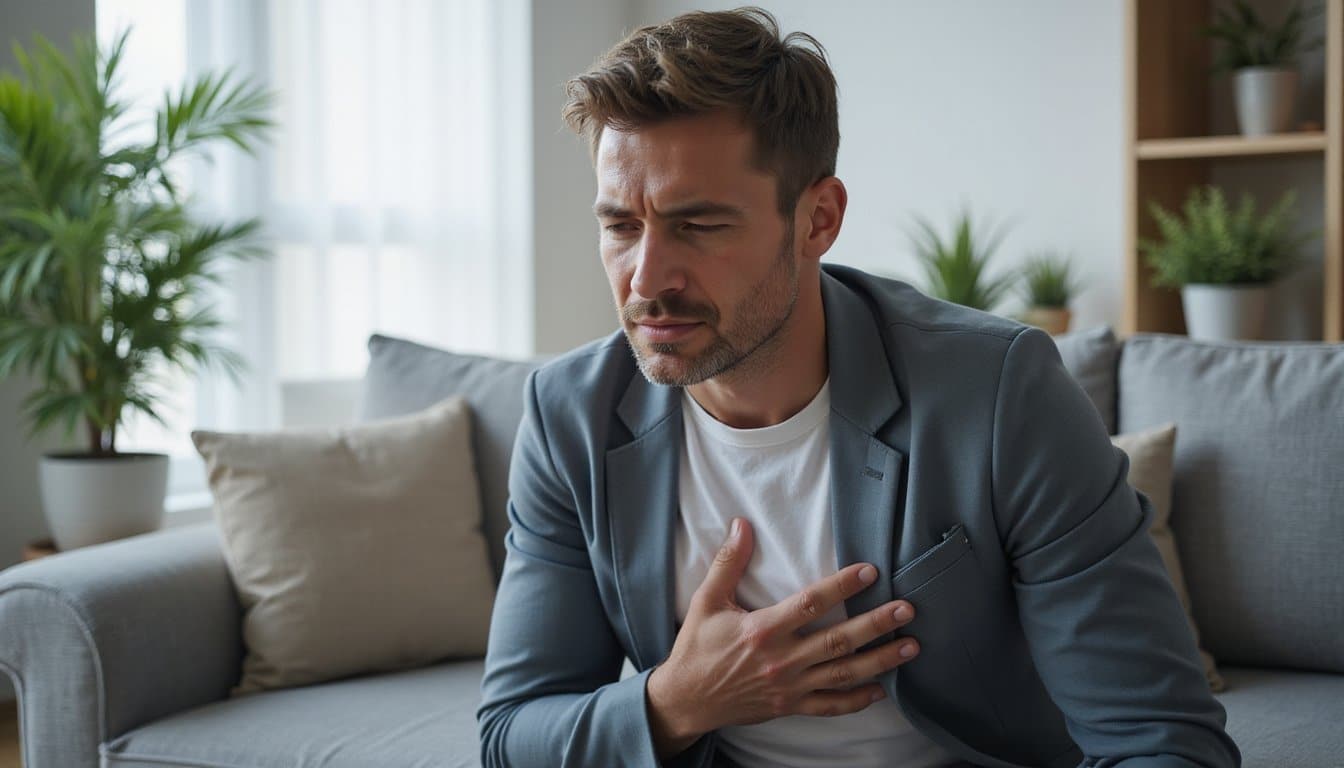
When you’ve consumed too much THC, your body responds with distinct warning signs. You’ll likely notice your heart racing 20% to 100% above normal, your eyes reddening, and your mouth becoming uncomfortably dry. Psychologically, initial euphoria shifts to intense anxiety, paranoia, or panic responses. Your judgment becomes impaired, and sensory perceptions may feel overwhelming. Understanding weed overdose symptoms and the full progression of these symptoms, and how long they’ll last, can help you navigate the experience safely.
What Is a Weed Overdose?

A weed overdose occurs when someone consumes more THC than their body can comfortably process, leading to marijuana toxicity. While rarely fatal, cannabis overdose symptoms can profoundly impact your central nervous system, cardiovascular function, and mental state.
THC, the primary psychoactive compound in marijuana, triggers these adverse effects when you exceed your tolerance threshold. THC overdose symptoms typically emerge after inhaling doses exceeding 7.5 mg/m2 or ingesting concentrated edibles with delayed onset times. When smoked, marijuana is believed to be up to 2.6 times more potent than when consumed through other methods.
You’re more likely to experience symptoms of weed overdose with edibles because dosing errors occur frequently. The effects can last hours to days, depending on consumption method and individual metabolism. Children, elderly individuals, and those with limited cannabis exposure face heightened vulnerability to severe reactions requiring medical monitoring.
Possible signs and symptoms of overdose include extreme anxiety, psychotic reactions, decreased judgment, fast heart rate, seizures, and unresponsiveness.
Early Weed Overdose Symptoms to Recognize
You may first notice subtle shifts in your mood, where initial euphoria becomes tinged with unease or discomfort. Your eyes often turn red due to blood vessel dilation, a visible indicator that THC is affecting your system. Your heart rate typically increases, sometimes noticeably, which can serve as an early warning sign before more intense symptoms develop.
Mild Euphoria Changes
When THC consumption exceeds your typical tolerance threshold, the initial euphoric sensations you’d normally experience don’t simply plateau, they intensify beyond your established baseline. This escalation represents one of the earliest weed overdose symptoms, signaling that tetrahydrocannabinol levels are climbing higher than your system can comfortably process.
You’ll notice your “high” shifting from pleasant relaxation to pronounced mental elevation. Too much weed symptoms at this stage include:
- Sensory perception becoming dramatically heightened, with colors appearing brighter and sounds registering louder than normal
- Enhanced appreciation for music and artistic elements intensifying beyond typical enjoyment
- Mental state altering toward excessive joviality that feels disproportionate to circumstances
- Metacognitive awareness increasing, making you hyperconscious of your own thought processes
Recognizing these early changes helps you identify overconsumption before more distressing symptoms develop.
Red Eyes Appear
Because THC enters your bloodstream regardless of consumption method, it triggers vasodilation in ocular blood vessels, causing the characteristic redness that’s often the first visible sign of marijuana intoxication.
This bloodshot appearance occurs as cannabinoids relax blood vessels in your eyes, increasing blood flow and creating that unmistakable visual marker. Among marijuana overdose symptoms, red eyes typically emerge early and persist for several hours as THC metabolizes.
When examining signs of weed overdose, you’ll notice accompanying effects: dry eyes, dilated pupils impairing light regulation, and a glassy appearance from altered blinking patterns. What does a weed overdose feel like visually? Your eyelids may appear puffy with slight tremors.
If redness persists beyond 24 hours or includes pain or blurry vision, seek medical evaluation to rule out underlying conditions.
Heart Rate Increases
Shortly after THC enters your bloodstream, it activates CB1 receptors in your cardiovascular system and triggers a dose-dependent increase in heart rate, one of the earliest physical indicators that you’ve consumed more than your body can comfortably process.
This tachycardia represents a key cannabis toxicity sign that distinguishes normal effects from potential marijuana poisoning. Your sympathetic nervous system responds to heightened THC levels, causing your heart to beat noticeably faster.
Common accompanying thc poisoning symptoms include:
- Pounding sensation in your chest paired with mounting anxiety
- Dizziness that intensifies when standing or moving quickly
- Sweating despite feeling cold or clammy
- Chest tightness that amplifies panic responses
Monitor your heart rate carefully. If it remains persistently raised alongside other distressing symptoms, this combination warrants closer attention to your physical state.
Physical Symptoms of Weed Overconsumption
When you consume too much cannabis, your body responds with several distinct physical changes that signal overconsumption. You’ll likely notice your heart rate increasing rapidly, your eyes becoming red and irritated, and your mouth feeling uncomfortably dry. These symptoms often occur alongside drops in blood pressure, which can leave you feeling lightheaded or unsteady.
Rapid Heart Rate Changes
After consuming cannabis, your heart rate can increase by 20% to 100% above baseline levels, with this elevation typically persisting for two to three hours. This tachycardia occurs through reflex mechanisms triggered by THC-induced vasodilation. You’ll notice your heart beating faster almost immediately after use, often accompanied by a slight rise in blood pressure.
The cardiovascular response carries documented risks:
- Atrial fibrillation and ventricular tachycardia appear in clinical case reports
- Pre-existing heart conditions drastically amplify danger
- Increased myocardial oxygen demand strains cardiac function
- Higher doses may cause postural hypotension alongside rapid heartbeat
These effects become compounded if you smoke cigarettes or exercise while intoxicated. If you experience chest pain, irregular rhythms, or sustained rapid heartbeat, seek medical evaluation promptly.
Red Eyes and Dry Mouth
Red eyes and dry mouth rank among the most recognizable physical signs of cannabis consumption, occurring regardless of whether you smoke, vape, or ingest edibles. THC binds to receptors throughout your body, dilating blood vessels in your eyes and reducing tear production. This dual action creates the characteristic red appearance alongside uncomfortable dryness.
| Symptom | Mechanism |
|---|---|
| Red eyes | THC lowers blood pressure, dilating ocular blood vessels |
| Dry mouth | THC reduces saliva production through receptor binding |
| Eye irritation | Decreased tear production causes itching |
| Resolution time | Symptoms typically clear within hours |
| Treatment | Over-the-counter eye drops provide temporary relief |
These effects resolve naturally as THC levels decline. You won’t experience permanent vision damage from cannabis-induced redness, though persistent symptoms beyond 24 hours warrant medical evaluation.
Low Blood Pressure Effects
Blood pressure can drop considerably during cannabis overconsumption, triggering a cascade of uncomfortable and potentially dangerous symptoms. When you stand up, THC-induced vasodilation causes blood to pool in your lower extremities, resulting in postural hypotension. Your heart compensates with reflex tachycardia, increasing myocardial oxygen demand.
You may experience:
- Dizziness or light-headedness when shifting from sitting to standing
- Mottled skin with delayed capillary refill indicating poor peripheral perfusion
- Fatigue and lethargy accompanying sustained low blood pressure readings
- Risk of fainting or falls due to inadequate cerebral blood flow
Clinical evidence shows systolic pressure can drop markedly, documented pediatric cases reveal readings as low as 50/30 mm Hg. These episodes typically respond to fluid support. If you’re experiencing severe symptoms, lie down immediately and seek medical evaluation.
Psychological Weed Overdose Symptoms
While physical symptoms of cannabis overconsumption typically resolve without medical intervention, psychological effects often prove more distressing and can feel overwhelming in the moment. You may experience intense anxiety or panic attacks characterized by racing heart, difficulty breathing, and overwhelming fear. Paranoid thoughts ranging from mild suspicion to severe delusions occur frequently, particularly with high THC doses.
In rare cases, you might encounter psychotic-like symptoms including hallucinations, disorganized thoughts, and loss of contact with reality. Cannabis depersonalization can make you feel disconnected from yourself or your surroundings, as if watching from outside your body. Cognitive impairment manifests as altered time perception, confusion, difficulty concentrating, and memory disruption. These psychological symptoms appear more commonly in inexperienced users or those consuming unexpectedly potent products.
What to Do When You’re Greening Out

If you’re experiencing a greening out episode, your first priority is to remain calm and remind yourself that these symptoms are temporary and not life-threatening. Move to a quiet, comfortable space where you can lie down, and begin sipping water or an electrolyte drink to stay hydrated. Practice slow, deep breathing techniques to help regulate your heart rate and reduce feelings of panic or anxiety.
Stay Calm and Hydrate
When THC overwhelms your system and greening out occurs, your most effective first response involves staying calm and reaching for water. Anxiety amplifies overdose symptoms, making mental composure essential for managing your experience. Panic attacks commonly intensify without emotional regulation, so reassurance and soothing techniques support your recovery during acute intoxication.
Hydration addresses multiple symptoms simultaneously. Fluid intake supports your body’s natural THC processing while helping manage tachycardia. If you’re experiencing nausea, sip water carefully to maintain physical stability.
- Breathe slowly and remind yourself symptoms are temporary
- Drink small amounts of water consistently
- Engage in calming distractions like familiar music or television
- Move to a comfortable, low-stimulation environment
These interventions help occupy your focus until effects diminish, typically within hours, depending on the consumption method.
Find a Safe Space
Finding a safe environment becomes your priority once greening out symptoms intensify beyond basic calming techniques. Select a quiet area with dim lighting to reduce sensory input that can escalate panic responses. Sit or lie down in familiar surroundings where you feel stable and secure.
Eliminate bright lights, loud music, and screen exposure immediately. These stimuli often backfire, triggering heightened anxiety rather than providing distraction. If you’re in public, excuse yourself promptly from chaotic environments.
A warm or cool shower can interrupt racing thoughts through temperature change. If showering feels overwhelming, simply wash your face or hold your hands under cold water. This sensory reset helps ground you without requiring additional substances.
Don’t remain alone. Stay with a trusted person who can use a low voice and gentle presence to keep you anchored until symptoms resolve.
Practice Deep Breathing
Because hyperventilation often accompanies cannabis-induced panic, controlled breathing serves as your most accessible intervention for immediate symptom relief. When you hyperventilate, inadequate carbon dioxide intake triggers tingling in your extremities and dizziness, symptoms that amplify panic responses.
- Inhale slowly for three to four seconds, focusing on lung expansion
- Hold for one to two seconds to stabilize carbon dioxide levels
- Exhale steadily for three to four seconds
- Continue until lightheadedness resolves and natural breathing resumes
Controlled breathing directly counteracts THC-induced heightened heart rate and anxiety. You’re engaging your parasympathetic nervous system, which promotes calm and physiological stability. Pair this technique with hydration and a quiet environment for enhanced effectiveness. This intervention transforms overwhelming distress into manageable discomfort while your body processes excess THC.
Weed Overdose Symptoms That Need Emergency Care
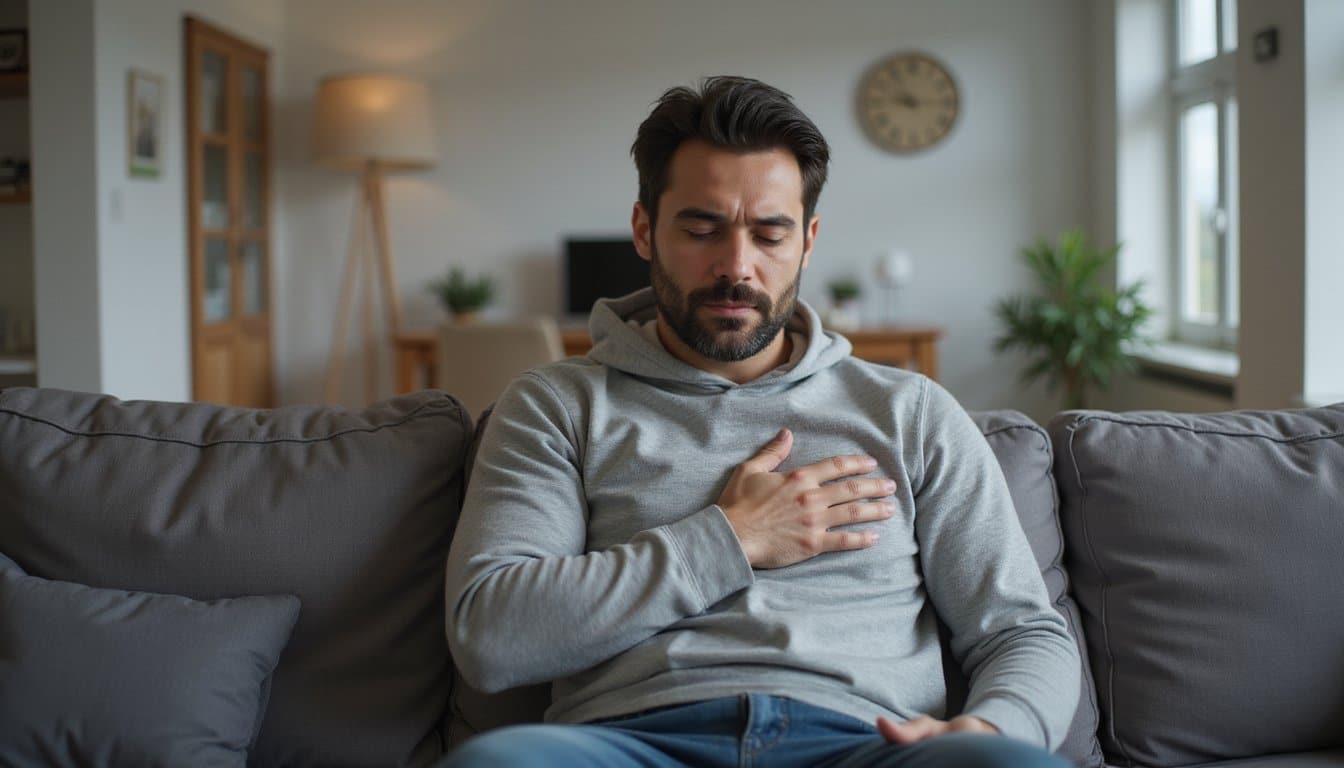
Although most cannabis-related symptoms resolve without medical intervention, certain signs indicate a genuine emergency requiring immediate care.
Seek immediate help if you experience chest pain, irregular heartbeat, or difficulty breathing. These cardiovascular and respiratory symptoms can signal serious complications, particularly if you have pre-existing heart conditions.
Chest pain, irregular heartbeat, or difficulty breathing after cannabis use signals a medical emergency, call for help immediately.
Neurological warning signs include seizures, loss of consciousness, or severe unresponsiveness. If you’re unable to wake someone or they’re experiencing uncontrollable shaking, call emergency services immediately.
Psychiatric emergencies warrant urgent care when you experience hallucinations, psychotic reactions, or complete loss of touch with reality. Panic attacks that don’t respond to calming techniques also require professional assessment.
Children showing any intoxication symptoms need emergency evaluation, as they’re particularly vulnerable to severe effects like extreme drowsiness, respiratory distress, or coma.
How Long Do Weed Overdose Symptoms Last?
Understanding when symptoms will subside can help ease anxiety during an uncomfortable cannabis experience. The duration depends primarily on your consumption method. If you’ve smoked cannabis, you’ll typically feel better within two to four hours, with effects rarely extending beyond six hours. Edibles present a longer timeline, symptoms often persist six to ten hours or more, though most people feel normal by the next day.
Several factors influence your recovery timeline:
- Tolerance level: Regular users often metabolize THC more efficiently
- Dose and potency: Higher concentrations extend symptom duration
- Hydration status: Adequate fluids support your body’s processing
- Individual metabolism: Body weight and health conditions affect clearance rates
Most overdose symptoms resolve completely within 24 hours. Your body naturally eliminates THC without medical intervention.
Why Edible Overdoses Feel More Intense
When THC enters your body through edibles rather than inhalation, it follows a fundamentally different metabolic pathway that produces more intense and prolonged effects. Your liver converts ingested THC into 11-hydroxy-THC, a metabolite with potentially stronger psychoactive properties than THC itself. This slower processing extends your high to 5-8 hours compared to 1-3.5 hours from smoking.
The delayed onset, 30 minutes to 2 hours, creates a dangerous window where you might consume additional doses before feeling initial effects. This miscalculation drives higher overdose rates with edibles than inhalation methods. Symptoms often present more severely: extreme sedation, intense anxiety, vomiting, and even psychotic episodes occur more frequently. Emergency departments report extended visits from edible-related intoxication because the prolonged absorption keeps THC circulating in your bloodstream far longer than inhaled forms.
Who Faces Higher Risk of Weed Overdose?
Certain populations face heightened vulnerability to cannabis overdose based on physiological, behavioral, and demographic factors. If you’re between 18-24, you face amplified risk due to higher usage rates (25.9%) and frequent exposure to concentrated products like dabs and vapes during critical brain development periods.
Adolescents who begin using before age 18 develop addiction at rates of 1 in 6, with overdose deaths more than doubling since 2019. Males demonstrate higher overdose mortality rates, particularly in cannabis-legal states where deaths increased 39% by 2021.
- Young adults consuming high-THC concentrates through vaping and dabbing
- Teenagers experiencing developmental vulnerability and depression risk
- Individuals with lower education levels showing 12.1% daily use rates
- AI/AN adults reporting 29.3% dabbing prevalence and 14.0% daily consumption
How to Avoid Weed Overdose Next Time
Taking deliberate steps to prevent cannabis overconsumption can substantially reduce your risk of experiencing distressing symptoms. Understanding how much weed is too much mg is essential for anyone using cannabis for therapeutic or recreational purposes. By familiarizing yourself with the potency of the strains available and advising on appropriate dosages, you can avoid the unwanted side effects that come with overindulgence. Additionally, staying informed about your own tolerance levels will empower you to make safer choices for your consumption.
Start low and go slow. Begin with one hit from a joint or bowl, or a 5mg THC edible serving. Wait several hours between doses to assess your body’s reaction before consuming more. Choose low-THC strains and avoid concentrates, which contain 80% THC or more and deliver excessive amounts rapidly.
Source products from licensed dispensaries that provide THC content information and test for contaminants. Avoid street purchases due to risks of laced or tainted cannabis.
Don’t combine cannabis with alcohol, as this pairing causes nausea, dizziness, and amplified impairment. Take tolerance breaks when you notice consumption increasing. Never use alone, and consult healthcare providers about your usage patterns and concerns.
Frequently Asked Questions
Can You Die From Consuming Too Much Weed?
You’re extremely unlikely to die from consuming too much weed alone. No study identifies cannabis as a direct cause of overdose death, and the global mortality rate sits at roughly 1 in 250 million users. While you may experience intense discomfort, panic, rapid heartbeat, nausea, these symptoms typically resolve as THC leaves your system. Rare fatalities involve drug mixing or trauma, not THC toxicity itself.
Does Drinking Water Help Reduce Weed Overdose Symptoms Faster?
Drinking water won’t speed up how quickly your body metabolizes THC, but it does help manage several uncomfortable symptoms. Staying hydrated counters the dehydration that vomiting and sweating cause, which can reduce dizziness and lightheadedness. It also helps maintain stable blood sugar levels. However, water alone can’t address severe symptoms like intractable vomiting or intense psychological distress. For persistent or severe reactions, you’ll need professional medical support beyond basic hydration.
Will CBD Counteract the Effects of Too Much THC?
CBD may counteract THC’s negative effects, but research shows mixed results. Studies indicate you’d need high-dose CBD (around 400mg) to experience meaningful protection against THC-induced anxiety and cognitive impairment. Surprisingly, low-dose CBD (4mg) can actually enhance THC’s psychoactive effects, particularly if you’re an infrequent user. Given conflicting evidence, you shouldn’t rely on CBD as a guaranteed remedy for THC overconsumption.
Can Weed Overdose Cause Permanent Brain Damage?
Research hasn’t established that a single cannabis overdose causes permanent brain damage. However, heavy, long-term use, particularly when started during adolescence, is associated with structural brain changes, including hippocampal volume reduction and white matter alterations. Some cognitive effects appear reversible with abstinence, while other changes have persisted months after stopping use. Whether these alterations are truly permanent remains unknown, as long-term prospective studies are still needed to clarify recovery potential.
Should I Go to Sleep if I’ve Consumed Too Much Weed?
You can sleep if you feel comfortable doing so, as rest often helps symptoms pass. However, intense anxiety, nausea, or a racing heart may prevent restful sleep. If you’ve consumed edibles, expect prolonged effects that could disrupt sleep onset. Monitor your symptoms closely, if you experience severe disorientation, panic, or vomiting, stay awake and seek medical attention. Having someone check on you periodically provides an additional safety measure.