You can begin healing trauma naturally by working directly with your body and the natural world. Forest bathing lowers cortisol and calms your amygdala’s fear response, while therapeutic gardening activates your parasympathetic nervous system through soil contact and sensory grounding. These practices release tension stored in your muscles, regulate your nervous system, and rebuild emotional resilience. Learning how to heal trauma without therapy and discovering a complete nature-based recovery routine below can support your healing journey.
Why Trauma Lives in Your Body, Not Your Mind

When you think of trauma, you might picture racing thoughts or painful memories, but your body often holds the deepest imprint. Through somatic storage mechanisms, unprocessed experiences embed themselves as sensations, pressure, pain, sweating, long after the event ends.
You’ll notice physical manifestations like chronic fatigue, digestive disturbances, and persistent headaches without clear medical cause. Muscle tension indicators show up in your shoulders, jaw, and neck as your nervous system stays locked in hypervigilance. Childhood trauma specifically often gets locked in the diaphragm, hips, and lower back, contributing to chronic pain and restricted breathing that persist well into adulthood.
Body memory reexperiences can trigger intrusive somatic flashbacks, smells, pain, or numbness reappearing in exact trauma sites years later. These emotional physical links confirm that your brain’s pain processing shifts after trauma, heightening sensitivity throughout your entire system. Because trauma is stored on a subconscious and autonomic level, these somatic responses to triggers can feel as though the original event is happening right now rather than in the past. During these episodes, stress hormones like adrenaline and cortisol flood the body, reinforcing the cycle of chronic physical tension and pain that keeps the nervous system trapped in a heightened state of alert. Healing starts when you listen to what your body’s been carrying.
How Nature Rewires Your Brain After Trauma
When you step into a forest and let your senses absorb the environment, you’re actively lowering your amygdala’s threat response and shifting your brain from hypervigilance into restoration. Forest bathing across over 100 studies has been shown to reduce stress hormones, calm nervous system arousal, and prevent setbacks in brain healing, making it one of the most accessible tools for trauma recovery. Even a 60-minute nature walk can quiet the limbic system’s fear circuitry, giving your brain the space it needs to begin rewiring itself toward safety.
Forest Bathing Brain Benefits
Beyond calming your nerves, forest exposure regulates your circadian rhythm, promoting easier sleep onset and more restorative rest. These benefits persist three to five days post-exposure, giving your brain sustained recovery time. You’re not just walking, you’re actively rewiring your stress response.
Nature Calms Limbic System
How exactly does nature reach into your brain and quiet the alarm systems trauma leaves behind? Your limbic system, the brain’s threat-detection center, becomes hyperactive after trauma, keeping you locked in survival mode. Nature exposure directly intervenes by lowering cortisol levels, which calms your overactive amygdala and restores prefrontal regulation.
Here’s how nature rewires your brain:
- Cortisol reduction decreases amygdala firing, easing fear-based reactivity
- Emotional restoration occurs as green environments shift your nervous system toward parasympathetic balance
- Neuroplasticity activates when reduced stress hormones allow hippocampal neurons to regenerate
You’re not just relaxing outdoors, you’re recalibrating limbic-prefrontal connections that trauma disrupted. Multisensory engagement with natural settings rebuilds integrated brain function, helping you process memories without overwhelm. Nature becomes your active partner in healing.
Forest Bathing to Calm Your Trauma Response
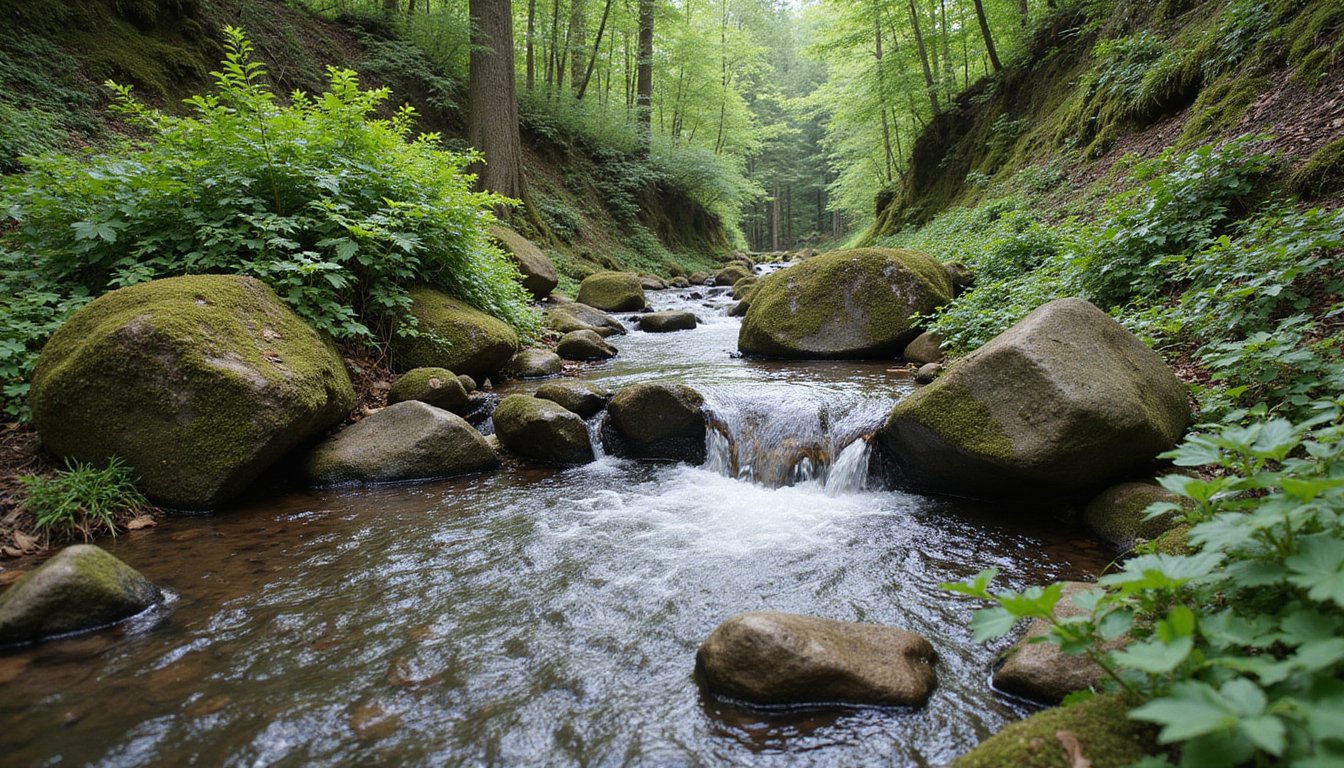
| Marker | Before Forest Bathing | After Forest Bathing |
|---|---|---|
| Salivary Cortisol | Amplified | Markedly Diminished |
| Pulse Rate | High | Decreased |
| Total Mood Disturbance | Baseline | Dropped by 38.8 Points |
You’ll also experience boosted natural killer cells, improved heart rate variability, and better sleep quality. Depression remission reached 61% in forest-based programs. One session alone eliminated probable depression cases in adolescents. You don’t need a prescription, you need a forest.
Therapeutic Gardening for Trauma Recovery
When you press your hands into soil, you’re activating a powerful grounding response that helps regulate your nervous system and reconnect you with your body after trauma. Therapeutic gardening engages your senses, touch, smell, sight, simultaneously, creating a natural form of sensory integration that calms hyperarousal and anchors you in the present moment. By nurturing plants with intention, you’re practicing mindful, plant-based healing that builds emotional resilience, restores your sense of agency, and supports your recovery from the inside out.
Grounding Through Soil Contact
Although trauma often traps you in cycles of hyperarousal and disconnection, something as direct as pressing your hands into soil can begin shifting your nervous system back toward balance. Soil contact activates sensory engagement that pulls you out of dissociation and into present-moment awareness. These grounding techniques work because they stimulate multiple senses simultaneously, texture, temperature, scent, redirecting your brain from threat detection to embodied calm.
Through nature-based activities like planting and weeding, you’re actively supporting nervous system regulation. Consider these core benefits:
- Cortisol reduction through direct earth interaction, lowering your physiological stress load
- Dopamine release from repetitive soil-based tasks, sharpening judgment and impulse control
- Parasympathetic activation via barefoot grounding on grass or soil, countering hypervigilance
You don’t need a large garden, just consistent, intentional contact with the earth beneath you.
Sensory Integration Benefits
Because trauma fragments your connection to your own body, therapeutic gardening rebuilds that link through deliberate sensory integration, engaging touch, smell, and sight in ways that pull your nervous system out of survival mode and into active recovery.
When you crush rosemary between your fingers or feel cool soil against your palms, you’re actively countering psychological trauma’s grip. These sensory experiences lower cortisol, boost serotonin, and drive measurable nervous system regulation by suppressing sympathetic overdrive. You’re not just gardening, you’re rewiring your stress response.
The emotional regulation outcomes are equally powerful. Nurturing plants builds self-efficacy, reduces helplessness, and increases dopamine production. Research consistently links therapeutic horticulture to significant stress and PTSD reduction, including decreased anxiety, improved focus, and restored emotional stability. You’re reclaiming control through every deliberate, grounding action.
Mindful Plant-Based Healing
Structured horticultural therapy programs give trauma survivors a concrete, progressive path toward recovery, one rooted in the same nervous system regulation principles that drive clinical healing. You’ll move from basic plant care to symbolic exercises that directly address post traumatic stress disorder symptoms like hypervigilance and emotional dysregulation.
Gardening functions as embodied mindfulness based stress reduction:
- Sensory grounding: Touching soil, observing growth, and pruning activate present-moment awareness, calming your amygdala’s threat response.
- Dopamine activation: Nurturing plants boosts dopamine production, sharpening judgment and restoring your sense of agency.
- Social reconnection: Group gardening counters isolation, increasing oxytocin release through safe, shared experiences.
These aren’t passive activities, they’re nervous system regulation techniques that suppress sympathetic overdrive and rebuild emotional resilience. You’re cultivating recovery alongside every seed you plant.
Body-Based Practices That Release Trapped Trauma
When your body holds onto the residual charge of a traumatic experience, talking about it isn’t always enough, you need practices that speak directly to your nervous system. Somatic experiencing helps you renegotiate stored stress through gradual, corrective interoceptive shifts, without reliving painful memories. Tension and trauma releasing exercises activate neurogenic tremors that discharge deeply held muscular tension, showing large effect sizes for symptom reduction. Sensorimotor psychotherapy integrates physical processing with cognitive awareness, releasing trapped survival energy holistically. Trauma-sensitive yoga builds body awareness through gentle, mindful movement that regulates your autonomic response. Grounding and breathwork practices anchor you in the present, calming hyperarousal through slow breathing, body scans, and sensory engagement. Together, these approaches bypass overthinking and address trauma where it actually lives: in your body.
Plant-Based Aromatherapy for Trauma-Related Stress
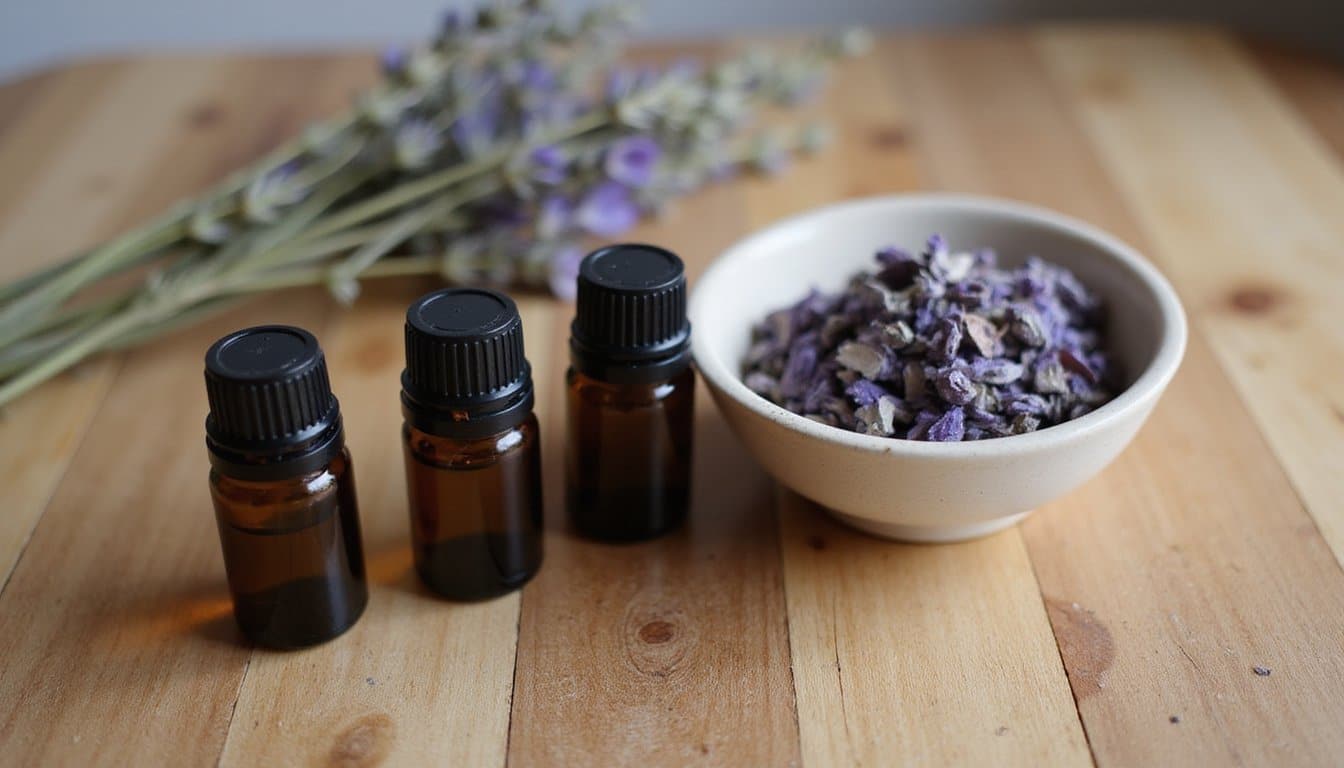
Plant-based essential oils consistently offer one of the most accessible, body-centered tools for calming trauma-related stress, especially when you’re looking for something that works beneath conscious thought. Inhaled oils bypass cognitive processing and directly influence your limbic system, which includes the hippocampus, a region often disrupted by complex PTSD.
When intrusive memories or avoidance behavior dominate your nervous system, targeted blends can anchor you back into regulation:
- Lavender and frankincense calm sympathetic activation, lowering heart rate and blood pressure
- Rose and spikenard address deep emotional wounds, promoting self-compassion and release
- Bergamot reduces anxiety-driven fear responses, supporting parasympathetic recovery
Dilute essential oils in a carrier like coconut or grapeseed before topical use. Pair inhalation with slow diaphragmatic breathing to deepen nervous system stabilization.
How Reiki and Sound Healing Support Trauma Recovery
Though often dismissed as a placebo, Reiki has demonstrated measurable physiological effects that directly support trauma recovery, reducing pain, anxiety, and sympathetic hyperactivation beyond what rest or sham treatments achieve. Studies show Reiki considerably lowers resting heart rate, increases heart rate variability, and reduces blood pressure through parasympathetic activation. It’s outperformed placebo in decreasing both state and trait anxiety (p=0.0001) and depression while improving self-esteem and quality of life.
As an energy therapy, Reiki addresses trauma across mental, emotional, physical, and spiritual dimensions, releasing blocked energy and calming buried wounds tied to PTSD.
Sound healing complements this process by promoting similar parasympathetic activation, releasing stagnant energy, and reducing stress at multiple levels. Together, these modalities offer you a powerful, body-centered path toward nervous system restoration and deeper healing.
Your Daily Nature-Based Trauma Recovery Routine
Because your nervous system already holds the blueprint for restoration, stepping into nature each day activates it, grounding your body, calming your stress response, and rebuilding the safety trauma disrupted.
Structure your routine around these core practices:
- Morning: Begin with grounding exercises for trauma, walk barefoot on grass to lower cortisol and shift your autonomic system toward balance.
- Midday: Engage in outdoor physical activities like hiking or kayaking to build embodied strength and release stored tension.
- Evening: Practice nature journaling rituals to integrate fragmented memories and reconnect with your inner landscape.
Between these anchors, weave in forest bathing sessions to calm your limbic system and sensory nature immersion to restore alpha brain waves. You’re not escaping healing, you’re walking directly into it.
Signs You Need a Therapist Alongside Nature-Based Healing
Nature-based healing carries real power, but it’s not always enough on its own. If you’re experiencing persistent flashbacks, emotional numbness, or hypervigilance that disrupts daily functioning, recognizing when professional help is needed becomes essential. Chronic nightmares, self-harm, or substance use as a coping mechanism signal your prefrontal cortex needs more support than self-guided practices provide.
Cognitive behavioral therapy paired with nature-based strategies creates a powerful recovery framework. Building resilience after trauma requires honesty about what’s working and what isn’t. If withdrawal from relationships deepens, concentration collapses, or hopelessness persists for weeks, seek professional evaluation immediately.
Trauma-informed self-education empowers you to track your symptoms accurately, but it also means knowing your limits. Professional intervention isn’t failure. It’s the strongest step you can take toward lasting healing.
Recovery Starts with One Courageous Step
Frequently Asked Questions
Can Healing Trauma Without Therapy Actually Work Long-Term for Severe PTSD Symptoms?
You can reduce severe PTSD symptoms through consistent self-directed practices like somatic exercises, breathwork, and mindfulness, but you’ll likely need professional support for full recovery. Research shows your amygdala’s overactivity decreases and prefrontal cortex regulation strengthens over time with structured effort. You’ll notice quicker trigger recovery, better sleep, and fading traumatic memories. However, if your symptoms persist or worsen, don’t hesitate, seek a licensed provider to guarantee safe, lasting healing.
How Long Does It Take to See Results From Nature-Based Trauma Healing?
You can notice mood and cortisol improvements after just one nature session, like a forest walk or river experience. Over 10 to 12 weeks of regular nature therapy, you’ll likely see clinically significant reductions in PTSD symptoms. Long-term, consistent green space engagement builds lasting resilience by calming your limbic system and strengthening prefrontal cortex function. You’ll accelerate results by combining nature exposure with breathwork, movement, and supportive connections.
Are Natural Trauma Recovery Methods Safe for Children and Adolescents Experiencing Trauma?
Yes, natural trauma recovery methods are generally safe for children and adolescents when you apply them mindfully. Grounding exercises, sensory nature walks, creative expression, and gentle movement effectively calm young nervous systems without re-traumatizing them. You’ll want to match activities to your child’s developmental stage and comfort level. However, there aren’t robust randomized controlled trials specifically confirming safety in pediatric populations, so you should seek professional guidance for severe symptoms or complex trauma.
Can Breathwork and Exercise Replace Medication for Managing Trauma-Related Anxiety and Insomnia?
Breathwork and exercise can’t fully replace medication, but they can considerably reduce your trauma-related anxiety and insomnia. You’ll lower cortisol, boost parasympathetic activation, and improve sleep quality through consistent diaphragmatic breathing and regular aerobic exercise. However, clinical reviews show breathwork works best as an adjunctive tool, not a standalone replacement. If your symptoms persist or worsen, you should consult a licensed healthcare provider to determine whether medication remains necessary for your recovery.
What Role Does Nutrition Play in Supporting Natural Trauma Recovery and Nervous System Regulation?
Nutrition directly fuels your nervous system’s ability to recover from trauma. When you eat omega-3-rich foods like salmon and chia seeds, you’re actively reducing inflammation that keeps your stress response heightened. Fiber-rich whole grains and leafy greens restore your gut-brain axis, improving mood regulation. Magnesium-rich foods promote muscle relaxation, while adequate protein supports neurotransmitter production. You’ll want to prioritize a Mediterranean-style diet and avoid high-sugar foods that worsen trauma symptoms.