You can safely detox at home by staying well-hydrated to support kidney and liver function, consuming liver-friendly foods like cruciferous vegetables and berries, exercising regularly to release toxins through sweat, prioritizing 7-9 hours of quality sleep for overnight waste clearance, and reducing environmental toxin exposure by using non-toxic products. These science-backed approaches work with your body’s natural detoxification systems rather than against them. Uncover how these simple strategies can transform your health.
Stay Hydrated: How Water Supports Natural Detoxification Pathways

While many trendy detox methods promise miracle results, proper hydration remains one of the most fundamental and scientifically-supported ways to improve your body’s natural detoxification processes.
Water facilitates kidney function, allowing these essential organs to efficiently filter waste products from your bloodstream and expel them through urine.
The hydration benefits extend to your liver as well, which requires adequate fluid to produce enough bile for breaking down toxins.
Aim for at least 2 liters daily, adjusting based on your activity level and climate.
Various water sources can help you meet this goal, filtered tap water, mineral water, and even herbal teas contribute to your daily intake.
Fruits and vegetables with high water content, such as cucumber and watermelon, offer hydration while providing supplementary nutrients that support detoxification pathways.
Optimize Liver Function Through Strategic Nutrition
Because your liver serves as the body’s primary detoxification organ, supporting it through targeted nutrition can greatly enhance your natural cleansing processes.
Your liver is your body’s natural purification system, feed it strategically to amplify its cleansing power.
Focus on liver-friendly foods like cruciferous vegetables (broccoli, Brussels sprouts), which contain glucosinolates that activate detoxifying enzymes. Include garlic, onions, and sulfur-rich foods that elevate glutathione production, your liver’s master antioxidant.
Nutrient timing also matters for ideal liver function. Consume antioxidant-rich berries and citrus fruits in the morning when your liver completes its nightly regeneration cycle.
Consider incorporating milk thistle tea between meals, as its silymarin compound protects liver cells from damage. Minimize processed foods and alcohol, which create further detoxification burden, and instead prioritize lean proteins that provide the amino acids necessary for Phase II liver detoxification pathways.
Sweat It Out: The Science Behind Exercise and Toxin Release

Although many people associate detoxification primarily with diet, regular exercise plays an essential role in eliminating toxins through one of your body’s largest organs, the skin.
When you engage in physical activity that makes you sweat, you’re activating a natural toxin release process that complements your body’s other detoxification pathways.
Research demonstrates several exercise benefits for toxin release:
- Sweating helps eliminate heavy metals like lead, mercury, and arsenic that accumulate in tissues.
- Cardiovascular activity increases blood circulation, helping your liver and kidneys filter toxins more efficiently.
- Regular exercise reduces inflammation, which can impair natural detoxification processes.
- Increased oxygen flow during workouts supports cellular regeneration and waste removal.
- Exercise stimulates lymphatic circulation, critical for removing cellular waste and environmental toxins.
Aim for 30 minutes of moderate exercise daily to optimize these detoxification benefits.
Sleep Quality: Your Body’s Overnight Cleanup Crew
Good sleep serves as a critical component of your body’s natural detoxification system. During deep sleep stages, your brain activates its glymphatic system, a waste clearance mechanism that removes harmful proteins and metabolic byproducts accumulated throughout the day.
To optimize this overnight cleanup process, aim for 7-9 hours of uninterrupted sleep. Your body follows natural sleep cycles, each lasting about 90 minutes, with the deepest detoxification occurring during slow-wave sleep.
Create a consistent bedtime routine that supports melatonin production by dimming lights and avoiding blue light from screens at least one hour before bed.
Keep your bedroom cool (65-68°F), dark, and quiet. If you struggle with sleep quality, try relaxation techniques like deep breathing or meditation rather than reaching for sleep medications that might disrupt natural detoxification processes.
Reduce Environmental Toxin Exposure in Your Daily Life
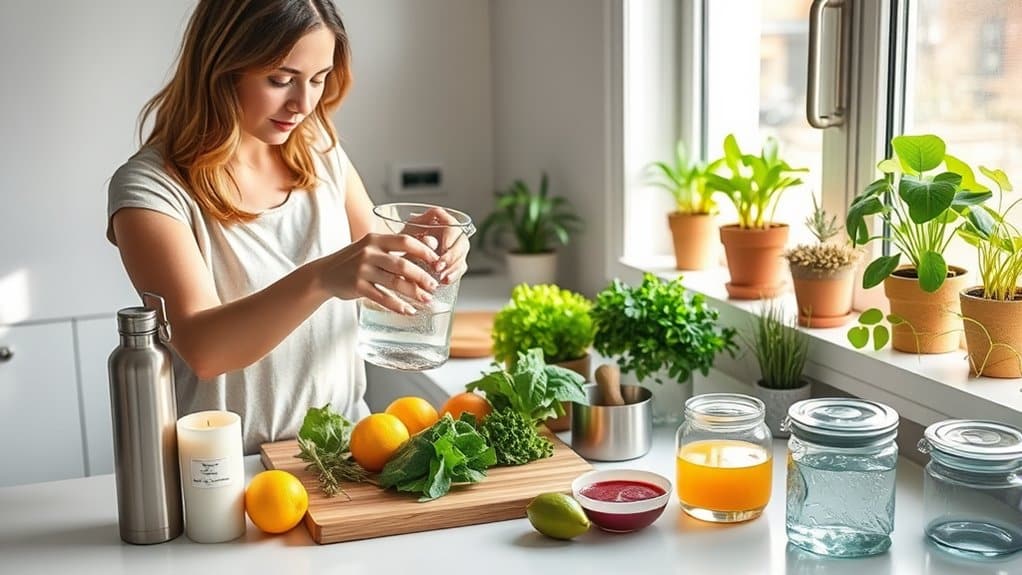
While we can’t eliminate all environmental toxins, you can greatly reduce your daily exposure through simple lifestyle adjustments.
Environmental pollutants accumulate in our bodies over time, potentially overwhelming natural detoxification systems. Making conscious choices about what enters your home creates a healthier living environment.
Our bodies store environmental toxins over time. Creating a cleaner home space supports your natural detoxification processes.
- Replace conventional cleaning products with non-toxic alternatives made from vinegar, baking soda, and essential oils
- Improve indoor air quality with HEPA air purifiers and regular ventilation, especially after cooking or cleaning
- Filter your tap water to remove contaminants like heavy metals, chlorine, and microplastics
- Choose toxic-free products for personal care, avoiding parabens, phthalates, and synthetic fragrances
- Remove shoes at the door to prevent tracking in pesticides, lead dust, and other outdoor pollutants
Frequently Asked Questions
How Long Should a Safe Home Detox Program Last?
A safe home detox program typically lasts between 7-14 days for most people.
You’ll want to focus on detox duration that allows your body to adjust gradually without shock.
Don’t extend beyond two weeks without professional guidance, as longer periods can strain your system.
Safe practices include staying hydrated, getting adequate rest, and monitoring your body’s response.
Keep in mind that detox isn’t meant to be a long-term lifestyle but rather a reset for your system.
Can Detoxing Cause Headaches or Other Temporary Side Effects?
Yes, you’ll likely experience some detox symptoms during your cleanse.
Headaches are common, often triggered by caffeine withdrawal, sugar reduction, or dehydration. Other temporary side effects include fatigue, irritability, and digestive changes.
These are typically your body’s natural response to eliminating toxins. To minimize headache triggers, stay well-hydrated, reduce caffeine gradually rather than suddenly, and make sure you’re getting adequate nutrition throughout your detox program.
Are Detox Supplements and Herbs Scientifically Proven to Work?
Most detox supplements and herbs lack strong scientific evidence supporting their efficacy.
While some compounds like milk thistle show promise for liver health, claims about total body “detoxification” are largely unsupported by clinical research.
When considering herbal safety, remember many products aren’t FDA-regulated and may interact with medications.
Your body naturally detoxifies through your liver and kidneys.
Instead of supplements, focus on hydration, balanced nutrition, and reducing toxin exposure for healthier outcomes.
How Often Should One Follow a Detox Routine?
The ideal detox frequency depends on your individual health needs.
Most experts suggest limiting detox protocols to 1-3 times per year rather than frequently cleansing.
Detox duration should typically be short-term (3-10 days) to avoid nutritional deficiencies or metabolic disruptions.
You’ll get better results from consistent healthy habits, staying hydrated, eating nutrient-dense foods, and supporting your liver naturally, than from frequent detoxing.
Always consult your healthcare provider before starting any detox regimen.
Can Children and Pregnant Women Safely Follow Detox Protocols?
Children and pregnant women shouldn’t follow standard detox protocols.
Your child’s developing body has natural detoxification systems that function differently than adults. For pregnant women’s health, detox programs can potentially release toxins into the bloodstream, affecting fetal development.
Instead, focus on supporting their natural processes through nutrient-dense foods, adequate hydration, and avoiding environmental toxins.
Always consult with a healthcare provider before considering any cleansing regimen for these vulnerable groups, their safety requires specialized guidance.