There’s no guaranteed method to detox completely in 24 hours. Your best approach involves increased water consumption (16-20oz every two hours), maintaining electrolyte balance with sports drinks, and possibly including natural diuretics like cranberry juice or parsley. Avoid excessive hydration right before testing as dilution may be flagged. B-vitamins and creatine supplements can help maintain normal urine color and creatinine levels. The effectiveness of these methods varies based on your metabolism, substance type, and usage patterns.
Understanding How Drug Tests Work
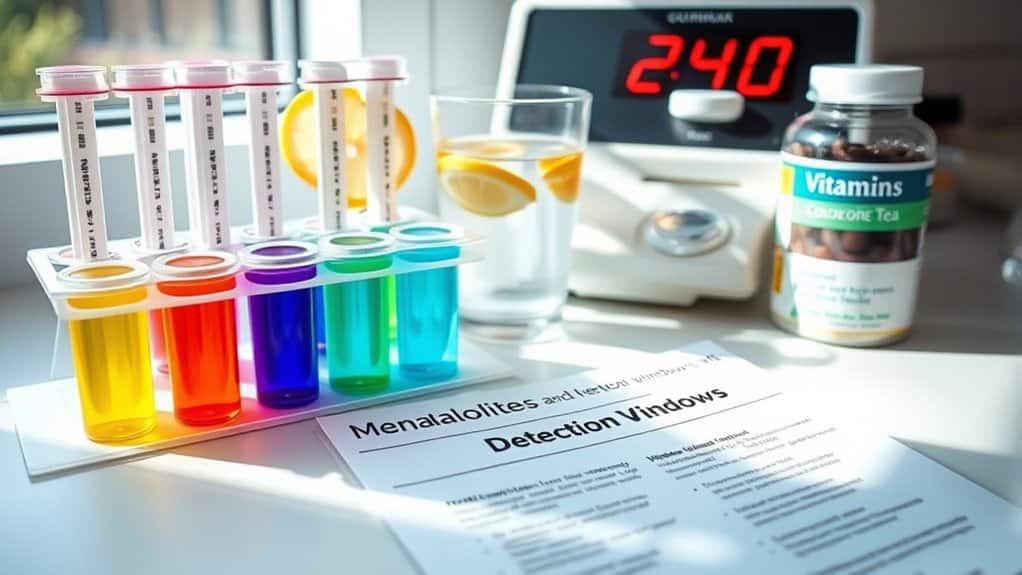
Before attempting any detoxification method, you’ll need to understand the fundamental mechanisms of drug testing. Most standard tests screen for metabolites, compounds created when your body processes substances, rather than the drugs themselves. These metabolites remain detectable long after the drug’s effects have worn off, with detection windows varying by substance type.
Understanding drug testing is crucial, tests detect metabolites, not the original substances, long after effects disappear.
Urine tests, the most common format, identify metabolites through immunoassay screening followed by confirmatory gas chromatography-mass spectrometry for positive results.
Test accuracy depends on multiple factors: your drug metabolism rate, frequency of use, body composition, and hydration levels. Understanding these biological variables is essential because they determine how quickly substances clear your system.
No detox method guarantees 100% success, as modern testing methods can detect dilution attempts and adulterants, with sensitivity thresholds continuously improving through technological advancements.
Types of Drug Tests You Might Face
Drug testing protocols vary considerably across employers, legal systems, and healthcare settings.
You’ll likely encounter urine tests most frequently, as they’re cost-effective with detection windows ranging from 3-30 days depending on substance and usage patterns.
Saliva tests offer shorter detection periods (24-72 hours) but provide tamper-resistant sampling under direct observation.
Hair tests present significant challenges for detoxification, potentially identifying drug use from 7-90+ days prior with high test accuracy.
Blood tests deliver precise measurement of active drug compounds but feature narrow detection windows (hours to days) and require medical professionals to administer.
Sweat tests, using adhesive patches worn for up to 14 days, monitor continuous drug excretion but remain less common among standard testing methods.
The Science of Detoxification
While many myths circulate about rapid detox methods, understanding the physiological processes of drug elimination provides a foundation for evidence-based approaches.
Your body naturally eliminates substances through metabolic processes involving enzymes in the liver that transform drugs into water-soluble compounds for excretion.
This biotransformation occurs in two phases: initially, oxidation reactions modify the drug structure; next, conjugation reactions attach molecules to improve elimination.
The rate of this process varies by substance, with THC metabolites lingering in fat cells for weeks while stimulants may clear within days.
Toxicity reduction depends on several factors including your metabolism, hydration levels, and body composition.
Scientific evidence suggests you can’t dramatically accelerate these natural processes, though supporting organ function through hydration and nutrition may optimize your body’s inherent detoxification capabilities.
Hydration Strategies for Quick Detox
Proper timing of your water consumption can greatly improve the detoxification process, with research suggesting 16-20 ounces every two hours in the 24-48 hour period before your test.
You’ll need to maintain electrolyte balance during increased hydration, as excessive water intake without sodium, potassium, and magnesium replacement can lead to dilution that testing facilities may flag.
Clinical studies indicate that consuming sports drinks or electrolyte supplements alongside water optimizes renal clearance rates while maintaining the specific gravity parameters that drug tests measure.
Water Intake Timing
Timing your water consumption strategically represents a critical factor in enhancing detoxification for drug testing.
Begin your hydration protocol 3-4 hours before the test, consuming 16-20 ounces of water hourly. This allows for proper water absorption while avoiding overhydration, which can trigger test rejection for dilution.
For ideal timing, front-load your water intake to peak 2 hours pre-test, then taper down to 8 ounces in the final hour. This approach boosts toxin elimination while allowing your kidneys sufficient processing time.
Avoid the common mistake of excessive consumption immediately before testing, as this won’t accelerate metabolite clearance and may compromise sample validity.
Keep in mind that water absorption rates average 20 minutes per 8 ounces, timing your intake accordingly promotes effective detoxification without triggering dilution flags.
Electrolyte Balance Matters
Maintaining adequate electrolyte concentrations emerges as an essential yet often overlooked component when increasing fluid intake for detoxification.
When you consume excessive water, you risk diluting essential minerals like sodium, potassium, and magnesium, potentially triggering hyponatremia, a dangerous condition that impairs renal function.
Incorporate reliable electrolyte sources throughout your hydration protocol. Sports drinks containing balanced electrolyte formulations can supplement your water intake, though be mindful of their sugar content.
Alternatively, consider sugar-free electrolyte tablets or coconut water for natural replenishment.
Advanced hydration techniques include cycling between pure water and electrolyte-enhanced fluids every two hours. This strategy optimizes renal filtration while preserving electrolyte homeostasis.
For maximum efficacy, consume small amounts of salt with meals to further support proper fluid balance during accelerated detoxification processes.
Dietary Changes That May Help
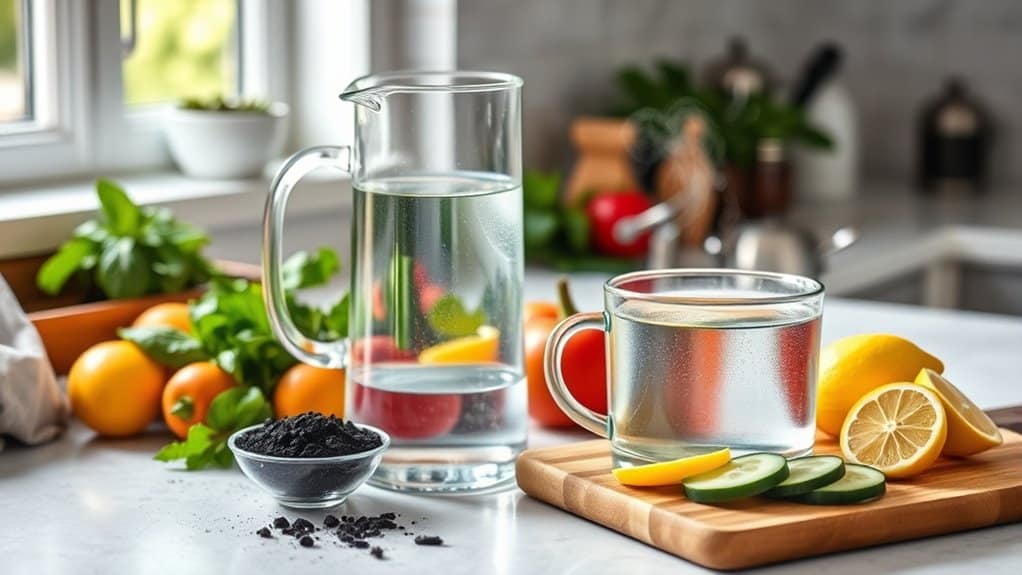
Consuming adequate water and electrolytes during your detox process helps maintain proper kidney function while preventing excessive dilution that could invalidate test results.
Natural diuretic foods like cranberries, asparagus, and parsley may increase urination frequency, potentially accelerating the elimination of metabolites through your renal system.
Research suggests combining these dietary modifications with consistent hydration provides more effective results than sporadic water consumption alone.
Hydration and Electrolytes
Proper hydration plays an essential role in the detoxification process, as it helps dilute toxins and increase urinary output. Aim to consume 2-3 liters of water within 24 hours before your test, but avoid overhydration, which can lead to electrolyte imbalances and potentially trigger test suspicions.
The hydration benefits extend beyond dilution, water facilitates kidney filtration and metabolic breakdown of substances.
To prevent electrolyte depletion from increased urination, incorporate natural electrolyte sources into your regimen. Potassium-rich foods like bananas and coconut water, sodium from broth, and magnesium from leafy greens help maintain proper cellular function during rapid detoxification.
Sports drinks can provide quick replenishment but choose sugar-free varieties to avoid unnecessary calories that might slow metabolic processes.
Natural Diuretic Foods
While considering ways to accelerate toxin elimination, natural diuretic foods stand out as valuable supplements to your detoxification protocol. These foods increase urination frequency, potentially helping to flush metabolites from your system more rapidly.
- Herbal beverages – Dandelion tea contains taraxacin compounds that improve kidney filtration rates, while green tea delivers both diuretic effects and antioxidants that support liver function.
- Fruit-based options – Cranberry juice acidifies urine and inhibits bacterial adhesion in urinary pathways, while lemon water or diluted apple cider stimulates digestion and kidney activity.
- Botanical enhancements – Parsley benefits include apiole and myristicin that increase renal blood flow, while ginger benefits encompass improved circulation and reduced inflammation during detoxification.
Consuming beet juice may also support liver methylation processes critical for toxin elimination.
Natural Detox Methods Worth Trying
Most natural detox methods rely on physiological principles of toxin elimination through the body’s excretory pathways.
These approaches improve your body’s natural filtration systems to expedite toxin clearance before your drug test.
Herbal remedies containing dandelion root, burdock, and milk thistle can support hepatic function by increasing bile production and facilitating toxin breakdown.
Clinical evidence suggests these botanicals may speed up metabolism of lipophilic compounds stored in adipose tissue.
Detox teas combining diuretic herbs like nettle leaf and juniper berry promote increased urination frequency, potentially diluting urine concentration of metabolites.
Studies indicate green tea’s catechins and antioxidants may improve phase II liver detoxification pathways.
Additionally, activated charcoal supplementation may adsorb remaining toxins in your gastrointestinal tract, preventing reabsorption during the critical pre-test window.
Over-the-Counter Products: What Works and What Doesn’t
As consumers navigate the expansive market of detoxification products, distinguishing effective solutions from marketing hype becomes essential for successful test outcomes.
Scientific evidence regarding commercial detox solutions remains limited, yet popularity persists.
1. Detox drinks and kits – These products typically contain diuretics and B-vitamins that dilute urine temporarily (4-6 hours). Effectiveness varies noticeably by individual metabolism and drug usage patterns.
2. Herbal supplements and detox teas – Ingredients like milk thistle may support liver function, but claims of rapid toxin elimination remain unsubstantiated.
Activated charcoal shows minimal efficacy for drug metabolites already in your bloodstream.
3. Synthetic urine – While technically not a detox method, it circumvents detection by substituting a drug-free sample, though facilities increasingly implement measures to identify artificial specimens.
Exercise and Sweating: Myths vs. Reality
While sweating during exercise may lead you to believe you’re eliminating toxins, research indicates only 1-3% of drug metabolites exit through sweat glands.
You’ll optimize this limited detoxification pathway by engaging in high-intensity cardiovascular workouts that greatly boost your heart rate for sustained periods.
Contrary to popular belief, activities like hot yoga or sauna sessions won’t markedly accelerate drug clearance compared to proper hydration and natural metabolism.
Sweat’s Limited Cleansing Effect
Despite popular beliefs, sweating through exercise eliminates only minimal amounts of drug metabolites from your body.
Research indicates that sweat’s effectiveness for drug detoxification is greatly overestimated, with less than 1% of most substances excreted through perspiration.
The detox limitations of sweating include:
- Most drug metabolites are processed through your liver and kidneys, not sweat glands.
- THC metabolites bind to fat cells, making them particularly resistant to sweat-based elimination.
- The composition of sweat primarily contains water, salt, and minimal waste products.
While exercise offers health benefits that may support your body’s natural detoxification systems, it won’t considerably accelerate drug clearance from your system.
Your kidneys and liver handle approximately 90-95% of all drug elimination, regardless of how much you sweat.
Cardiovascular Intensity Matters
When considering exercise as a detoxification method, the intensity of cardiovascular activity directly correlates with metabolic rate changes but shows minimal impact on drug clearance timeframes.
Research indicates that while high-intensity cardio workouts temporarily increase your circulation and metabolic processes, they don’t greatly accelerate drug elimination from fat-stored metabolites.
Your heart rate rise during exercise primarily benefits general health rather than specifically targeting toxin removal.
The physiological reality is that THC metabolites, for example, remain bound to fat cells regardless of workout intensity.
Studies demonstrate that even sustained periods of increased heart rate (130+ BPM) produce negligible improvements in drug test outcomes compared to hydration strategies.
The minimal amounts of THC excreted through sweat don’t justify extreme cardio regimens as an effective 24-hour detoxification approach.
Last-Minute Emergency Options
If you’ve found yourself facing a drug test with minimal preparation time, several evidence-based emergency detoxification methods may help reduce detection risk. While quick fixes aren’t guaranteed, research suggests these emergency remedies can improve your odds in urgent situations.
- Dilution protocol – Consume 1-2 liters of water 2-3 hours before testing, supplemented with B-vitamins (100mg) and creatine (2-3g) to maintain normal urine characteristics while decreasing metabolite concentration.
- Activated charcoal ingestion – Take 50g with 12oz water 4 hours pre-test to bind drug metabolites in the digestive tract, potentially reducing urinary excretion.
- Diuretic herbs – Dandelion root or juniper berry preparations increase urination frequency and may accelerate toxin clearance when consumed as concentrated tea (2-3 cups) within 5 hours of testing.
Long-Term Solutions for Future Tests
Emergency detoxification offers short-term relief, but proactive strategies yield more reliable outcomes for upcoming drug tests.
Implement sustainable lifestyle changes including regular exercise (30 minutes daily) to improve metabolic function and accelerate toxin elimination. Prioritize mindful eating with high-fiber foods and adequate hydration (2-3 liters daily) to support natural detoxification pathways.
Effective stress management techniques, meditation, deep breathing, or yoga, reduce cortisol levels that can impair detoxification processes.
Establish support networks of accountability partners who understand legal considerations surrounding substance use. Educate yourself about specific detection windows for substances you’re concerned about.
If struggling with dependence, utilize addiction resources including counseling services and support groups.
These extensive approaches not only prepare you for potential testing but promote holistic health improvement.
Frequently Asked Questions
Can I Use Someone Else’s Urine for a Drug Test?
Using someone else’s urine for a drug test is illegal in many jurisdictions and carries serious legal consequences, including potential charges for fraud.
Testing facilities employ strict protocols to verify urine temperature (typically 90-100°F), as samples outside this range indicate tampering.
Most collection sites now monitor the collection process and may include adulterant screens.
This practice violates the integrity of testing procedures and can result in immediate test failure, termination of employment opportunities, or legal penalties.
Will Secondhand Smoke Cause Me to Fail a Drug Test?
Secondhand marijuana smoke typically won’t cause you to fail a drug test under normal circumstances.
Research indicates that drug detection thresholds are designed to distinguish between active use and passive exposure. You’d need extreme, prolonged exposure in an unventilated space to accumulate enough THC metabolites to trigger a positive result.
Standard workplace testing cutoffs (typically 50 ng/mL) effectively eliminate the risk of false positives from casual secondhand smoke exposure in well-ventilated environments.
Do Certain Medications Trigger False Positives on Drug Tests?
Yes, certain medications can trigger false positives on drug tests.
Common medication interactions include pseudoephedrine appearing as amphetamines, quinolone antibiotics registering as opiates, and NSAIDs showing as THC metabolites.
To maintain test accuracy, always disclose all medications to testing administrators before your screening.
Laboratory confirmation tests like GC-MS can differentiate between true and false positives by identifying specific molecular structures.
If you’re concerned, consult with your healthcare provider about your current prescription regimen.
How Do Labs Detect Synthetic or Adulterated Urine Samples?
Labs detect synthetic urine through multiple validity tests.
They’ll analyze your sample for biometric markers like creatinine, specific gravity, pH, and temperature that synthetic products can’t perfectly replicate.
Oxidation tests identify chemical adulterants like nitrites or glutaraldehyde.
Mass spectrometry can detect preservatives commonly found in synthetic urine products.
Some advanced labs also test for uric acid and hormonal biomarkers absent in artificial samples.
Gas chromatography identifies suspicious chemical signatures in adulterated samples.
Can Hair Dye Affect the Results of a Hair Follicle Test?
Hair dye ingredients can potentially affect hair test accuracy, but not reliably enough to guarantee negative results.
Hair dyes contain chemicals that may damage the exterior cuticle of your hair shaft and partially remove some drug metabolites.
However, laboratories account for this interference by washing samples before testing and examining the inner cortex where drug compounds bind to melanin.
You’ll find that modern testing methods effectively detect substances despite cosmetic treatments, maintaining approximately 95% accuracy regardless of coloring.