
To recognize everyday toxins, start by examining your personal care products for vague terms like “fragrance,” which can hide harmful endocrine disruptors. Check your plastic containers for resin codes #3, #6, and #7, which may leach toxins. Monitor indoor air quality by noting excess dust, musty odors, and humidity above 50%. Your morning routine likely exposes you to PFAS in non-stick cookware and synthetic compounds in cleaners. Understanding these exposure points will help you make safer choices.
Understanding Hidden Toxins in Personal Care Products
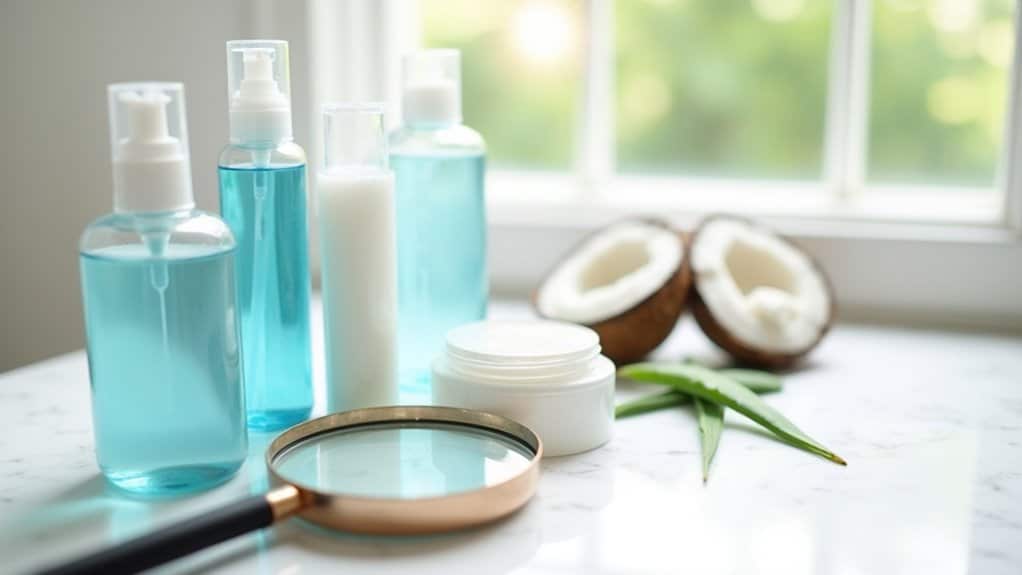
How often do you scrutinize the labels of your personal care products?
You’re likely encountering numerous undisclosed chemicals daily, as 70% of products hide ingredients behind terms like “fragrance” or “parfum.” These umbrella terms can mask potential endocrine disruptors and allergens without your knowledge. Small hormone changes can trigger serious long-term health issues.
The lack of fragrance transparency and inconsistent ingredient labeling creates significant risks. The FDA has banned only 11 chemicals from cosmetics out of over 10,000 used in personal care products.
You’re exposed to 88 chemicals linked to cancer, birth defects, and reproductive harm across 73,000 products – all perfectly legal in the U.S. While the EU strictly regulates parabens and phthalates, American standards remain lenient.
You’ll find formaldehyde in hair straighteners, PFAS in makeup removers, and PPD in hair dyes, often without clear warnings.
To protect yourself, focus on products with straightforward ingredients and avoid those with complex chemical names.
Common Household Cleaners and Their Chemical Components
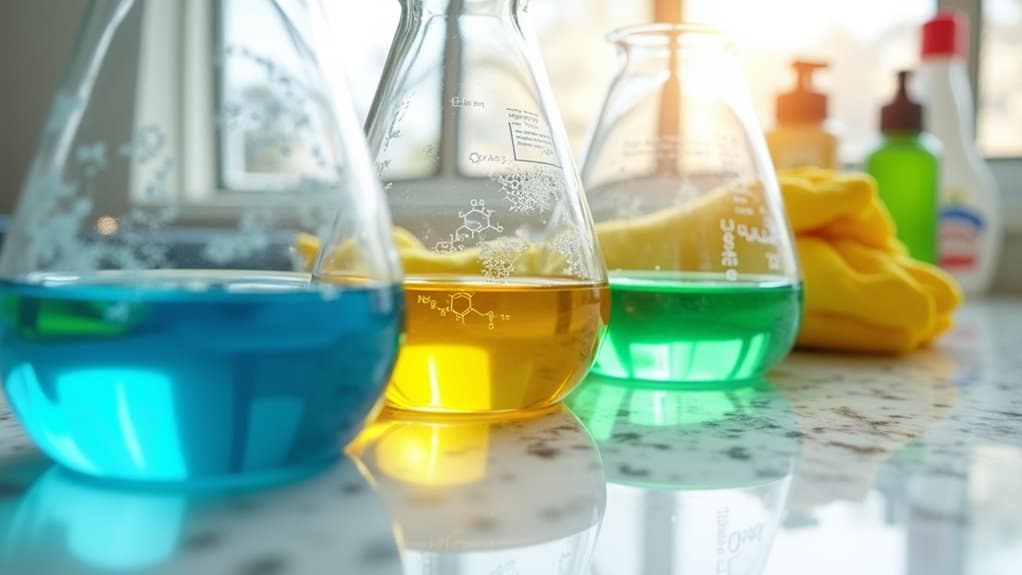
When you examine your cleaning supplies, you’re likely handling powerful chemical compounds that warrant careful attention.
Your household cleaner ingredients typically fall into two main categories: acidic and alkaline solutions.
Understanding the chemistry of cleaning starts with a simple divide: household products are either acidic or alkaline in nature.
You’ll find acidic compounds in numerous specialized cleaners: toilet bowl products containing sodium bisulfate or hydrochloric acid; rust removers with oxalic or hydrofluoric acid; and metal cleaners utilizing citric or acetic acids.
For alkaline solutions, sodium hydroxide appears in drain and oven cleaners, while sodium carbonate improves your laundry detergents and dishwasher tablets. Additionally, many cleaning products contain synthetic dyes that can cause skin irritation and contribute to indoor air pollution.
Chemical safety awareness is essential when using these products. Never store these items under the kitchen sink, as this common practice can put children and pets at risk.
Each cleaner serves a specific purpose through its unique chemical composition. Understanding these components helps you make informed decisions about proper handling and appropriate applications for different cleaning tasks.
Detecting Harmful Substances in Your Food Storage

Your daily food storage containers could be leaching harmful chemicals into your meals, with studies showing that PVC containers release phthalates at rates up to 53% and HDPE containers transfer PFAS into fatty foods.
You’ll find these toxins are particularly active when containers face temperature extremes or during long-term storage of oils, meats, and cheese. Black plastic containers are especially concerning since they contain hazardous flame retardants found in 85% of these products. For safer food choices, consider eating more whole foods that require minimal packaging and processing.
To protect your health, consider switching to glass, stainless steel, or ceramic containers, which don’t leach chemicals and maintain food safety during both refrigeration and reheating.
Plastic Container Safety Tips
Modern plastic containers pose varying levels of risk based on their chemical composition and resin identification codes.
When examining plastic recycling symbols, prioritize containers marked with #2 (HDPE), #4 (LDPE solids), and #5 (PP), as they’re less likely to leach harmful chemicals. Avoid #3 (PVC), #6 (PS), and #7 (“other”), which release toxins when heated. Vintage Tupperware products manufactured before 2010 require immediate replacement due to potential BPA content.
Container labeling is essential for safety assessment. Check the bottom of containers for resin codes and reject unlabeled products.
Don’t be misled by “BPA-free” claims, as substitutes like BPS may carry similar risks. Heat exposure greatly increases chemical leaching, so never microwave plastic containers or store them in hot environments. According to recent testing, phthalates and bisphenols were found in nearly 80% of food items, making safe container choices crucial.
For acidic or fatty foods, opt for glass, ceramic, or stainless steel alternatives. Replace containers that show signs of wear or discoloration.
Food Storage Material Alternatives
Safe food storage requires understanding both visible and invisible threats in common storage materials. When selecting toxic storage alternatives, you’ll need to identify harmful substances like PFAS, BPA, and styrene that often lurk in conventional containers.
These chemicals can leach into food, potentially causing serious health issues including endocrine disruption and immune system problems. Research shows that fatty, salty, or acidic foods are particularly vulnerable to PFAS migration from packaging materials. High fructose corn syrup containers often have concerning chemical coatings that can contaminate stored foods.
To protect your health, consider these research-backed safe food containers:
- Borosilicate glass containers with silicone seals
- Food-grade stainless steel containers with locking mechanisms
- Certified bamboo storage solutions with natural wax coating
Scientific studies show these alternatives effectively prevent chemical leaching while maintaining food freshness.
Look for third-party certifications when purchasing storage options, and always verify that seals and gaskets are made from food-grade materials. Regular inspection of your storage containers helps identify signs of degradation that could compromise safety.
Indoor Air Quality Warning Signs and Sources
Your living space’s air quality faces constant threats from volatile organic compounds (VOCs) emitted by everyday items like cleaning supplies, pressed-wood furniture, and newly installed flooring materials.
You’ll find particularly high concentrations of formaldehyde released from laminate surfaces, particle board, and certain fabric treatments, especially in areas with poor ventilation or increased temperatures.
Critical pollution zones in your home include attached garages where car exhaust lingers, basement areas with moisture-related mold growth, and spaces near gas-burning appliances that lack proper ventilation systems.
Common VOC Source Areas
Indoor environments harbor numerous Volatile Organic Compounds (VOCs) that silently accumulate in our living spaces. Your home’s indoor air quality is directly impacted by multiple VOC sources, ranging from everyday cleaning products to building materials.
Health symptoms like headaches and respiratory irritation often indicate increased VOC levels, particularly in areas with poor ventilation effects.
Key contributors to indoor VOC concentrations include:
- Household products (cleaning supplies, air fresheners, personal care items)
- Building materials (paints, varnishes, composite wood products)
- Daily activities (cooking, smoking, using attached garages)
Understanding these toxin sources is important for maintaining healthy indoor air.
You’ll find the highest VOC concentrations in newly renovated spaces, sealed environments, and areas with limited air exchange. Regular ventilation and source control remain essential for reducing exposure to these compounds.
Hidden Formaldehyde Release Points
While many homeowners focus on visible pollutants, formaldehyde poses a significant hidden threat through numerous release points in modern buildings.
You’ll find this indoor pollutant silently emitting from composite wood products like particleboard and MDF, especially in newer furniture and cabinetry. Common household items, including permanent press fabrics, cleaning solvents, and air fresheners, contribute to formaldehyde exposure.
Your daily activities can unknowingly increase formaldehyde levels through combustion sources like unvented gas appliances, burning candles, or indoor smoking.
Even seemingly harmless interactions between ozone and your carpets or upholstery can generate extra formaldehyde.
To protect yourself, consider testing air quality, removing formaldehyde-emitting materials, and improving ventilation, particularly after renovations.
Opt for low-VOC alternatives when selecting paints, adhesives, and cleaning products.
Air Pollution Danger Zones
Monitoring indoor environments for air quality warning signs requires understanding key danger zones where pollutants accumulate. Your home’s air quality often deteriorates due to both visible and invisible pollution sources.
Watch for excessive dust buildup, persistent musty odors, and humidity levels above 50% as primary indicators of compromised air quality.
Three critical pollution zones to monitor:
- Poorly ventilated spaces with condensation on windows, stuffy air, or blocked vents
- Areas with chemical exposure from household products, including scented items, cleaning supplies, and fresh paint
- Zones near unvented fuel-burning appliances or where outdoor pollutants enter
Check for hidden risks like radon gas, carbon monoxide from improperly vented appliances, and chemical fumes from stored products.
Pet dander, construction dust, and vehicle exhaust entering from outdoors can also greatly impact indoor air quality.
Identifying Toxic Materials in Home Furnishings
Many conventional home furnishings harbor hidden toxic chemicals that pose significant health risks to occupants.
Common household furniture often contains concealed toxic substances that can endanger the health of those living in the home.
You’ll find PBTE flame retardants in foam cushions and mattresses, while PFAS chemicals coat stain-resistant upholstery. These toxic furniture components have been linked to cancer, hormone disruption, and developmental issues.
VOC emissions from formaldehyde-based adhesives in particleboard increase with temperature, while antimicrobial additives like triclosan in fabrics contribute to antibiotic resistance.
PVC upholstery concerns center on phthalates and VOC off-gassing. To minimize exposure, look for CARB Phase 2 certified products and natural materials like wool or linen.
Since manufacturers aren’t required to label these toxins, you’ll need to actively research materials and request documentation from sellers to guarantee safer furniture choices for your home.
Daily Exposure Points in Your Morning Routine
Beyond toxic furniture materials, your daily morning routine exposes you to numerous harmful chemicals through common activities.
Your morning toxins exposure begins immediately through personal care products containing endocrine disruptors and synthetic compounds. Daily exposure continues through clothing treated with pesticides, heavy metals in dyes, and PFCs in water-resistant fabrics.
Your typical morning activities introduce toxins through:
- Breakfast preparation using non-stick cookware releasing PFOA/PFAS compounds, plus pesticide residues on non-organic produce
- Cleaning routines involving quaternary ammonium compounds in detergents and formaldehyde in dish soaps
- Indoor air quality impacts from heating systems and morning rush hour emissions entering through windows
These chemical exposures accumulate through seemingly innocent morning activities, making awareness essential for minimizing contact with harmful substances.
Safe Alternatives for Reducing Chemical Contact
While daily chemical exposures seem unavoidable, you can markedly reduce your contact with harmful substances through strategic substitutions and handling practices.
When selecting chemical alternatives, opt for dilute solutions instead of powders, and choose products with low vapor pressure (below 0.05 mm Hg) to minimize inhalation risks.
Prioritize proper ventilation by airing out new furnishings and conducting chemical-heavy tasks in well-ventilated spaces or exhausted biosafety cabinets.
For safe storage, always keep chemicals in their original containers and clearly label everything.
You’ll want to verify ingredients using resources like the EPA’s Safer Choice website or EWG’s Skin Deep app.
Replace toxic cleaners with non-toxic alternatives, and limit exposure to DEET-based repellents by applying sparingly and only when necessary.
Frequently Asked Questions
How Long Do Toxins Remain Active in the Body After Exposure?
Toxicity duration in your body varies considerably based on the type of exposure.
You’ll experience acute exposure effects resolving within 24 hours, while lipophilic toxins can remain active for decades when stored in fat tissue.
Your body’s processing time depends on the specific compound water-soluble toxins exit quickly through urine, but fat-soluble ones may persist for months or years, potentially causing long-term health effects during storage and release.
Can Air Purifiers Effectively Remove Chemical Toxins From Indoor Spaces?
Air purifiers show mixed effectiveness in removing chemical toxins from indoor spaces.
While HEPA + activated carbon combinations can capture some airborne toxins, they’re not a complete solution.
You’ll get best results by initially addressing toxin sources and improving ventilation.
Research shows that most purifiers remove only 12% of ultrafine particles and struggle with VOCs.
For ideal air quality, you’ll need a multi-pronged approach combining source reduction, ventilation, and appropriate filtration technology.
Do Organic Clothing Materials Contain Fewer Toxins Than Synthetic Fabrics?
Yes, organic textiles typically contain fewer toxins than synthetic fibers.
You’ll find notably lower levels of harmful chemicals like formaldehyde, VOCs, and phthalates in organic materials compared to synthetics.
While organic fabrics aren’t completely toxin-free due to post-harvest processing, they’re exposed to fewer chemical treatments in general.
Look for GOTS or OEKO-TEX® certifications to verify you’re getting genuinely low-toxin organic materials that haven’t undergone extensive chemical processing.
What Blood Tests Can Detect Accumulated Toxins From Everyday Exposure?
You can detect accumulated toxins through several specialized blood tests.
For heavy metals like lead, mercury, and arsenic, serum blood tests effectively measure long-term buildup.
Chemical exposure panels can identify pesticides, VOCs, and endocrine disruptors in your bloodstream.
Your doctor might also check liver enzymes (ALT/AST, GGT) and kidney function markers, as these indicate your body’s detoxification capacity.
Genetic testing can reveal variations affecting your natural toxin processing abilities.
How Do Toxins From Different Sources Interact When Combined?
When multiple toxins combine in your body, they create complex chemical interactions that can amplify toxicity synergy.
You’ll find three main interaction types: additive effects where similar toxins combine their impact, synergistic effects where toxins multiply each other’s harm beyond individual levels, and potentiating effects where one substance increases another’s toxicity.
These interactions can make seemingly safe exposure levels dangerous when toxins from different sources mix in your system.