
PTSD episodes reshape relationships through three distinct patterns: flashbacks create visible distress you can actively support, while emotional numbing produces sustained disconnection that feels like rejection. During conflict, your partner may dissociate, appearing present but emotionally unreachable.
These experiences are often linked to ptsd triggers in relationships, where specific reminders or stressful interactions activate trauma responses that alter behavior and emotional availability. Hyperarousal keeps both of you trapped in chronic tension, irritability, and mood swings that erode trust over time.
Understanding these behavioral shifts helps you recognize what’s happening and discover practical ways to navigate episodes together.
What a PTSD Episode Actually Looks Like in a Relationship
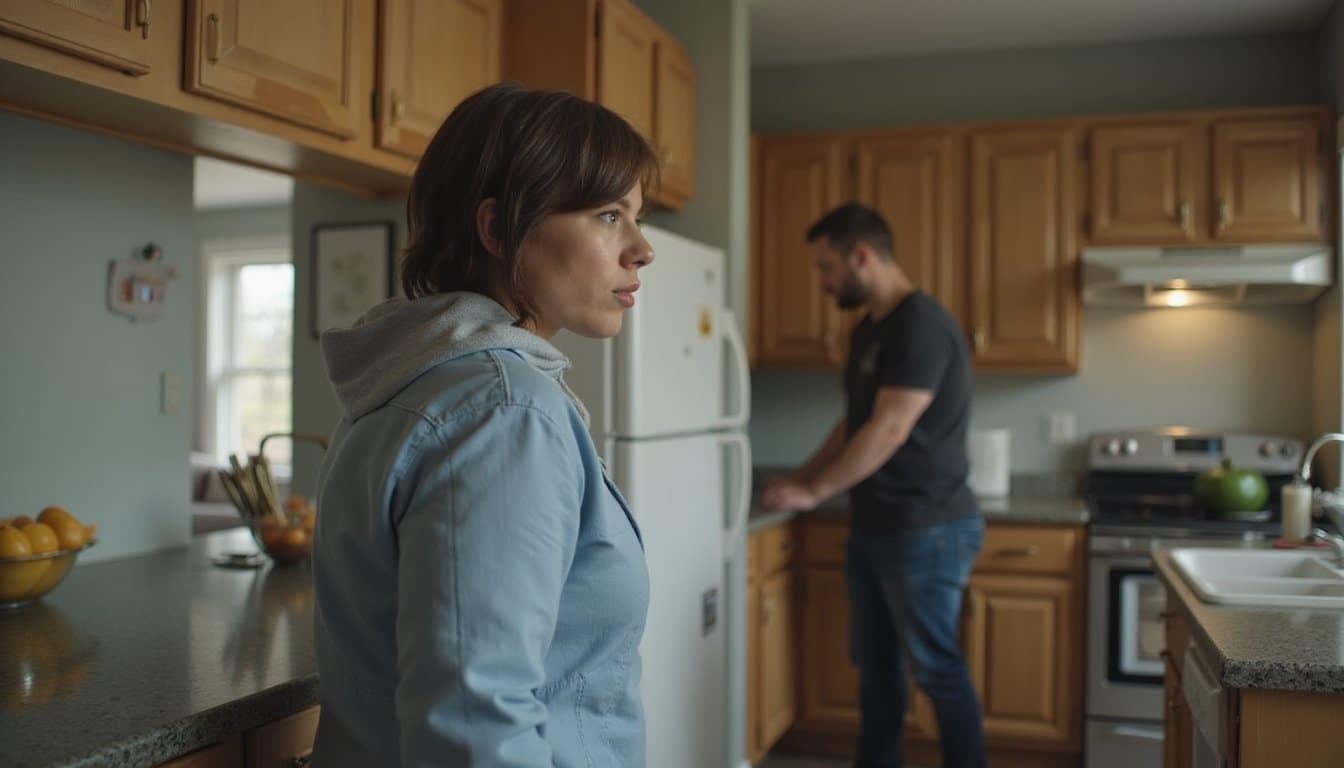
When PTSD surfaces during a relationship, it rarely looks like the dramatic flashbacks depicted in movies. Instead, you might notice sudden emotional flooding, complete shutdown, or irritability that seems disproportionate to the situation. These ptsd symptoms in relationships often manifest as dissociative episodes where your partner appears physically present but emotionally unreachable.
Relationship trauma creates patterns of hypervigilance, causing heightened alertness even in safe moments. You may observe mood swings, withdrawal, or aggressive responses during ordinary conversations. A ptsd symptoms relationship dynamic frequently involves one partner demanding connection while the other retreats into numbness. This avoidance can extend beyond emotional withdrawal, as individuals may steer clear of specific places or situations that trigger memories of their trauma. These symptoms can develop from prolonged exposure to harmful partner behaviors that disrupt an individual’s sense of safety and well-being.
Understanding these cycles helps you distinguish episodic flare-ups from personality traits, clarifying why your relationship feels stable sometimes and chaotic at others. Partners often struggle to navigate these shifts because they may not fully comprehend the unique needs and triggers that drive their loved one’s responses.
Why Emotional Numbing Hurts Partners More Than Flashbacks
Although flashbacks often dominate public understanding of PTSD, emotional numbing quietly inflicts deeper wounds on intimate relationships. Research shows this ptsd episode symptom impacts relationship satisfaction more severely than re-experiencing clusters. You’ll notice emotional numbing creates sustained disconnection, while flashbacks produce episodic distress that partners can actively support.
The ptsd symptoms impact on partners through numbing feels like rejection rather than crisis. You’re left feeling isolated when your partner can’t access warmth, joy, or emotional reciprocity.
| Flashbacks | Emotional Numbing |
|---|---|
| Visible distress signals | Appears as detachment |
| Episodic intensity | Sustained withdrawal |
| Partners can offer comfort | Partners feel shut out |
| Triggers often identifiable | Cause unclear to partners |
| Crisis-oriented response | Chronic relationship erosion |
Emotional numbing blocks the supportive exchanges essential for intimacy and recovery.
Dissociation During Conflict: When Your Partner Disappears

When conflict arises, your partner with PTSD may suddenly seem unreachable, their eyes glaze over, responses become delayed, or they appear physically present but emotionally absent. This dissociative response, affecting 15-30% of people with PTSD, serves as the mind’s protective shutdown when stress overwhelms the nervous system’s capacity to cope. Learning to recognize these moments and develop strategies for staying connected can transform frightening disconnections into opportunities for deeper understanding and safety.
Recognizing Dissociative Responses
Conflict can trigger a jarring shift in your partner, one moment they’re present and engaged, the next they’ve seemingly vanished behind a blank stare or emotional flatness. This dissociation in relationships often manifests as derealization or depersonalization, your partner may report feeling detached from their body or perceiving the world as unreal.
Research shows the dissociative subtype affects approximately 12% of those with PTSD, with women comprising 30% of this group. You’ll notice blunted emotional and physiologic responses during heated moments, contrasting sharply with typical hyperarousal patterns.
Key indicators include sudden emotional numbness mid-conversation, glazed expressions, delayed responses, or your partner reporting memory gaps about the conflict. These reactions stem from overwhelming trauma-cued physiologic reactivity, their nervous system fundamentally disconnects to survive perceived threat.
Staying Present Together
Understanding why your partner dissociates marks only the first step, learning to stay connected during these episodes requires deliberate, grounded action from both of you. Research shows that unresolved conflict in cyclical relationships compromises mental health, with cumulative stress from repeated ruptures hindering your ability to navigate future challenges together.
During a ptsd flare up, negative communication patterns often persist even after reconciliation attempts. You’ll need to recognize that ineffective conflict resolution intensifies relational tension. Studies demonstrate that communicative aggression interacts with relationship cycles to predict higher stress levels.
Stay present by avoiding escalation when your partner withdraws. Chronic stress from ongoing conflict creates lasting effects, longitudinal research links emotional behaviors during disagreements to physical health outcomes spanning twenty years. Your grounded presence during dissociative moments can interrupt destructive cycles before they compound.
The Hyperarousal Trap: Irritability and Constant Tension
Although hyperarousal serves as the body’s ancient survival mechanism, it becomes a relentless trap when it persists long after danger has passed. During a PTSD episode, your nervous system remains locked in threat-detection mode, making relaxation nearly impossible.
Complex PTSD episode symptoms often include chronic irritability, angry outbursts, and extreme startle responses. You might find yourself snapping at your partner over minor issues or perceiving threats in neutral interactions. This constant tension strains communication and erodes trust.
Research links hyperarousal to increased relationship conflict and reduced marital satisfaction. A complex PTSD episode can trigger mood swings that leave partners confused and distant. The persistent negative emotions create ripple effects, pushing loved ones away when you need connection most.
Why Partners Mirror PTSD Symptoms Without Realizing It

When your partner lives with PTSD, you may find yourself absorbing their emotional states through unconscious pathways you don’t recognize. This dynamic is often discussed in the context of complex ptsd in relationships, where trauma-related patterns can influence both partners’ emotional regulation and daily interactions.
Research shows partners may develop parallel stress responses, adopt shared avoidance behaviors, and experience emotional contagion, all without deliberate awareness that they’re mirroring their loved one’s symptoms. This mirroring occurs through three distinct mechanisms: your own physiological stress reactions, reactive emotions triggered by your partner’s states, and hypervigilance patterns you’ve developed to manage their triggers.
Emotional Contagion Pathways
Emotional contagion operates through multiple pathways that partners rarely recognize, transmitting PTSD symptoms across relational boundaries without conscious awareness.
You absorb your partner’s distress through proximity alone. When they display an unhappy demeanor, you internalize it, converting their emotional state into shared depression. This creates trauma response cycles where one partner’s low mood triggers the other’s, establishing repetitive patterns of mutual dysregulation.
Secondary traumatization extends beyond mood mirroring. You may develop nightmares, negative worldviews, shame, and anger simply from hearing trauma narratives. The more confidence-sharing and emotional support you provide, the more susceptible you become to symptom transmission.
Contagion operates simultaneously at individual, environmental, and relational levels. Your susceptibility depends on your psychological makeup, making some partners more vulnerable to absorbing symptoms than others.
Shared Avoidance Behaviors
Partners often develop avoidance behaviors that parallel those of the traumatized individual, creating a shared pattern neither person consciously chooses.
Research shows that complex PTSD behavior extends beyond trauma-specific triggers to general cognitive contexts. When you accommodate your partner’s avoidance, handling grocery shopping, social events, or difficult conversations, you’re unknowingly reinforcing cycles that strengthen over time.
Three common ways partners mirror avoidance without realizing it:
- Task completion: You take over anxiety-provoking responsibilities, enabling continued avoidance
- Demand-withdraw communication: You adopt indirect avoidance patterns during conflict
- Social restriction: You limit activities that might trigger your partner’s distress
This mirroring isn’t weakness, it’s an unconscious adaptation. However, support mismatch (providing too much or too little relative to relationship distress) actually strengthens avoidance patterns rather than reducing them.
Parallel Stress Responses
Living alongside someone with PTSD doesn’t leave you unchanged. Research shows that intimate partners face genuine risk of developing secondary traumatic stress, a condition arising directly from exposure to their loved one’s symptoms.
In some cases, these reactions can resemble signs of ptsd from abusive relationship, as prolonged exposure to trauma-related stress may affect your own emotional and physiological responses. You may notice your own body responding to threats that aren’t yours.
Physiological reactivity mirroring occurs when both you and your partner exhibit amplified cardiovascular responses during conflict discussions. Your nervous system begins tracking danger cues automatically.
| Response Type | Person with PTSD | Partner |
|---|---|---|
| Cardiovascular reactivity | Amplified during conflict | Amplified during conflict |
| Attention to threat | Faster detection | Increased vigilance |
| Anger expression | Heightened | Often mirrors |
This parallel activation explains why couples-based interventions improve anger symptoms in both partners simultaneously, your stress responses have become interconnected.
How PTSD Avoidance Slowly Shrinks Your Life Together
When PTSD avoidance takes hold, it doesn’t announce itself with dramatic changes, it quietly narrows the boundaries of your shared life until you’re both living in an increasingly smaller space.
PTSD avoidance doesn’t arrive loudly, it silently shrinks your shared world until both partners find themselves confined together.
The social isolation effects compound gradually. You stop attending gatherings that might trigger distress. Your partner adjusts their schedule around your limitations. Shared activities diminish as avoidance expands.
Research identifies three key patterns in this contraction:
- Emotional numbing reduces your capacity for intimate connection
- Withdrawal behaviors limit engagement in activities you once enjoyed together
- Trust erosion from trauma-related cognitions prevents deepening your bond
This cycle becomes self-reinforcing, avoidance temporarily reduces anxiety but progressively shrinks your relational world. Quality of life diminishes for both partners as the space you share continues narrowing, making recovery increasingly difficult without intervention.
Grounding Techniques for Couples During a PTSD Flare-Up
Because PTSD flare-ups often strike without warning, having practiced grounding techniques ready can mean the difference between escalating distress and returning to safety together. When you notice signs of relationship trauma surfacing, physical anchoring helps immediately, press your feet firmly into the ground or use the 5-4-3-2-1 method to engage all senses.
Partner-assisted co-regulation proves equally crucial. Maintain a calm, steady presence while your partner’s nervous system settles. Validate their experience with simple acknowledgments like “This feels hard” without attempting to fix anything. Synchronized breathing creates shared rhythms that foster connection during disconnection.
Establish a safe word beforehand to signal when distress exceeds manageable levels. Research shows 81% symptom improvement when couples combine these techniques with trauma-informed therapy, making consistent practice essential for lasting results.
Should Your Partner Join Your PTSD Treatment?
The grounding techniques you’ve practiced together lay a foundation for traversing PTSD flare-ups, but you may wonder whether your partner should take a more active role in your formal treatment.
Research supports partner involvement in post-traumatic stress disorder treatment. Veterans who share treatment details with loved ones show greater gains, and couples therapy reduces symptoms while improving relationship functioning.
Consider these evidence-based approaches:
- Cognitive Behavioral Conjoint Therapy (CBCT) delivers 15 sessions covering psychoeducation, relationship enhancement, and cognitive intervention.
- Partnered Prolonged Exposure includes your partner in sessions to coach exposure exercises and discuss trauma concerns.
- Couple HOPES offers guided self-help based on CBCT principles.
Importantly, less partner accommodation of symptoms correlates with better outcomes. Your partner’s involvement should support your growth, not shield you from recovery work.
Rebuilding Intimacy After Repeated PTSD Episodes
Repeated PTSD episodes can erode the intimate bond you’ve worked hard to build, yet research offers genuine hope for reconnection. With 69% of survivors reporting intimacy challenges and 45% experiencing emotional numbness during close moments, you’re not alone in this struggle.
Start rebuilding through sensate focus exercises, progressing gradually from non-sexual touch like holding hands to greater physical closeness. Establish clear consent practices and pause signals so either partner can stop without judgment. Container exercises help you temporarily set aside trauma reactions during intimate moments.
Reconnection rituals rebuild positive associations that episodes may have damaged. When both partners commit fully to the process, 86% of couples successfully restore trust. Consider Emotionally Focused Therapy, which moves 70-75% of couples from distress to recovery while strengthening your attachment foundation.
Frequently Asked Questions
Can PTSD Episodes Permanently Damage a Relationship Beyond Repair?
PTSD episodes can severely strain your relationship, but they don’t have to cause permanent damage. Research shows effective treatments exist, and support from loved ones actually reduces symptoms. However, if emotional numbing, aggression, or withdrawal persist without intervention, you’ll likely see lasting harm to intimacy and communication. Your relationship’s outcome depends largely on whether you’re both willing to seek help and work through these challenges together.
How Do Children in the Household Respond to a Parent’s PTSD Episodes?
Children often mirror your responses to trauma. When you encourage avoidance, steering away from difficult emotions or trauma-related discussions, your child’s PTSD symptoms tend to increase over time. Your negative appraisals, like viewing your child as permanently damaged, can also elevate their distress. Overprotective behaviors, while well-intentioned, predict higher symptom levels. Research shows 10%, 20% of trauma-exposed children develop PTSD, with your reactions substantially influencing their recovery trajectory.
Is It Normal to Feel Resentment Toward a Partner Experiencing PTSD Flare-Ups?
Yes, feeling resentment is completely normal and common among partners supporting someone with PTSD. Research shows 73% of partners take on additional household responsibilities, while 68% become primary emotional support providers, conditions that naturally breed exhaustion and frustration. You’re not failing your partner by having these feelings. Acknowledging resentment honestly, rather than suppressing it, helps you address caregiver burnout and maintain your own mental health while continuing to support your relationship.
How Long Do Typical PTSD Relationship Episodes Last Before Symptoms Subside?
You’ll find that PTSD episode durations vary noticeably based on trauma type and treatment status. With treatment, symptoms typically persist around 36 months on average, while untreated symptoms often last 64 months or longer. Roughly half of cases remit within six months, though war-related and intimate partner violence traumas show longer median durations of three to five years. Your partner’s recovery timeline depends heavily on accessing appropriate professional support.
Can Couples Therapy Make PTSD Episodes Worse Initially Before Improving?
Yes, couples therapy can temporarily intensify PTSD symptoms before you see improvement. Research shows partners may experience secondary traumatization during treatment, and some couples report decreased satisfaction initially. However, evidence strongly supports that these effects typically stabilize, studies demonstrate significant PTSD symptom reduction and improved relationship satisfaction that hold at three-month follow-up. You’ll benefit most from sessions extending beyond ten meetings, allowing adequate time for therapeutic mechanisms to work effectively.