
Research defines heavy cannabis use as daily or near-daily consumption, and you’re consuming too much if you exceed 8 THC units (about 40 mg) weekly, a threshold where 70% of users develop cannabis use disorder. With today’s products averaging 18-23% THC (up from 1-3% decades ago), you’ll hit unsafe levels faster than you’d expect. Understanding how much weed is too much and the specific risks to your heart, brain, and mental health can help you recognize when it’s time to cut back.
What Counts as Heavy Weed Use in 2024?
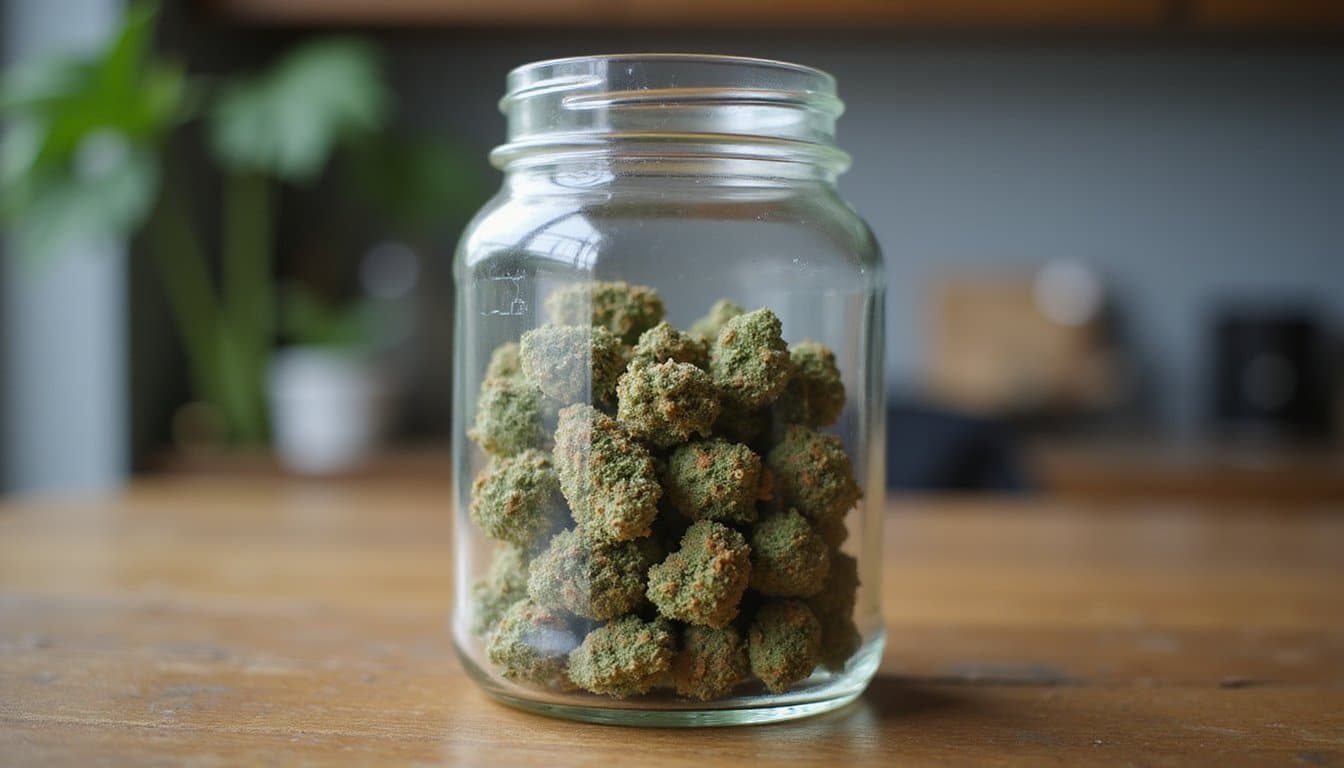
Heavy cannabis use in 2024 centers on frequency rather than the amount you consume in a single session. If you’re using daily or near-daily, you’ve crossed into heavy marijuana use territory, even if it’s just one joint per day. This pattern, sustained over weeks or months, defines problematic consumption more accurately than quantity alone.
Daily cannabis use triggers tolerance buildup, meaning you’ll need progressively larger amounts to achieve the same effects. When you stop, withdrawal symptoms like irritability and restlessness often emerge, signaling physical dependence. Chronic use can also change your brain’s reward system, making it harder to experience pleasure without cannabis. Long-term heavy use can impair memory and decision-making skills, affecting your ability to function effectively in daily life.
These patterns directly correlate with cannabis use disorder development. In 2022, 19 million Americans aged 12 and older met CUD diagnostic criteria. You’re at heightened risk when cannabis becomes your primary stress-management tool, creating a dependence cycle that’s difficult to break. Research shows that genetic factors account for 40-60% of an individual’s vulnerability to developing any substance use disorder, including CUD.
Why Today’s THC Potency Changes Everything
How dramatically has cannabis changed since the 1970s? The tetrahydrocannabinol content in flower has skyrocketed from 1-3% to today’s 18-23% average. Concentrates now reach 90-99% THC, a staggering increase from 6.7% in 2008.
This potency surge directly impacts what constitutes too much weed. Your risk of psychosis triples when consuming products at 15% THC or higher. Daily users of high-potency cannabis face five times greater likelihood of developing severe mental illness.
Heavy cannabis use carries different consequences today than decades ago. You’re consuming dramatically more tetrahydrocannabinol per session, accelerating dependency development and intensifying adverse effects like paranoia and confusion. The Netherlands recognized this connection, implementing potency caps that successfully reduced treatment admissions. Understanding these changes helps you evaluate your consumption more accurately.
How Much Weed Is Actually Safe? What Research Shows

Given these potency realities, you’re likely wondering what quantity actually crosses into harmful territory. Research from the CannTeen study establishes a concrete threshold: adults shouldn’t exceed 8 THC units weekly, equivalent to approximately 40 mg THC.
Can you smoke too much weed? The data confirms you can. Eighty percent of users staying below 8 THC units weekly showed no cannabis use disorder, while 70% exceeding this threshold developed one. Risk escalates considerably above 13 THC units weekly.
For single sessions, healthy adults may tolerate up to 10 mg THC, though symptoms of being high can become problematic at this level, including anxiety, paranoia, and vomiting. These reactions are commonly recognized as weed overdose symptoms, which may also include dizziness, confusion, rapid heartbeat, and intense discomfort in some individuals.
To reduce these risks, it’s generally recommended to start with about 2.5 mg of THC and titrate carefully. Understanding how much weed is too much requires measuring THC content rather than focusing on the quantity of the plant itself.
Warning Signs Your Use Has Gone Too Far
Recognizing when cannabis use has crossed into problematic territory often catches up with you gradually rather than all at once. You might dismiss early indicators as temporary, but persistent patterns signal you’re consuming too much weed.
Watch for these clinical red flags:
- You’re using more marijuana than intended and can’t cut back despite wanting to
- You’ve noticed memory impairment, poor concentration, or difficulty staying high on weed without increasing doses
- You’re experiencing withdrawal symptoms like sleep disturbances, irritability, or cravings when you stop
Too much marijuana affects your cognitive function, mood stability, and daily responsibilities. If you’re prioritizing use over relationships, showing secretive behavior, or experiencing anxiety and paranoia during or after sessions, your consumption has likely exceeded safe limits.
Who Gets Addicted and Why It Happens Faster Now
You’re facing a different risk landscape than cannabis users from previous decades because today’s products contain THC concentrations that have tripled or quadrupled since the 1990s. Your age when you first try cannabis matters tremendously, if you started before 18, you’re 4-7 times more likely to develop a use disorder than someone who began as an adult. Daily consumption compounds these risks dramatically, with research showing that using before age 17 increases your odds of dependence nearly 18-fold compared to never using.
Rising THC Potency Risks
Today’s cannabis products pack a considerably more powerful punch than what previous generations consumed. THC concentrations have tripled since 2008, with some dispensary products now exceeding 40% potency. This dramatic shift means heavy marijuana use today delivers far more THC per session than ever before.
When you engage in heavy weed use with high-potency products, you’re exposing your brain to substantially increased THC levels that increase dependency risk: When you engage in heavy weed use with high-potency products, you’re exposing your brain to substantially increased THC levels that increase dependency risk and raise concerns about the fatal risks associated with cannabis. Although direct THC toxicity rarely leads to death, high levels of impairment can contribute to dangerous outcomes such as accidents, cardiovascular stress, or risky decision-making. Understanding how potent products affect the brain is important for recognizing these risks and reducing the likelihood of harm.
- Daily users of high-potency cannabis face a 25-50% chance of developing cannabis use disorder
- Strong THC products activate reward circuits more intensely, accelerating addiction pathways
- Higher potency correlates with more severe withdrawal symptoms when you stop
Understanding that too much cannabis isn’t just about quantity, it’s about strength, helps you assess your actual risk more accurately.
Age Determines Addiction Vulnerability
While THC potency plays a critical role in addiction risk, your age at first use may matter even more. If you start using marijuana before age 18, you’re three times more likely to develop cannabis use disorder than adult users. Research shows 1 in 6 adolescent users become addicted, compared to 1 in 10 adults.
Your developing brain makes you particularly vulnerable. When considering what is considered heavy weed use or what is considered heavy marijuana use, frequency matters more for teens, even moderate consumption carries heightened risk. Can you take too much weed as an adolescent? The threshold is considerably lower because your endocannabinoid system is still forming. Male gender and concurrent alcohol or tobacco use further increase your addiction vulnerability during these critical developmental years.
Daily Users Face Higher Odds
Age isn’t the only factor shaping your addiction risk, how often you use matters greatly. Daily cannabis smoking carries a 25-50% addiction risk, considerably higher than the 1 in 10 rate among occasional users. Research shows 30% of all cannabis users develop cannabis use disorder, with frequent consumption directly linked to CUD development.
Your daily habit creates compounding vulnerability:
- Tolerance escalation forces you to consume more THC to achieve previous effects, accelerating dependency patterns.
- Neurological adaptation occurs as your brain adjusts to constant cannabinoid exposure, making cessation increasingly difficult.
- Higher potency products intensify these risks, today’s marijuana contains triple the THC concentration compared to 25 years ago.
With 17.7 million Americans now reporting daily or near-daily use, understanding these heightened odds helps you assess your personal risk accurately.
How Heavy Weed Use Damages Your Heart and Lungs
Heavy cannabis use poses significant cardiovascular risks that many users don’t anticipate. Research shows you face a 50% increased heart attack risk with regular use, and if you’re under 50, that risk jumps sixfold. You’re also looking at a fourfold increased stroke risk and double the likelihood of heart failure.
THC disrupts your heart’s electrical signaling while increasing oxygen demand on cardiac tissue. It causes endothelial dysfunction, preventing your blood vessels from relaxing properly and triggering dangerous vasospasms. Whether you smoke or consume edibles, regular use reduces your vascular function by approximately 50%, comparable to tobacco smokers.
Your heart attack risk peaks about one hour after consumption. Daily users develop coronary artery disease at higher rates, and chronic use creates sustained cardiovascular vulnerability that compounds over time.
Mental Health Risks That Climb With Heavy Use
Heavy cannabis use doesn’t just affect your body, it reshapes your mental health landscape in measurable ways. Research shows regular marijuana use links to increased rates of depression, anxiety, and suicidal thoughts, with heavy users facing a pooled odds ratio of 1.62 for depressive disorders. Your risk for psychosis climbs even higher, particularly if you’re using high-potency products daily, which carries an odds ratio of 2.91 for psychosis development.
Anxiety and Depression Links
When cannabis use ramps up to daily or near-daily levels, mental health risks climb alongside it. Research shows heavy users face considerably heightened odds of developing depression compared to non-users or light users. You’re also more likely to experience worsening anxiety symptoms with regular consumption.
Key findings from longitudinal research:
- Heavy cannabis users show 62% higher odds of depression compared to non-users or light users (OR 1.62).
- Daily or near-daily use increases your chances of developing anxiety disorders over time.
- Recovery from long-term anxiety and depression becomes more likely when you reduce or stop cannabis use.
If you’re using cannabis frequently and noticing mood changes, these patterns warrant attention. The dose-response relationship suggests cutting back may improve your mental health outcomes.
Psychosis Risk Factors
Certain risk factors dramatically amplify the connection between cannabis use and psychosis. If you use cannabis daily, your psychosis risk increases two- to three-fold compared to non-users. Daily high-potency cannabis use (greater than 10% THC) elevates this further, with odds ratios reaching 5.4 in some studies.
Your genetic profile matters considerably. Variations in dopamine-related genes like AKT1 moderate how cannabis affects your brain. A family history of psychosis or schizophrenia compounds your vulnerability significantly.
Age of initiation proves critical, using before 16 associates with earlier psychosis onset and heightened lifetime risk. If you’re clinically high-risk, cannabis use predicts 24 times higher odds of developing pathology-level psychosis, independent of other factors. These aren’t abstract statistics; they’re indicators that should inform your personal risk assessment.
What Daily Weed Use Does to Your Brain Long-Term
Daily cannabis use affects your brain’s working memory circuits in measurable ways. Research shows 63% of heavy lifetime users exhibit reduced brain activity during working memory tasks, with effects concentrated in regions controlling decision-making and attention.
Long-term effects you should know:
- Persistent attention deficits remain evident even after 6 weeks to 2 years of abstinence, affecting concentration and reaction times
- Verbal fluency impairments may continue after prolonged abstinence in chronic heavy users
- Working memory function can recover with sustained abstinence, offering hope for cognitive restoration
The dorsolateral prefrontal cortex, dorsomedial prefrontal cortex, and anterior insula show particular vulnerability. These regions regulate emotional processing, memory formation, and executive function. If you’re using daily, understanding these risks helps you make informed decisions about your consumption patterns.
How to Cut Back Without Quitting Completely
Many people find that moderation offers a more sustainable path than complete abstinence. You can start by setting a realistic quit or reduction date within a few weeks, then decrease your intake by specific amounts weekly. Switching to lower-potency strains or different consumption methods, like moving from dabs to a one-hitter, helps reduce overall THC exposure.
Changing your routines proves equally important. Replace morning use with meditation or a walk, and substitute bedtime sessions with reading or journaling. When cravings hit, take short breaks for stretching or controlled breathing exercises.
Build a support network of friends and family who’ll encourage your goals. Consider cognitive behavioral therapy to identify triggers and develop healthier coping responses. If your initial reduction plan feels unrealistic, adjust your timeline, patience allows your body to adapt gradually.
Take the First Step Toward Recovery Today
Frequently Asked Questions
Can You Overdose on Weed or Is It Impossible to Die From It?
You can’t fatally overdose on cannabis in typical use scenarios. While one death has been linked to THC vaping, the DEA reports no confirmed marijuana overdose deaths. You’d need approximately 7 ounces of pure THC to reach a 50% lethal threshold, a practically impossible amount to consume. However, you can experience acute toxicity, causing severe discomfort, panic, and impaired function. If you’re concerned about your consumption, consult a healthcare provider.
How Long Does It Take for Cannabis Tolerance to Reset Completely?
Your cannabis tolerance typically resets completely within 3, 4 weeks of abstinence. PET scan studies show CB1 receptor density returns to baseline levels after approximately 28 days. However, your personal timeline depends on usage patterns, if you’re a light user, you’ll notice significant improvements within days, while heavy daily consumers need the full 3, 6 weeks for substantial recovery. Factors like metabolism, body fat percentage, and THC potency also influence your reset speed.
Does Mixing Weed With Alcohol Make the Effects More Dangerous?
Yes, mixing weed with alcohol greatly increases danger. Alcohol boosts THC absorption, raising blood concentrations and intensifying impairment beyond either substance alone. You’re more likely to experience “greening out,” blackouts, and severe nausea. Your risk of accidents doubles, and alcohol poisoning becomes more threatening. Combined use also impairs your judgment and motor control more dramatically, making driving and other activities considerably more hazardous than using either substance separately.
Are Edibles Safer Than Smoking When It Comes to Heavy Use?
Edibles aren’t necessarily safer than smoking for heavy use. While you’ll avoid respiratory damage like chronic bronchitis and tar inhalation, you’re still exposed to cardiovascular risks. Research shows both methods decrease vascular function similarly, increasing your heart attack risk. Edibles also carry higher overconsumption potential due to delayed onset and unpredictable intensity from 11-hydroxy-THC. You’ll trade lung protection for dosing challenges and potentially stronger psychoactive effects that can trigger panic or paranoia.
Can Secondhand Marijuana Smoke Cause Failed Drug Tests or Health Problems?
Yes, secondhand marijuana smoke can cause both failed drug tests and health problems. If you’re exposed in unventilated spaces for an hour or more, you may absorb enough THC to test positive. You’ll also face respiratory risks from fine particulate matter, cardiovascular effects including impaired blood vessel function, and potential psychoactive symptoms like anxiety or fatigue. Ventilation considerably reduces these risks, so avoid enclosed spaces where others are smoking.