
If you miss a Suboxone dose, take it immediately if it’s within 6 hours of your scheduled time. For delays between 6-12 hours, check how close you are to your next dose before taking the missed one. Skip the missed dose entirely if it’s been over 12 hours and resume your regular schedule. Never double up doses to catch up, as this won’t increase effectiveness and could be dangerous. Your healthcare provider can help you develop strategies to prevent future missed doses and maintain your recovery path.
Understanding Missed Dose Time Windows
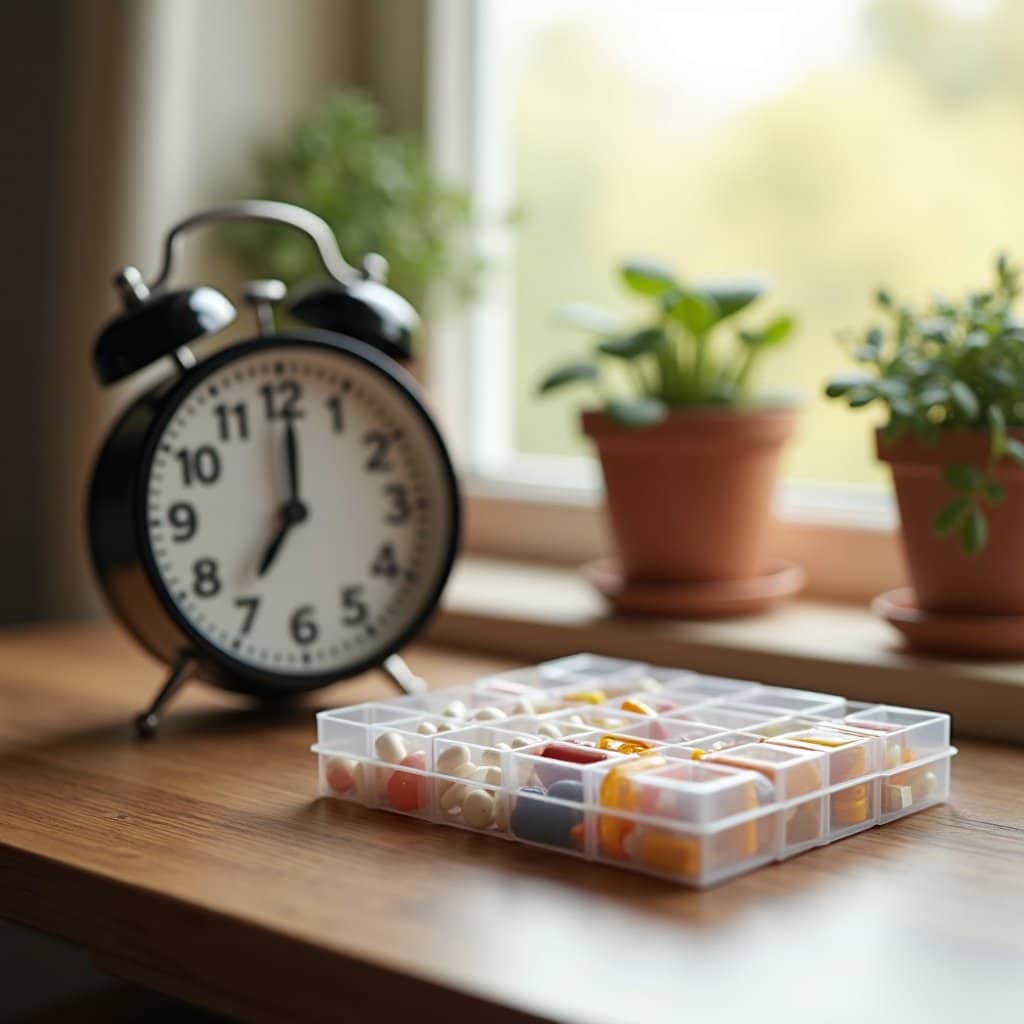
Understanding when and how to respond to a missed Suboxone dose boils down to specific time windows that determine your next steps. The essential time frames are: less than 6 hours, 6-12 hours, and over 12 hours from your scheduled dose. Monitoring yourself carefully for symptoms like restlessness, sweating, or mild anxiety is crucial during this time.
Since buprenorphine and naloxone work together in this medication, proper timing is essential. If you’re within 6 hours of your missed dose, you should take it as soon as you remember. For the 6-12 hour window, you’ll need to evaluate how close you’re to your next scheduled dose take it only if you’re not approaching your next dose time. If it’s been over 12 hours, skip the missed dose entirely and resume your regular schedule. Proper dose tracking and medication adherence are indispensable for treatment success. Never double up on doses to compensate for a missed one, as this can lead to adverse effects. If you consistently miss doses, it’s crucial to discuss your recovery with your doctor as this may indicate underlying issues with your treatment plan.
Immediate Steps After Missing a Dose
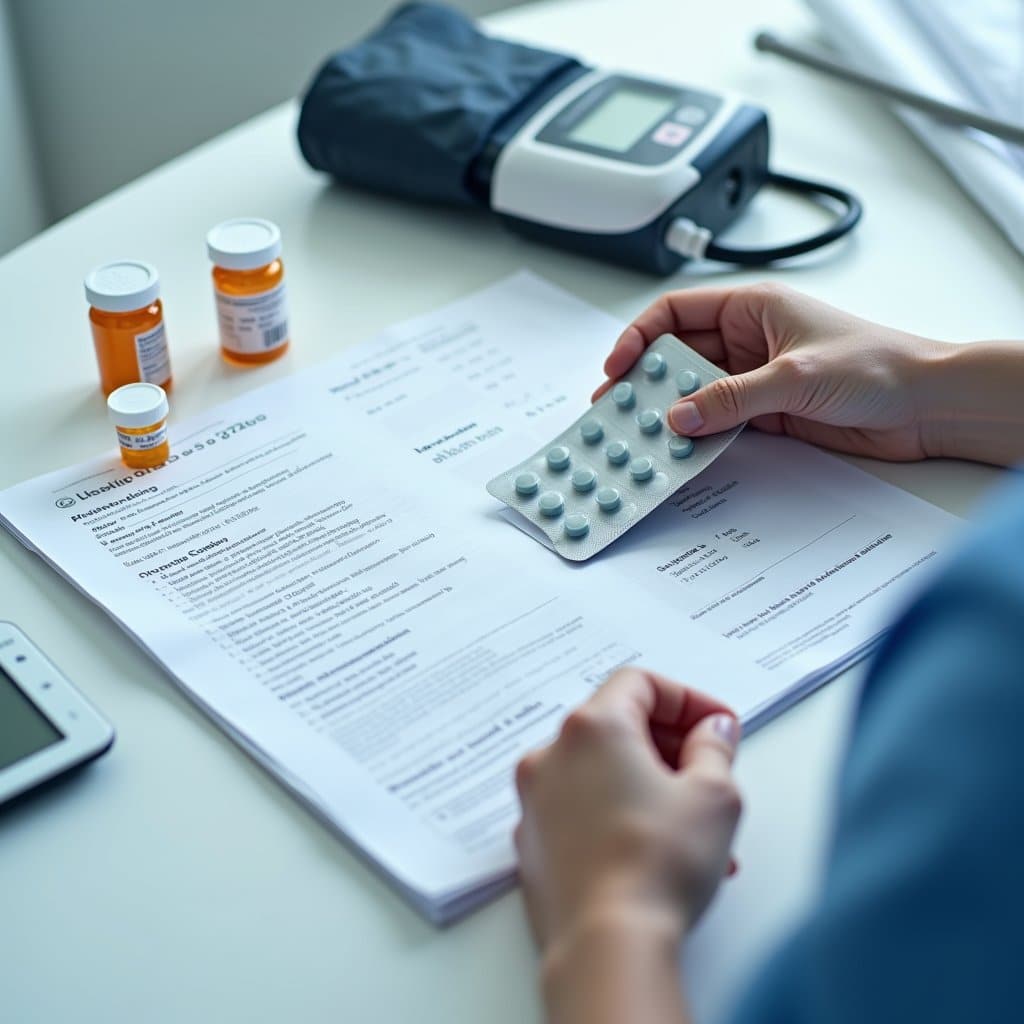
If you’ve missed a dose of Suboxone, initial assess how much time has passed since your scheduled dose to determine your next steps. You should take the missed dose if it’s within 24 hours of your regular dosing time, but don’t combine or double up doses if you’re close to your next scheduled intake. Since Suboxone has a ceiling effect, taking extra doses won’t increase its effectiveness and could be dangerous. Contact your healthcare provider promptly if you’ve missed multiple doses or experience withdrawal symptoms, as they can guide you on the safest way to resume your treatment schedule. Using a medication reminder system like an alarm or app can help prevent missed doses in the future.
Time Window Assessment
When you realize you’ve missed a Suboxone dose, promptly evaluating the time period since your scheduled dose is pivotal for determining your next actions. Your medication window considerations fall into three distinct timeframes that guide your response.
If you’re within 6 hours of your missed dose, you can safely take it immediately and resume your regular schedule. For delays between 6-12 hours, you’ll need to assess how close you’re to your next scheduled dose before deciding to take the missed one.
When the scheduling consistency impacts extend beyond 12 hours, it’s safest to skip the missed dose entirely and wait for your next scheduled intake. Never attempt to compensate by doubling up doses, as this can be dangerous. If you’ve missed doses for more than 24 hours, contact your healthcare provider immediately for guidance.
Dosing Protocol Guidelines
Taking immediate action after missing a Suboxone dose requires following specific protocols to maintain your treatment’s effectiveness and safety. If you recall within 12-24 hours, take the missed dose as soon as possible. However, if it’s close to your next scheduled dose, skip the missed one and resume your regular schedule – never double up doses to compensate.
Always maintain proper medication storage security to prevent accidental ingestion or misuse. If you’ve missed multiple doses, don’t resume taking Suboxone without consulting your healthcare provider first, as your tolerance may have decreased. Financial access considerations shouldn’t prevent you from seeking immediate medical guidance when needed. Monitor yourself for withdrawal symptoms and avoid using other substances, especially central nervous system depressants, during this sensitive period.
Contact Medical Provider
Contacting your healthcare provider promptly represents an indispensable initial step after missing a Suboxone dose, especially if more than 24 hours have elapsed. As part of patient education and aftercare planning, you’ll need to communicate specific details about your situation to receive appropriate guidance.
- Share the exact number of missed doses and when you last took your medication
- Report any withdrawal symptoms you’re experiencing, such as anxiety, nausea, or muscle aches
- Disclose any substance use that occurred since your last dose
- Describe any changes in your physical or mental health
- Be honest about your adherence patterns, whether doses were missed due to forgetfulness or other reasons
Your provider will assess your situation and recommend safe steps to resume treatment while preventing potential complications like withdrawal or overdose.
Safety Precautions and Warning Signs
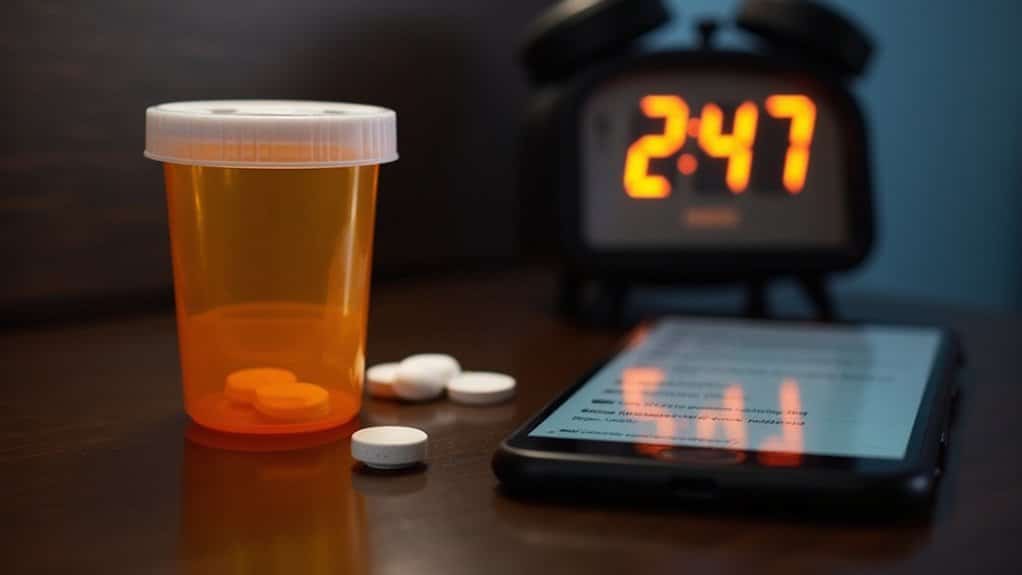
Safety precautions should remain top-of-mind for anyone managing Suboxone treatment, especially when doses are missed. Never double up on doses to compensate for missed ones, as this can lead to dangerous sedation or respiratory depression. If you’ve missed a dose, take it as soon as you recollect, unless it’s within 4-6 hours of your next scheduled dose. To maintain proper administration, rinse your mouth with water before taking a sublingual dose.
Watch for warning signs that require immediate medical attention, including shallow breathing, blurred vision, or unusual drowsiness. If you experience these symptoms, seek emergency care right away. Keep naloxone on hand and guarantee your loved ones know how to use it. Proper medication disposal and consistent provider communication are essential for your safety. Maintain in mind that mixing Suboxone with other CNS depressants, particularly benzodiazepines, drastically amplifies your risk of adverse effects.
Extended Gaps in Treatment
Extended gaps in your Suboxone treatment can markedly increase health risks and should be avoided whenever possible. Research shows that patients are nearly three times more likely to experience an opioid overdose during treatment gap months. Studies indicate that 50% of patients discontinue treatment before completion, highlighting the importance of staying consistent with prescribed dosing. Using a medication-assisted treatment like Suboxone has proven to be eight times safer than attempting recovery without medication support. If you’ve been off treatment for an extended period, you’ll need to work closely with your healthcare provider to safely restart, as your tolerance may have decreased and you’ll require careful re-titration of your dose.
Contact your healthcare provider immediately if you’ve missed multiple doses or stopped treatment, as they can help you develop a safe plan to resume treatment while minimizing risks of adverse effects or withdrawal.
Restarting After Long Breaks
When resuming Suboxone treatment after extended breaks, you’ll need careful medical supervision to safely restart your medication. Treatment gap planning requires a thorough assessment of your recent opioid use and tolerance levels.
If you’ve missed more than three days of doses, your doctor will likely implement reinduction protocols to prevent withdrawal symptoms and reduce overdose risks.
- Your healthcare provider will review your pharmacy records to confirm the precise duration of missed doses
- You’ll need a lower initial dose if you’ve been off Suboxone for more than four days
- Your doctor will provide you with naloxone and overdose prevention education
- You’ll receive close monitoring during the early days of restarting
- You may need to gradually increase your dose until reaching your previous stable level
Managing Treatment Gap Risks
Treatment gaps can put you at serious risk of opioid overdose, with research showing 2.6 to 3.6 times higher danger during periods without medication compared to active treatment months. Your highest risk occurs within the initial four weeks after stopping treatment, especially if you’re on buprenorphine without naloxone. Higher doses of 16mg or more of buprenorphine have been shown to better control withdrawal symptoms and cravings, making treatment gaps less likely. Taking buprenorphine with medical supervision is the safest and most effective approach to treatment.
For effective overdose risk mitigation, it’s essential to maintain access to naloxone and avoid seeking medications from unregulated sources, where potency can be unpredictable. Beyond safety concerns, treatment gaps also create long-term cost impacts through increased emergency care visits and hospitalizations, averaging $110-$282 more in healthcare spending per gap month. If you’re experiencing barriers like insurance issues or transportation problems, work with your healthcare team to develop a continuity plan before gaps occur.
Managing Withdrawal Symptoms
Effective management of withdrawal symptoms becomes essential if you miss a Suboxone dose. When withdrawal sets in, usually 24-48 hours after a missed dose, you’ll need to focus on managing relapse risks while addressing physical and emotional symptoms. Understanding potential medication interactions is paramount during this period, as certain remedies might complicate your recovery process. A medical detox program can provide professional supervision and support if withdrawal symptoms become severe.
Stay hydrated with electrolyte-rich fluids to combat nausea and muscle cramps. Track your symptoms, noting their intensity and duration for accurate reporting. Use approved over-the-counter medications for specific symptoms like headaches or body aches. Maintain regular sleep patterns and eat nutritious meals to support your body’s healing. Practice stress-reduction techniques like deep breathing or gentle exercise when anxiety peaks.
Working With Your Healthcare Provider
Collaborating closely with your healthcare provider forms the cornerstone of managing missed Suboxone doses safely and effectively. When you miss a dose, contact your provider promptly, especially if you’ve missed multiple doses or are experiencing withdrawal symptoms. Your provider can verify your last dose through pharmacy records and help develop strategies for guaranteeing clinic visits to prevent future misses.
During appointments, be honest about any challenges you’re facing with medication adherence. Your provider will work with you on managing relapse risk and may adjust your treatment plan if needed. They’ll document missed doses, conduct necessary testing, and create contingency plans to support your recovery. Regular follow-up visits allow your provider to monitor your progress and make timely adjustments to ensure your treatment stays on track.
Pharmacy Communication Guidelines
If you use multiple pharmacies, it’s crucial to inform each one about your Suboxone treatment and maintain clear communication between them to guarantee proper tracking of your prescription history.
You’ll need to provide accurate documentation of any missed doses to your primary pharmacy, as this information helps them monitor your treatment progress and coordinate with your healthcare provider. Keep written records of dates, times, and reasons for missed doses, as this documentation supports safer medication management and helps pharmacists make informed decisions about your care.
Coordinating Between Multiple Pharmacies
Successful coordination between pharmacies plays an essential role in maintaining uninterrupted Suboxone treatment. When your regular pharmacy runs low on medication, they’ll work with other locations through inventory sharing and remote prescription verification to guarantee you don’t miss any doses. This coordination helps protect your privacy while maintaining consistent access to your medication. The recently released consensus guidelines help pharmacists navigate complex regulatory barriers when coordinating care between locations.
Your pharmacist can check stock levels at nearby locations if your usual pharmacy is out. They’ll securely transfer your prescription to another pharmacy that has Suboxone in stock. Pharmacies can coordinate to verify your prescriber’s credentials and treatment plan. You can request discrete handling of your prescription when switching between pharmacies. If you’re paying cash, pharmacists will work together to maintain separate inventory tracking for privacy.
These coordinated efforts help confirm your treatment continues smoothly, even when switching between different pharmacy locations.
Documenting Missed Dose History
Accurate documentation of missed Suboxone doses helps safeguard patient health and prevent potential complications. When you miss doses, your healthcare providers need to track your medication adherence carefully to adjust your treatment plan appropriately.
Contact your pharmacy immediately to verify your last dose and document any treatment discontinuation. Your pharmacist will review dispensing records and coordinate with your prescriber to guarantee accurate documentation. You’ll need to provide details about missed doses, including exact dates and circumstances. This information helps your care team assess risks and determine if dose adjustments are required.
Be prepared to discuss your dose history during emergency department visits, as providers must forward documentation to your regular treatment team. Clear communication between all healthcare providers helps maintain safe, continuous care while preventing potentially dangerous dosing errors.
Prevention and Adherence Strategies
Maintaining consistent Suboxone adherence can make a significant difference in treatment outcomes, with data showing that 80%+ adherence rates substantially lower relapse risks. Through patient education programs and remote monitoring services, you can develop effective strategies to prevent missed doses and maintain ideal treatment engagement. Studies show that patients with persistent refills experience fewer hospitalizations and emergency department visits.
Set daily medication reminders on your phone or use pill organizers to establish a consistent routine. Work with your healthcare provider to find the best dose (16mg+ shows better adherence) and formulation (films show 1.37x better adherence than tablets). Participate in support services, especially if you have co-occurring mental health conditions. Keep regular follow-up appointments to address any concerns or side effects promptly. Consider enrolling in wrap-around services if you’re experiencing multiple clinical needs or challenges with adherence.
Digital Tools and Reminders
Technology has revolutionized how patients manage their Suboxone treatment through an array of digital tools and smart devices. You’ll find extensive support through medication reminder apps that offer customizable notification settings, allowing you to set up to three daily alerts that match your prescribed schedule. The buprenorphine tracking features are specifically designed to help monitor your dosing schedule and amounts.
Smart dispensing systems with connected device syncing can track your doses in real-time, while mobile apps provide essential guidance for proper administration. These digital tools integrate seamlessly with your healthcare team, enabling them to monitor your progress and adjust treatment plans as needed.
You can also benefit from text-based support systems that offer interactive check-ins and immediate assistance when facing challenges. Many apps include multilingual options and symptom tracking features, making it easier to stay committed to your treatment process.
Building a Support System for Recovery
Building a strong support network is fundamental to successful Suboxone treatment and long-term recovery. Through community resource collaboration and family-centered treatment planning, you’ll create an extensive system that addresses both your medical and emotional needs.
A comprehensive support system combining medical care, community resources, and family involvement creates the foundation for successful addiction recovery.
Combine professional therapy with peer support networks to enhance your chances of maintaining consistent medication adherence and achieving lasting recovery.
Connect with local Suboxone support groups that offer shared experiences and accountability. Engage your family in therapy sessions to improve communication and understanding. Utilize state-funded addiction services and community resources for additional backing. Join peer-led discussion groups to address common challenges in recovery. Partner with a peer mentor who’s experience with Suboxone treatment.
These support systems will help you stay on track with your medication schedule while providing the emotional backing needed for sustained recovery.
Frequently Asked Questions
Can I Drink Alcohol While Taking Suboxone?
You shouldn’t drink alcohol while taking Suboxone. The combination can be extremely dangerous, leading to severe respiratory depression, overdose, or death.
These substances interact in ways that intensify each other’s sedating effects on your central nervous system. You’ll need to avoid alcohol interactions completely during Suboxone treatment – even small amounts can be risky.
If you’re struggling with alcohol cravings, consult your doctor to discuss safe coping strategies.
Will Missing Doses Affect My Drug Test Results?
Missing Suboxone doses can affect your drug test results, particularly if you’ve missed multiple doses over several days. While a single missed dose may not immediately impact test results due to Suboxone’s long half-life, multiple missed doses can lower detectable levels in your system.
This can disrupt your treatment plan and potentially trigger withdrawal symptoms. It’s vital to maintain consistent dosing and communicate with your healthcare provider about any missed doses.
How Do I Store Suboxone Properly at Home?
Store your Suboxone in its original packaging or an airtight container at room temperature (59°F-86°F). Don’t keep it in the refrigerator, as this can affect the medication’s stability.
Choose a secure, locked cabinet away from heat, light, and humidity. Avoid storing in bathrooms or kitchens where temperature fluctuates. Always keep your medication in a location that’s inaccessible to others, especially children, and maintain a consistent inventory of your doses.
Can I Exercise or Play Sports While on Suboxone?
Yes, you can safely exercise and play sports while taking Suboxone, but it’s crucial to follow some key guidelines.
Start with a moderate exercise routine that you can gradually build upon. Focus on activities like walking, swimming, or light jogging. You’ll want supervised sports participation, especially when beginning, to guarantee safety.
Exercise can actually support your recovery by improving mood and reducing stress. Always check with your healthcare provider before starting any new fitness program.
Should I Tell My Dentist I’m Taking Suboxone?
Yes, you should absolutely inform your dentist about taking Suboxone. It’s vital for your safety since Suboxone can interact with dental sedatives and pain medications commonly used during procedures.
Your dentist needs this information to adjust treatment plans and avoid potentially dangerous drug interactions. They’ll keep your information confidential and can develop appropriate pain management strategies that work with your Suboxone treatment.
Being honest helps guarantee you receive safe, effective dental care.