
A panic attack is a sudden surge of intense fear that sets off your body’s danger response even when you’re safe. Your heart may race, you may sweat or tremble, and your breath can feel tight. Dizziness, chest discomfort, and fear of losing control are common. Symptoms peak within minutes and ease within 5, 20 minutes. Slow breathing and grounding can help you ride it out. Understanding your triggers and proven treatments helps you regain control.
Key Takeaways
- A panic attack is a sudden surge of intense fear or discomfort that can strike without warning, even during sleep.
- Common symptoms include a racing heart, sweating, trembling, shortness of breath, chest discomfort, dizziness, nausea, and fear of losing control.
- Attacks usually peak within minutes and last 5, 20 minutes, though shakiness, fatigue, or unease may linger afterward.
- No single cause exists; genetics, family history, overactive fear-regulating brain systems, and environmental factors likely interact to trigger attacks.
- Coping strategies include slow breathing, grounding, and muscle relaxation, while cognitive behavioral therapy and medication offer effective long-term treatment.
What exactly is a panic attack
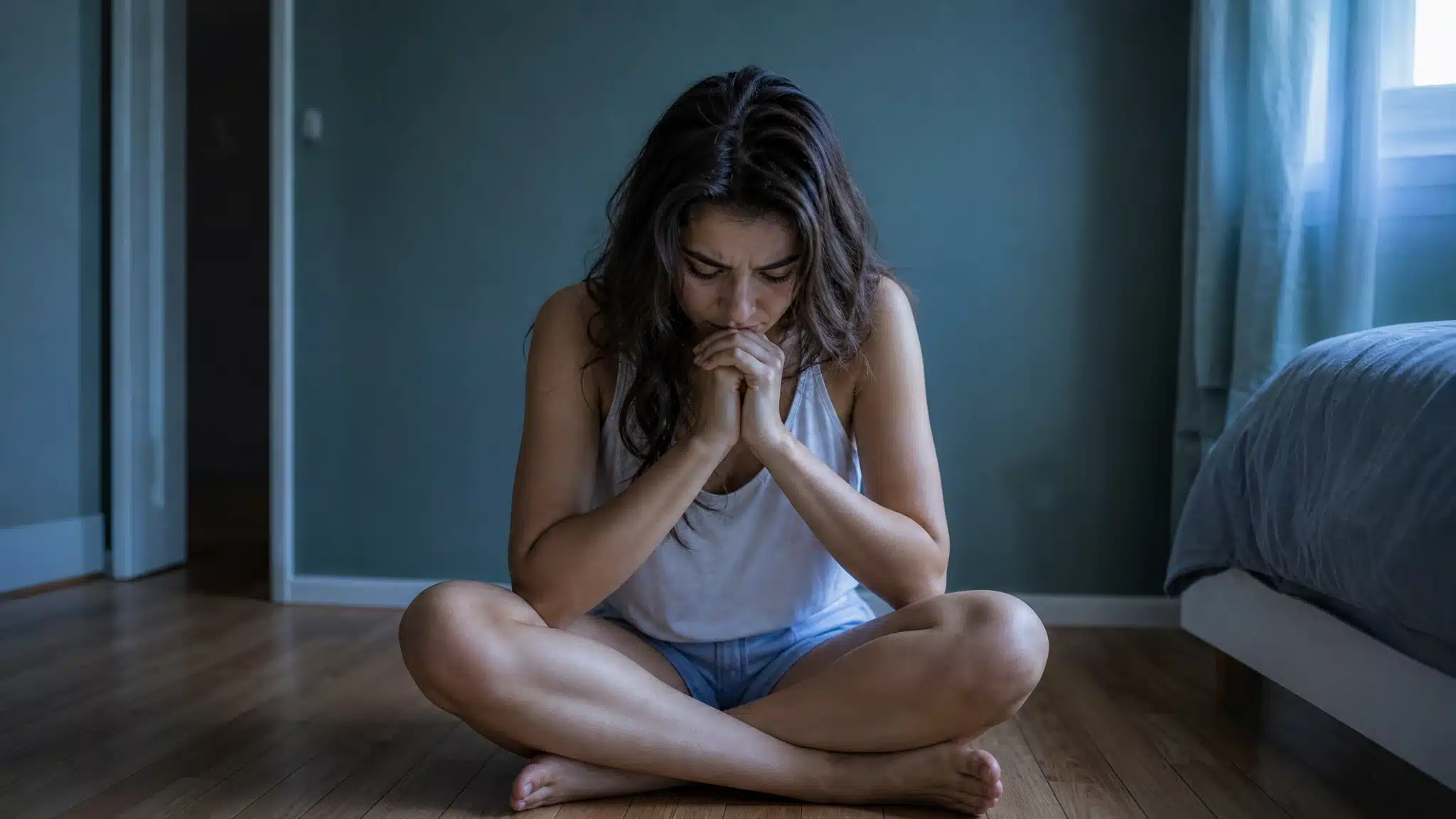
A panic attack is a sudden surge of intense fear or discomfort that can strike without warning, even while you’re asleep. Common panic attack symptoms include a racing or pounding heart, sweating, trembling, chills or hot flushes, shortness of breath, chest discomfort, and nausea. You might also feel dizzy, numb, or detached from your surroundings, or fear you’re dying or losing control. Most attacks typically last 5, 20 minutes, though some symptoms can linger. Recognizing the signs of a panic attack matters because these symptoms can closely mimic a heart attack. Still, a single episode doesn’t mean you have panic disorder, and you can learn to manage it effectively. Identifying the signs of a panic attack can be crucial for those experiencing them. Understanding these signs can help differentiate between anxiety-related symptoms and other medical conditions.
What happens in the body during an attack
During an attack, your body’s fear response activates as though you’re facing real danger, even when no threat exists. Brain systems involved in fear and anxiety may play a role, though researchers don’t fully understand the exact causes. Your heart races or pounds; you may sweat, tremble, or feel chills and hot flushes. Your breathing can feel tight or shallow, sometimes with a choking sensation or chest discomfort. You might feel dizzy, faint, numb, or tingly, or notice nausea and stomach pain. You may feel detached from yourself or your surroundings. Many attacks last 5, 20 minutes. Understanding this pattern is central to coping with panic attacks, but new, severe, or unexplained chest pain or breathing difficulty needs urgent medical assessment.
How quickly does a panic attack pass
Most panic attacks peak within minutes and last about 5, 20 minutes in total, even though they can feel endless while they’re happening. Some symptoms, such as shakiness, fatigue, or lingering unease, can continue longer. That doesn’t mean you’re in danger or that the attack is starting again. Understanding the typical pattern can help you respond with less fear:
- Remind yourself it will pass. The surge of fear is temporary, even when it feels overwhelming.
- Stay where you are if it’s safe. Leaving abruptly can reinforce the urge to avoid that place later.
- Breathe slowly and deeply. Steady breathing can ease your racing heart and dizziness.
- Get urgent care for new or severe symptoms. Don’t assume unexplained chest pain or breathing difficulty is panic-related.
What triggers these episodes
No single cause triggers panic attacks, which can strike out of nowhere, even during sleep. Instead, biological, psychological, and environmental factors likely interact to shape your vulnerability.
Your family history may matter. If close relatives have panic disorder, you may face higher risk, though scientists don’t fully understand how it’s inherited. Brain systems that regulate fear and anxiety may also overreact, sounding an alarm when you’re not in danger.
Life events can play a role too. Trauma or intense stress, including the loss of someone you love, may set the stage for attacks. Timing matters: panic disorder often begins in your late teens or early adulthood, and women develop it more often than men.
Understanding these factors can help ease self-blame.
How can you calm one in the moment

To calm a panic attack in the moment, stay where you are if it’s safe, and use slow breathing, grounding, and muscle relaxation to ride out the surge. Your instinct may be to flee, but most attacks peak and ease within 5, 20 minutes, so remind yourself that this one will pass too. These techniques can help you regain control:
- Breathe slowly and deeply, letting each exhale last a little longer than the inhale.
- Picture a calm, peaceful scene and hold your attention there.
- Ground yourself by naming what you can see, hear, and touch right now.
- Relax tense muscles, starting with your jaw, shoulders, and hands.
Don’t assume every symptom is panic. If you have new, severe, or unexplained chest pain or trouble breathing, get urgent medical care to rule out heart problems.
Which coping strategies help most
The coping strategies that help most are the ones with the strongest evidence, which work over weeks and months to make attacks less frequent and less frightening. In-the-moment techniques can shorten a single attack. Cognitive behavioral therapy (CBT) is a commonly used, evidence-supported treatment. It helps you understand the fear response, challenge catastrophic thoughts, and gradually face situations you’ve started avoiding. Your clinician may recommend psychotherapy, medication, or both, depending on your symptoms and history.
Daily habits also matter. Regular exercise, adequate sleep, and a balanced diet support your overall wellbeing. Cutting back on caffeine, alcohol, and sugary drinks, and stopping smoking, may reduce factors that can worsen attacks. Trusted friends or family can offer steady support. If attacks keep returning or you’re avoiding places, seek professional help.
What divides a panic attack from an anxiety attack
“Panic attack” is a defined clinical term, while “anxiety attack” isn’t a formal diagnosis, though people often use the terms interchangeably. People commonly use “anxiety attack” for worry that builds gradually around a specific stressor. Here’s how they typically differ:
| Feature | Panic attack | Anxiety attack (informal) |
|---|---|---|
| Onset | Sudden, peaking within minutes | Gradual buildup |
| Trigger | Can occur unexpectedly, even during sleep | Usually linked to a stressor |
| Intensity | Intense fear or discomfort | Mild to severe |
| Common symptoms | Pounding heart, breathlessness, chest discomfort, fear of dying | Worry, tension, restlessness |
| Duration | Often 5, 20 minutes | Can persist for hours or days |
If you’re having recurrent, unexpected attacks and you’ve started worrying about or avoiding future ones, talk with a clinician. That pattern may indicate panic disorder, which responds well to treatment.
How does Villa Behavioral Health help you regain control
Villa Behavioral Health helps you regain control by teaching you to understand your panic symptoms and respond to them with confidence, so fear of the next attack no longer traps you. Your care starts with understanding your attack pattern and how it affects your daily life. Your treatment plan may include:
Understanding your panic symptoms is the first step toward responding with confidence, so fear of the next attack no longer controls your life.
- Cognitive behavioral therapy (CBT) to challenge fearful thoughts and reduce avoidance
- Medication evaluation when it fits your needs, alone or alongside therapy
- Breathing, grounding, and relaxation techniques you can use during an attack
- Lifestyle guidance on sleep, exercise, nutrition, caffeine, alcohol, and smoking
Panic disorder can disrupt your work, relationships, and routines, but it’s highly treatable. With consistent support, you’ll learn to face situations you’ve avoided and steadily rebuild trust in your own body.
Stop Letting Panic Attacks Control Your Routine
Panic attacks can make everyday situations feel frightening, especially when you’re constantly worried about another episode. Villa Behavioral Health offers therapy programs to help you understand panic symptoms, manage triggers, and reduce avoidance through evidence-based approaches like CBT. Verify your insurance to explore coverage options, or call (833) 302-2533 to discuss treatment.
Frequently Asked Questions
Can Panic Attacks Happen While You Are Asleep?
Yes, panic attacks can strike while you’re asleep, jolting you awake with a racing heart, sweating, trembling, shortness of breath, or a fear of dying or losing control. Many attacks last 5, 20 minutes. If it happens, breathe slowly and remind yourself it’ll pass. Don’t assume new, severe, or unexplained chest pain or breathing difficulty is panic, though. Seek urgent medical assessment, and consider CBT if attacks recur.
Does Having One Panic Attack Mean You Have Panic Disorder?
No, a single panic attack doesn’t by itself mean you have panic disorder, and many people who experience one never develop it. Clinicians diagnose panic disorder when you have recurrent, unexpected attacks plus ongoing worry about future attacks or behavior changes, like avoiding places or activities. If attacks keep returning or disrupt your daily life, you can seek help. Cognitive behavioral therapy and medication are effective, evidence-supported treatments.
When Should Chest Pain During an Attack Prompt Urgent Medical Care?
Seek urgent medical care whenever your chest pain is new, severe, or unexplained, or when you’re struggling to breathe. Don’t assume it’s panic just because you’ve had attacks before. Panic can mimic a heart attack, with chest pain and a racing heart. Let clinicians rule out cardiac causes first. Once they’ve cleared you, slow breathing and grounding can help you ride out future attacks, which often pass within 5, 20 minutes.
How Common Is Panic Disorder, and Who Is Most Likely to Develop It?
Panic disorder affects an estimated 1% to 4% of people during their lifetime, so if you’re living with it, you’re far from alone. You’re more likely to develop it if you’re a woman, and it often begins in your late teens or early adulthood. A family history, traumatic experiences, or intense stress, including bereavement, can raise your vulnerability. Still, having a single panic attack doesn’t mean you’ll develop panic disorder.
Can Panic Disorder Affect Work, School, and Relationships?
Yes, panic disorder can disrupt your work, school, and relationships. If you’re experiencing recurrent attacks, fear of the next one may keep you persistently worried. You might start avoiding places or activities you link with attacks, which can limit your daily functioning. That avoidance can affect your performance, attendance, and social connections. CBT, medication, or both can help you manage symptoms and regain the activities you value.