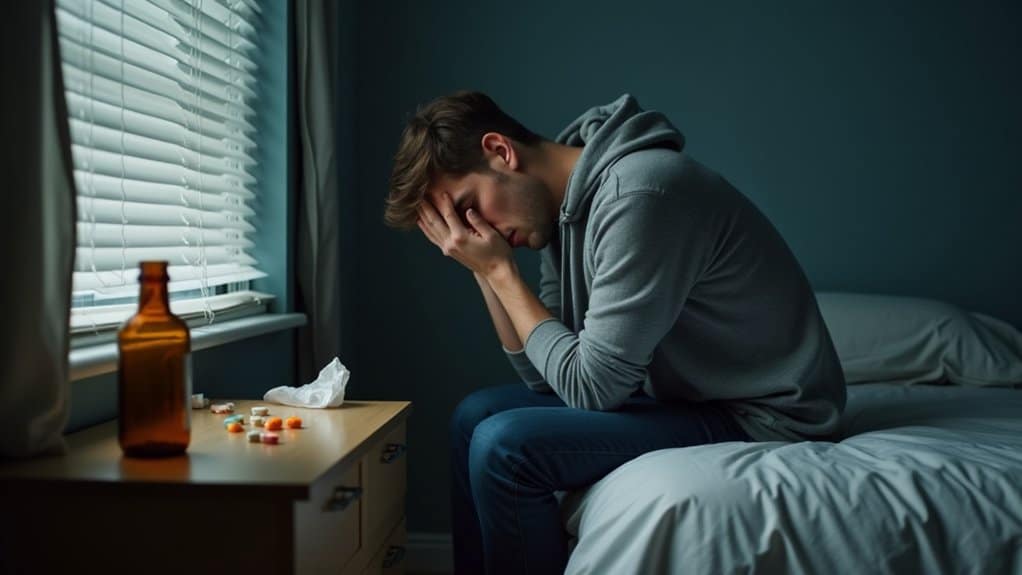
A panic attack feels like a sudden surge of intense fear that peaks within minutes, often without a clear trigger. Your heart races or pounds, your breathing quickens, and you may sweat, tremble, or feel dizzy. You might notice chest discomfort, nausea, chills, or tingling in your fingers or lips. Emotionally, you’ll feel dread, fear losing control, or feel detached from your surroundings. Knowing how it differs from a heart attack helps you respond wisely.
Key Takeaways
- A panic attack is a sudden wave of intense fear that puts the body on high alert within minutes, often without an obvious trigger.
- Common physical symptoms include a racing heart, rapid breathing, sweating, trembling, dizziness, nausea, chest discomfort, chills, and tingling fingers or lips.
- Emotionally, people often feel overwhelming dread, fear of losing control or dying, and detachment from their body or surroundings.
- Frightening thoughts and physical sensations feed into each other, intensifying fear as the attack builds.
- Attacks usually peak within 10 minutes and ease within 20 to 30 minutes. Seek emergency help for chest pain that persists or spreads to your arm, jaw, neck, back, or stomach.
What does a panic attack feel like
A panic attack feels like a sudden wave of intense fear as your body shifts into high alert within minutes, often with no obvious trigger. Your heart may race or pound, your breathing can quicken, and you might sweat, tremble, or feel dizzy. Common panic attack symptoms also include nausea, chest discomfort, hot flushes, chills, and tingling in your fingers or lips.
Emotionally, you may feel sudden, intense dread, fear of losing control, or a sense that you’re dying. You may also feel detached from your body or surroundings. These signs of a panic attack usually peak within 10, 20 minutes and then ease. One effective method to manage these overwhelming feelings is the 5-4-3-2-1 technique for anxiety. This grounding exercise helps you focus on your immediate environment by identifying what you can see, hear, and feel.
They’re frightening but not life-threatening. If chest pain persists or spreads to your arm or jaw, get emergency help.
What are the most common panic attack symptoms
The most common panic attack symptoms are physical: a racing or pounding heart, rapid breathing or shortness of breath, sweating, trembling, and feeling dizzy, light-headed, or faint. Nausea, chest discomfort, hot flushes, chills, and tingling in your fingers or lips are also common. These sensations often appear before you’ve had time to make sense of what’s happening.
Alongside these sensations, you’ll often feel sudden, intense fear or a sense that something terrible is about to happen. You might fear losing control or dying, or even feel detached from your body or surroundings. These symptoms typically peak within 10, 20 minutes. Because they can resemble a heart problem, get urgent help if chest pain spreads or doesn’t go away.
What physical signs of a panic attack occur

A panic attack causes physical signs such as a racing or pounding heart, rapid breathing, sweating, trembling, dizziness, and nausea. Your heart may race or pound hard enough that you become acutely aware of each beat. Your breathing may speed up, leaving you short of breath, and rapid breathing can trigger dizziness, light-headedness, or chest discomfort. You might sweat, tremble, or shake, and your muscles may tense and your limbs feel unsteady. Hot flushes or sudden chills can sweep through you. Tingling or numbness often appears in your fingers or lips, and your mouth may turn dry or your throat feel tight, as if you’re choking. Nausea and a churning stomach are common, too. These sensations can mimic a heart problem, so don’t assume panic if symptoms are new, severe, or unusual; get a prompt medical assessment.
What emotional sensations happen during one
Panic attacks bring a sudden surge of intense fear or anxiety, sometimes with no obvious trigger. You might experience a strong sense of dread, as though something terrible is about to happen. Many people fear losing control, collapsing, or even dying. You may also feel detached from your body or sense that your surroundings aren’t real, experiences known as depersonalization and derealization. Panic attack coping strategies can help you regain a sense of control during these overwhelming moments. Practicing deep breathing techniques and grounding exercises can significantly ease anxiety levels.
These emotions don’t occur in isolation. Frightening thoughts and physical symptoms feed each other: a pounding heart can convince you something’s seriously wrong, which intensifies your fear. That’s why an attack can feel so overwhelming. These sensations are frightening, but they aren’t dangerous, and they’ll pass. An occasional attack doesn’t, by itself, mean you have a mental disorder.
How quickly do symptoms peak and fade

Panic attack symptoms usually reach their most intense point within 10, 20 minutes, and most attacks last about 5, 20 minutes, though some episodes can continue for up to an hour or longer. Symptoms often start suddenly, sometimes without any clear reason, and build quickly.
As the peak passes, your pounding heart and rapid breathing gradually settle, and the sense of dread begins to ease. Try slow, deep breathing as symptoms subside, and remind yourself that the episode will pass. Panic attacks can feel frightening, but they aren’t considered life-threatening. Still, don’t automatically assume panic explains new, severe, or unusual symptoms. If chest pressure or pain doesn’t go away, seek urgent medical help immediately.
How can you tell it from a heart attack
You can’t always tell a panic attack from a heart attack on your own, because panic attacks can cause a pounding heart, chest discomfort, shortness of breath, sweating, and nausea that closely resemble a heart attack. Symptoms that come on suddenly and fade within 5, 20 minutes, especially alongside intense fear, tingling fingers, or a sense of unreality, often point toward panic. Still, timing and emotion can’t rule out a cardiac cause.
Get emergency help if you notice sudden chest pressure or pain that doesn’t go away, or chest pain spreading to your arm, jaw, neck, back, or stomach, particularly with sweating, nausea, light-headedness, or shortness of breath. If symptoms feel new, severe, or unusual for you, seek a prompt medical assessment rather than assuming it’s panic.
What tells a panic attack apart from a heart attack
Panic attack symptoms usually come on quickly, peak within 10, 20 minutes, and ease within 5, 20 minutes, whereas heart attack warning signs often persist. Some panic episodes last an hour or longer, but they tend to follow this recognizable pattern.
| Feature | What it may suggest |
|---|---|
| Symptoms peak, then fade | Panic attack is more likely |
| Chest pressure or pain that doesn’t go away | Call emergency services |
| Pain spreading to your arm, jaw, neck, back, or stomach | Get emergency help |
The two can feel alike, so you can’t tell them apart on your own. If your symptoms are new, severe, or unusual, get medical assessment rather than assuming it’s panic. Slow, deep breathing and reminding yourself the episode will pass can help after a heart problem’s been ruled out.
When should you seek help from Villa Behavioral Health
You should seek help from Villa Behavioral Health if your panic attacks keep returning, if you’re struggling to cope, or if fear of the next episode starts shaping your daily choices. An occasional panic attack doesn’t, by itself, mean you have a mental disorder, but it’s important to rule out a medical cause first. Our clinicians can assess your symptoms, explain what’s driving them, and help you build practical coping skills. Managing panic attacks effectively can empower you to regain control over your life. By understanding your triggers and practicing tailored techniques, you will find relief and confidence in challenging situations.
Don’t assume new, severe, or unusual symptoms are panic. Get them medically assessed first. And if you feel sudden chest pressure that won’t go away, or chest pain spreading to your arm, jaw, neck, back, or stomach, call emergency services immediately rather than waiting.
Get Support for Recurring Panic Attacks
A racing heart, sudden fear, and difficulty breathing can make panic attacks overwhelming. Villa Behavioral Health offers mental health treatment to help you understand panic symptoms, manage anxiety, and reduce fear of future episodes. Verify your insurance to explore coverage options, or call (833) 302-2533 to discuss treatment.
Frequently Asked Questions
Can Panic Attacks Happen While You Are Sleeping?
Yes, you can have panic attacks during sleep, often called nocturnal panic attacks, and they can wake you suddenly. Because attacks can strike without an obvious trigger, you might wake with a pounding heart, sweating, shortness of breath, trembling, or intense dread. They’re frightening but aren’t considered life-threatening. Still, if you notice chest pressure that won’t ease, or pain spreading to your arm, jaw, or back, get emergency help immediately.
What Is the Difference Between a Panic Attack and an Anxiety Attack?
A panic attack is a clinically recognized episode, while “anxiety attack” isn’t a formal diagnostic term. With panic, you’ll feel sudden, intense fear, often without an obvious trigger, alongside a pounding heart, breathlessness, trembling, or dizziness, usually peaking within 10, 20 minutes. Anxiety typically builds more gradually around a specific worry. Both feel distressing, but if your symptoms are new or severe, get medical assessment rather than assuming it’s just panic.
Can Caffeine, Alcohol, or Certain Medications Trigger a Panic Attack?
Yes, they can. Caffeine can speed up your heart and make you jittery, which can tip you into panic if you’re prone to it. Alcohol, especially as it wears off, and stimulants or decongestants can do the same. Suddenly stopping some medications can also provoke symptoms. Don’t stop a prescription on your own; talk with your doctor. If you notice new, severe, or unusual symptoms, get them medically checked promptly.
How Can You Help Someone Who Is Having a Panic Attack?
You can help by staying calm and guiding them through slow, deep breaths. Remind them the attack will pass; most peak within 10, 20 minutes and aren’t life-threatening. Don’t dismiss their fear, since racing heart, dizziness, or tingling feel genuinely alarming. If they’ve got chest pressure that won’t ease, or pain spreading to the arm, jaw, neck, or back, call emergency services. Encourage support from a healthcare professional if attacks recur.
Can Children and Teenagers Experience Panic Attacks the Same Way Adults Do?
Yes, children and teenagers can have panic attacks, and they’ll often feel the same core symptoms you’d see in adults: a pounding heart, rapid breathing, sweating, trembling, dizziness, nausea, and sudden intense fear. Younger kids might not have words for it, so you may hear complaints of stomachaches or feeling sick instead. If your child has new, severe, or recurring symptoms, you should contact a healthcare professional for prompt assessment.