
Nitrous oxide rapidly reduces your anxiety by modulating multiple brain pathways simultaneously. It blocks NMDA receptors to decrease excessive glutamate signaling while activating GABA pathways that naturally calm your nervous system. The gas also triggers your brain’s opioid system, creating powerful anxiolytic effects within 20 seconds of inhalation. Your norepinephrine and SK2 channels are also modified, producing a thorough calming response. Understanding these intricate mechanisms reveals why this compound has remained a trusted therapeutic tool.
The Science Behind Nitrous Oxide’s Calming Properties

The calming effects of nitrous oxide stem from its complex interactions with multiple neurological pathways in the brain. When you receive nitrous oxide, it immediately begins modulating key neurotransmitter systems beyond traditional GABA pathways. The gas blocks SK2 channels and activates opioid receptors, creating both direct and indirect anxiolytic effects. The rapid response occurs because it takes just 20 seconds to reach the brain after inhalation. As one of the oldest anesthetics, nitrous oxide sedation has been safely used in medical settings for over 180 years. The gas is particularly effective because it acts as a colorless, odorless gas that patients can easily inhale without discomfort.
You’ll experience altered time perception and improved subjective experience as the gas disrupts anxiety-related neural circuits. Nitrous oxide’s mechanism involves multiple components: it triggers endogenous opioid release, bolsters norepinephrine activity, and modifies calcium signaling through SK channel blockade. These combined actions create a rapid calming effect that’s independent of its pain-relieving properties. The result is a unique anxiolytic response that helps you feel more relaxed and less concerned about dental or medical procedures.
GABA Pathways and Anxiety Relief
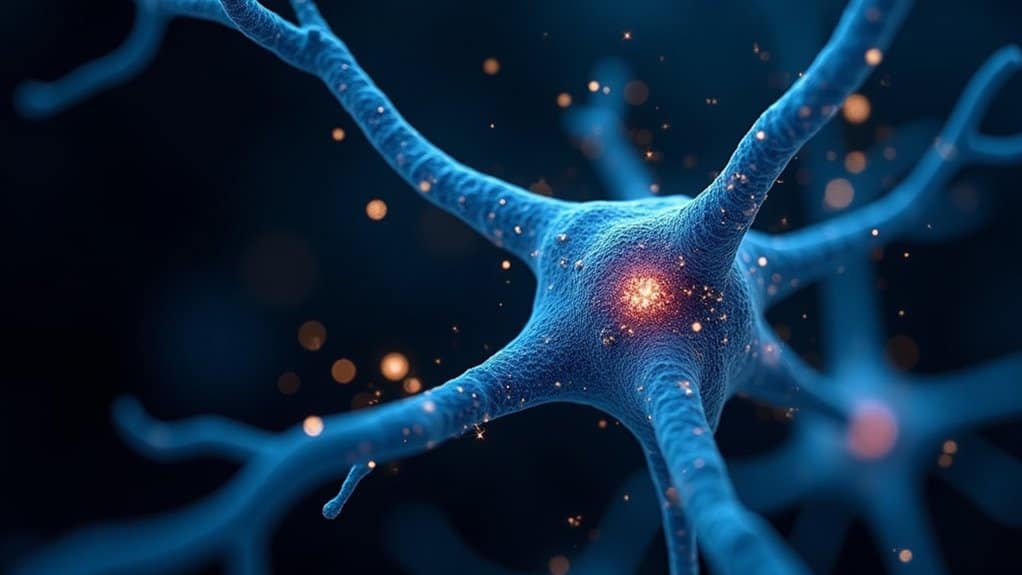
Multiple neurotransmitter systems orchestrate anxiety reduction, with GABA pathways playing a central role in modulating fear responses. When GABAergic neurotransmission modulation occurs, it counterbalances glutamate’s excitatory effects and regulates neural activity in your brain’s anxiety centers. You’ll find that amygdalar circuit dysregulation often underlies anxiety disorders, where impaired GABAergic function leads to heightened emotional responses. Current research shows that GABA receptor agonists specifically decrease fear and anxiety behaviors in the amygdala. Similar to benzodiazepines, the therapeutic effects rely on chloride ion entry into neurons to reduce excitability.
| System Component | Function | Clinical Relevance |
|---|---|---|
| GABA-A Receptors | Chloride ion regulation | Primary target for anxiolytics |
| Intercalated Neurons | Fear signal gating | Adaptive firing control |
| BLA-CeA Pathway | Emotional processing | Anxiety response modulation |
| Neurosteroids | GABA potentiation | Treatment development |
| PFC Projections | Executive control | Top-down regulation |
These pathways demonstrate why interventions targeting GABA systems can effectively reduce anxiety through multiple mechanisms.
Norepinephrine’s Role in Emotional Balance
Understanding norepinephrine’s critical role in emotional equilibrium requires examining its dual function as both a neurotransmitter and stress hormone. Through synaptic plasticity modulation, it influences how your brain processes and stores emotional experiences, particularly during stressful situations. During times of stress, the adrenal glands release norepinephrine as part of the body’s natural response mechanism. Low energy and focus can result when norepinephrine transmission is reduced. Evidence suggests that noradrenergic dysfunction significantly contributes to behavioral disturbances in Alzheimer’s disease patients.
Your brain’s response to anxiety involves norepinephrine through:
- Amplified emotional memory processing via GluR1 phosphorylation
- Activation of α and β receptors for stress response initiation
- Maintenance of vigilance and attention systems
- Regulation of long-term potentiation in the hippocampus
When you’re experiencing anxiety, norepinephrine levels often become elevated, triggering heightened alertness and stress responses. This can create a self-perpetuating cycle where increased norepinephrine activity intensifies anxiety symptoms. Understanding this mechanism helps explain why medications targeting norepinephrine pathways can effectively manage anxiety disorders.
Opioid System Activation and Mood Enhancement
Beyond norepinephrine’s influence on anxiety, nitrous oxide engages your brain’s opioid system to promote mood improvement and emotional stability. Through neuronal nitric oxide synthase pathways, N2O triggers the release of endogenous opioid peptides, particularly focusing on dynorphin modulation. This activation creates a cascade of anxiety-reducing effects through kappa receptor influence. Research shows that this process relies on KATP channel currents to achieve neuronal calming effects. Studies demonstrate that opioid receptor blockade can significantly reverse these anxiety-reducing effects, similar to how naltrexone counteracts pain relief from sucrose consumption.
When you receive N2O, it stimulates a dual mechanism where opioid receptors on GABAergic neurons amplify inhibitory signaling while simultaneously activating the PI3K/AKT/NO pathway. This process leads to hyperpolarization of anxiety-related circuits, effectively dampening excessive neural activity. The interaction between your opioid system and nitric oxide pathways creates a potent anxiolytic response, similar to how morphine reduces both pain and emotional distress. This anxiolytic effect has made nitrous oxide a valuable tool in clinical anesthesia for over 150 years.
NMDA Receptor Interaction and Stress Response
Nitrous oxide’s primary anxiolytic action stems from its rapid blockade of NMDA receptors, which interrupts excessive glutamate signaling associated with anxiety states. Research shows N2O causes mild AMPA depression while strongly occluding NMDA receptor currents. You’ll observe that this mechanism dampens pain-related neural circuits through selective antagonism of NMDA receptors over non-NMDA glutamate receptors at subanesthetic doses. This targeted interruption allows your brain to reset its glutamate response patterns, creating a rapid reduction in anxiety similar to ketamine’s therapeutic effects. Individuals with high impulsivity may experience enhanced rewarding effects from nitrous oxide administration. Unlike other general anesthetics, nitrous oxide shows minimal interaction with GABA and glycine receptors, making its anxiolytic effects more specifically tied to NMDA receptor modulation.
Rapid Synaptic Signal Interruption
When examining the rapid synaptic signal interruption mechanism of nitrous oxide, its primary action occurs through non-competitive inhibition of NMDA receptors, similar to ketamine’s mechanism. This immediate synaptic dysregulation triggers a cascade of molecular events that promote long-term structural adjustments in anxiety-related neural circuits.
Through this process, you’ll observe several key mechanisms:
- Blockade of excessive Ca²⁺ influx through NMDA channels, preventing neurotoxicity
- Augmentation of glutamate release probability at CA1 synapses within minutes
- Activation of mTOR pathways driving critical protein synthesis
- Facilitation of AMPA receptor trafficking to postsynaptic sites
The rapid onset of these effects combines with homeostatic synaptic scaling to initiate lasting changes in neural connectivity. This dual action of immediate signal modulation and sustained adaptation underlies nitrous oxide’s therapeutic potential in anxiety treatment. Recent research shows that nitrous oxide specifically targets SK2 potassium channels in brain cells, causing increased neuronal firing activity.
Pain Circuit Neural Dampening
The interaction between pain and anxiety circuits offers key insights into nitrous oxide’s therapeutic mechanisms. When you receive nitrous oxide, it selectively targets NMDA receptors within your pain-processing pathways, effectively dampening heightened neural activity that drives both chronic pain and anxiety states.
Through NMDA subunit selectivity, particularly affecting GluN2B-containing receptors, nitrous oxide interrupts glutamate-driven hyperexcitability suppression in your nociceptive circuits. This targeted action occurs at sub-anesthetic doses, preserving normal sensory processing while reducing pathological pain signaling.
You’ll experience relief as the gas modulates synaptic plasticity in your anterior cingulate cortex and other pain-emotion centers, blocking the amplification of distress signals. This precise mechanism helps explain why you might feel both pain relief and anxiety reduction during nitrous oxide administration.
Glutamate Response Reset Mechanism
Through complex interactions with your brain’s glutamate system, nitrous oxide initiates a cascade of neurochemical changes that reset overactive stress responses. This neurochemical equilibrium restoration occurs through precise modulation of glutamate and GABA neurotransmitter systems, effectively dampening anxiety-driven neural circuits.
The excitatory inhibitory balance modulation manifests through:
- Rapid suppression of glutamate-driven hyperexcitability in stress-sensitive regions
- Amplified GABA signaling that promotes a calming neural state
- Normalized glutamate surges during stress exposure
- Adaptive neuroplastic changes that improve anxiety resilience
Your brain’s perceptual processing also undergoes temporary alterations, reducing the impact of anxiety triggers through modified glutamate signaling. This mechanism provides fast-acting relief while potentially promoting lasting improvements in stress response management through repeated therapeutic exposure.
SK2 Channel Effects on Neural Activity
SK2 channels in your brain modify neural firing patterns by regulating calcium-activated potassium currents, which helps normalize hyperactive stress responses during nitrous oxide exposure.
You’ll experience amplified neural firing patterns that promote a “reset” of your stress response system, particularly in regions associated with anxiety processing.
These SK2-mediated changes contribute to lasting behavioral improvements by maintaining more balanced neural activity even after the nitrous oxide session ends.
Neural Firing Patterns Enhanced
Molecular interactions between nitrous oxide and SK2 channels trigger a cascade of amplified neural firing patterns in specific brain regions. Through SK2 channel inhibition, you’ll find improved neurotransmitter regulation and cellular adaptation processes occurring primarily in layer 5 prefrontal neurons.
- Your brain’s medium afterhyperpolarization decreases by 30% when exposed to nitrous oxide
- Layer 5 pyramidal neurons show sustained activation patterns beyond initial exposure
- SK2 channel modulation creates selective neural firing without NMDA receptor involvement
- Cellular adaptations persist post-exposure, maintaining heightened neural activity
This targeted activation represents a precise mechanism where nitrous oxide’s interaction with SK2 channels produces sustained changes in neural firing patterns. The selective nature of this response, particularly in layer 5 and VIP neurons, guarantees specific circuit engagement while maintaining normal function in other neural populations.
Stress Response Gets Reset
When nitrous oxide inhibits SK2 channels in the brain, it triggers a fundamental reset of your stress response system by shifting neural circuits from hypoactive to hyperexcitable states. This mechanism amplifies stress resilience by targeting L5 pyramidal neurons in your cingulate cortex, optimizing emotion regulation through sustained neural activation.
| Neural State | Before N2O | After SK2 Inhibition | Clinical Impact |
|---|---|---|---|
| Firing Rate | Suppressed | Augmented | Improved Mood |
| Circuit Activity | Hypoactive | Hyperexcitable | Stress Resilience |
| Neural Response | Sluggish | Responsive | Better Coping |
| Duration | Persistent | Reset | Lasting Relief |
Your brain’s stress response undergoes recalibration as N2O blocks SK2 channels, disrupting the usual potassium outflow that keeps neurons quiet. This process creates lasting changes in neural excitability, supporting sustained improvements in your emotional processing capabilities.
Lasting Behavioral Improvements
Through persistent SK2 channel inhibition, nitrous oxide induces lasting behavioral improvements by fundamentally altering neural activity patterns in your brain’s L5 pyramidal neurons. This mechanism drives activity-dependent remodeling of neural circuits, establishing lasting circuit normalizations that persist well beyond the initial exposure period.
SK2 blockade sustains neuronal depolarization, enabling spontaneous L5 recruitment. Circuit-specific targeting focuses on stress-impacted prefrontal pathways. Repeated exposure strengthens stable neural recovery through SK2 modulation. NMDA-independent activation supports durable therapeutic outcomes.
The selective targeting of L5 pyramidal and VIP neurons through SK2 inhibition helps restore disrupted brain rhythms associated with anxiety. This precise mechanism avoids systemic hyperactivity while promoting sustained behavioral improvements through focused circuit restoration, ultimately establishing resilient neural function.
Cingulate Cortex Activation Patterns
Research into nitrous oxide’s anxiolytic effects reveals distinct activation patterns within the cingulate cortex, particularly involving layer V (L5) pyramidal neurons. When you receive nitrous oxide treatment, it rapidly activates these L5 neurons, triggering sustained emotional regulation through circuit-wide neuromodulation.
This activation works through two key mechanisms: initially, it blocks SK2 channels, preventing potassium efflux and maintaining neuronal excitation. Secondly, it rescues stress-induced hypoactivity in cingulate circuits, independent of NMDA receptor function. You’ll experience lasting effects as these changes persist even after the gas clears from your system.
The anterior cingulate shows amplified activity linked to better emotional processing, while posterior regions demonstrate reduced activity. These patterns create systemic shifts in brain connectivity that support prolonged anxiety reduction.
Comparing Traditional Anti-Anxiety Medications
Traditional anti-anxiety medications differ fundamentally from nitrous oxide in their mechanisms and therapeutic profiles. While conventional medications target serotonin or GABA receptors, nitrous oxide works through NMDA glutamate receptors, offering distinct therapeutic advantages for certain patients.
Key differences between traditional medications and nitrous oxide include:
- Rapid onset effects: Nitrous oxide provides relief within hours, while SSRIs take 4-6 weeks
- Duration: Nitrous oxide’s benefits can last up to 2 weeks from a single session
- Side effect profile: Lower incidence of sexual dysfunction compared to SSRIs
- Administration method: No patient self-administration; requires clinical supervision
You’ll find nitrous oxide particularly effective for treatment-resistant cases, showing up to 50% improvement in depression scores. However, it’s more suited for mood disorders than general anxiety, making it a specialized option in the therapeutic arsenal.
Long-Term Behavioral Changes and Neural Impact
Nitrous oxide’s long-term effects on brain function and behavior stem from its unique interaction with the NMDA receptor system. When you use this gas chronically, it can trigger significant changes in your brain’s neural pathways, potentially impacting both mitochondrial function and synaptic integrity. Research indicates that early intervention can reverse some neurological effects, but chronic exposure often leads to more permanent changes.
Frequent use disrupts essential B12 metabolism, which can compromise your cognitive performance and neural health. While the immediate anxiety-reducing effects might seem beneficial, the long-term impact includes potential brain and nerve damage, particularly when used regularly. The severity of these changes correlates directly with usage frequency, affecting everything from memory formation to basic neural communication pathways.
Frequently Asked Questions
How Long Does Anxiety Relief From Nitrous Oxide Typically Last?
You’ll experience rapid anxiety relief from nitrous oxide, but it has a brief duration. During procedures, the calming effects typically last 15-60 minutes while you’re receiving the gas.
Once administration stops, the effects wear off within minutes with minimal lingering impact. While some studies suggest potential longer-term anxiety reduction with repeated exposure, the primary anxiety-relieving benefits are temporary and directly tied to your treatment session’s duration.
Does Nitrous Oxide Interact With Prescription Anxiety Medications?
While you’re taking prescription anxiety medications, nitrous oxide interactions remain largely theoretical due to limited research. You should exercise caution as nitrous oxide affects similar neural pathways as benzodiazepines and SSRIs, potentially increasing sedation.
Long-term nitrous oxide effects when combined with anxiety medications aren’t well-documented. It’s essential to inform your healthcare provider about any anxiety medications before receiving nitrous oxide, as they’ll need to adjust dosages accordingly.
Can Nitrous Oxide Treatment Lead to Dependency or Addiction?
Yes, you can develop dependency and addiction to nitrous oxide. Studies show clear potential for abuse, with users developing tolerance and requiring increased amounts over time. You’ll risk experiencing both psychological cravings and physical withdrawal symptoms.
Long-term side effects include severe neurological damage, particularly to your nervous system’s myelin sheath. The rising rates of hospitalizations and deaths linked to nitrous oxide misuse underscore its significant addiction risks.
What Are the Safety Protocols for Nitrous Oxide Anxiety Treatment?
You’ll find that proper administration protocols for nitrous oxide include continuous oxygen mixture monitoring, precise concentration controls, and mandatory pre-treatment screening.
Your safety is guaranteed through built-in equipment safeguards and strict dosage limits (20-70%). Emergency preparedness measures require trained staff, documented response plans, and constant health monitoring.
You’ll also undergo a 5-10 minute recovery period post-treatment, with staff checking your oxygen saturation levels throughout the procedure.
Are There Any Medical Conditions That Exclude Someone From Nitrous Oxide Therapy?
You shouldn’t receive nitrous oxide therapy if you have certain chronic respiratory diseases like emphysema, severe pulmonary disease, or cystic fibrosis, as these conditions can increase your risk of hypoxia.
Neurological disorders including amplified intracranial pressure, brain tumors, or seizure disorders also exclude you from treatment.
Moreover, you’ll be ineligible if you have gas trapping conditions, vitamin B12 deficiency, pregnancy, or active psychiatric conditions requiring ECT treatment.