
Nitrous oxide provides effective anxiety management through its action on NMDA receptors, GABA pathways, and endogenous opioid systems. You’ll attain ideal results with concentrations between 30-40%, which offer a 55% treatment response rate while preserving safety. Proper administration requires continuous monitoring, specialized equipment, and strict adherence to safety protocols, including proper ventilation and scavenging systems. Understanding the molecular mechanisms and clinical guidelines guarantees you’ll optimize therapeutic benefits while reducing potential risks.
Understanding the Science Behind Nitrous Oxide and Anxiety
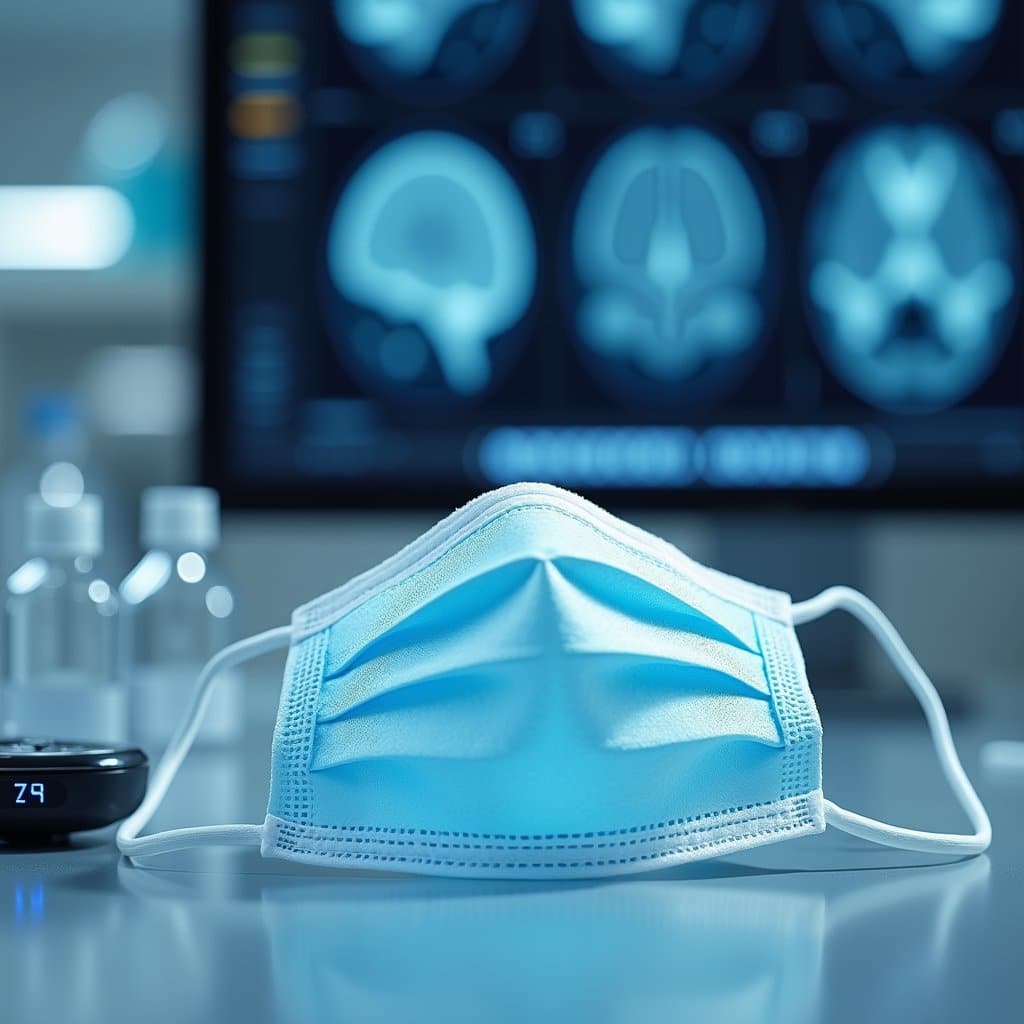
Three primary molecular mechanisms form the basis of nitrous oxide’s anxiolytic effects. Initially, it inhibits NMDA receptors, blocking glutamate activity to reduce neural excitation. Second, it boosts GABA_A receptor function, amplifying inhibitory neurotransmission similar to benzodiazepines. Being colorless and odorless, nitrous oxide can be administered comfortably through inhalation masks.
Nitrous oxide calms anxiety through three key pathways: NMDA receptor inhibition, GABA enhancement, and neurotransmitter modulation.
Third, it stimulates endogenous opioid release, activating multiple receptor subtypes that modulate mood and anxiety. The patient experiences a sense of calm while remaining responsive to their healthcare provider’s instructions. Since its discovery by Joseph Priestley in 1772, nitrous oxide has been extensively studied for its therapeutic applications.
The pharmacokinetic properties of nitrous oxide enable rapid CNS penetration, with effects manifesting within seconds. These neural signaling mechanisms work synergistically through multiple pathways, including descending GABA/noradrenergic modulation and PKG signaling activation. The compound’s blood/gas partition coefficient of 0.47 allows quick elimination, making it particularly suitable for controlled anxiety management.
At sub-anesthetic doses of 20-50%, you’ll experience immediate anxiolytic effects while maintaining consciousness.
Safety Protocols and Administration Guidelines
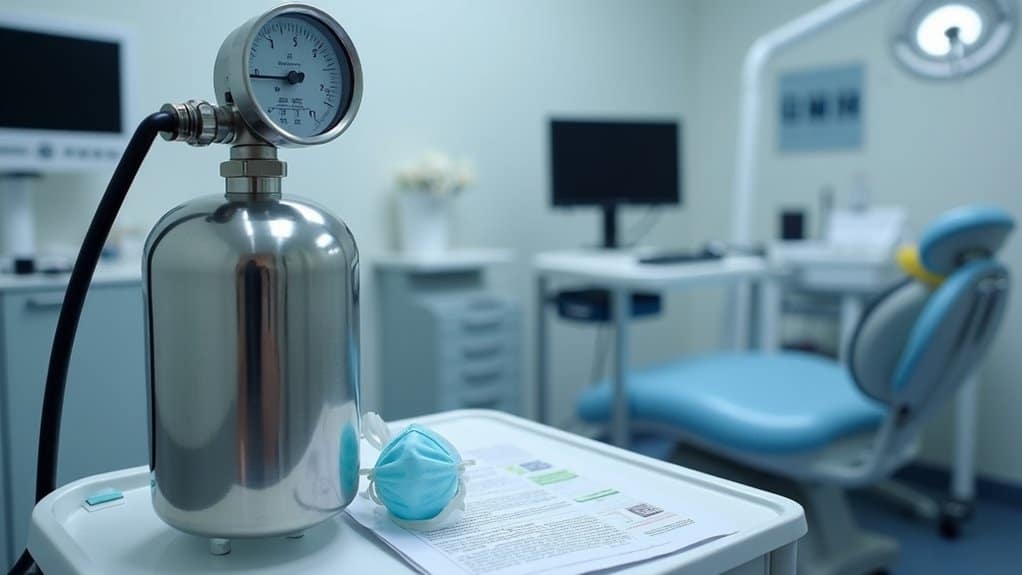
While understanding nitrous oxide’s molecular mechanisms provides the theoretical foundation, implementing proper safety protocols guarantees favorable therapeutic outcomes. You’ll need to necessitate regulatory compliance considerations and proper storage and handling procedures are strictly followed in your clinical setting. Testing for system component integrity through regular inspections of masks, tubing, and connectors is crucial before initial patient use. Emergency department studies have demonstrated exceptional safety profiles for procedural sedation when proper protocols are followed.
Key safety measures you must enact include:
- Maintaining ambient nitrous oxide levels below 25 ppm through effective scavenging systems
- Following NIOSH guidelines for occupational exposure limits (45 mg/m³)
- Requiring continuous monitoring of patient vitals and gas concentrations
Your administration protocol should begin with 100% oxygen priming for 1-2 minutes, followed by careful titration of nitrous oxide in 10% increments. Never exceed 50% concentration, and always maintain oxygen levels above 20%. Post-treatment, you must monitor patients until they’ve returned to baseline function and provide clear instructions about avoiding machinery operation for 24 hours.
Optimal Dosage Strategies for Anxiety Management
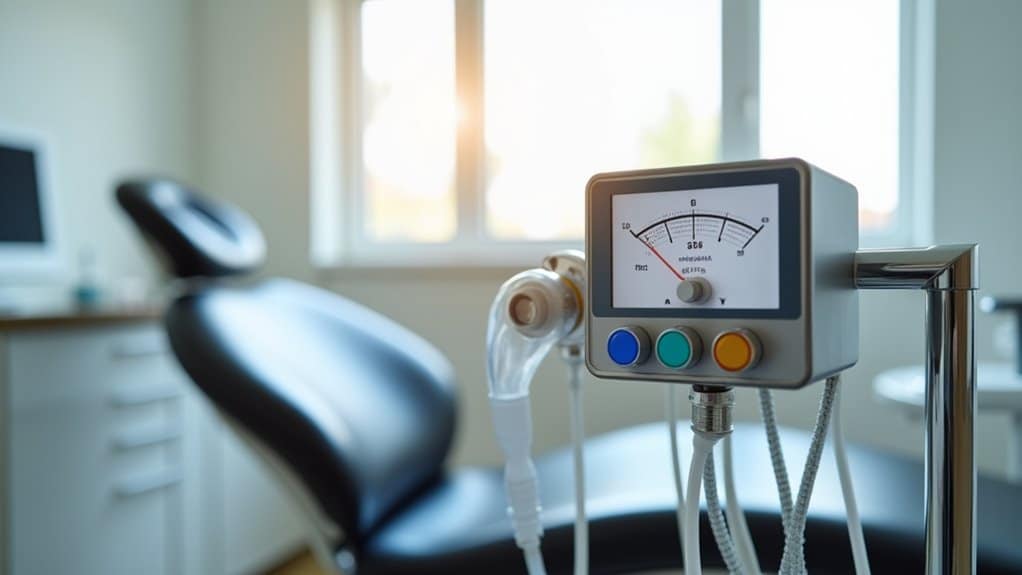
When managing anxiety with nitrous oxide, you’ll find that 25% concentrations offer ideal therapeutic benefits while greatly reducing adverse events compared to traditional 50% doses. Notably, no patients experienced nausea at the 25% concentration level. The research shows a treatment response rate of 55% compared to 28% with placebo. The clinical evidence supports using single one-hour sessions, as effects can persist for up to two weeks without requiring frequent readministration. Patients experiencing treatment-resistant conditions may find particular relief with this approach. You can achieve comparable symptom improvements with these lower concentrations and shorter durations, making this approach both safer and more practical for anxiety management.
Concentration Levels For Treatment
Determining the ideal concentration of nitrous oxide for anxiety management requires a carefully calibrated approach based on established safety protocols and individual patient factors. You’ll need to take into account absorption rate and patient tolerance when initiating treatment, starting with lower concentrations of 10-20% N₂O and titrating upward as needed.
Standard therapeutic range falls between 30-40% N₂O, providing optimal anxiolytic effects while maintaining safety margins. Maximum concentration shouldn’t exceed 70%, even in severe cases, to prevent adverse effects. Continuous monitoring of vital signs and oxygen levels guarantees patient safety throughout administration.
When adjusting concentrations, you must maintain a minimum oxygen ratio of 20-25% and utilize proper scavenging systems. Regular assessment of patient response guides necessary modifications, especially during extended treatment sessions or multiple procedures.
Duration And Frequency Guidelines
Building upon established concentration protocols, effective nitrous oxide management requires precise duration and frequency guidelines to optimize therapeutic benefits. You’ll need to implement continuous administration with dynamic adjustments during procedures while maintaining operator safety through closed systems and proper scavenging controls.
Start with low concentrations and increase in 10% intervals based on patient comfort and behavioral responses, never exceeding 50% N₂O. Monitor respiratory rates and consciousness throughout treatment while incorporating adjunctive behavioral techniques for bolstered effectiveness. Following the procedure, administer 100% oxygen for 3-5 minutes to eliminate residual gas. Guarantee patients meet discharge criteria by confirming their return to baseline responsiveness before release.
Preserve strict adherence to exposure limits (<25 ppm) for staff protection while providing consistent psychological support during treatment.
Clinical Applications and Treatment Settings
Clinical administration of nitrous oxide requires a designated treatment room equipped with proper ventilation systems that maintain NIOSH exposure limits of 25 ppm and automated delivery systems with audio/visual safety alarms.
You’ll need to establish clear protocols for your clinical team, including regular equipment maintenance schedules, continuous patient monitoring procedures, and emergency response plans.
Your treatment space must include oxygen delivery capabilities for rapid reversal of effects and proper scavenging systems to minimize staff exposure during procedures. This medical application builds on a long history, as nitrous oxide sedation has been used therapeutically since the late 18th century.
Treatment Room Requirements
To establish a safe nitrous oxide treatment environment, facilities must meet rigorous ventilation, storage, and safety requirements aligned with NFPA 99 standards. Your ventilation system design must maintain 45 LPM airflow rates with outdoor venting, while gas storage guidelines require 1-hour fire-rated walls for rooms containing over 3,000 cubic feet of nonflammable gases. For medical support purposes, nitrogen or instrument air must be properly integrated into the system following NFPA 99 guidelines. Each treatment room should feature consistent equipment setup to ensure efficient patient flow and standardized safety protocols.
Key treatment room requirements include:
- Central scavenging systems with adequate vacuum strength to support all operatories simultaneously
- Backup suction devices and oxygen delivery systems that function during power failures
- Standardized flowmeters with oxygen delivery systems featuring full-face masks and connectors
You’ll need properly positioned gas and vacuum hoses near patient chairs, avoiding cabinet draping. Your operatory layout must also accommodate emergency equipment accessibility and guarantee proper exhaust system calibration.
Clinical Team Protocols
Safe administration of nitrous oxide extends beyond facility requirements into standardized clinical team protocols. Clinical staff must follow evidence-based guidelines covering patient screening, medication interactions, and contraindications before initiating treatment.
Your team’s protocols should specify concentration levels below 50% for anxiolysis while maintaining patient consciousness and verbal communication.
Standardized monitoring procedures require tracking vital signs, particularly blood pressure and oxygen saturation levels. Staff responsibilities include continuous assessment of patient response, documentation of administration parameters, and readiness for potential complications.
Integrate these protocols within broader treatment frameworks, especially when combining nitrous oxide with other anxiolytics or sedatives. Regular protocol reviews guarantee alignment with current research findings on safety and efficacy across different patient populations, from pediatric to adult cases.
Benefits and Limitations of Nitrous Oxide Therapy
Recent advances in anxiety management have positioned nitrous oxide as a compelling therapeutic option, offering both significant advantages and notable constraints in clinical practice. The therapy’s rapid anxiety relief and unique NMDA receptor modulation mechanisms demonstrate promising patient satisfaction outcomes, while careful consideration of contraindications for use remains essential. The administration through a nose mask delivery system enables precise control of sedation levels during treatment. Research has shown that layer 5 neurons become rapidly reactivated during nitrous oxide treatment, helping restore normal brain circuit function. Patients consistently report that stress-free procedures are achievable with this sedation method.
Key clinical considerations include:
- Immediate mood stabilization effects and low systemic toxicity make it suitable for acute anxiety management
- Therapeutic adaptability allows real-time dosage adjustments based on individual patient responses
- Limited duration of effects and regulatory impediments may restrict widespread implementation
While nitrous oxide shows promise in controlled medical environments, its effectiveness varies among individuals. The treatment requires specialized administration protocols and ongoing monitoring, particularly in vulnerable populations where hypotension risks exist. Additional research is needed to establish standardized guidelines for anxiety-specific applications.
Patient Assessment and Screening Criteria
A thorough patient assessment protocol forms the cornerstone of safe nitrous oxide therapy for anxiety disorders. You’ll need to undergo comprehensive medical screening that evaluates your respiratory health, neurological status, and vitamin B12 levels.
Patient eligibility criteria include detailed psychiatric evaluations focusing on anxiety severity, depression history, and PTSD symptoms. Proper monitoring includes continuous vital signs throughout the administration process.
Your healthcare provider will assess substance use patterns through standardized tools and review potential contraindications, including pregnancy, upper respiratory infections, or bipolar disorder. Patient education protocols emphasize understanding risks and expected outcomes.
You’ll also be screened for medical conditions that could complicate treatment, such as migraine disorders or recent head trauma. Environmental safety measures, including proper ventilation and delivery systems, guarantee your treatment meets clinical standards.
Monitoring and Emergency Response Procedures
While undergoing nitrous oxide therapy, you’ll be connected to thorough monitoring systems that track essential signs and environmental safety parameters in real-time. Staff supervision guarantees continuous observation of your critical signs while maintaining strict infection control protocols throughout the procedure.
Key safety measures include:
- Continuous monitoring of oxygen saturation, blood pressure, and respiratory rate
- Real-time environmental scavenging systems keeping nitrous oxide levels ≤25 ppm
- Emergency response equipment and supplemental oxygen readily available
Your healthcare team maintains constant vigilance, ready to adjust gas flow rates or implement emergency procedures if needed. After treatment, you’ll remain under observation until fully recovered, with crucial signs documented and assessed before discharge. Your provider will give specific instructions about post-procedure activities and schedule any necessary follow-up appointments to monitor your progress.
Training Requirements for Healthcare Providers
Medical professionals administering nitrous oxide must complete rigorous training programs that meet specific regulatory standards and certification requirements. You’ll need to complete 12 hours of didactic instruction, including home-study modules and clinical components, while maintaining detailed record keeping protocols to confirm your competency.
Your training will cover essential areas including respiratory physiology, pharmacology mechanisms, and delivery system operations. You’ll learn proper patient positioning, scavenging system compliance, and emergency response procedures. To satisfy regulatory oversight responsibilities, you must understand exposure minimization techniques and equipment maintenance protocols.
State-specific certification requires hands-on clinical training with masked patients, and you’ll need current CPR certification before participating. Ongoing CE courses guarantee you stay updated on evidence-based practices and emerging technologies in nitrous oxide administration.
Frequently Asked Questions
Can Nitrous Oxide Be Used Alongside Existing Anxiety Medications?
While you can use nitrous oxide alongside anxiety medications, it requires careful medical supervision. You’ll need your healthcare provider to determine appropriate dosage and administration schedule based on your current medication regimen.
There’s no direct contraindication with benzodiazepines, but the combination may bolster CNS depression effects. You’ll undergo detailed pre-screening, and your provider will monitor you closely during treatment to safeguard safety and maximize therapeutic benefits.
How Many Treatment Sessions Are Typically Needed Before Anxiety Improves?
While research primarily focuses on depression, you’ll find that the number of treatment sessions needed varies based on multiple factors affecting number of treatments and patient demographics.
Current evidence suggests significant improvements can occur after just one 60-minute session, with benefits lasting up to two weeks. However, since anxiety-specific data is limited, you’ll need to work with your healthcare provider to determine an appropriate treatment schedule based on your individual response and needs.
What Are the Long-Term Effects of Repeated Nitrous Oxide Exposure?
Repeated nitrous oxide exposure can lead to severe health consequences through accumulating neurotoxicity. You’ll risk vitamin B12 depletion, which causes nerve damage and cognitive impairment.
Long-term effects include memory problems, numbness in extremities, and potential psychosis. There’s also risk of oxygen deprivation, leading to brain damage.
Regular exposure can result in psychological dependence, depression, and irreversible neurological complications. It’s crucial to understand these risks before repeated use.
Will Insurance Cover Nitrous Oxide Treatments for Anxiety Disorders?
Most insurance plans won’t cover nitrous oxide for anxiety disorders, as it’s typically classified as an elective treatment. Your patient eligibility depends heavily on your specific policy terms and documented medical necessity.
While some insurers may consider coverage with prior authorization, you’ll likely need to investigate cost effectiveness through alternative payment options. You should verify coverage directly with your insurance provider and discuss payment plans with your healthcare facility.
Are There Withdrawal Symptoms When Stopping Nitrous Oxide Therapy?
When you stop nitrous oxide use, you’ll likely experience withdrawal symptoms that vary in intensity based on your usage patterns. You may encounter periodic headaches and potential neurological issues within the initial week.
Physical symptoms typically resolve within 7 days, while psychological effects can last up to 2 weeks. Common symptoms include tremors, anxiety, dizziness, and difficulty concentrating. Heavy users might face more severe withdrawal effects, including prolonged cognitive challenges.