
Home alcohol detox requires careful planning and is suitable only for mild to moderate dependence. Initially, create an alcohol-free environment stocked with water, nutritious food, and necessary medications. Manage withdrawal symptoms through hydration, rest, and relaxation techniques while having a trusted support system check on you daily. Always recognize emergency signs like seizures or hallucinations that require immediate medical attention. A successful detox is just your initial step in the direction of thorough recovery and long-term sobriety.
Assessing If Home Detox Is Right For You
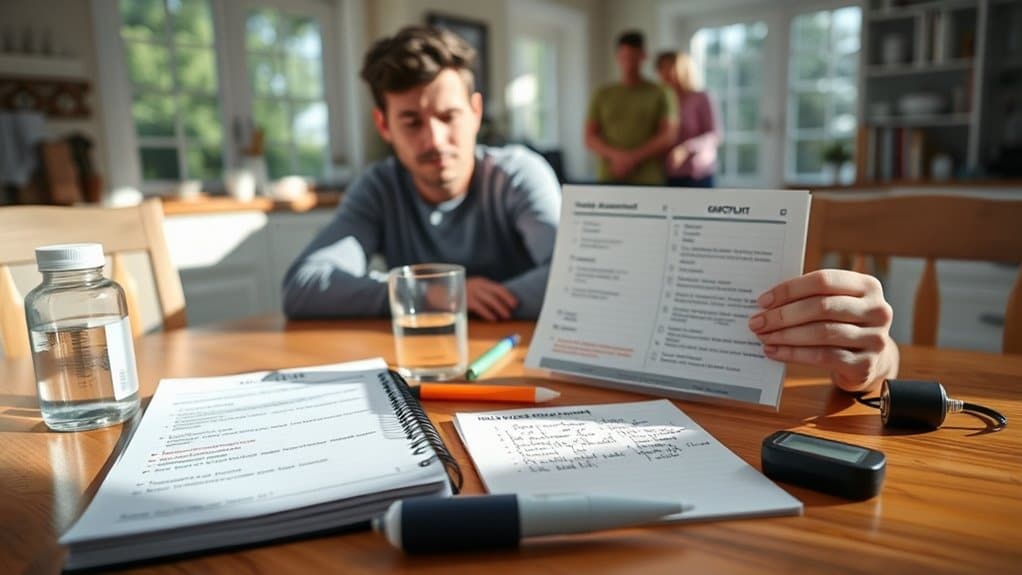
How do you know if detoxing from alcohol at home is safe for your situation? The answer depends on several important factors.
Home detox may be appropriate if you have mild to moderate alcohol dependence without a history of severe withdrawal symptoms like seizures or delirium tremens.
Your personal readiness plays a vital role. You’ll need strong motivation, a supportive alcohol-free environment, and someone reliable to monitor you.
Consider your physical health too, underlying conditions like heart disease or liver problems increase risk factors greatly.
Home detox isn’t suitable if you’ve experienced previous complicated withdrawals, have co-occurring mental health conditions, or use multiple substances.
If you have access to medical supervision, consistent support, and no severe dependence, home detox might be an option.
Otherwise, medically supervised detoxification is always safer.
Creating A Safe Environment For Withdrawal
Once you’ve determined that home detox is appropriate for your situation, preparing your physical space becomes critically significant for a successful withdrawal process.
Remove all alcohol from your home, including hidden bottles or substances that might trigger cravings. Stock your environment with necessities: plenty of water, nutritious easy-to-prepare foods, electrolyte drinks, and any prescribed medications.
Create a comfortable safe space where you’ll spend most of your time during intense withdrawal symptoms.
Make sure this area has:
- A comfortable bed or couch
- Easy access to a bathroom
- Minimal noise and stimulation
- Moderate temperature
- Essential items within reach
Inform a trusted person about your detox plan who can check on you regularly.
Keep emergency contact information visible, including your doctor’s number and local emergency services.
Managing Physical And Psychological Symptoms
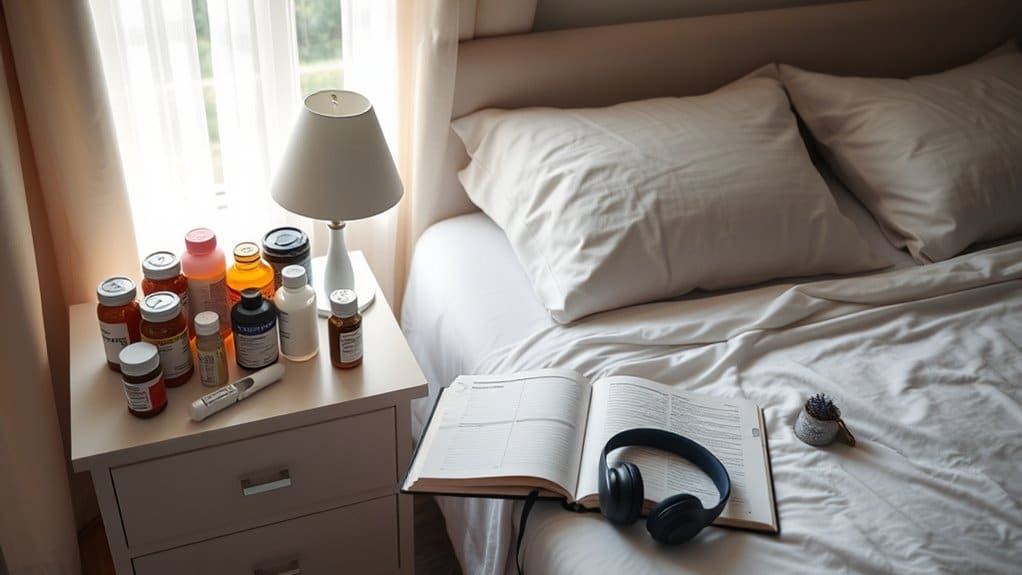
With your safe environment established, addressing the actual withdrawal symptoms becomes the next challenge in your home alcohol detox expedition.
Effective symptom management starts with hydration and nutrition, drink plenty of water and eat small, nutrient-dense meals even when you don’t feel hungry.
For physical symptoms like tremors and nausea, rest frequently and try over-the-counter medications as recommended by your doctor.
Combat insomnia with relaxation techniques and consistent sleep schedules.
Don’t underestimate the power of emotional support during this time, reach out to your support person when anxiety or depression surfaces.
Remember that psychological symptoms often persist after physical ones subside.
Journaling, meditation, and gentle exercise can help stabilize your mood.
While managing these symptoms at home is possible for mild to moderate withdrawal, seek immediate medical attention if you experience seizures, hallucinations, or severe confusion.
Building Your Support System During Detox
No one successfully completes alcohol detox in isolation, which is why building a strong support system becomes your lifeline during this challenging process. Your support network should include trusted family members, understanding friends, and possibly a counselor or therapist experienced in addiction recovery.
Seeking recovery alone is a path to failure, surround yourself with those who strengthen your journey toward sobriety.
Schedule daily check-ins with at least one person who understands your path and can recognize warning signs of dangerous withdrawal symptoms. Consider joining local or online support groups where you’ll connect with others facing similar challenges, bolstering your emotional resilience through shared experiences.
Remember to clearly communicate your needs to those supporting you, whether it’s distraction during cravings, transportation to appointments, or simply a compassionate ear.
The strength of your support system often directly correlates with successful detox outcomes and sustainable long-term sobriety.
When To Seek Emergency Medical Help
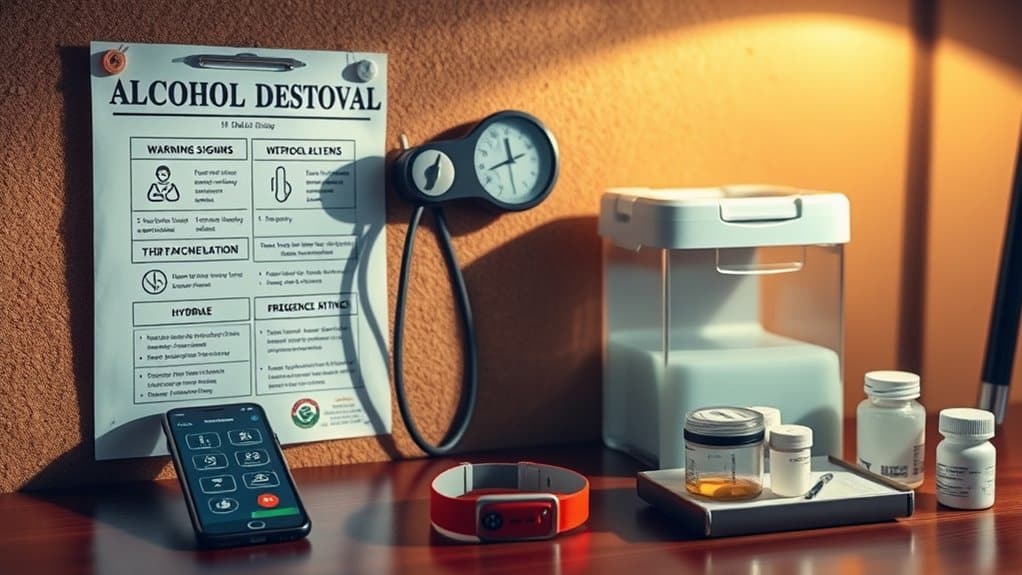
Recognizing the warning signs of dangerous alcohol withdrawal could literally save your life during home detox.
While mild symptoms are common, certain withdrawal complications require immediate professional intervention.
Call 911 immediately if you experience any of these emergency signs:
- Seizures – Any convulsions or uncontrollable shaking requires immediate medical attention.
- Severe confusion or hallucinations – Seeing, hearing, or feeling things that aren’t there.
- High fever – A temperature above 101°F (38.3°C) alongside other symptoms.
- Irregular heartbeat – Racing, pounding, or skipped heartbeats accompanied by chest pain.
Don’t try to “tough it out” through serious symptoms.
Alcohol withdrawal can be life-threatening when severe.
Medical professionals have the training and medications needed to safely manage these complications.
Frequently Asked Questions
How Long Does Alcohol Stay in the Body After Stopping?
Your body metabolizes alcohol at a consistent rate, about one standard drink per hour.
After stopping drinking, alcohol typically remains in your blood for 12-24 hours, in urine for 12-48 hours, and in hair for up to 90 days.
The complete detox duration varies based on your drinking history, with mild symptoms lasting 2-3 days and severe cases extending to 7-10 days.
Can Medications Help Reduce Alcohol Cravings During Home Detox?
Yes, several medication options can effectively help reduce alcohol cravings during home detox.
You’ll find FDA-approved medications like naltrexone, acamprosate, and disulfiram particularly beneficial for craving management.
These medications work by blocking alcohol’s rewarding effects or creating unpleasant reactions when you drink.
Always consult your doctor before starting any medication, as they’ll determine which option suits your specific needs and can monitor your progress throughout the detox process.
How Soon Can I Return to Work After Detox?
Your returning timeline to work varies based on detox severity.
Generally, you’ll need 5-10 days for physical symptoms to resolve, but work readiness depends on your specific situation.
Consider starting with part-time hours and gradually increasing as your energy returns.
Many people can resume work after a week, but emotional stability may take longer.
Discuss your plans with your healthcare provider who can offer personalized advice based on your recovery progress.
What Nutritional Supplements Are Recommended During Alcohol Detox?
During alcohol detox, your body needs nutritional support to heal.
You’ll benefit from taking a vitamin B complex (especially thiamine/B1) to address deficiencies commonly caused by alcohol use and support nerve function.
Magnesium supplements can help reduce withdrawal symptoms and muscle cramps.
Consider also adding a multivitamin, vitamin C, and zinc for immune support.
Always consult with your healthcare provider before starting any supplements, as your individual needs may vary.
Will My Insurance Cover Home Detox Monitoring Equipment?
Insurance coverage for home detox equipment varies widely between providers.
You’ll need to contact your insurance company directly to verify what’s covered under your specific plan. Many insurers require a doctor’s prescription and medical necessity documentation before approving monitoring equipment.
Some plans may cover partial costs through durable medical equipment benefits, while others mightn’t cover it at all.
Consider asking about FSA/HSA eligibility if your insurance won’t cover these essential recovery tools.