
Early signs of bipolar disorder often start as subtle shifts in your mood, sleep, and energy. You might notice recurring mood swings, irritability, or stretches of high energy despite little sleep. Depression can appear before any high. Symptoms usually begin in late adolescence or early adulthood, commonly between ages 15 and 19, though childhood onset occurs. One sign isn’t enough; the pattern’s what counts, and knowing what to look for helps you act sooner.
Key Takeaways
- Early signs often begin as subtle mood and energy shifts, such as recurrent mood swings, irritability, or stretches of unusual energy.
- Depressive episodes frequently appear before any manic or hypomanic episode, quietly draining interest and motivation.
- Unlike ordinary mood swings, bipolar changes form distinct episodes where mood, sleep, energy, thinking, and behavior shift together.
- Warning signs include reduced need for sleep without fatigue, racing thoughts, rapid speech, and uncharacteristic risk-taking or spending.
- Symptoms most often begin in late adolescence or early adulthood, commonly between ages 15 and 19, though childhood onset occurs.
What are the early signs of bipolar disorder

Early signs of bipolar disorder are often subtle, nonspecific changes in mood and energy, rather than a clear-cut high or low, that appear before a first full episode. You might notice recurrent mood swings, emotional instability, or stretches of unusual irritability or heightened energy. These subtle signs of bipolar are common: in one cited study, 83.3% of participants recalled mood swings before their first episode. Depressive symptoms, such as persistent sadness, low energy, or lost interest in usual activities, may appear before you’d recognize any manic or hypomanic episode. Still, early signs of bipolar disorder don’t establish a diagnosis on their own. Warning signs of bipolar disorder carry more weight when they recur, cluster with sleep or behavior changes, and disrupt your work, relationships, or daily functioning.
How do these signs differ from ordinary mood swings
Bipolar-related changes tend to form distinct episodes rather than brief fluctuations tied to everyday events, even though everyone’s mood rises and falls. You might notice that mood, sleep, energy, thinking, and behavior shift together and depart clearly from your usual self.
- You feel driven and wired after little sleep, yet you don’t feel tired.
- Your thoughts race, and friends say they can’t keep up with your speech.
- You spend or take risks in ways you later struggle to recognize as your own.
- Weeks of heavy hopelessness drain your interest in things you’ve loved.
When these episodes repeat and disrupt school, work, or relationships, they merit assessment. Still, similar symptoms can arise from medical or psychiatric conditions, so only a qualified clinician can determine what’s driving them.
When do bipolar symptoms usually first appear

Bipolar symptoms most often begin in late adolescence or early adulthood, though they can start in childhood. One systematic review identified an early-onset group averaging 17.3 years, alongside groups averaging 26.0 and 41.9 years. A UK health service source reports that symptoms in young people commonly start between 15 and 19. A typical bipolar episode timeline can vary significantly among individuals, but it usually includes a pattern of alternating manic and depressive phases.
Onset isn’t limited to adolescence, so don’t rule out bipolar disorder because symptoms first appear later in adulthood. You may also notice subtle changes months or years before a diagnosable episode, but estimates vary across studies. If you’re seeing persistent mood and energy shifts at any age, a qualified clinician can assess them and rule out other causes.
What subtle signs are easy to miss
The subtle signs most easy to miss are mood swings, a reduced need for sleep, unusual irritability or energy, and early depressive stretches, because they often blend into everyday life and you can easily dismiss them as stress, personality, or a rough patch. Because these changes are subtle and nonspecific, you might overlook a pattern until it disrupts your life. Watch for shifts like these:
Subtle signs like mood swings, less sleep, and unusual energy often blend into everyday life, so you may dismiss them as stress.
- Mood swings you’ve brushed off, which 83.3% of people in one study recalled before their first episode
- Nights you need less sleep yet don’t feel tired
- Bursts of irritability or energy that feel unlike you
- Depressive stretches that appear before any high and quietly drain your interest
One sign alone doesn’t mean you have bipolar disorder. What matters is whether changes in mood, sleep, energy, and behavior cluster together and recur. Tracking them helps a clinician see the pattern you can’t. Similar symptoms to bipolar disorder can also arise from other mental health conditions, making it essential to have a thorough evaluation.
How do early signs differ in teens and young adults
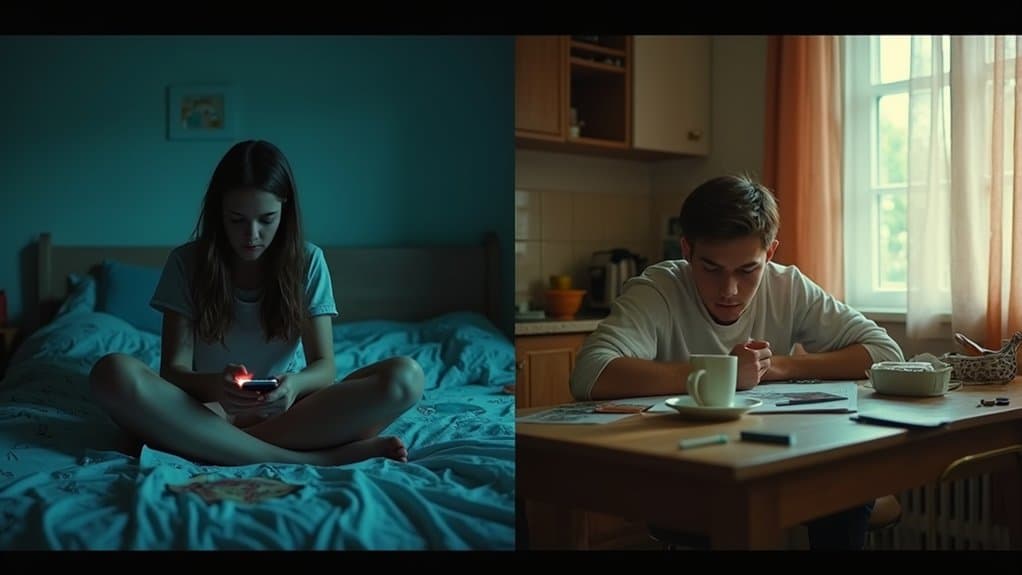
Teens often show recurrent mood shifts, unusual irritability, or bursts of heightened energy before a first full episode, and depressive symptoms may appear before any recognizable manic or hypomanic episode. Symptoms most often begin in late adolescence or early adulthood. A systematic review found an early-onset group averaging 17.3 years, and a UK health service source reports that symptoms in young people commonly start between 15 and 19.
Because ordinary adolescent moodiness is common, look for distinct episodes in which sleep, activity, thinking, and behavior change together and disrupt school, relationships, or daily functioning.
If you’re a young adult or parent, don’t rely on mood changes alone. Seek a qualified clinician’s evaluation when changes persist.
How do early mania and depression signs differ
Early signs of mania and depression appear in the same domains of sleep, energy, thinking, and behavior, but they move in opposite directions. Notice these contrasts:
Mania and depression show up in sleep, energy, thinking, and behavior, but they pull those same areas in opposite directions.
- Sleep: You sleep far less without feeling tired, or you sleep much more yet still wake exhausted.
- Energy: You feel driven and restless, or you’re too drained to start what once mattered.
- Thinking: Your thoughts race and your speech speeds up, or concentrating and deciding feel impossible.
- Behavior: You spend impulsively and chase risks, or you withdraw from activities you used to enjoy.
Irritability can appear in either state, and depressive symptoms may come first, so don’t rely on mood alone. If you’re having thoughts of death or suicide, seek professional help promptly.
How do early signs vary by bipolar type
Early signs vary mainly by whether raised episodes reach full mania, as in bipolar I, or stay at hypomania, as in bipolar II. Both involve heightened or irritable mood, more energy, and less need for sleep, but they differ in severity and impact. Depressive symptoms may also appear before any recognizable high.
| Feature | What you may notice |
|---|---|
| Full mania | Marked energy, racing thoughts, risky spending; daily functioning breaks down |
| Hypomania | Similar changes, milder; you may still manage work or school |
| Depression first | Persistent low mood, low energy, sleep changes before any high |
| Mood swings | Recurrent shifts or instability preceding a first full episode |
Because hypomania can feel productive, you might overlook it. Track mood, sleep, and energy, and share the pattern with a clinician who can determine your type.
When should you contact Villa Behavioral Health about early symptoms
Contact Villa Behavioral Health when recurring highs and lows, sleep changes, or risky behavior cause distress or interfere with school, work, relationships, or daily functioning.
Reach out if you notice:
- You’re sleeping far less yet don’t feel tired, while your thoughts race.
- Your spending or risk-taking feels out of character and hard to stop.
- Persistent sadness or hopelessness drains your energy and interest.
- Your child’s or teen’s extreme mood changes don’t ease.
Track mood, sleep, energy, and behavior ahead of your appointment, noting each episode’s duration, frequency, and impact. These records help a clinician distinguish bipolar disorder from conditions with similar symptoms. If you or someone you love has suicidal thoughts, psychosis, or immediate safety concerns, don’t wait. Seek urgent professional or emergency support. Understanding bipolar disorder is crucial for managing its effects effectively. Education on the condition can empower both the individual and their support system.
Recognize Early Bipolar Symptoms and Seek Support
Unusual mood changes, reduced sleep, and sudden shifts in energy may be early signs of bipolar disorder. Villa Behavioral Health offers mental health treatment to help you understand recurring symptoms, explore treatment options, and manage mood changes before they disrupt daily life. Verify your insurance to explore coverage options, or call (833) 302-2533 to discuss treatment.
Frequently Asked Questions
Can Bipolar Disorder Be Inherited From a Parent or Grandparent?
Yes, you can inherit an increased risk of bipolar disorder, but you don’t inherit the condition itself in a predictable way. If a parent or grandparent has it, your likelihood rises, though most relatives never develop it. Clinicians use family history to inform assessment, but it can’t confirm a diagnosis. If you notice recurring mood, sleep, or energy changes that disrupt your life, you should seek a qualified clinician’s evaluation.
Can Stress or Substance Use Trigger a First Bipolar Episode?
Yes, they can, though they’re considered triggers rather than causes. Major stress, sleep disruption, and substance use, including stimulants, alcohol, or cannabis, may precipitate a first episode if you’re already vulnerable, but they don’t by themselves create bipolar disorder. Because substances can also mimic mania or depression, you’ll need a qualified clinician to sort this out. If you notice distinct shifts in mood, sleep, energy, or behavior, seek an evaluation.
Is Bipolar Disorder Sometimes Misdiagnosed as Depression, ADHD, or Anxiety?
Yes, it’s possible. You might experience depressive episodes before any recognizable manic or hypomanic episode, so a clinician may initially see only depression. Irritability, racing thoughts, restlessness, and poor concentration can also overlap with ADHD or anxiety. What helps distinguish bipolar disorder is distinct episodes where your mood, energy, sleep, and behavior shift together. Track these patterns, including duration and impact, and share them with a clinician who’ll assess them.
How Can I Support a Loved One Showing Possible Bipolar Symptoms?
You can help by calmly sharing specific changes you’ve noticed (shifts in mood, sleep, energy, or behavior) without labeling them as bipolar disorder. Encourage an evaluation with a qualified clinician, since similar symptoms can occur with other conditions. You might help them track mood, sleep, and activity patterns, noting duration, frequency, and impact on daily life. If they express suicidal thoughts or you see psychosis, seek urgent professional or emergency support immediately.
Does Early Treatment Improve Long-Term Outcomes for People With Bipolar Disorder?
Evidence suggests it can. Several studies link earlier treatment with better medication response and fewer future episodes, though research is still evolving and outcomes vary. You can’t confirm bipolar disorder from early signs alone, since mood swings, sleep changes, or irritability overlap with other conditions. If you notice recurring highs and lows disrupting daily life, track mood, sleep, and energy, and share those patterns with a qualified clinician without delay.