
To detox from processed foods, start by gradually replacing ultra-processed items with whole food alternatives over 21 days. Begin with a kitchen clean-out, removing foods containing artificial additives, refined sugars, and excess sodium. Stock up on fresh vegetables, lean proteins, and nutrient-dense alternatives. Implement mindful eating practices, drink infused water for hydration, and prep meals in advance to avoid convenience food temptations. Following a structured approach will help you navigate withdrawal symptoms and establish sustainable habits for long-term success.
Understanding Your Current Processed Food Intake

How deeply has processed food become embedded in the modern American diet? The processed food statistics are staggering: ultra-processed foods now make up 57% of daily calories consumed in the U.S., while whole food consumption has dropped to just 27.4%.
You’re likely consuming more processed foods than you realize, as 73% of grocery items are classified as ultra-processed.
The health impacts of this dietary shift are serious. Ultra-processed food consumption is linked to obesity, inflammation, chronic diseases, and mental health decline. Studies show that each 10% increase in UPF calories consumed raises the risk of depression by 11%.
You’re particularly at risk if you’re younger, from a low-income household, or part of non-Hispanic Black/white communities, as these demographics show higher consumption rates. College graduates tend to consume fewer ultra-processed foods compared to other demographic groups.
Understanding your current processed food intake is essential – check ingredient lists for preservatives, additives, and concentrated sugars to identify ultra-processed foods in your diet.
Setting Up Your Kitchen for the 21-Day Journey
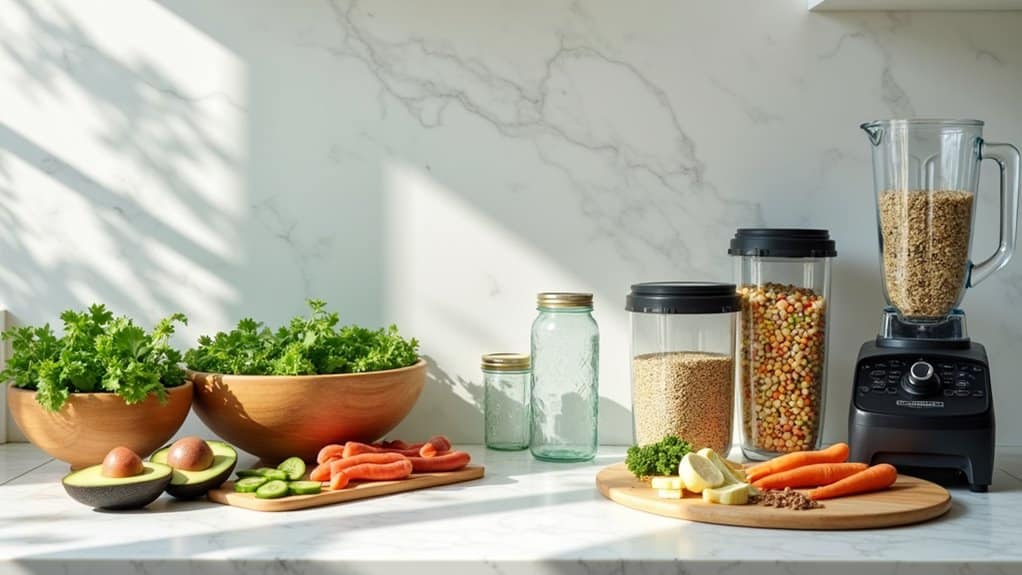
Before commencing your 21-day detox adventure, transforming your kitchen environment is essential for success. Start by systematically purging your space of processed foods containing artificial additives, refined sugars, and excess sodium. In alignment with Dr. Junger’s guidelines, eliminate all dairy, gluten, corn, and soy products from your kitchen space.
Your kitchen organization should focus on creating clear zones that support clean eating habits. Set aside an hour or more to thoroughly purge your kitchen of unwanted items. Once you’ve cleared out non-compliant items, implement strategic food storage solutions using airtight containers to maintain freshness.
Stock your kitchen with nutrient-dense alternatives like fresh vegetables, lean proteins, and fiber-rich foods. Don’t forget to integrate gut-healthy probiotics and essential pantry staples such as nuts, seeds, and gluten-free grains.
Create a rotation system for your inventory to minimize waste and maintain ideal freshness. This structured approach will help reinforce your commitment to whole, unprocessed foods throughout your detox expedition.
Essential Tools and Ingredients for Clean Eating
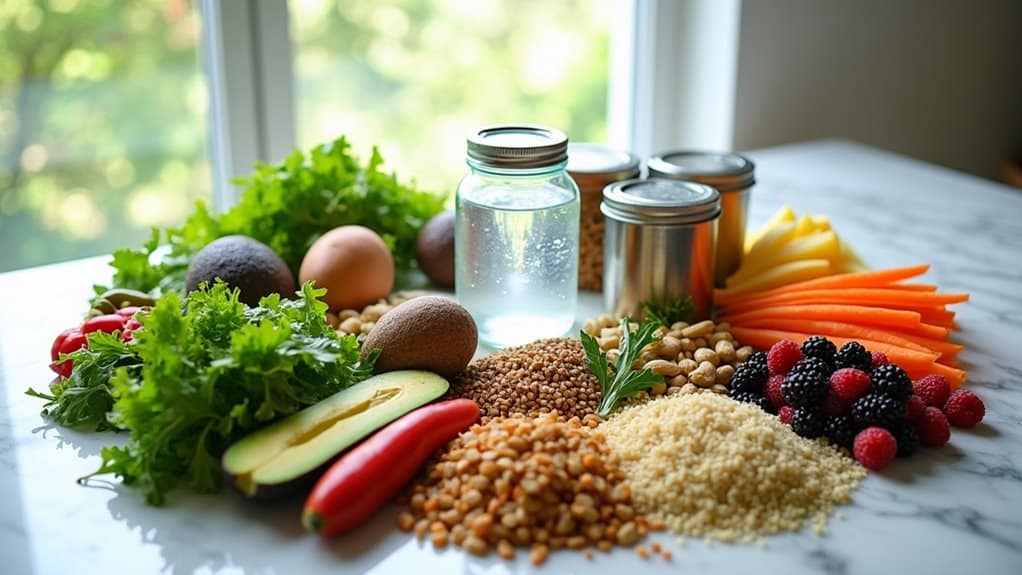
Successful clean eating requires a strategic collection of essential tools and nutrient-dense ingredients to maintain momentum throughout the 21-day detox adventure.
When stocking kitchen essentials, prioritize tools that enable proper meal planning and food storage while mastering essential cooking techniques. A silicone spatula is crucial for handling hot foods without toxic melting concerns. Using separate cutting boards for produce helps prevent cross-contamination risks that could derail your detox progress.
- Start with core equipment: measuring cups, food thermometer, high-quality knives, and non-stick pans that reduce oil usage by up to 40%
- Invest in proper storage solutions: airtight containers, parchment paper, and strainers that help reduce sodium content when rinsing canned goods
- Focus on ingredient swaps: replace processed items with whole grains, fresh produce, and natural detoxifiers like ginger, turmeric, and green tea
These foundational elements transform your kitchen into an efficient workspace for creating nutrient-rich meals throughout the detox expedition.
The Science Behind Food Addiction and Processing
Understanding food addiction requires acknowledging its striking parallels to substance dependency, as ultra-processed foods trigger similar neurobiological mechanisms in the brain’s reward pathways.
When you consume highly palatable foods engineered with excess sugars, fats, and sodium, your brain releases dopamine, creating powerful cravings and compulsive eating patterns.
These neurobiological triggers impair your prefrontal cortex control, making it increasingly difficult to resist urges despite negative health consequences.
Brain chemistry changes from processed foods hijack willpower, leaving us powerless against cravings despite knowing better.
Studies show that a staggering 57% of calories in the average American’s diet come from ultra-processed foods.
You’ll notice classic addiction symptoms: tolerance development requiring larger portions for satisfaction, withdrawal-like symptoms when abstaining, and frequent relapses after attempted cessation.
Research shows up to 20% of the population experiences food addiction, with higher rates among those struggling with obesity. The Yale Food Addiction Scale has become a vital tool for identifying and measuring food addiction behaviors since 2009.
This scientific understanding explains why breaking free from processed foods often requires a structured detoxification approach.
Your First Week: Tapering Off Trigger Foods
Shifting away from processed foods requires a methodical approach during your initial week to reduce withdrawal symptoms and improve success. Natural ingredients like ginger and turmeric can help reduce inflammation during the transition period.
Start by auditing your kitchen and implementing mindful meals to avoid processed pitfalls. Replace one processed item daily with whole-food alternatives while maintaining portion control of remaining trigger foods. Keeping a thorough food diary entry helps track your dietary changes and identify consumption patterns.
- Clear your kitchen space by removing highly processed items and restocking with nutrient-dense staples like fresh produce, lean proteins, and whole grains.
- Pre-prepare wholesome alternatives by batch-cooking meals and creating healthy snack options such as homemade trail mix or air-popped popcorn.
- Monitor your progress by keeping a hydration tracker, labeling leftovers, and practicing mindful eating strategies to distinguish true hunger from emotional cravings.
Stay consistent with these changes to establish sustainable habits that support your shift to whole foods.
Creating a Morning Detox Water Routine
Your morning detox water ritual begins with selecting science-backed ingredients like vitamin C-rich lemon, metabolism-boosting ginger, and hydrating cucumber to create a powerful morning elixir.
You’ll notice benefits beyond weight management, including improved digestion, sustained energy levels, and improved natural detoxification through proper organ function.
To optimize these benefits, you can prep your infused water the night before, allowing 4-8 hours for the nutrients to fully release while ensuring you’ll start each morning with a revitalizing, nutrient-rich beverage.
Essential Ingredients Guide
Morning detox water serves as a cornerstone ritual for eliminating processed foods from the diet. Creating flavorful infusions with strategic ingredient combinations helps optimize both taste and nutritional benefits while supporting your body’s natural detoxification processes.
- Start with a base of filtered water (room temperature or cold) and add citrus fruits like lemon, lime, or orange for vitamin C and cleansing properties.
- Layer in fresh herbs such as mint, basil, or rosemary to improve flavor profiles and provide extra antioxidants.
- Include beneficial spices like ginger, turmeric, or cinnamon to elevate anti-inflammatory properties and support digestive health.
When crafting your detox water, keep in mind that proper ingredient ratios and infusion time matter. Allow ingredients to steep for at least 30 minutes before drinking, and experiment with different hydration-enhancing combinations to find your preferred blend.
Benefits Beyond Weight Loss
While many associate detox water primarily with weight management, this simple morning ritual delivers a thorough array of health benefits that extend far beyond the scale. Let’s dispel common nutritional myths and focus on evidence-based hydration strategies that transform your health from the inside out.
| Benefit Category | Impact on Health |
|---|---|
| Digestive Health | Improved gut motility & reduced constipation |
| Metabolic Function | Improved cellular energy & metabolism |
| Immune Support | Strengthened immune response & inflammation control |
| Skin Health | Better elasticity & natural glow |
| Brain Function | Improved clarity & reduced brain fog |
You’ll experience these benefits by replacing processed beverages with detox water, which supports your body’s natural cleansing processes. This science-backed approach helps optimize kidney function, maintain pH balance, and provide essential vitamins like C for collagen synthesis. The ritual also sets a positive tone for whole-day wellness practices.
Smart Substitutions for Common Processed Foods
Your kitchen pantry serves as ground zero for transforming processed food habits into healthier choices through strategic substitutions.
A thorough cleanout allows you to identify ultra-processed items and replace them with whole food alternatives that maintain convenience while eliminating artificial additives.
Pantry Clean-Out Guide
Three key steps can transform your pantry from a processed food haven into a whole food sanctuary: audit, purge, and strategically substitute. Effective pantry organization starts with a thorough assessment of your current inventory, focusing on ingredient awareness and identification of ultra-processed NOVA 4 foods.
1. Schedule a dedicated weekend to methodically examine every product, checking for artificial additives, preservatives, and synthetic dyes.
Remove items containing unpronounceable ingredients or excessive sugar content.
2. Scrutinize nutrition labels for hidden sugars, trans fats, and partially hydrogenated oils.
Pay special attention to condiments exceeding 2g sugar per serving.
3. Cross-reference ingredient lists against known artificial additives.
Discard products containing MSG, modified starches, or chemical preservatives that require scientific expertise to understand.
Natural Swap Success Tips
Successfully shifting away from processed foods requires strategic substitutions that maintain familiar tastes while delivering superior nutrition. When making natural swaps, you’ll find greater success by implementing changes gradually. Start with breakfast modifications, which set the tone for healthier choices throughout your day.
| Processed Item | Natural Swap | Key Benefits |
|---|---|---|
| Flavored Yogurt | Plain Greek Yogurt + Berries | Higher protein, less sugar |
| Boxed Cereal | Steel-cut Oatmeal | More fiber, sustained energy |
| Breakfast Pastries | Whole-grain Toast + Avocado | Healthy fats, complex carbs |
| Coffee Creamer | Unsweetened Almond Milk | Fewer additives, lower calories |
These success tips focus on maintaining satisfaction while upgrading nutrition. You’ll notice improved energy levels and reduced cravings as your palate adjusts to cleaner alternatives.
Reading Labels Like a Pro
Reading food labels effectively is a critical skill for anyone looking to detox from processed foods. Your label comprehension needs to focus on both front-of-pack information and detailed nutritional panels to make informed choices. With proper nutrient awareness, you’ll quickly identify heavily processed items and their healthier alternatives.
- Start with the ingredient list, if it’s longer than 5-10 items or contains unfamiliar chemical names, it’s likely highly processed. Look for hidden sugars, artificial additives, and preservatives.
- Check serving sizes, carefully manufacturer’s portions often differ from real-world consumption. Multiply nutrients by your actual portion size for accurate tracking.
- Use the color-coding system, choose products with more green labels (low) than red (high) for key nutrients like sugar, salt, and fat. Compare per-100g values for consistent assessment across products.
Meal Prep Strategies for Clean Eating Success
Start your clean eating expedition by dedicating Sundays to batch cooking proteins, grains, and vegetables, which creates a foundation for quick meal assembly throughout the week.
You’ll need proper storage containers invest in glass meal prep containers with secure lids for refrigerated items and freezer-safe containers for longer-term storage of soups, stews, and casseroles.
Keep fresh ingredients like pre-washed greens, chopped vegetables, and portioned fruits in easily accessible containers, allowing you to combine them with your pre-cooked elements for nutritious meals in minutes.
Batch Cooking on Sundays
Batch cooking on Sundays serves as a cornerstone strategy for successfully shifting away from processed foods while maintaining a sustainable clean eating lifestyle.
Through systematic detox meal planning and efficient batch cooking tips, you’ll create a foundation for the week ahead while saving time and avoiding processed food temptations.
- Begin by planning your weekly menu, focusing on whole foods and healthy ingredient swaps that align with your detox goals, such as using quinoa instead of refined grains or incorporating more leafy greens.
- Implement cooking efficiency strategies by preparing multiple proteins, roasting different vegetables, and making clean sauces simultaneously to enhance your Sunday cooking session.
- Break down your weekly food prep into manageable components: proteins initially, followed by vegetables, then whole grains, and ultimately assembling grab-and-go containers for convenient access throughout the week.
Storage Solutions That Work
Effective storage solutions form the backbone of any successful processed food detox expedition. You’ll want to invest in reusable containers, particularly glass or silicone options, to maintain freshness and avoid harmful plastics.
Implement a clear labeling system with dates and meal names to streamline your prep routine and prevent waste.
For ideal meal prep organization, divide your storage strategy into zones. Store whole grains like quinoa and brown rice in airtight containers to preserve nutrients.
Use mason jars for layered salads and silicone bags for prepped vegetables. Enhance freezer space by portioning meals into individual servings, and maintain a simple inventory system to track what you’ve stored.
These practical storage solutions will help you stay committed to your clean eating goals while saving time and reducing food waste.
Quick Assembly Fresh Ingredients
Mastering quick assembly techniques with fresh ingredients forms the cornerstone of successful clean eating meal prep. By preparing components separately and combining them at mealtime, you’ll maintain maximum freshness while streamlining your detox expedition.
- Prep your produce early in the week by washing and chopping vegetables like spinach, bell peppers, and broccoli, storing them in glass containers for easy access during quick assembly.
- Cook batch portions of clean proteins such as grilled chicken, marinated tofu, or legumes that you can quickly add to your fresh ingredient bases.
- Create grab-and-go station zones in your fridge with pre-portioned fresh ingredients like mixed greens, roasted vegetables, and cooked whole grains that you can combine into nutrient-dense meals in minutes.
This systematic approach guarantees you’ll maintain your detox goals while maximizing efficiency and flavor.
Navigating Social Situations During Your Detox
While maintaining a processed food detox can feel challenging at home, social situations often present the biggest obstacles to staying on track. To navigate social gatherings successfully, focus on planning non-food centered activities and choosing venues that offer healthy alternatives.
Success in a processed food detox requires rethinking social situations and finding activities that don’t revolve around unhealthy eating habits.
You’ll benefit from bringing your own detox-compliant meals to events and setting clear boundaries with friends and family about your dietary commitments.
When dining out, don’t hesitate to request modifications to menu items, such as grilled instead of fried options or dressings on the side.
Consider pre-eating at home and ordering small plates at restaurants to maintain control. Building a reliable support network and gradually reframing your social habits will help normalize your healthier choices over time, making your detox sustainable even in challenging social settings.
Adding Quality Proteins in Week Two
As you enter week two of your detox, you’ll want to strategically time your protein portions to 20-30g per meal, focusing especially on post-workout consumption for ideal muscle repair.
You can boost detoxification by pairing clean proteins with specific foods try combining chicken breast with cruciferous vegetables like broccoli to activate liver enzymes, or matching quinoa with leafy greens to improve iron absorption.
For best results, space your protein intake throughout the day while maintaining adequate hydration of ½ ounce water per pound of body weight to support toxin elimination.
Timing Your Protein Portions
Proper protein timing during week two of your detox becomes essential for maintaining muscle mass while eliminating processed foods.
Strategic protein consumption helps stabilize blood sugar, support liver function, and optimize your body’s natural detoxification processes. Your focus should shift from processed protein sources to whole, nutrient-dense options.
- Start your day with 20-25g of protein at breakfast, ideally within an hour of waking, to kickstart your metabolism and regulate appetite hormones.
- Space protein portions 4-5 hours apart throughout the day, aiming for 0.8-1.2g per kilogram of body weight from quality sources like lean meats, fish, and legumes.
- Include a moderate protein serving 2-3 hours before bedtime to support overnight muscle recovery and maintenance while your body continues its detoxification work.
Smart Protein Food Pairings
During week two of your detox expedition, strategic protein pairings can optimize nutrient absorption and boost your body’s detoxification processes. Focus on food synergy by combining quality protein sources with nutrient-dense carbohydrates to maintain steady energy levels and support muscle recovery.
| Protein Source | Carbohydrate Pairing | Timing | Benefits |
|---|---|---|---|
| Boiled Eggs | Whole-grain Toast | Breakfast | Improved satiety |
| Peanut Butter | Steel-cut Oatmeal | Pre-workout | Sustained energy |
| Canned Tuna | Brown Rice | Post-workout | Muscle repair |
| Greek Yogurt | Fresh Berries | Snack | Blood sugar balance |
Managing Cravings and Withdrawal Symptoms
When shifting away from processed foods, your body and brain undergo significant physiological changes that can trigger different withdrawal symptoms. Understanding and preparing for these challenges helps build emotional resilience during your detox expedition.
- Physical symptoms often include headaches, fatigue, and digestive discomfort as your body adapts to whole foods and stabilizes blood sugar levels.
- Your brain’s reward pathways may trigger intense craving triggers, leading to mood swings, anxiety, and difficulty concentrating as dopamine regulation adjusts.
- Combat these challenges by gradually substituting processed foods with nutrient-dense alternatives, planning structured meals to maintain stable energy levels, and acknowledging that temporary discomfort is part of the healing process.
Remember that withdrawal symptoms typically peak within the initial week and gradually diminish as your body recalibrates to cleaner fuel sources.
The Role of Hydration in Detoxification
You’ll need to notably increase your water intake during a processed food detox, aiming for at least 8 cups daily while monitoring your urine color for ideal hydration levels.
Instead of reaching for sugary beverages that can worsen dehydration and trigger cravings, opt for natural hydration sources like water-rich fruits and vegetables, including cucumbers and watermelon.
Carrying a reusable water bottle and setting regular drinking intervals throughout the day will help you maintain consistent hydration, which is essential for supporting your body’s natural detoxification processes through the liver and kidneys.
Boosting Daily Water Intake
While processed food detox requires multiple lifestyle changes, proper hydration serves as the cornerstone of an effective cleanse. Your body needs 3.7 liters (men) or 2.7 liters (women) daily to support essential detoxification processes, including bioactivation and conjugation in your liver.
To increase your daily water intake through proven hydration strategies:
- Infuse your water with cucumber, lemon, or mint to improve flavor naturally while maintaining electrolyte balance through nutrient-rich supplements.
- Incorporate hydrating foods like watermelon and oranges into your meals, complementing your water intake with whole food sources.
- Use digital tracking tools and marked water bottles to monitor your progress, aiming for 8-10 glasses daily while adjusting for activity level and climate.
These approaches support your body’s natural detox pathways through effective hydration during your processed food cleanse.
Natural Hydration Vs Sugary
Understanding the stark contrast between natural hydration and sugary beverages proves crucial during a processed food detox.
Natural hydration benefits include improved kidney function, enhanced liver detoxification, and ideal lymphatic system support. While sugary drinks create inflammation, burden your liver, and trigger energy crashes, detox water recipes incorporating lemon, cucumber, and mint provide essential nutrients and antioxidants.
You’ll optimize hydration strategies by calculating your daily water intake based on body weight and incorporating alkaline-rich ingredients.
Focus on detox hydration tips like sipping herbal teas, particularly green, dandelion, and ginger varieties. These alternatives help break sugar addiction cycles while supporting cellular repair.
Spring water and infused water options offer practical solutions to maintain proper hydration without compromising your detox goals.
Building New Shopping Habits
Making the switch to whole foods requires strategic changes to shopping habits that can profoundly impact your detox success. Your shopping mindset needs to shift from convenience to intention, focusing on mindful purchases that support your health goals.
1. Start by mastering store layout navigation stick to the perimeter where fresh, whole foods are located, and avoid center aisles filled with processed temptations.
2. Create an organized grocery list divided by store sections, prioritizing seasonal shopping for ideal nutrition and budget considerations.
You’ll want to dedicate 80% of your cart to whole foods while allowing 20% for adjustment items.
3. Implement healthy swaps gradually by choosing products with recognizable ingredients, verified certifications, and minimal processing.
Keep your shopping list focused on detoxifying foods like ginger, turmeric, and antioxidant-rich produce.
Batch Cooking for Busy Weekdays
Smart shopping habits set the foundation, but batch cooking transforms those whole food ingredients into practical weekday meals. By dedicating just 1-2 weekly cooking sessions, you’ll streamline meal planning and save significant time.
Pre-chopping vegetables and marinating proteins enables quick 5-10 minute meal assembly on busy days. Batch cooking methods support portion control through pre-measured servings while minimizing exposure to processed foods.
Kitchen organization becomes simpler when you cook multiple meals simultaneously using common ingredients. Time-saving techniques like freezing extra portions provide healthy alternatives to fast food during hectic workdays.
Your ingredient prep can focus on creating versatile basics that work across several recipes, reducing food waste and preventing last-minute grocery runs. This systematic approach eliminates daily decision fatigue and supports your processed food detox goals.
Transitioning to Grain-Free Options
While eliminating grains may seem intimidating, shifting to grain-free alternatives offers evidence-based health benefits, from reduced inflammation to improved blood sugar control.
To experience these grain-free benefits while maintaining nutritional balance, strategic meal planning becomes essential.
- Start by replacing one grain-based meal daily with alternatives like zucchini noodles or cauliflower rice, focusing on non-grain vegetables and healthy fats like avocados and olive oil.
- Incorporate nutrient-dense substitutes such as chia seeds, berries, and leafy greens to maintain fiber intake and essential vitamins during the changeover.
- Support your body’s adjustment by increasing hydration, consuming electrolyte-rich foods like bone broth, and supplementing with B vitamins through foods like legumes and dark greens if needed.
Physical Changes to Expect During the Detox
As your body begins shifting away from processed foods, you’ll experience a range of physical changes that typically unfold in distinct phases.
Initial detox symptoms may include headaches, fatigue, and temporary digestive changes like bloating or increased bowel movements. You might notice skin breakouts before experiencing clearer, more radiant skin.
Temporary discomfort like headaches and digestive changes signals your body’s natural detoxification process before revealing healthier skin and renewed vitality.
Within weeks, you’ll likely observe significant improvements in gut health as your microbiome rebalances.
Energy increases become noticeable once your blood sugar stabilizes, and inflammation reduction often leads to decreased joint pain and lowered blood pressure. Your immune response will strengthen as inflammatory triggers diminish.
Long-term benefits include natural weight stabilization, improved cholesterol levels, and improved liver function.
While some initial discomfort is normal, these temporary symptoms signal your body’s shift towards ideal health.
Mindful Eating Practices
Mindful eating practices serve as a cornerstone for successful processed food detoxification by rewiring your brain’s relationship with food.
By engaging your senses and cultivating awareness during meals, you’ll naturally reduce cravings and improve your body’s ability to recognize true hunger signals.
- Replace processed snacks with mindful snacks like fresh fruits or vegetables, focusing on their natural textures and flavors while eating without distractions.
- Implement gratitude practices before meals by acknowledging the food’s path from farm to table, which helps create a deeper connection with your nutrition choices.
- Pause between bites, chew thoroughly, and assess your satiety levels throughout the meal.
This technique improves digestion and helps prevent overeating, supporting your body’s natural detoxification processes.
Creating Sustainable Clean Eating Habits
Building on the mindful eating foundation, sustainable clean eating habits form the bedrock of long-term success in processed food detoxification.
You’ll want to focus on sustainable meal planning that emphasizes plant-based ingredients while incorporating seasonal produce to optimize nutritional benefits and minimize environmental impact.
Start by adopting a structured approach to your food choices, prioritizing vegetables, fruits, legumes, and whole grains.
When including animal products, opt for sustainably sourced seafood and pasture-raised options in modest portions.
You’ll find success by implementing a “use before expiration” system and freezing surplus items to prevent waste.
Furthermore, practicing proper food storage and composting organic waste helps create a more sustainable kitchen ecosystem.
This all-encompassing approach guarantees you’re not just detoxifying your body but also establishing habits that will serve you well beyond the initial cleanse.
Reintroducing Foods After the Detox
Once you’ve completed your processed food detox, reintroducing foods systematically becomes essential for identifying potential triggers and maintaining digestive health.
Systematic reintroduction of foods after detox helps pinpoint digestive triggers and maintain optimal gut health for long-term wellness.
Through careful food sensitivity testing, you’ll gain valuable digestive health insights that can shape your long-term eating habits.
Follow these proven reintroduction strategies:
- Start with small portions (1-2 tablespoons) of single ingredients, testing each food three times within 24 hours to accurately assess reactions.
- Monitor your body’s response for five full days, tracking symptoms, energy levels, and digestive changes in a detailed food diary.
- Practice stress-reduction techniques before meals, including deep breathing and mindful eating, as stress can impact your body’s response to reintroduced foods.
Remember to postpone reintroductions during high-stress periods and maintain proper posture while eating to optimize digestion.
Maintaining Your New Lifestyle Beyond Day 21
Successfully shifting beyond the 21-day detox requires strategic planning and consistent habits to maintain your progress.
Focus on mindful eating by tracking portions and choosing nutrient-dense whole foods, which can reduce caloric intake by up to 500 calories compared to ultra-processed alternatives.
Prioritize physical wellness through regular exercise and adequate sleep while managing stress levels to prevent relapse into old eating patterns.
Build strong social support networks by connecting with like-minded individuals who share your commitment to clean eating.
Stay engaged with ongoing education about nutrition and food science to reinforce your healthy choices.
Keep in mind that ultra-processed foods contribute to 57% of adult calories and increase mortality risk by 31%, making your continued dedication to whole, unprocessed foods essential for long-term health benefits.
Frequently Asked Questions
Can I Take Medications During the 21-Day Detox Period?
You should continue taking your prescribed medications, but it’s essential to consult your healthcare provider before starting any detox program due to potential medication interactions.
Some foods commonly used in detox plans can affect your prescription’s effectiveness or safety.
Don’t stop or adjust medications without professional guidance. Your doctor can review your prescription guidelines and modify your detox plan to guarantee it’s safe alongside your current medications.
How Much Weight Loss Can I Expect During This Program?
You can typically expect to lose 5-10 pounds during the 21-day period, with preliminary weight loss being higher in the opening week due to water weight changes.
Your starting weight and adherence to the program will greatly influence your results. While some participants lose 2-4 pounds weekly, it’s essential to focus on developing sustainable habits rather than rapid weight loss.
Individual results vary based on your metabolism, activity level, and commitment.
Should I Continue Exercising While Following This Detox Plan?
Yes, you should continue exercising during your detox, but you’ll need to make smart workout modifications.
Exercise benefits include elevated metabolism, improved circulation, and improved toxin elimination.
Stick to moderate-intensity activities like brisk walking, gentle yoga, or light strength training.
Don’t push yourself too hard – listen to your body and scale back if you feel fatigued.
Remember to stay well-hydrated and focus on proper form during workouts.
Are There Specific Supplements Recommended to Support the Detox Process?
Several evidence-based detox supplements can support your body’s natural cleansing processes.
Consider milk thistle for liver support, probiotics for gut health, and N-acetyl cysteine (NAC) to increase glutathione production.
Natural enhancers like vitamin C, B-complex vitamins, and magnesium also improve detoxification pathways.
Add zinc and selenium to support your immune system and antioxidant functions.
Always consult your healthcare provider before starting any supplement regimen.
Can I Follow This Detox Plan if I’m Pregnant or Nursing?
You shouldn’t follow a formal detox plan while pregnant or nursing.
During these critical periods, your body needs consistent nutrition to support your baby’s development and your milk production.
Instead, focus on gradually reducing ultra-processed foods while maintaining a balanced diet.
Work with your healthcare provider to make safe dietary changes, as restrictive programs could compromise essential nutrients.
You can still improve your diet by choosing whole, nutrient-dense foods without detoxing.