
Your body’s natural detox systems need strategic support in today’s toxin-heavy world. You’ll optimize your wellness by focusing on five key areas: supporting liver and kidney function through proper hydration, embracing whole foods with plenty of vegetables, incorporating targeted supplements like glutathione and B vitamins, maintaining regular exercise, and prioritizing quality sleep. When you combine these elements with mindful environmental choices, you’ll create a sustainable foundation for vibrant health. Let’s investigate how to implement each component effectively.
Understanding Your Body’s Natural Detox Systems

While many people think of detoxification as a special cleanse or diet, your body actually has sophisticated built-in systems that work around the clock to eliminate harmful substances.
Your liver leads these detox pathways by filtering toxins from your blood and converting them into water-soluble compounds for elimination, while your kidneys purify blood and remove these processed toxins through urine. Quality sleep promotes optimal functioning of these vital organs.
Your body’s dynamic filtration system depends on the liver and kidneys working together to process and eliminate toxins effectively.
Your gut microbiome plays an essential role in protecting against toxins, while your skin detoxification process releases harmful substances through sweat. Eating foods rich in prebiotics and fiber helps maintain optimal gut health and detoxification capabilities.
Your respiratory health contributes by expelling volatile compounds through breath. To support these natural processes, you’ll need to maintain proper hydration balance and manage oxidative stress through antioxidant-rich foods.
Understanding these interconnected systems helps you make informed choices that improve your body’s natural detoxification abilities.
Essential Dietary Changes for Enhanced Wellness

To transform your wellness path through nutrition, understanding essential dietary changes can greatly enhance your body’s natural detoxification processes.
Start by embracing plant-based benefits through five daily portions of fruits and vegetables, focusing on nutrient timing to optimize absorption. Your dietary patterns should prioritize whole food focus, incorporating diverse protein sources from both plant and animal origins. Include lean protein choices like skinless poultry and fish to support your wellness goals. Cruciferous vegetables like broccoli and kale provide powerful antioxidants that enhance natural detox pathways.
Don’t forget healthy fats from sources like avocados and nuts, while being mindful of processed food impact on your system.
Elevate your fiber importance by choosing whole grains over refined alternatives, and investigate sugar alternatives that won’t spike blood sugar.
Keep in mind that hydration strategies are vital aim for consistent water intake throughout the day to support your body’s natural cleansing mechanisms.
The Power of Strategic Supplementation
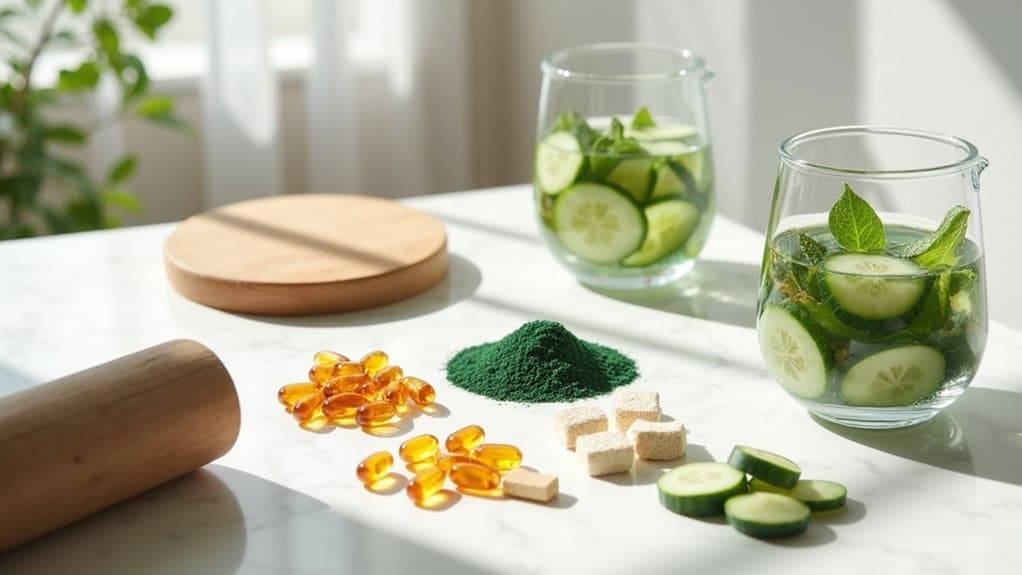
When you’re starting a detox expedition, you’ll need a strategic blend of essential nutrients like B vitamins, antioxidants, and mineral cofactors to support your body’s natural cleansing processes [1.1, 5.2, 5.3].
The timing of your supplement intake matters greatly – you’ll want to coordinate with meals and spread doses throughout the day to maintain steady nutrient levels while avoiding potential interactions [3.3]. A well-structured plan should include daily multivitamins to ensure comprehensive nutritional support during the detoxification process. Incorporating gut health elements like probiotics and digestive enzymes is crucial for optimal detoxification results.
Your focus should be on selecting high-quality, clinically-backed supplements rather than unregulated detox products, ensuring you’re getting therapeutic doses of proven ingredients like NAC and omega-3s that genuinely support your wellness goals [2.1, 2.5, 3.5].
Essential Nutrients For Detox
Strategic supplementation forms the backbone of an effective detox program, working synergistically with the body’s natural cleansing processes. A well-planned nutrient protocol improves your body’s detoxification pathways through multiple mechanisms.
S-Acetyl-L-Glutathione offers superior stability compared to other forms of this master antioxidant. Antioxidant benefits come from powerhouses like glutathione and selenium, protecting cells during the cleansing process. B vitamin sources, including B2, B6, and B12, support vital methylation pathways that drive detox reactions. Incorporating vitamin A-rich foods like sweet potatoes and kale helps maintain skin health during detoxification.
Mineral importance can’t be overstated zinc and magnesium activate essential enzymes, while choline supports healthy liver function. Omega-3 functions extend to reducing inflammation and maintaining cell membrane integrity.
For improved results, consider herbal detoxification support from proven botanicals like milk thistle and dandelion root, which have traditionally supported liver health and natural cleansing processes.
Timing Your Supplement Intake
Understanding when to take your supplements can dramatically improve their effectiveness during a detox program. Your supplement timing should align with your body’s natural detox rhythms and digestive cycles.
Take glutathione or NAC in the morning when your liver’s most active, and coordinate your probiotics with breakfast to support gut health. Include leafy greens and nuts with your morning supplements to provide essential nutrients like folate, manganese, and zinc for optimal detoxification. While multivitamins remain a debated supplement, research suggests timing them with meals for optimal absorption.
Optimize absorption by practicing smart meal coordination pair fat-soluble vitamins with fatty meals, and space out minerals like calcium and magnesium to prevent nutrient interactions.
Your hydration strategy matters too; drink water before meals to support kidney function. During different detox phases, adjust your intake accordingly, starting gradually and increasing antioxidants during peak elimination.
For your evening routine, avoid stimulating supplements and save magnesium for bedtime to promote rest and recovery.
Quality Over Quantity Matters
Success in detoxification hinges more on the quality and strategic selection of supplements than on sheer quantity.
You’ll optimize your detox results by choosing pharmaceutical-grade supplements and nutrient-dense whole foods that support your body’s natural cleansing processes.
Focus on high-quality sources of omega-3s, probiotics, and antioxidants to improve your liver’s detoxification pathways.
When selecting supplements, prioritize reputable brands that offer bioavailable forms without harmful fillers or allergens.
Remember, supplement quality directly impacts absorption your body can’t utilize what it can’t absorb.
Work with a healthcare provider to develop a personalized protocol that matches your unique needs.
They’ll help you identify the most effective combinations and timing of supplements while monitoring your progress to guarantee the best results from your detox experience.
Movement and Exercise for Toxin Release
Physical activity plays an essential role in your body’s natural detoxification process, working synergistically with your organs to eliminate waste and harmful compounds.
Exercise improves your detoxification pathways through targeted movement techniques that stimulate lymphatic drainage and increase antioxidant production.
Strategic movement and exercise enhance the body’s natural cleansing processes by activating lymphatic flow and boosting antioxidant levels.
- Your muscles act as auxiliary organs for detox, increasing glutathione peroxidase by 50-70% during physical activity.
- Regular movement activates lymphatic circulation through specific exercises like yoga twists and jumping motions.
- Aim for 150-300 minutes of moderate exercise or 75-150 minutes of vigorous activity weekly to maintain ideal detox function.
- Combined aerobic and resistance training reduces inflammation while supporting your body’s natural cleansing systems.
These exercise benefits extend beyond physical cleansing, supporting mental wellness and stress reduction while maximizing your body’s natural detoxification capabilities.
Creating Sustainable Sleep and Stress Management
A restorative sleep practice combined with effective stress management forms the cornerstone of your body’s natural detoxification process.
Your evening routine and sleep environment play vital roles in supporting deep, regenerative rest that allows cellular repair and toxin clearance to occur.
Mindful Evening Wind Down
Creating an effective evening wind-down ritual helps your body and mind shift naturally into restorative sleep while managing daily stress. Your mindful rituals can incorporate sensory relaxation and calming practices to create tranquil environments that support natural sleep cycles.
Transform your evening routines into restorative activities by following these evidence-based steps:
- Begin with gentle physical practices like warm showers, stretching, or short walks to release tension and enhance serotonin.
- Regulate your environment through dim lighting, calming music or nature sounds, and white noise to mask disruptions.
- Practice the 4-7-8 breathing technique or guided meditation to activate your parasympathetic system.
- Limit screen exposure and opt for relaxing alternatives like herbal tea while engaging in Non-Sleep Deep Rest (NSDR) practices.
Sleep Environment Optimization
Building on your mindful evening practices, optimizing your sleep environment transforms your bedroom into a sanctuary that promotes restorative rest and stress relief.
Create your sleep sanctuary by maintaining a cool temperature of 65°F (18°C), using blackout curtains to guarantee complete darkness, and incorporating white noise machines to mask disruptive sounds.
Improve your space with quality bedding that’s breathable and supportive, while integrating aromatherapy techniques through calming lavender or chamomile diffusion.
Smart lighting with circadian settings helps regulate your body’s natural rhythm, while soundproofing elements minimize external disturbances.
Consider installing a programmable thermostat to maintain consistent temperatures throughout the night, making sure your environment supports deep, uninterrupted sleep cycles that naturally reduce stress and promote healing.
Recovery Through Deep Rest
While modern life constantly activates our stress response, deep rest practices offer powerful tools for sustainable recovery and renewal.
By engaging in restorative practices, you’ll activate your body’s natural healing mechanisms and create lasting stress reduction benefits.
Consider integrating these evidence-based recovery methods into your daily routine:
- Practice mindful meditation to slow your breathing and lower stress hormones like cortisol and adrenaline.
- Engage in gentle yoga to trigger parasympathetic activation and support cellular maintenance.
- Investigate creative activities such as painting or drawing to signal your body’s restorative processes.
- Set aside time for spiritual practices or prayer to improve your sense of safety and well-being.
These approaches work together to elevate immune function, replenish cellular energy, and create sustainable patterns of rest and recovery in your life.
Environmental Factors and Daily Detox Habits
Although our bodies naturally detoxify themselves, environmental factors and daily habits greatly influence this process’s effectiveness. To minimize exposure to environmental toxins, prioritize outdoor activities and choose organic produce, particularly for high-pesticide fruits like strawberries and apples.
Your daily hydration plays a vital role in supporting your body’s natural detox processes. Aim for 3.7L (men) or 2.7L (women) of water daily, focusing on consumption between meals. Instead of sugary drinks, opt for herbal teas or infused water with cucumber and mint.
When you’re active, replenish lost minerals with coconut water or salted lemon water.
Remember to maintain your indoor environment by creating a toxin-free sleep space that’s dark (<5 lux) and cool (60-67°F) to support your body’s overnight detoxification process.
Measuring Progress and Adjusting Your Strategy
Successfully tracking your detox voyage requires a balanced approach to measurement and adaptation. Your progress tracking should combine objective metrics with personal wellness indicators, allowing you to make informed strategy adjustments along your voyage.
Consider these essential elements for measuring your progress:
- Monitor daily symptoms on a 0-10 scale, noting improvements in sleep, energy, and mood.
- Track your nutrition and hydration intake, focusing on whole foods and adequate water consumption.
- Document lifestyle changes, including exercise routines and stress management practices.
- Evaluate your social connections and support system engagement.
Frequently Asked Questions
How Long Should I Wait Between Detox Programs?
Your ideal wait time between detox programs depends on several key factors.
Typically, you’ll need 30-90 days between detox cycles to allow your body proper recovery time.
Remember, detox duration varies based on the substances involved and your body’s unique needs.
If you’re planning multiple detox programs, it’s important to consult your healthcare provider, who can evaluate your specific situation and recommend a safe timeline that supports your long-term wellness goals.
Can Detoxing Affect My Prescription Medications?
Yes, detoxing can greatly impact your prescription medications.
Detox interactions can alter how your body processes drugs, potentially affecting their effectiveness. You’ll need careful medication adjustments under medical supervision to guarantee your safety.
Don’t stop taking prescriptions abruptly work with your healthcare provider to develop a customized plan. They’ll monitor how your body responds and make necessary changes to maintain your health during the detox process.
Are There Specific Detox Protocols for Different Age Groups?
Yes, detox guidelines vary considerably based on age factors.
You’ll need different approaches for children, adults, and seniors. Children require gentler protocols with focus on natural foods and minimal supplements.
Adults can follow more thorough programs, while seniors should opt for gradual, supervised detox plans.
Your body’s ability to process toxins changes with maturity, so it’s crucial to consult healthcare providers for age-appropriate recommendations that match your body’s needs.
What Symptoms Indicate My Body Is Successfully Detoxifying?
Your body shows several key signs when it’s successfully detoxifying.
You’ll notice increased energy levels and mental clarity as toxins leave your system.
Watch for temporary detox symptoms like mild headaches, fatigue, or changes in bowel movements – these typically indicate your body’s natural cleansing process.
You might experience increased urination, mild muscle aches, or slight mood fluctuations.
These body signs usually resolve within a few days as your system rebalances.
Should I Continue Exercising During an Intensive Detox Program?
Yes, you should continue exercising during detox, but it’s essential to adjust your exercise intensity.
Light activities like walking, yoga, or swimming can actually improve your detox benefits by promoting circulation and lymphatic drainage.
However, listen to your body and avoid strenuous workouts that might overwhelm your system.
Start with 30-minute sessions and gradually increase as your energy improves.
If you feel dizzy or nauseated, stop immediately