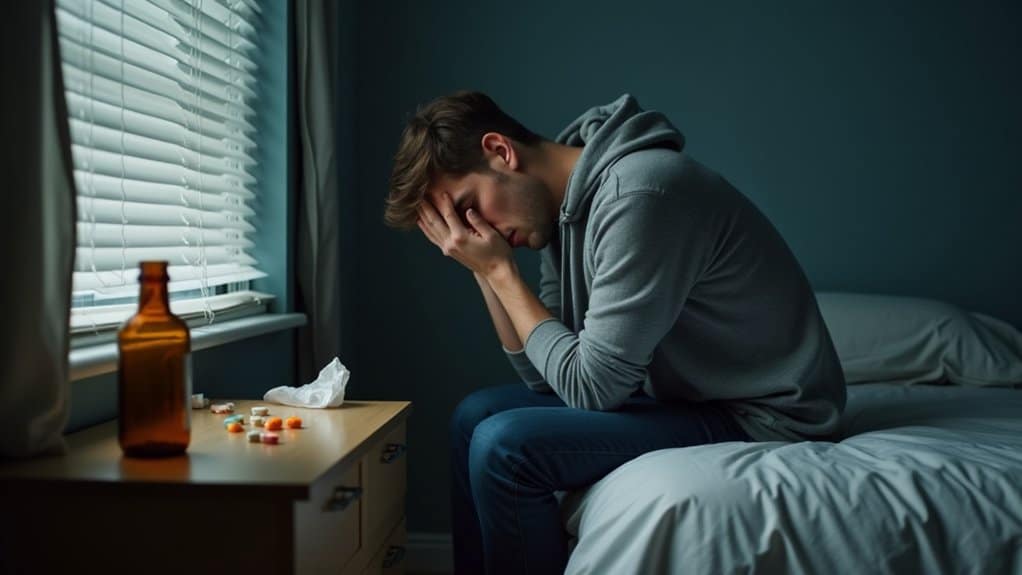
Using alcohol to cope with anxiety can become a cycle because the quick relief you feel teaches your brain to link drinking with calm. As alcohol wears off, your stress systems become more active, and rebound anxiety, irritability, and poor sleep follow. That discomfort drives your next drink. You’re not treating the underlying anxiety. Eventually, you may drink to escape distress rather than relax. Knowing how this loop tightens shows you where it can break.
Key Takeaways
- Alcohol eases anxiety quickly, and the brain registers that relief as a reward, strengthening the urge to drink again.
- As alcohol wears off, stress systems become more active, causing rebound anxiety, irritability, insomnia, and a racing pulse.
- Returning anxiety drives another drink, tightening a loop where withdrawal discomfort fuels continued drinking.
- Over time, drinking shifts from seeking pleasure to escaping distress, while the underlying anxiety remains untreated.
- Breaking the cycle often requires medical guidance for withdrawal, plus therapies like CBT that build alcohol-free coping skills.
Why does using alcohol to cope with anxiety become a cycle

Using alcohol to cope with anxiety becomes a cycle because the brief relief a drink provides teaches your brain to link drinking with calm, and the anxiety that returns as alcohol wears off pushes you to drink again. Does alcohol help anxiety? In the short term, it can feel calming, and that relief is part of what makes the pattern hard to break. But as alcohol wears off, withdrawal can bring anxiety, irritability, poor sleep, and emotional unease. That rebound makes another drink seem like a quick fix, and the loop steadily tightens. Over time, you may drink less for pleasure and more to escape distress between drinks. Research links self-medicating with alcohol to higher odds of later and persistent alcohol dependence. Using alcohol to cope with anxiety also leaves the underlying anxiety untreated, so you’re managing symptoms while the cause persists.
Does alcohol help anxiety at all
Only briefly. Alcohol can ease anxiety for a short time, but that relief comes at a cost. Alcohol acts on brain systems involved in reward, stress, and emotional regulation, so a drink may calm you in the moment. That quick effect is why it can feel anxiolytic and why you may reach for it again.
As alcohol wears off, though, your brain’s stress systems become more active. You may notice anxiety, irritability, insomnia, or a racing pulse. These are signs of withdrawal that can feel like your original anxiety returning, often stronger. Over time, repeated heavy drinking can heighten these negative states, and you may drink to escape them rather than to relax. Meanwhile, your underlying anxiety goes untreated, and your long-term risk of alcohol dependence steadily grows.
Why do people self-medicate anxiety with alcohol
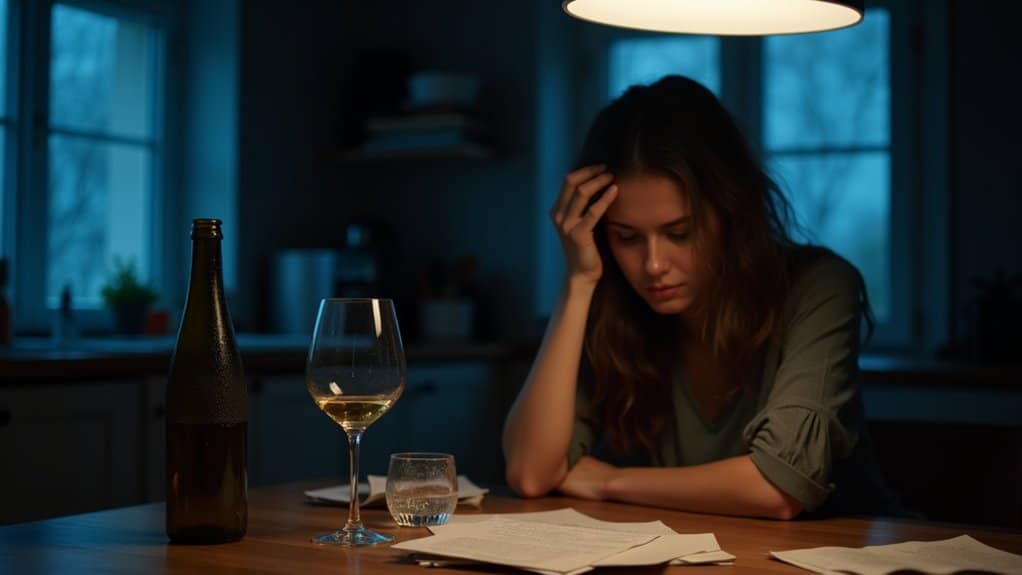
People self-medicate anxiety with alcohol because it can feel anxiolytic in the short term, offering quick relief from an uncomfortable state. Anxiety is unpleasant, and many people reach for whatever quiets it fastest, so if you drink when you’re tense, you may notice that relief right away. That relief reinforces the link between anxious feelings and drinking, making a glass seem like a reliable fix. Clinicians call this pattern self-medication. In community studies, about 20% of people with anxiety disorders report using alcohol to manage their symptoms, though estimates vary by study and population. Self-medication is reported more often among people who have both an anxiety disorder and an alcohol-use disorder. You might drink before a stressful event or simply to reduce tension. Either way, the short-term calm can obscure alcohol’s longer-term effects on your anxiety and drinking patterns.
How does the temporary relief reinforce drinking
Temporary relief reinforces drinking because your brain registers the easing of tension as a reward, and that pairing makes you more likely to reach for alcohol the next time anxiety rises. Alcohol affects the brain systems that govern reward, stress, and emotional regulation, so the relief you feel reinforces the habit. Over time, the loop tightens:
- Anxiety prompts drinking. You drink to dampen distress, and it works briefly.
- Relief reinforces the link. Your brain connects anxious feelings with alcohol as the solution.
- Withdrawal raises anxiety. As alcohol wears off, stress systems grow more active, bringing irritability, unease, and poor sleep.
- Discomfort drives the next drink. Your drinking shifts from seeking pleasure to escaping distress.
Each repetition strengthens drinking as a response to distress while the underlying anxiety goes unaddressed. The anxious aftermath of drinking can lead to a cycle of more anxiety, trapping individuals in a difficult pattern. Many find themselves reaching for alcohol to cope rather than seeking healthier mechanisms for managing their stress.
What makes the pattern so hard to break
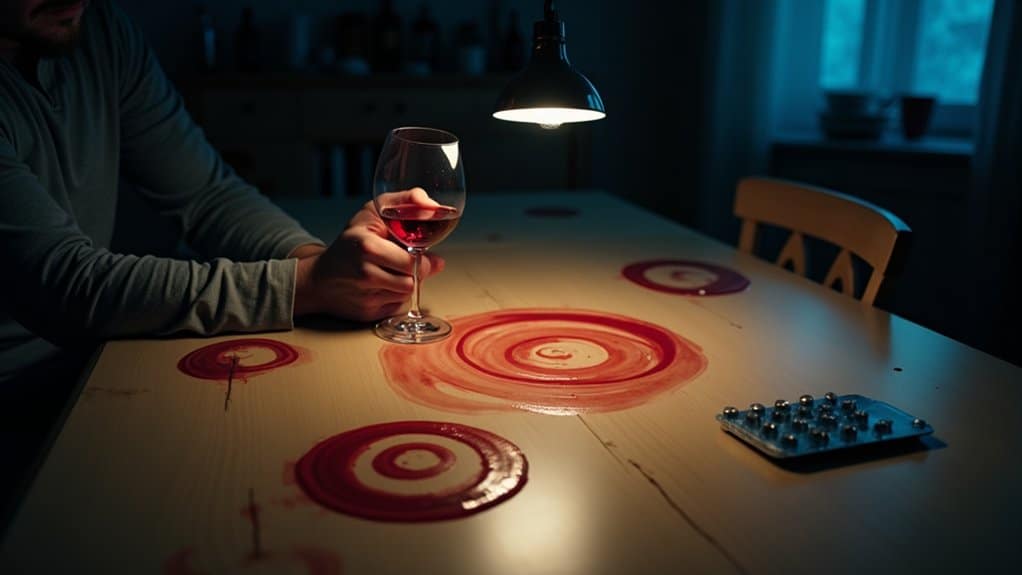
The pattern is hard to break because drinking brings relief within minutes and its costs build gradually, which makes it easy to miss how alcohol feeds your anxiety over time. As alcohol wears off, you may feel more anxious, irritable, or restless, and you might sleep poorly. Those symptoms can feel like your original anxiety returning, so another drink seems like the logical fix. With repeated heavy drinking, your brain’s stress systems become more reactive, and your motivation can shift from seeking pleasure to escaping discomfort. Withdrawal-related distress is a leading trigger for relapse, which helps explain why cutting back often feels harder than you expect. Each drink also teaches you to manage distress quickly rather than address what’s driving your anxiety. Over time, that response can become automatic and hard to interrupt.
What signals you are self-medicating
Self-medicating shows up in why and when you drink, not just how much, and certain patterns suggest you’re using alcohol to manage anxiety rather than for enjoyment:
Self-medicating is less about how much you drink and more about why and when you reach for alcohol.
- You drink before stressful situations. You reach for alcohol ahead of social events, work pressures, or other anxiety-provoking moments.
- You drink to reduce tension. Alcohol has become your main way to calm nerves or quiet worry.
- Your anxiety rises as alcohol wears off. This may reflect withdrawal effects, an underlying anxiety disorder, or both.
- You notice changes without alcohol. Poor sleep, irritability, or distress during alcohol-free periods can signal withdrawal-related symptoms.
Tracking when your anxiety and drinking occur can help a clinician distinguish alcohol-induced anxiety from a pre-existing anxiety disorder and recommend appropriate care. Alcohol and anxiety symptoms often overlap, so understanding the connection can help determine whether support should address drinking, anxiety, or both.
What weighs short-term relief against long-term harm
Alcohol eases anxiety in the moment, but that short-term relief can hide what it does over time. As alcohol wears off, your brain’s stress systems can become more active, and anxiety may return stronger. Anxiety from prolonged alcohol use can lead to a vicious cycle where individuals rely on alcohol to cope. Over time, their tolerance increases, requiring more alcohol to achieve the same relief.
| Short-term relief | Long-term harm |
|---|---|
| Tension eases quickly | Anxiety, irritability, and dysphoria rise as alcohol wears off |
| You feel calmer fast | Withdrawal can bring insomnia and tremors |
| Social situations feel easier | Drinking becomes your default response to distress |
| Discomfort fades temporarily | Underlying anxiety stays untreated |
Research links drinking to self-medicate anxiety with nearly fourfold or greater odds of later alcohol dependence. These are study-level associations, not predictions about you. If you’ve been drinking heavily for a long time, consult a clinician before stopping, since severe withdrawal can cause seizures.
How does Villa Behavioral Health break the self-medicating pattern
Villa Behavioral Health breaks the self-medicating pattern by treating both the drinking and the anxiety beneath it, which gives you a better chance of recovering from each. Integrated care coordinates support for alcohol use, anxiety, and related sleep or trauma symptoms within one plan. The approach targets the self-medicating pattern in four ways:
- Medical guidance first: If you’ve been drinking heavily for a long time, clinicians advise you prior to stopping, since severe withdrawal can cause seizures or delirium tremens.
- Timeline assessment: Mapping when anxiety and drinking occur helps distinguish alcohol-induced anxiety from a pre-existing disorder.
- Cognitive behavioral therapy: You learn to recognize triggers and respond to distress without alcohol.
- Motivational approaches: You explore your own reasons for change and build commitment.
Screening covers depression and suicide risk when relevant.
Break the Cycle of Drinking and Anxiety
Using alcohol to manage anxiety can lead to dependence and worsening symptoms over time. Villa Behavioral Health offers dual diagnosis treatment to address alcohol use and underlying anxiety together, helping you develop healthier coping strategies. Verify your insurance to explore your coverage options, or call (833) 302-2533 to discuss treatment.
Frequently Asked Questions
Is It Safe to Stop Drinking Suddenly After Long-Term Heavy Alcohol Use?
It may not be safe to stop suddenly if you’ve been drinking heavily for a long time. As alcohol wears off, you can experience anxiety, insomnia, tremors, sweating, nausea, and increased pulse or blood pressure. In severe cases, withdrawal can cause seizures or delirium tremens. Before you stop, talk with a clinician, who can assess your risk and recommend care that fits the severity of your alcohol use and anxiety.
How Can I Tell Alcohol-Induced Anxiety Apart From an Anxiety Disorder?
You’ll want to track timing. Keep a timeline of when your anxiety appears and when you drink. Anxiety that reliably rises as alcohol wears off, alongside poor sleep or irritability during alcohol-free periods, may reflect withdrawal, an underlying disorder, or both. Note whether you drink before stressful situations to ease tension. A clinician can review your timeline, screen for depression and suicide risk, and help you sort out what’s driving it.
Can Anxiety Medications Be Taken Safely While Still Drinking Alcohol?
It depends on the medication, so you shouldn’t assume it’s safe. Combining alcohol with benzodiazepines can dangerously slow your breathing and cause heavy sedation. With SSRIs or SNRIs, alcohol can increase drowsiness and worsen anxiety or depression as it wears off. Tell your prescriber or pharmacist exactly how much you drink. If you’ve been drinking heavily for a while, don’t stop suddenly without medical advice, since withdrawal can cause seizures.
Does Drinking Alcohol to Cope With Anxiety Increase Depression or Suicide Risk?
It can. When you drink to cope with anxiety, withdrawal as alcohol wears off can bring dysphoria and emotional distress, and repeated heavy drinking can intensify negative emotional states. The available evidence here doesn’t quantify depression or suicide risk directly, but clinicians screen for both when you’re using alcohol this way. If you’re having thoughts of suicide, contact a crisis line or emergency services now, and tell your clinician promptly.
How Long Does Anxiety Typically Last After Someone Stops Drinking?
Withdrawal-related anxiety often begins within hours of your last drink, typically peaks within one to three days, and usually eases within about a week, though some anxiety and sleep problems can linger for weeks. If anxiety persists beyond that, you may have an underlying anxiety disorder. A clinician can review your timeline. Don’t stop abruptly after prolonged heavy drinking without medical advice, since severe withdrawal can cause seizures or delirium.