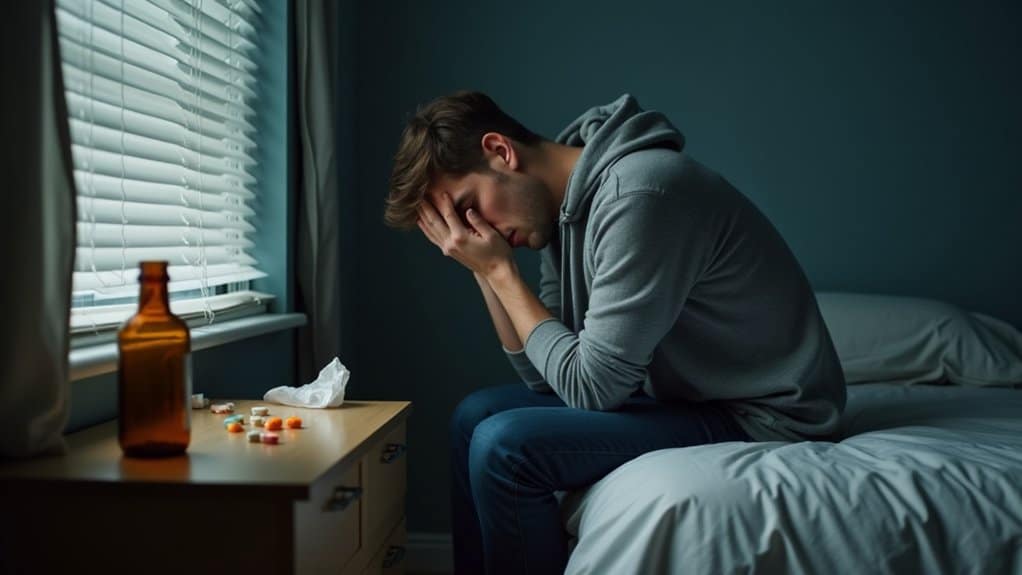
A drink can ease your tension within minutes, but that relief doesn’t last. As alcohol leaves your body, anxiety rebounds, often stronger than before. With regular drinking, your brain adapts by shifting GABA, glutamate, serotonin, and dopamine signaling. Stress circuits grow more active, while reward activity drops. Over time, your baseline tension rises, making another drink feel necessary. The good news? Anxiety often improves with abstinence, and knowing how this cycle works can help you break it.
Key Takeaways
- Alcohol eases tension briefly, but anxiety often rebounds or intensifies as it leaves the body.
- Regular drinking alters GABA, glutamate, serotonin, and dopamine signaling, causing the brain to adapt to alcohol’s presence.
- After drinking, stress circuits become more active while reward activity drops, worsening anxiety and negative mood.
- Drinking again to relieve rebound anxiety reinforces a cycle, and repeated withdrawals can make each rebound stronger.
- Tolerance raises baseline tension without alcohol, though anxiety often improves within 2 to 4 weeks of abstinence.
Why does alcohol make anxiety worse over time
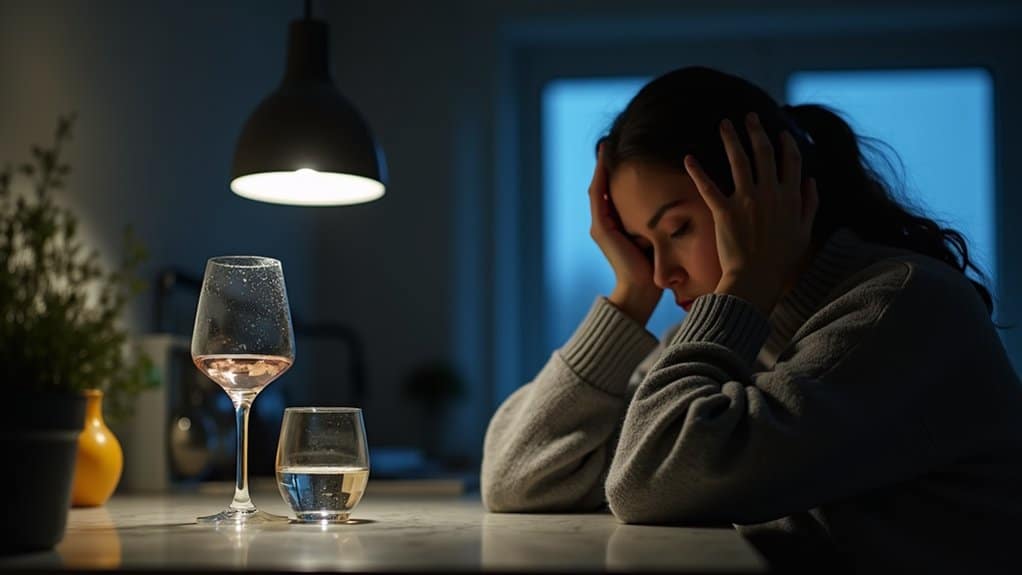
Alcohol makes anxiety worse over time because your brain adapts to repeated drinking, which leaves your stress circuits more active and your reward activity lower. Over time, alcohol alters GABA, glutamate, serotonin, and dopamine signaling. A drink can ease tension within minutes, but that relief doesn’t last. As alcohol leaves your body, anxiety can return with other negative emotions, a pattern known as rebound anxiety. When you stop drinking, you may feel irritable, dysphoric, or on edge.
What is rebound anxiety after drinking
Rebound anxiety is anxiety that returns or intensifies as alcohol leaves your body. Alcohol can temporarily ease tension, but that relief fades. With prolonged drinking, your brain adapts by altering GABA, glutamate, and stress-hormone signaling. As alcohol wears off, stress circuits in your extended amygdala become more active while reward activity drops. You may feel anxious, irritable, or low. Hangxiety after drinking can leave individuals feeling uneasy the next day. Many find themselves questioning their actions from the night before, which only heightens their anxiety.
Anxiety is a recognized symptom of alcohol withdrawal. Because another drink can quickly relieve that discomfort, the relief itself can reinforce further drinking. Repeated cycles of heavy drinking and withdrawal may also sensitize these symptoms, making each rebound more intense.
If you drink heavily and regularly, don’t stop suddenly on your own. Acute withdrawal can be medically dangerous, and supervised care can help you stop safely.
How does regular drinking alter brain chemistry

Regular drinking alters brain chemistry by prompting your brain to adapt to alcohol’s presence, and those adaptations can shape how you feel when you’re not drinking. These effects go beyond brief swings in mood. Research points to several key changes:
Your brain adapts to regular drinking, and those changes can shape how you feel long after the alcohol wears off.
- Neurotransmitter shifts: Alcohol alters systems involving GABA, glutamate, serotonin, and dopamine.
- Reward disruption: Chronic drinking can dampen reward-circuit activity, so everyday pleasures may feel muted.
- Stress-system activation: During withdrawal, extended-amygdala stress circuits become more active.
- Hormonal changes: Altered corticotropin-releasing factor signaling has been linked to withdrawal anxiety and dysphoria.
Together, these changes can leave you feeling tense, irritable, or low once alcohol wears off. That isn’t a personal failing. It reflects measurable biological adaptation, and recognizing it can help you seek appropriate support.
Why does each drinking episode leave anxiety higher
Each drinking episode can leave anxiety higher because, for many people who drink heavily, anxiety rebounds as alcohol leaves the body, and repeated cycles may make that rebound stronger.
Alcohol can ease tension during drinking. As it wears off, your brain’s stress circuits, including corticotropin-releasing factor signaling, become more active while reward activity drops. You may feel anxious, irritable, or low. Drinking again to quiet that distress reinforces the habit, and the cycle keeps going. Over repeated rounds of heavy drinking and withdrawal, these symptoms can sensitize, so each rebound may hit harder. This pattern isn’t universal. It depends on how much and how often you drink. If stopping leaves you shaky or intensely anxious, talk with a clinician, because withdrawal can be medically dangerous.
Why does tolerance worsen anxiety symptoms
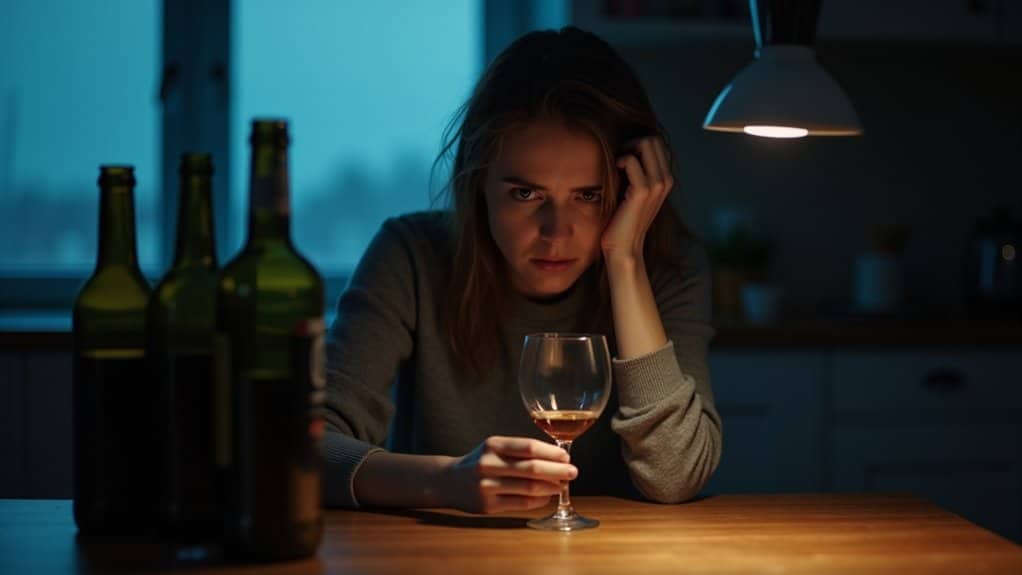
Tolerance worsens anxiety because the brain adapts to alcohol’s calming effects, and those adaptations can leave you more anxious when you aren’t drinking. With prolonged exposure, your brain adjusts its chemistry to offset alcohol’s sedating influence. That adjustment can raise your baseline tension once alcohol wears off.
Tolerance can feed anxiety in several ways:
- Chemical rebalancing: Alcohol alters GABA, glutamate, serotonin, and dopamine systems, shifting how your brain regulates calm and arousal.
- Stress-system activation: Changes in corticotropin-releasing factor signaling are linked to withdrawal anxiety and dysphoria.
- Reduced reward response: During withdrawal, stress circuits grow more active while reward-circuit activity drops.
- Sensitization: Repeated heavy drinking and withdrawal may intensify negative emotions over time.
If you notice this pattern, medically supervised care can help you stop safely.
Can alcohol-related anxiety become permanent
Current evidence doesn’t show that alcohol-related anxiety is typically permanent, though it can linger. Some research finds your anxiety may improve within the first two to four weeks of abstinence. However, post-acute withdrawal symptoms, including negative affect, can persist for four to six months or longer, and some people report symptoms for months or years.
Researchers link these lingering symptoms to changes in stress hormones and brain systems, though they’re still investigating the mechanisms. Persistent anxiety after you stop drinking doesn’t prove alcohol caused it. An underlying anxiety disorder or other factors may contribute. Panic symptoms after drinking can also be exacerbated by social situations or environments that trigger discomfort. Many individuals report feeling overwhelmed in gatherings where alcohol is present, leading to heightened anxiety.
If anxiety continues, it can fuel cravings and raise your relapse risk. Treatment that addresses both alcohol use and anxiety can help you recover. If you’re dependent, get medical guidance first. Drinking to cope with anxiety can lead to a vicious cycle that exacerbates your mental health struggles. This behavior often masks underlying issues rather than addressing them.
What changes between occasional and heavy drinking
Heavy drinking changes how your brain responds to alcohol, whereas occasional drinking usually lets its calming effect fade without lasting consequences.
With prolonged exposure, your brain adapts by altering GABA, glutamate, serotonin, and dopamine systems. When alcohol wears off, stress circuits grow more active while reward activity drops, so anxiety can rebound.
| Drinking pattern | What research shows |
|---|---|
| More frequent drinking | Linked to a small later decrease in anxiety |
| Greater quantity per occasion | Linked to a small later increase in anxiety |
| Repeated heavy drinking and withdrawal | May sensitize negative affect |
These effects are modest and vary between individuals and patterns. If you’re drinking heavily and notice anxiety between drinks, don’t stop abruptly on your own. Medically supervised care can help you withdraw safely and address both concerns.
How does Villa Behavioral Health treat drinking and anxiety together
Villa Behavioral Health treats drinking and anxiety together through coordinated care that addresses both conditions as connected concerns rather than separate problems. Because anxiety and heavy drinking can feed each other, your care plan can address both conditions together, which matters because withdrawal-related distress can drive cravings and relapse.
Anxiety and heavy drinking can feed each other, so treating both together helps ease withdrawal-related distress that can drive cravings and relapse.
- Medically supervised withdrawal: If you may be alcohol dependent, stopping suddenly can be dangerous, so medical oversight helps you detox more safely.
- Behavioral therapy: You’ll learn to recognize anxiety triggers and replace drinking with healthier coping skills.
- Medication options: Your provider may discuss FDA-approved medications such as naltrexone, acamprosate, or disulfiram.
- Ongoing support: Because anxiety can linger for several months after you stop drinking, continued care helps you manage symptoms and protect your recovery.
With coordinated care, you don’t have to break this cycle alone.
Break the Cycle of Alcohol-Related Anxiety
Alcohol may provide temporary relief, but repeated drinking can make anxiety harder to manage. Villa Behavioral Health offers dual diagnosis treatment to address alcohol use and co-occurring anxiety through structured care and healthier coping strategies. Verify your insurance to explore coverage options, or call (833) 302-2533 to discuss treatment.
Frequently Asked Questions
Is It Safe to Stop Drinking Suddenly if I Might Be Dependent?
No, it may not be safe. If you might be dependent, stopping suddenly without supervision can trigger severe withdrawal complications, and acute withdrawal can be medically dangerous. You’ll also likely face rebound anxiety, irritability, and dysphoria. Talk with a doctor before you quit; they can guide safer treatment. Evidence-based care includes behavioral therapy and FDA-approved medications like acamprosate, naltrexone, and disulfiram. You don’t have to manage this difficult step alone.
How Soon After Quitting Alcohol Does Anxiety Usually Start Improving?
Your anxiety often starts easing within two to four weeks of abstinence, though timelines vary. You might notice negative mood or tension for four to six months, and some people experience symptoms for longer. That doesn’t mean you’re failing; your stress systems are recalibrating. If anxiety persists, it may have other causes worth exploring. Since you might be dependent, medical guidance can help you quit safely and treat both concerns.
Does Anxiety Lead to Drinking, or Does Drinking Lead to Anxiety?
Both can happen. A study of 14,665 Australian adults found small reciprocal links: anxiety predicted slightly heavier drinking later, and larger drinking quantities predicted slightly more anxiety. If you drink to calm nerves, you may feel brief relief, but rebound anxiety can follow as alcohol wears off, pushing you to drink again. Evidence varies by person and drinking pattern, so you’ll likely benefit from care that addresses both conditions together.
Does Alcohol Worsen Anxiety for Everyone Who Drinks?
No, alcohol doesn’t worsen anxiety for everyone. Research shows mixed results: one large study linked heavier drinking quantity to slightly higher later anxiety, while others found no consistent connection. Your risk depends on how much you drink, how often, and whether you experience withdrawal. If you drink heavily, you may notice rebound anxiety as alcohol wears off. If you’re concerned about dependence, talk with a clinician before stopping.
Which Fda-Approved Medications Can Help Treat Alcohol Use Disorder?
You can discuss three FDA-approved medications with your clinician: acamprosate, naltrexone, and disulfiram. Your care can pair them with behavioral treatment, which can address co-occurring anxiety. If you’ve developed alcohol dependence, don’t stop drinking suddenly on your own, since withdrawal can cause severe complications. A medical provider can guide you through safer treatment, help you choose a medication, and support you as your brain and stress systems recover over time.