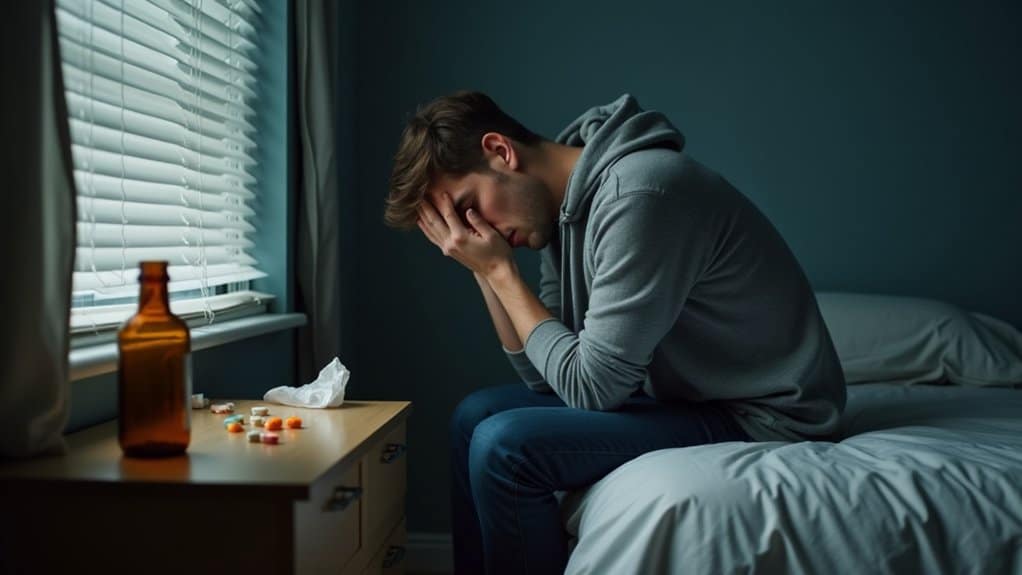
If you live with an anxiety disorder, you’re two to three times more likely to also develop alcohol use disorder. Anxiety often comes first, and about one in five people with anxiety drink to calm their symptoms. Alcohol eases tension briefly, but rebound anxiety and withdrawal can make you feel worse, creating a cycle that’s hard to break. Integrated care treats both conditions together, and understanding how they connect is your first step toward relief.
Key Takeaways
- Anxiety disorders and alcohol use disorder co-occur more often than chance, with large studies reporting odds ratios of 2.1, 3.3.
- Alcohol briefly eases anxiety, but rebound anxiety and withdrawal symptoms can create a cycle that worsens both conditions.
- Anxiety disorders often come first, preceding substance use disorders in at least 75% of cases in one review.
- People with anxiety who drink to self-medicate showed 34.5% alcohol dependence, versus 9.3% among those who didn’t self-medicate.
- Integrated treatment, such as cognitive behavioral therapy, addresses anxiety and drinking together, with screening to separate anxiety from withdrawal symptoms.
How are anxiety and alcohol use disorder connected
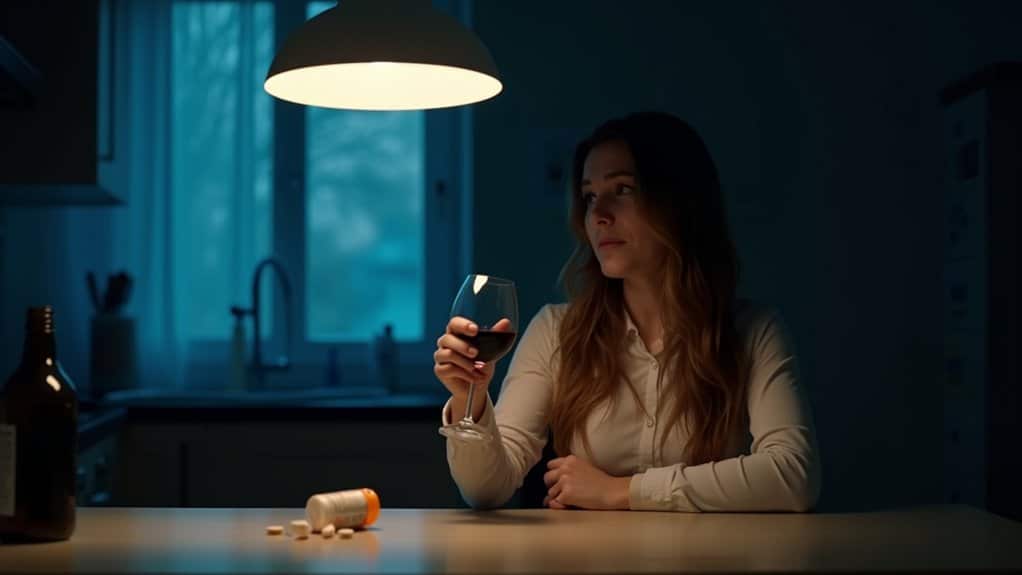
Anxiety and alcohol use disorder often show up together, and each can make the other harder to recognize and manage. Research on alcohol use disorder and anxiety shows they co-occur more often than chance predicts, with large studies reporting odds ratios of 2.1, 3.3. If you drink to calm your nerves, you may feel short-term relief, but rebound anxiety after drinking can follow. So, does alcohol cause anxiety? Withdrawal and intoxication can produce anxiety symptoms, yet anxiety disorders preceded substance use disorders in at least 75% of cases in one review. Self-medication isn’t universal: about one in five people with anxiety disorders report drinking to control symptoms, and these associations don’t prove which condition caused the other. Anxiety disorder from alcohol can complicate treatment approaches, requiring tailored strategies for recovery. Understanding the interplay between these conditions is crucial to providing effective support and interventions.
How do alcohol and anxiety affect each other
Alcohol and anxiety affect each other in both directions, with each one able to worsen the other. A drink can ease tension quickly if you’re anxious, and that short-term relief can create a cycle between alcohol and anxiety that’s hard to see from the inside. Anxiety during a hangover can intensify feelings of unease and discomfort. This vicious cycle can lead individuals to reach for another drink, hoping to find relief that ultimately eludes them.
A drink can ease anxiety fast, but that short-term relief can quietly fuel a cycle that’s hard to see from the inside.
- Self-medication is common but not universal: About 20% of people with an anxiety disorder report drinking to control symptoms.
- Higher risk follows: People who self-medicate drink more and show more alcohol dependence.
- Rebound anxiety: Alcohol’s calming effect can give way to heightened anxiety afterward.
- Blurred symptoms: Intoxication and withdrawal can mimic or mask anxiety, which complicates assessment.
- Mutual reinforcement: Each condition can worsen the other.
If you’ve noticed this pattern, you’re not alone. Recognizing it helps you and your clinician address both conditions together.
Which usually comes first, anxiety or drinking

Anxiety usually comes first. One review found anxiety disorders predated substance use disorders in at least 75% of cases. If you live with anxiety, you might reach for alcohol to quiet your symptoms. That self-medication pathway carries real risk. In one study, 34.5% of people with anxiety disorders who drank to control anxiety had 12-month alcohol dependence. That compared with 9.3% of those who didn’t and 5.1% of people without anxiety disorders.
Still, self-medication doesn’t explain every case. Only about one in five people with an anxiety disorder reported drinking this way. Drinking and withdrawal can also produce anxiety symptoms, so when your symptoms appear relative to drinking matters. These findings show population-level associations, not proof that one condition caused the other in your situation.
Why do the two so often appear together
Anxiety and alcohol use often appear together because alcohol briefly eases tension, so it can become a go-to tool when anxiety feels overwhelming. That relief doesn’t last, and the pattern can quietly deepen both conditions. Panic attack risks from alcohol can further complicate the cycle of anxiety. As individuals rely on alcohol to cope, they may inadvertently heighten their vulnerability to anxiety attacks.
- Self-medication: About 20% of people with an anxiety disorder report drinking to control symptoms.
- Higher risk: If you drink to manage anxiety, your odds of alcohol dependence rise; one study found 34.5% versus 9.3%.
- Rebound anxiety: Alcohol’s calming effect can give way to anxiety as it wears off.
- Withdrawal overlap: Withdrawal can mimic or intensify anxiety, blurring what you’re feeling.
- Mutual reinforcement: Each condition can feed the other, making both harder to spot alone.
Self-medication doesn’t explain every case, and these links are associations, not proof of cause. Understanding your pattern helps your clinician address both conditions.
Why is leaving both untreated so risky
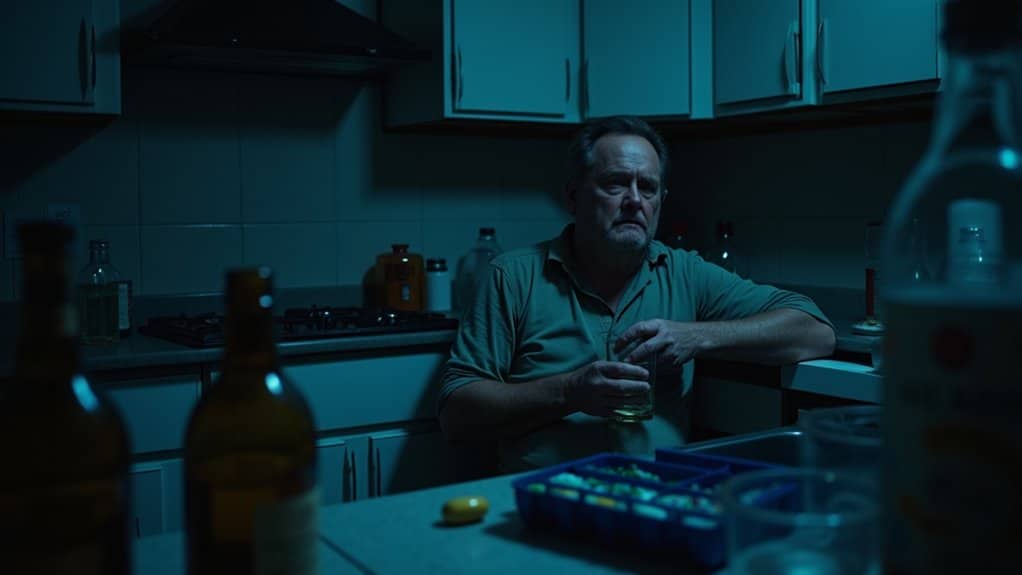
Leaving both untreated is risky because anxiety and alcohol use disorder can keep each other going. If you drink to calm anxious feelings, you may get brief relief, but rebound anxiety often follows, which can push you toward another drink. That pattern carries risk: in one study, people with anxiety disorders who self-medicated with alcohol had a 34.5% rate of alcohol dependence over 12 months. That compares with 9.3% among those who didn’t and 5.1% among people without anxiety disorders. These figures show an association, not proof that one condition causes the other. Still, unaddressed, the two conditions can erode your quality of life, functioning, and response to treatment. Intoxication and withdrawal can mask or mimic anxiety, making it harder to see what’s happening.
How is co-occurring anxiety and alcohol use treated
Co-occurring anxiety and alcohol use is treated by addressing both conditions together rather than assuming that fixing one will resolve the other. NIAAA describes integrated care plans that target your anxiety and drinking at the same time. Your plan may include:
Anxiety and drinking are best treated together, since fixing one rarely resolves the other on its own.
- Cognitive behavioral therapy (CBT) to address anxiety symptoms, drinking patterns, and the beliefs linking them
- Screening that separates persistent anxiety from symptoms tied to intoxication or withdrawal
- Honest discussion of whether you’re using alcohol to calm anxiety
- Standard substance use treatment, which can still help when anxiety is present
- Ongoing check-ins that track both symptom sets as your drinking changes
Research on therapies built specifically for co-occurring conditions is still limited and inconsistent, so your care should be individualized. Your clinician can adjust it over time.
Which traits do the two disorders share
Anxiety disorders and alcohol use disorder (AUD) share anxiety symptoms, avoidance and relief-seeking behaviors, and a negative impact on daily functioning. These overlaps go beyond a tendency to appear together and can make each condition harder to spot on its own.
| Shared trait | In anxiety disorders | In AUD |
|---|---|---|
| Anxiety symptoms | Persistent worry or fear | Rebound anxiety, withdrawal |
| Avoidance and relief-seeking | Escaping feared situations | Drinking for short-term calm |
| Impact on functioning | Reduced quality of life | Reduced quality of life, treatment response |
If you drink to control anxiety, you’re not alone, though only about one in five people with anxiety disorders report it. That pattern links to higher alcohol consumption and dependence risk. These overlaps are associations, not proof that one condition causes the other. So screening for both matters.
How does Villa Behavioral Health treat co-occurring anxiety and alcohol use
Villa Behavioral Health treats co-occurring anxiety and alcohol use with an individualized plan built from a careful assessment of both conditions, since one diagnosis rarely explains the other. Your clinical team looks at when your anxiety appears relative to drinking, intoxication, or withdrawal. Your care may include:
- Screening for anxiety and problematic drinking together, so neither gets missed
- Questions about whether you drink to calm anxiety, a pattern tied to higher risk
- Cognitive behavioral therapy targeting anxious thoughts, drinking habits, and links between them
- Monitoring for rebound anxiety as your alcohol use changes
- Ongoing plan adjustments based on how both symptom sets respond
Treating one condition doesn’t always resolve the other, so you’ll get continued support for both throughout your recovery.
Treat Anxiety and Alcohol Use Together
Anxiety and alcohol use can reinforce each other, making recovery harder when only one condition is addressed. Villa Behavioral Health offers dual diagnosis treatment to help manage both conditions through integrated therapy and structured recovery support. Verify your insurance to explore coverage options, or call (833) 302-2533 to discuss treatment.
Frequently Asked Questions
How Can I Tell if I’m Drinking to Cope With Anxiety?
You’re likely drinking to cope if you reach for alcohol mainly to calm worry, tension, or panic rather than for enjoyment. Notice honestly whether you drink before stressful situations, feel anxious when you can’t drink, or find anxiety rebounding as alcohol wears off. Research links this pattern to heavier drinking and higher dependence risk. If you recognize it, talk with a clinician who’ll assess both your anxiety and drinking together.
Can Quitting Alcohol Temporarily Make My Anxiety Symptoms Feel Worse?
Yes, it can. Alcohol’s short-term calming effect often gives way to rebound anxiety, and withdrawal can produce symptoms that look like an anxiety disorder. That’s why clinicians track when your symptoms occur relative to changes in drinking. If you’ve been drinking heavily, talk with a healthcare provider before stopping, since withdrawal can be risky. They can help you tell temporary withdrawal effects from persistent anxiety that needs its own treatment.
Is It Safe to Drink Alcohol While Taking Anxiety Medication?
Usually, it isn’t safe, and you shouldn’t assume it is. Alcohol can intensify sedation, impair coordination, and slow breathing, especially with benzodiazepines. With SSRIs or SNRIs, it can worsen drowsiness and undermine your treatment. Drinking may also bring rebound anxiety, so you might feel worse afterward. Ask your prescriber or pharmacist about your specific medication. If you’re drinking to manage anxiety, tell them; you deserve care that addresses both concerns.
Should I Mention My Drinking Habits When Seeking Help for Anxiety?
Yes, you absolutely should mention it. Your clinician can’t separate persistent anxiety from symptoms tied to intoxication, withdrawal, or changes in drinking without knowing your habits. Tell them if you drink to calm anxiety. About one in five people with anxiety disorders do, and that pattern links to higher alcohol-related risk. Sharing honestly helps your care team address both conditions together and tailor treatment, including medication choices, to your needs.
How Can Family Members Support Someone Struggling With Anxiety and Drinking?
You can support them by encouraging an evaluation that addresses both anxiety and drinking, since one diagnosis rarely fully explains the other. Don’t assume they’re drinking to calm nerves. Ask openly and without judgment. Recognize that alcohol’s relief can bring rebound anxiety, and withdrawal can worsen symptoms. Support integrated care options, such as cognitive behavioral therapy, and stay patient and consistent, because treating one condition won’t necessarily resolve the other.