
Modern detox protocols work through three distinct metabolic phases: releasing, neutralization, and elimination. Your body’s detoxification system relies on specific nutrients and enzymes at each stage B vitamins and antioxidants support Phase I, amino acids drive Phase II conjugation, while cellular energy powers Phase III elimination. Scientific evidence shows that personalized approaches, including targeted nutrition and lifestyle modifications, optimize these natural detox pathways. Understanding the molecular mechanisms behind detoxification reveals how to improve your body’s innate cleansing abilities.
The Three Phases of Metabolic Detoxification
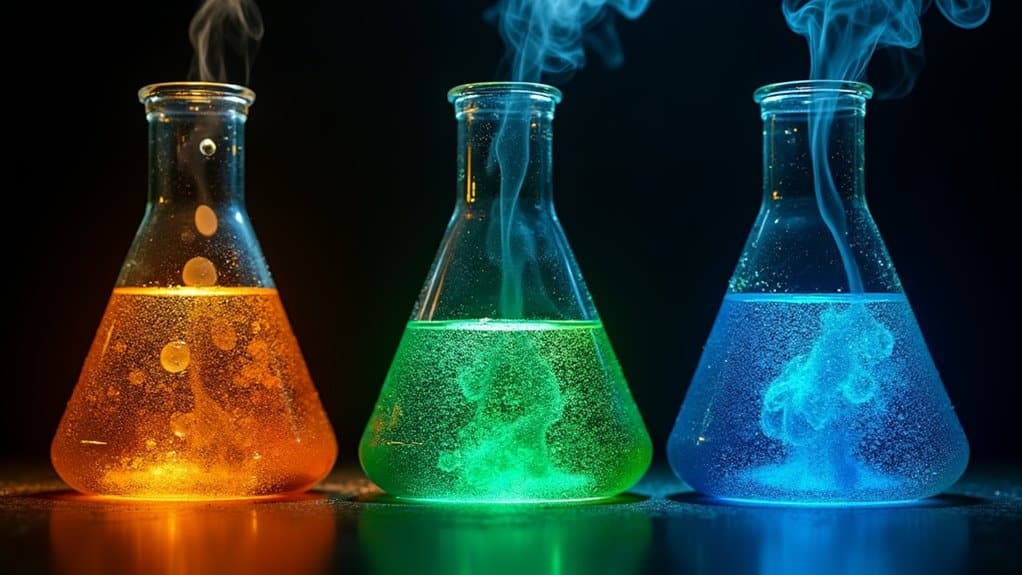
While the body naturally eliminates toxins, understanding the three distinct phases of metabolic detoxification helps enhance this essential process.
The process begins with Phase I (Unlocking), where cytochrome P450 enzymes transform fat-soluble toxins into water-soluble compounds. With exposure to 80,000 novel chemicals since World War II, this phase has become increasingly important for modern health.
During Phase II (Neutralization), conjugation enzymes like GSTs and UGTs attach molecules to the transformed toxins, making them less harmful and easier to eliminate. Optimal functioning requires ATP energy to power these crucial conjugation reactions.
Phase III (Elimination) involves specialized transport proteins that actively move the processed toxins out of cells for final removal through urine, bile, or sweat.
Each phase requires specific nutrients to function effectively.
Phase I needs B vitamins and antioxidants,
Phase II relies on amino acids and sulfur compounds,
while Phase III depends on adequate cellular energy and membrane integrity to complete the detoxification cycle.
Key Biological Mechanisms Supporting Detox Pathways
Since effective detoxification depends on coordinated enzymatic processes, understanding the key biological mechanisms reveals how the body manages toxin elimination.
Your enzyme activity relies on precise synchronization between Phase I and Phase II detox pathways to prevent harmful toxin buildup. When these systems aren’t balanced, you’ll experience increased oxidative stress and cellular damage. The B vitamins are critical nutrients that fuel these essential enzymatic reactions.
Your genetic variants greatly influence your biotransformation efficiency. Detoxification genes determine how well you process environmental toxins, with SNPs affecting both Phase I metabolism and Phase II conjugation rates. The CYP450 enzymes play a vital role in converting fat-soluble toxins during Phase I detoxification.
That’s why personalized nutrition strategies based on your DNA profile can help optimize your detox capacity.
Furthermore, antioxidant roles are essential – especially glutathione, which neutralizes reactive compounds produced during Phase I reactions, protecting your cells from oxidative damage.
Nutritional Compounds That Enhance Detox Function

Your body relies on specific nutrient pathways and compounds to effectively clear toxins through each phase of detoxification.
You’ll find that key nutrients work synergistically with antioxidants supporting Phase 1, sulfur compounds enabling Phase 2 conjugation, and transport molecules facilitating Phase 3 elimination.
Supporting these pathways requires both essential nutrients from whole foods and targeted supplementation to optimize your detoxification capacity. Research indicates that beneficial bacteria from probiotics can significantly enhance your body’s natural ability to eliminate toxins and support overall detoxification processes. Regular exercise and movement help stimulate lymphatic drainage which aids in toxin removal through sweat and circulation.
Key Nutrient Activation Pathways
To optimize detoxification pathways, specific nutrients and compounds work synergistically through key molecular mechanisms. Your body’s detox systems rely on nutrient synergy between antioxidants, minerals, and vitamins to function effectively. The conjugation processes during Phase 2 detoxification transform toxins into water-soluble compounds that can be easily eliminated. Consuming foods rich in sulfur compounds, particularly cruciferous vegetables, helps activate vital Phase II enzymes.
| Pathway | Key Activators |
|---|---|
| Antioxidant Defense | Vitamin C, EGCG, Quercetin |
| Phase I Metabolism | B-vitamins, Iron, Zinc |
| Glutathione Production | Selenium, NAC, Magnesium |
These compounds activate distinct but interconnected detox pathways. B-vitamins and minerals support Phase I enzyme function, while antioxidants like EGCG and quercetin improve Nrf2 signaling. You’ll find that glutathione production depends on selenium and NAC, which work together to amplify your cellular defense systems. Each nutrient plays a specific role in maintaining efficient toxin processing and elimination.
Supporting Compounds By Phase
While the body’s natural detoxification system operates continuously, specific nutritional compounds can considerably elevate both Phase I and Phase II processes. The liver’s detoxification pathways rely on essential nutrients that activate enzymes and support conjugation reactions.
1. Phase I reactions depend on B vitamins, folate, and magnesium, which facilitate methylation and enzymatic processes. Green tea rich in powerful catechins supports the liver’s Phase I detoxification abilities. Cytochrome P450 enzymes facilitate the initial breakdown of toxins in this phase.
Chlorophyll from spirulina and sulfur compounds from cruciferous vegetables improve liver enzyme activation.
2. Phase II conjugation benefits from N-acetylcysteine (NAC), which increases glutathione production for efficient toxin removal.
3. Flaxseeds provide lignans and ALA, while soy offers vitamin E and isoflavones to support both phases.
4. Red grapes contain resveratrol, which complements the entire detoxification process through antioxidant mechanisms and enzyme modulation.
Food-Based Enhancement Methods
Nutritional compounds found in whole foods can greatly improve the body’s natural detoxification processes through specific biochemical pathways.
You’ll enhance detox support through food synergy and nutrient density by combining dark leafy greens, cruciferous vegetables, citrus fruits, sulfur-rich foods, and fermented ingredients.
Focus on antioxidant support from green tea’s catechins while leveraging seasonal eating patterns to access the freshest produce.
Strategic meal timing and proper cooking methods help preserve beneficial compounds like glucosinolates from broccoli and isothiocyanates from Brussels sprouts.
Support your gut microbiome with probiotic-rich fermented foods and fiber sources.
Create detox recipes that incorporate herbal infusions and emphasize plant-based diets – think kale salads with citrus dressing, fermented vegetables, and cruciferous stir-fries with garlic and onions.
Digital Wellness and Technology Detoxification
Your digital wellness starts with implementing mindful technology breaks throughout the day, which research shows can reduce depression symptoms and improve cognitive performance.
You’ll experience boosted focus and productivity by scheduling dedicated digital-free periods, allowing your mind to reset from the constant stream of alerts and notifications.
Mindful Tech Usage Strategies
As digital devices increasingly dominate modern life, implementing mindful tech usage strategies has become essential for maintaining mental clarity and work-life balance.
By establishing tech boundaries and practicing intentional engagement, you’ll regain control over your digital consumption while maximizing productivity.
- Set clear boundaries by designating tech-free zones in your home and enforcing structured time blocks for device usage.
- Utilize built-in features like “Do Not Disturb” and app-specific time limits to manage your digital exposure effectively.
- Practice mindful usage through pre-tech breathing exercises and single-tasking protocols to maintain focused attention.
- Monitor your engagement patterns using screen time analytics and weekly usage reports, adjusting habits based on data-driven insights.
Remember to align your technology use with core values, ensuring each interaction serves a purposeful goal rather than mindless consumption.
Digital-Free Time Benefits
Taking regular breaks from digital devices yields substantial benefits across mental, physical, and social domains.
Research shows that digital detox protocols improve focus and mental clarity while promoting emotional balance. You’ll experience better cognitive recovery through reduced information overload, and studies indicate a creativity increase during digital-free periods.
When you establish digital boundaries, you’ll notice significant health benefits, including anxiety reduction and better sleep quality.
Structured leisure activities during tech balance periods foster meaningful social interaction and face-to-face engagement strategies. The key is finding the right screen time balance – typically 2-4 hours daily for ideal well-being.
Reset Your Online Habits
Resetting online habits through structured digital detoxification can considerably reshape behavioral patterns and improve mental well-being.
Research shows that targeted habit transformation can lead to lasting changes in digital consumption patterns when implemented strategically. By combining partial restrictions with full abstentions, you’ll develop sustainable practices that stick.
- Start with personalized app-specific limits to ease into the detox process, focusing on platforms that trigger the most stress or anxiety.
- Implement weekly screen-free days to balance total abstinence with real-world demands.
- Replace digital activities with non-screen hobbies to maintain momentum and reduce withdrawal effects.
- Monitor your progress through gradual reduction, allowing your brain to adapt to new routines while minimizing feelings of alienation.
This evidence-based approach helps establish healthier technology use patterns that persist beyond the initial detox period.
Environmental Toxins and Their Impact on Health
While modern society has revolutionized human comfort and convenience, it has simultaneously introduced an unprecedented array of environmental toxins that pose serious health risks.
Your daily toxic exposure comes from multiple pollutant sources, including airborne particles, industrial emissions, and contaminated soil or water.
Environmental toxins assault your health daily through contaminated air, industrial pollution, tainted water supplies, and chemical-laden soil.
The health implications are far-reaching: respiratory effects include reduced lung function and increased risk of asthma, while cardiovascular risks manifest through systemic inflammation and disrupted heart function.
You’ll find neurological damage is particularly concerning for developing brains, with links to developmental delays and cognitive impairment.
The cancer association is similarly troubling, as prolonged exposure to carcinogens and endocrine-disrupting chemicals considerably increases your risk of diverse malignancies, contributing to millions of premature deaths globally each year.
Modern Testing Methods for Toxin Assessment
Modern toxin assessment relies heavily on biomarker screening technologies that can detect specific molecular signatures of exposure in your blood, urine, or tissue samples.
You’ll find that environmental exposure measurements now utilize advanced analytical tools like mass spectrometry and chromatography to identify and quantify numerous environmental pollutants with remarkable precision.
These testing protocols are complemented by metabolite detection methods that track how your body processes and eliminates different toxins, providing essential data for personalized detoxification strategies.
Biomarker Screening Technologies
Scientific advances in biomarker screening have revolutionized how we detect and measure toxins in biological systems. Modern biomarker detection methods now integrate multiple analytical platforms, combining genomics, proteomics, and metabolomics data to create more accurate toxicity prediction models.
You’ll find sophisticated testing capabilities that weren’t possible just a decade ago.
Here’s what makes today’s biomarker screening so powerful:
- Mass spectrometry systems can detect trace amounts of protein markers in complex biological samples.
- High-throughput cell screening platforms analyze hundreds of samples simultaneously.
- 3D organoid models replicate real tissue responses for more accurate toxicity testing.
- Advanced computational tools, including deep learning algorithms, identify patterns in biomarker data.
These technologies work together to provide precise, thorough toxicity assessments that help evaluate detoxification protocols and their effectiveness.
Environmental Exposure Measurement
Recent advances in environmental exposure measurement have transformed our ability to detect and quantify toxic substances across diverse settings.
You’ll find that modern exposure assessment now combines spatial modeling with real-time sensor deployment to track environmental hazards with unprecedented precision. Data integration from multiple measurement techniques, including GIS applications and sensor networks, provides a thorough view of potential exposures.
You can now benefit from both direct and indirect monitoring approaches. While personal exposure monitors track immediate contact with toxins, spatial modeling helps reconstruct long-term exposure patterns.
Advanced toxicity screening methods integrate biochemical detection with environmental data, enhancing risk evaluation accuracy. These tools work together to create detailed exposure profiles, helping you understand potential health implications through continuous monitoring and validation of environmental hazards in your surroundings.
Metabolite Detection Methods
As toxicology testing has evolved, metabolite detection methods now integrate multiple analytical platforms to provide extensive toxin assessment.
Modern metabolite profiling techniques combine high-resolution mass spectrometry with advanced separation methods to detect both known and unknown compounds in your system. Non-targeted metabolomics enables extensive screening of potential toxins, while sophisticated computational analysis helps identify trace substances.
- LC-MS/MS platforms deliver precise separation and identification of complex metabolite mixtures.
- Combined RPLC and HILIC chromatography methods capture both polar and non-polar compounds.
- High-resolution mass analyzers like Orbitrap and TOF systems distinguish between similar compounds through accurate mass detection.
- Enzyme-based biosensors and aptamer systems provide rapid, selective detection of specific toxins like pesticides and heavy metals.
Personalized Approaches to Detox Programs
Effective detox programs recognize that each individual’s course through addiction recovery requires a distinctly customized approach. Your personalized strategies will be shaped by thorough assessments that evaluate substance use patterns, medical history, and co-occurring mental health conditions.
Every person’s path to recovery is unique, requiring personalized treatment plans built on comprehensive evaluation of their specific circumstances.
These individualized protocols consider multiple factors: the specific substances you’re dependent on, your usage patterns, and any existing health complications. You’ll receive targeted pharmacological interventions based on your needs, whether it’s methadone for opioid withdrawal or diazepam for alcohol detox.
Your treatment plan will adapt to accommodate work schedules, family obligations, and personal preferences for holistic therapies. Special considerations extend to specific populations, including women’s health needs, cultural sensitivities, and adolescent-specific programming.
Your progress is continuously monitored, allowing for real-time adjustments to guarantee the best outcomes throughout your recovery process.
The Role of Sleep and Stress in Detoxification
While you progress through detoxification, the intricate relationship between sleep and stress vitally influences your body’s ability to eliminate toxins. Your sleep cycles directly impact glymphatic function, enabling essential toxin clearance during deep sleep phases.
Stress management becomes fundamental, as heightened cortisol levels can greatly impair detoxification pathways and liver enzyme function.
- Quality sleep activates your brain’s waste removal system, clearing harmful compounds like beta-amyloid during 7-8 hours of nightly rest.
- Emotional regulation through mindfulness practices helps maintain detox efficiency by preventing stress-induced sleep disruptions.
- Consistent restorative routines stabilize circadian rhythms, optimizing your body’s natural detoxification windows.
- Lifestyle impact extends beyond sleep, as recovery support requires managing stress-triggered behaviors that can overload detox organs.
Scientific Research on Detox Effectiveness
Modern scientific research reveals mixed evidence regarding detox protocol effectiveness, with limited randomized controlled trials and methodological challenges complicating definitive outcomes.
You’ll find most clinical studies on detox diets lack strong scientific validation, though some animal studies suggest improved liver detoxification pathways.
Research comparing different dietary approaches shows minimal evidence supporting specialized detox protocols over standard healthy eating. While proponents claim toxin elimination benefits, studies haven’t demonstrated superiority beyond the body’s natural detoxification processes.
Current data indicates observed improvements may stem from caloric restriction rather than specific detox mechanisms.
The scientific consensus emphasizes the need for more thorough human trials before drawing firm findings about detox effectiveness.
Until then, you’ll want to approach commercial detox claims with careful consideration of the limited available evidence.
Safety Protocols and Best Practices in Detoxification
Implementing safe detoxification protocols requires thorough medical supervision and carefully structured support systems. You’ll find that modern safety measures emphasize medical oversight, proper nutrition, and strategic toxin elimination to protect your well-being during the process.
- Certified physicians and anesthesiologists monitor your crucial signs continuously, ensuring immediate response to any complications.
- Pre-screening evaluations check for substance interactions, with strict waiting periods enforced for specific substances like cocaine.
- FDA-approved medications are administered through controlled IV protocols, including naltrexone for craving prevention.
- Nutritional support focuses on plant-based foods and natural sweeteners while eliminating processed ingredients.
These evidence-based safety measures work together to support your body’s natural detoxification pathways while minimizing risks. Your detox expedition is carefully managed through phase-aligned support, ensuring toxins are properly neutralized and eliminated.
Frequently Asked Questions
How Long Should I Wait Between Detox Protocols to Avoid Overwhelming My System?
You’ll want to wait at least 30 days between detox protocols to allow your body’s natural cleansing systems to reset.
The detox duration varies based on your individual health factors, but giving your body this recovery window helps prevent overwhelming your system.
Your body’s response to consecutive detoxes can become less effective if started too soon.
Consider working with a healthcare provider to determine the ideal timing for your specific situation.
Can Certain Genetic Mutations Completely Block My Body’s Natural Detoxification Abilities?
While genetic variations can markedly impact your detox capabilities, they rarely result in complete blockage of all detoxification pathways.
Your body has multiple backup systems. However, certain mutations like MTHFR can reduce specific detox functions by up to 90%.
You’ll likely maintain some baseline detox ability, but you may need targeted support through diet, supplements, and lifestyle modifications to compensate for genetic inefficiencies in particular pathways.
What Blood Markers Best Indicate if My Detox Pathways Are Functioning Optimally?
You’ll want to monitor several key blood markers to assess your detox function.
Liver enzymes (ALT, AST, GGT) indicate general liver health, while glutathione levels show your phase II capacity.
B-vitamin levels, particularly B2, B6, and B12, reflect phase I pathway function.
CoQ10 status reveals mitochondrial support for detox processes.
If these markers are suboptimal, you may experience toxin accumulation and need targeted nutritional support.
Do Electromagnetic Frequencies From Devices Require Different Detoxification Approaches Than Chemicals?
Yes, electromagnetic frequencies (EMFs) require distinct detoxification approaches compared to chemical toxins.
While chemical detox relies primarily on liver pathways, EMF exposure needs specific methods targeting electromagnetic sensitivity.
You’ll want to combine traditional detoxification methods like sweating and supplements with EMF-specific strategies including grounding, shielding devices, and frequency-based therapies.
The most effective protocols typically integrate both approaches, as EMFs can impact how your body processes chemical toxins.
How Do Seasonal Changes Affect the Body’s Natural Detoxification Capacity?
Your body’s natural detoxification capacity shifts considerably with seasonal changes.
In warmer months, you’ll experience increased sweating and improved kidney function due to higher hydration needs, supporting toxin elimination.
During colder seasons, your metabolism adapts to process heavier foods, potentially straining liver function.
Your lymphatic system’s efficiency also fluctuates with atmospheric pressure changes, while seasonal food availability directly impacts your gut’s detoxification abilities through varying fiber intake and nutrient profiles.